Find out about:
>
> Biodiversity
> Climate change (portal)
> Coastal management
> Environmental awareness
> Invasive species
> Legal documents
> Marine species
> Natural resources
> Nature conservation
> Pacific birds
> Pollution and Solid waste
> Sustainable Land Management
 
Archive-SPREP
> International Waters
> Year of the Sea Turtle
 
Part-SPREP
> PILN
> Roundtable
 
Search

powered by Google

Home

Pacific EIA’s under review

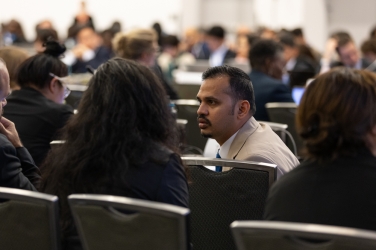
File[General]Environmental impact assessments (EIA) and strategic environment assessments are words that may make the average reader cringe however they are vital to our well being in the Pacific. These assessments serve to help curb unrestrained development and its resulting negative impacts upon our environment. In so doing, our Pacific way of life is maintained.

The role of environmental impact assessments is now under review in the Pacific. The Secretariat of the Pacific Regional Environment Programme (SPREP) is leading this review, and is looking at several countries to provide sample case studies.

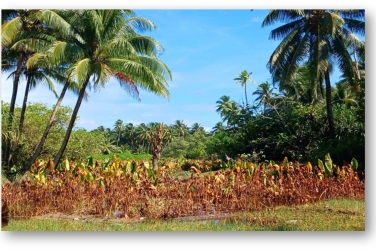
Environmental impact assessments are carried out when a development project is proposed. The EIA aims to outline the effects the proposed development will have upon the environment and surroundings and how to best remedy the negative impacts and enhance the positive ones. Strategic environment assessments look at the bigger picture of long term development goals and plans and how our environment and our lifestyles might change under these scenarios.
 

Pacific bans hazardous waste with Waigani Convention

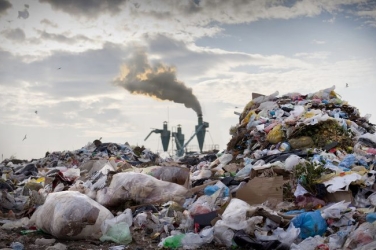
File[News]Seven years ago the Waigani Convention came into force, providing a comprehensive mechanism to address hazardous waste issues in the Pacific region. It gives the Pacific an effective means of preventing waste traders from turning the region into an international waste dump. It also stops ships from using the Pacific as a highway for hazardous waste and helps the region carry out the clean up of hazardous and radioactive waste in the region.

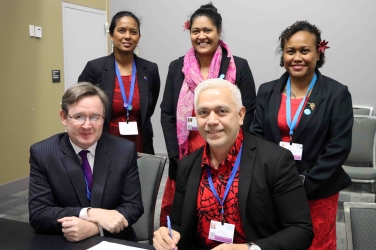
This week is the second meeting of the Scientific and Technical Advisory Committee of the Waigani Convention (STAC 2) held at Headquarters of the Secretariat of the Pacific Regional Environment Programme (SPREP) in Apia Samoa. SPREP and its member countries have met to map out ways in which they can strengthen the Convention further.

During the three-day meeting, parties to the Waigani Convention will discuss topics that they hope to present to the fourth conference of the Parties to the Waigani Convention in September this year. The main objective of the meeting is to coordinate the scientific, technical and legal implementation of the Convention for consideration and adoption by the Conference of the Parties.
 

Oceania Regional Response Team and SPREP strengthen ties

File[Pollution Prevention]Joint Coordinators of the Oceania Regional Response Team (ORRT) paid a courtesy visit to the Secretariat of the Pacific Regional Environment Programme in April.

They were Mr Lance Richman, the ORRT Coordinator from the United States of Americas Environmental Protection Agency Office in San Francisco and Lieutenant Commander (Mr) Joseph Zwack, the ORRT Coordinator from the United States Coast Guard based in Honolulu, Hawaii.

The visit saw a discussion take place to discuss how the Secretariat of the Pacific Regional Environment Programme and the Oceania Regional Response Team can work together moreenhance their cooperation. It is planned that synergising and sharing the resources available to each organisation will work for the better of their to better serve SPREP member countries and territories. American Samoa, Guam, Commonwealth of Northern Marianas Islands and the USA are members of both organisations.
 

Pacific unite to prepare for world’s biggest biodiversity gathering

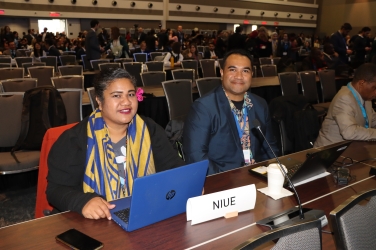
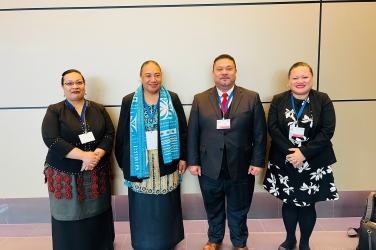
File[Nature Conservation]The Pacific has come together to develop a united strategy in preparation for the Convention on Biological Diversity’s (CBD) 9th Conference of the parties to be held in May this year. A three-day retreat saw nine Pacific islands countries meet to outline their priorities and how they will work together at the CBD’s Conference of the parties.

“Basically we just want to make sure the Pacific is not disadvantaged. We need to make sure as much as possible that our priorities and concerns are reflected in the discussions that take place at the CBD Conference of the Parties. If we don’t, we could miss out on benefits like technical support and possible financial assistance to advance biodiversity conservation in our region.” Said Ana Tiraa, SPREP’s Islands Biodiversity Officer.

Member countries at the last SPREP inter-governmental meeting requested the preparatory meeting. SPREP’s role at the CBD’s 9th Conference of the Parties will be to advise and support the Pacific islands countries present. The preparatory meeting also identified priority agenda items for the Pacific region.
 
SPREP Monthly Highlights

March 2008 Highlights

 
Now Available

"Living Islands" - SPREP's Biodiversity Newsletter, April 2008 Edition

 
Now Available

Pacific Islands Regional Marine Species Programme, 2008-2012

 
18th SPREP Meeting of Officials

Report and Working Documents
11 - 14th September 2007
Apia
Samoa

 
 Latest press releases
Pacific EIA’s under review(07-May-08)
Pacific bans hazardous waste with Waigani Convention(02-May-08)
Oceania Regional Response Team and SPREP strengthen ties(28-Apr-08)
more

 Latest publications
Pacific Islands Regional Marine Species Programme, 2008-2012(02-Apr-08)
Regional Solid Waste Strategy Action Plan 2008-2010(12-Feb-08)
Pacific Environment Information Network [PEIN] Regional Frameworks and Strategies Directory(08-Feb-08)
more


Back to top

Copyright © 2003-2008 SPREP. Copyright details available.