

22 May 2026, Koror, Palau - As the world celebrates International Biodiversity Day on May 22, the Pacific story stands as a powerful reminder that acting locally through coordinated and sustainable community-led invasive species management creates ripples of global impact, strengthening the collective effort to halt biodiversity loss and safeguard our shared future.
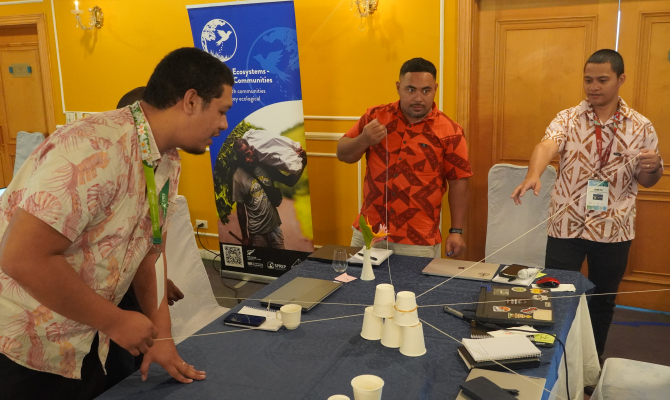
The 7th Pacific Invasive Learning Network (PILN) meeting held in Palau concluded with a significant milestone in further strengthening regional collaboration against invasive species. Country representatives came together to share experiences, tools and strategies that are helping them better manage invasive species on the ground, from rat eradication on offshore islands, war on weeds, to community-led awareness campaigns.
The meeting provided the Secretariat of the Pacific Regional Environment Programme (SPREP) led Pacific Regional Invasive Species Management Support Service (PRISMSS) team with invaluable insights into the challenges countries face, such as limited technical staff, resource constraints, the need for continuous capacity building and highlighted the types of support required to translate strategies into effective action.
This exchange of knowledge and peer-to-peer learning reaffirmed the importance of local partnerships and community-driven initiatives. It demonstrated that small-scale changes, when multiplied across the Pacific, contribute directly to global biodiversity goals.
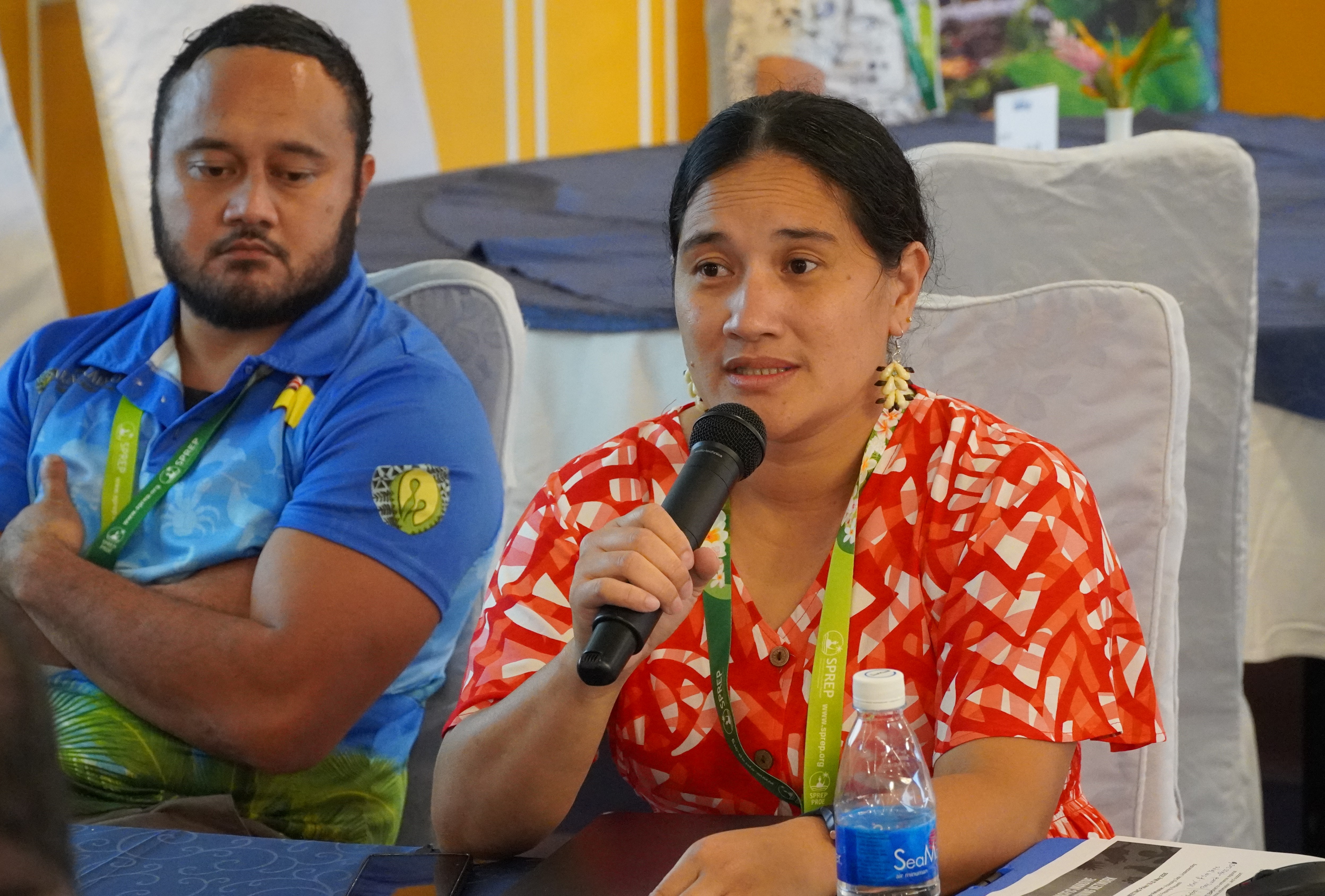
The PILN meeting aligns closely with the 2026 International Day for Biological Diversity theme, “Acting locally for global impact.” This theme underscores that halting and reversing biodiversity loss depends on community engagement and the Pacific’s efforts embody this principle by connecting local realities to the broader Kunming-Montreal Global Biodiversity Framework. The Pacific’s achievements demonstrate how the Pacific Invasive Species Battlers are vital contributors to biodiversity conservation.
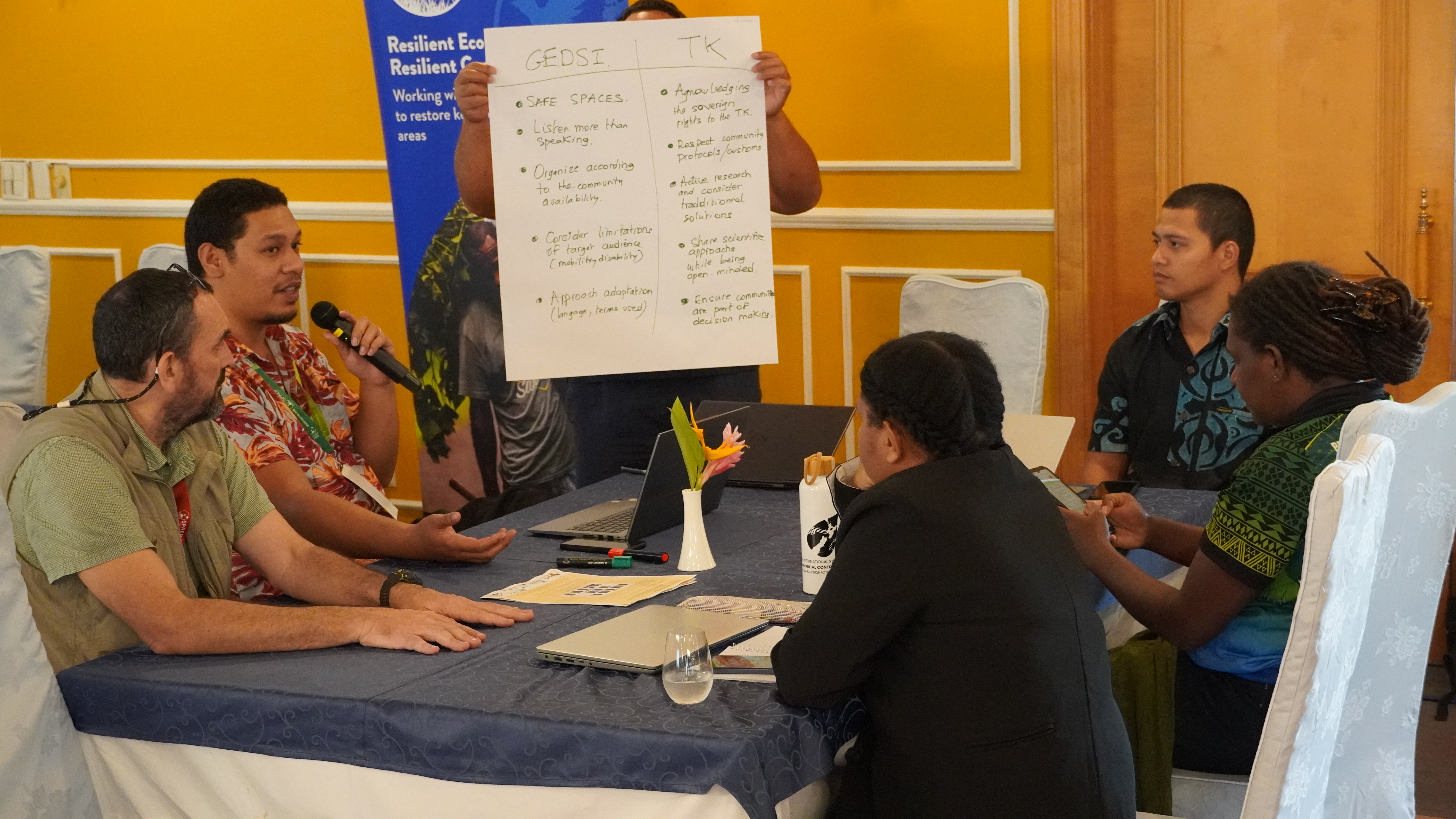
Discussions in Palau emphasised a whole-of-society approach, involving local communities, women, youth, governments and NGOs in conservation. By embedding Gender Equality, Disability and Social Inclusion (GEDSI) and Traditional Knowledge into invasive species management, Pacific nations are ensuring that conservation is not only effective but also inclusive and culturally grounded.
Mr. Huggard Tongtule a Senior Biodiversity Officer with the Niue Department of Environment Protection and Conservation reflected that, “Niue’s ecosystems are small and fragile, which makes us especially vulnerable to invasive species, biodiversity loss and climate change impact.”
“Attending the PILN meeting gave us the chance to learn from others and strengthen our capacity to protect the biodiversity that is central to our island’s identity.
“This meeting was a reminder that even the smallest islands have a voice in protecting the Pacific and by sharing our experiences and learning from others, Niue contributes to a collective effort to safeguard biodiversity across the region.”
The Invasive Species Coordinator with the Federated States of Micronesia, Yap State Division of Agriculture and Forestry, Mr. Francis Liyeng, shared that, “for Yap, and for the Pacific as a whole, invasive species management is about protecting our biodiversity and our way of life.”
“Being here in Palau for the 7th PILN meeting is deeply meaningful for me as I was present at the very first gathering 20 years ago here and seeing how far invasive species management has progressed across the Pacific is inspiring.”
“But we also know the work is far from finished and we must continue to coordinate better, ensure the right resources and sustainable solutions are available to protect our islands and build our community’s resilience.”
The Samoa Ministry of Natural Resources and Environment, Senior Terrestrial Biodiversity Conservation Officer, Mr. Vatapuia Maiava commented, “invasive species management is not just about protecting nature, it is about protecting communities and livelihoods.”
“The PILN network helps us connect science with action, ensuring that our efforts are both effective and sustainable. Networking with colleagues from across the Pacific has shown us that while our challenges may differ in scale, our solutions can be shared.”
Mr. Christian Perez a Senior Environment Officer with the Tokelau Economic Development, Natural Resources and Environment (EDNRE) Department reflected that, “for small island communities like Tokelau, partnerships are essential.”
“The PILN network ensures that we are not isolated but connected to a wider Pacific family that shares expertise and supports our efforts to protect biodiversity.”
“Our islands are vulnerable, but through this learning network we have access to regional resources and the exchange of knowledge empowers us to take stronger action against invasive species and ensure the resilience of our communities.”
The Biodiversity and Conservation Officer with the Kiribati Ministry of Environmental Lands and Agricultural Development, Ms. Taunaari Tamango, reflected, “for us in Kiribati, invasive species can quickly overwhelm our fragile ecosystems.”
“This PILN meeting gives us the chance to learn from others and strengthen our capacity to protect the biodiversity that sustains our people.”
“Being part of PILN reinforces the idea that no island is alone in this fight and together, we can exchange knowledge, celebrate successes, and accelerate action to safeguard the Pacific’s ecosystems for future generations.”
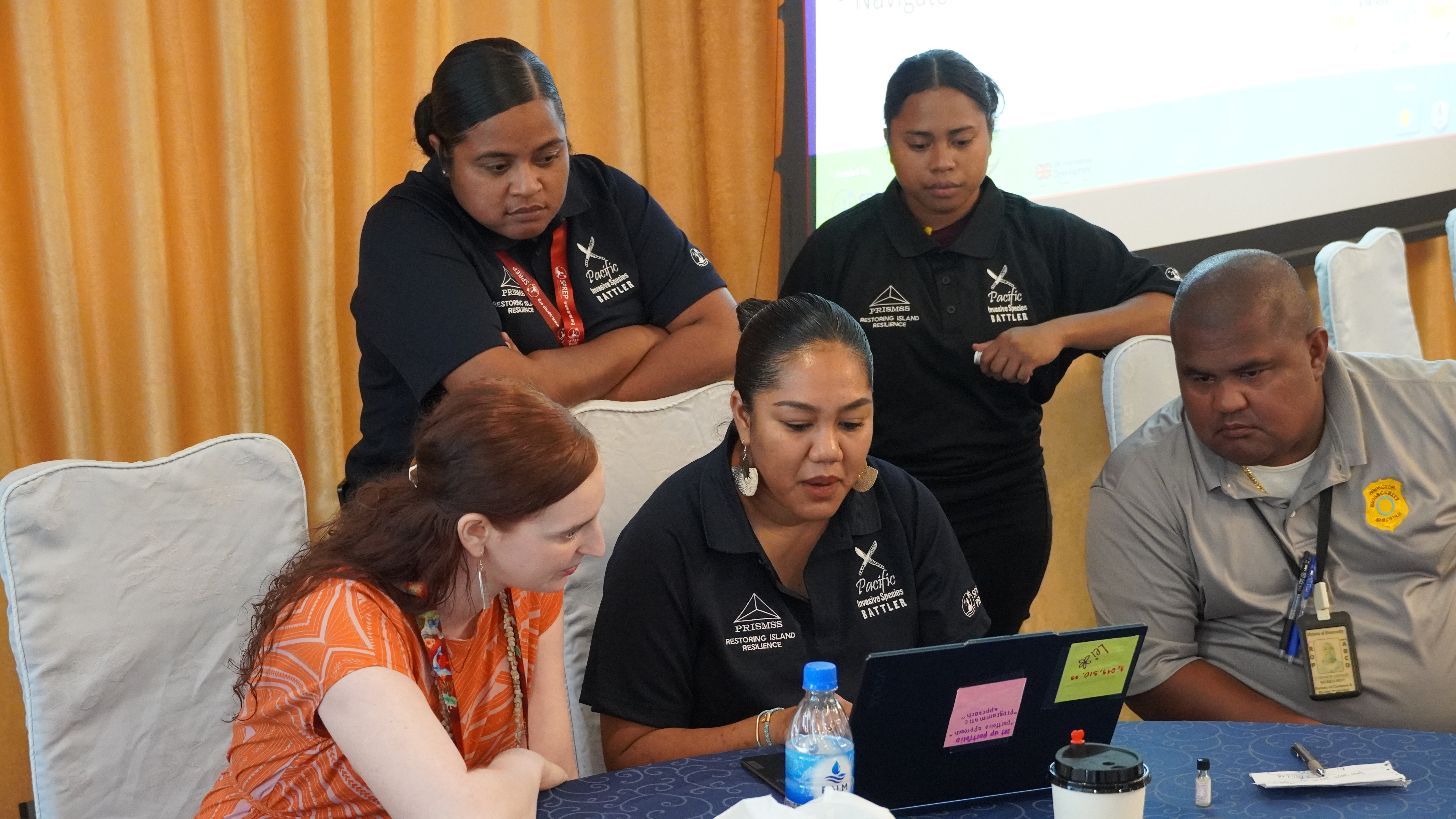
Ms. Lei Rengulbai, National Invasive Species Committee (NISC) Coordinator with the Koror Bureau of Environment-Palau Ministry of Agriculture, Fisheries and the Environment commented, “the opportunity to share experiences and learn from others is invaluable and we here in Palau have faced our own challenges with invasive species.”
“Hearing how other islands have overcome similar issues inspires us to strengthen our own management approaches.
“Networking through PILN allowed us to connect technical expertise with local realities and this collaboration ensures that best practices are not just discussed but applied in ways that protect our biodiversity and cultural heritage.”
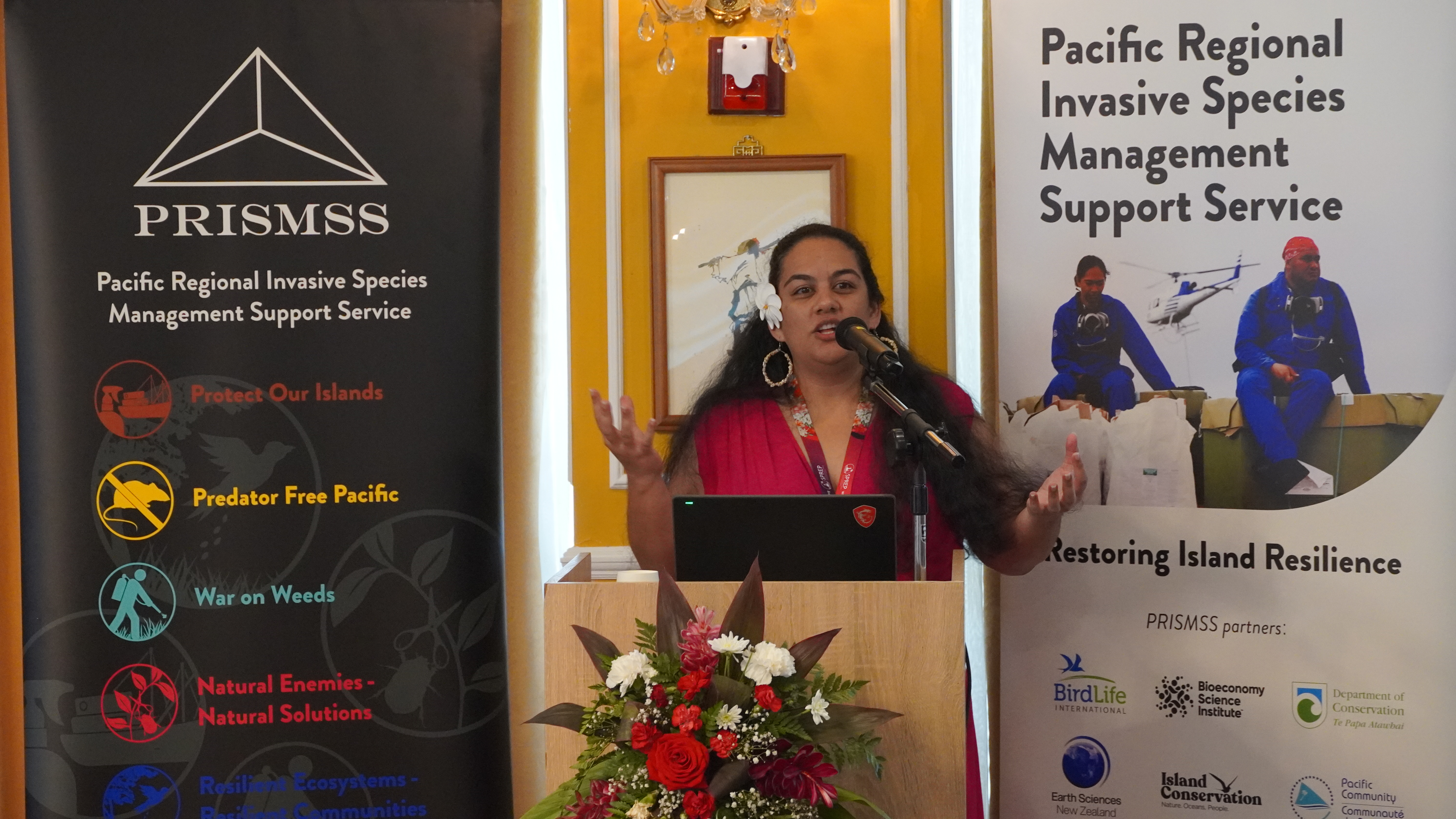
Ms. Tohei Theophilus, Deputy Director of the Direction de la Biosécurité de Polynésie française reflected, “attending this workshop in Palau has given me new insights into how other island countries are tackling invasive species.”
“These lessons will help us improve our own strategies while also contributing to a stronger Pacific-wide approach.
“The PILN network is more than just a meeting, it is a platform for building resilience and by sharing technical expertise and success stories, we are ensuring that our islands remain vibrant, our biodiversity protected and our communities secure.”
The return of PILN to Palau, two decades after its inaugural meeting, symbolizes resilience and continuity in the Pacific’s battle against invasive species. It also highlights how regional collaboration can amplify local action, ensuring that the Pacific’s contributions resonate globally.
Over 50 invasive species professionals and practitioners from across the Pacific region had converged to share successes, identify sustainable solutions, address critical issues and discuss ways to invigorate future networking and collaboration between Pacific Island Countries and Territories.
The PILN meeting was hosted by the government of Palau from 18 to 22 May 2026 and made possible with funding support from the New Zealand Ministry of Foreign Affairs and Trade, the United Kingdom International Development, SPREP and PRISMSS.
--------------------------------------------------------------------------------------------------------------------------
About PRISMSS - The Pacific Regional Invasive Species Management Support Service (PRISMSS) is a service designed to facilitate the scaling up of operational management of invasive species in the Pacific. PRISMSS brings together experts to provide support within the Pacific region with a focus on protection of indigenous biodiversity and ecosystem function. As a service provider, PRISMSS provides a comprehensive suite of support services in a cohesive, effective, efficient, and accessible manner to Pacific Island countries and territories.
Restoring Island Resilience (RIR): The PRISMSS - Restoring Island Resilience (RIR) is a New Zealand-PRISMSS collaboration project that aims to improve Pacific Island Countries and territories livelihoods and resilience to climate change by reducing the impact of invasive species on natural and agricultural ecosystems through the six PRISMSS programmes.
PRISMSS Powered by: New Zealand Foreign Affairs & Trade, United Kingdom International Development, GEF, United Nations Environment Programme & SPREP.
PRISMSS Partners: Bioeconomy Science Institute NZ, Birdlife International, Earth Sciences New Zealand, New Zealand Department of Conservation, Island Conservation, the Pacific Community and SPREP.
PRISMSS Programmes: Protect Our Islands (POI), Predator Free Pacific (PFP), War on Weeds (WOW), Natural Enemies Natural Solutions (NENS), Resilient Ecosystems Resilient Communities (RERC) and Protect Our Marine Areas (POMA).
For additional information please contact Mr Dominic Sadler, PRISMSS Manager on dominics@sprep.org or Mr Nitish Narayan, PRISMSS Communications & Liaison Officer on nitishn@sprep.org