

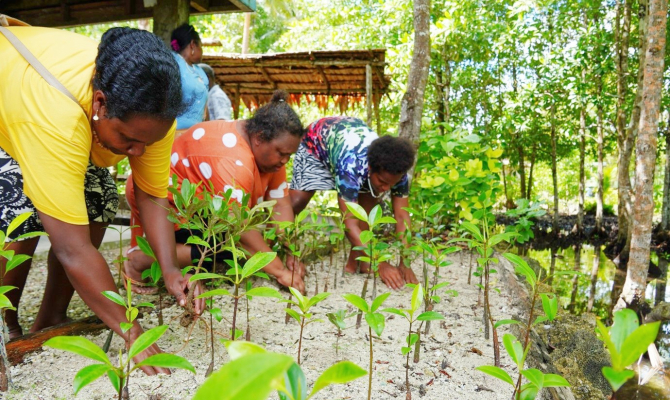
Honiara, Solomon Islands – Government officials, provincial representatives, civil society organisations and development partners are gathered in Honiara this week for a three-day Policy Advocacy Training on Nature-based Solutions (NbS) and Ecosystem-based Adaptation (EbA) aimed at strengthening the integration of ecosystem-based approaches into national planning, policy and budgeting.
The training, held from 8-10 July, is jointly organised by the Solomon Islands Ministry of Environment, Climate Change, Disaster Management and Meteorology (MECDM) through the Climate Change Division, and the Secretariat of the Pacific Regional Environment Programme (SPREP) under the Pacific Ecosystem-based Adaptation to Climate Change (PEBACC+) project with facilitation support from the UNDP GEF Small Grants Programme.
Opening the workshop, Ms. Agnetha Vave-Karamui, MECDM Deputy Secretary, said the training comes at a critical time as the Solomon Islands continues to face growing climate change impacts.
“Climate change continues to affect our communities, livelihoods, biodiversity, food security, water resources and infrastructure. NbS and EbA offer practical, cost-effective ways to strengthen resilience while protecting the ecosystems that sustain our people.”
Ms. Vave-Karamui said the country has already gained valuable experience through community-based implementation under the PEBACC+ project, but greater effort is needed to ensure those lessons influence national decision-making.
“We have seen encouraging results from EbA at the community and provincial levels. Our next challenge is ensuring these successes are reflected in national policies, development plans and investment decisions so they can be scaled and sustained.”
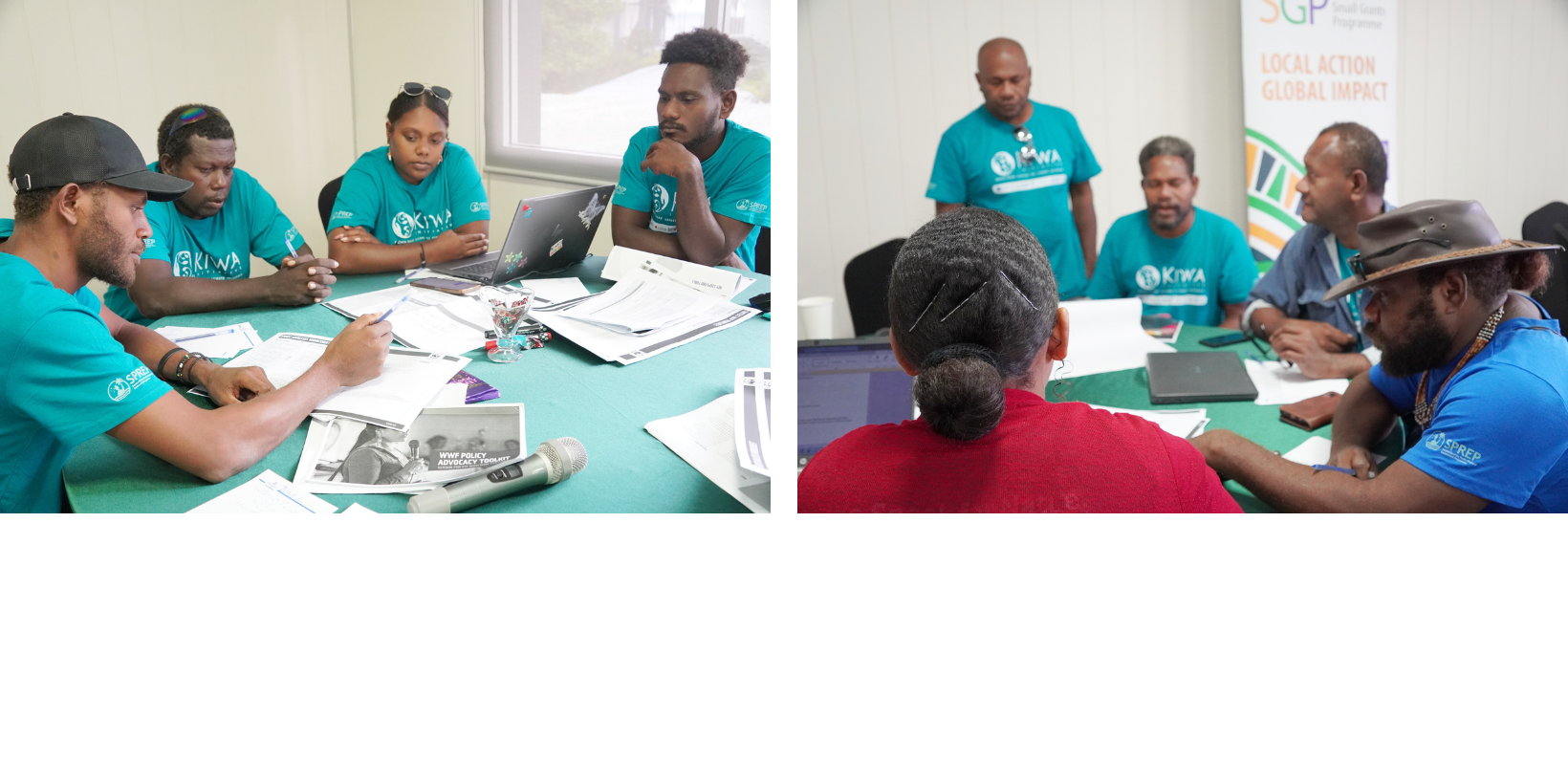
She said strengthening policy advocacy skills across government and partner organisations would help bridge the gap between implementation and policy.
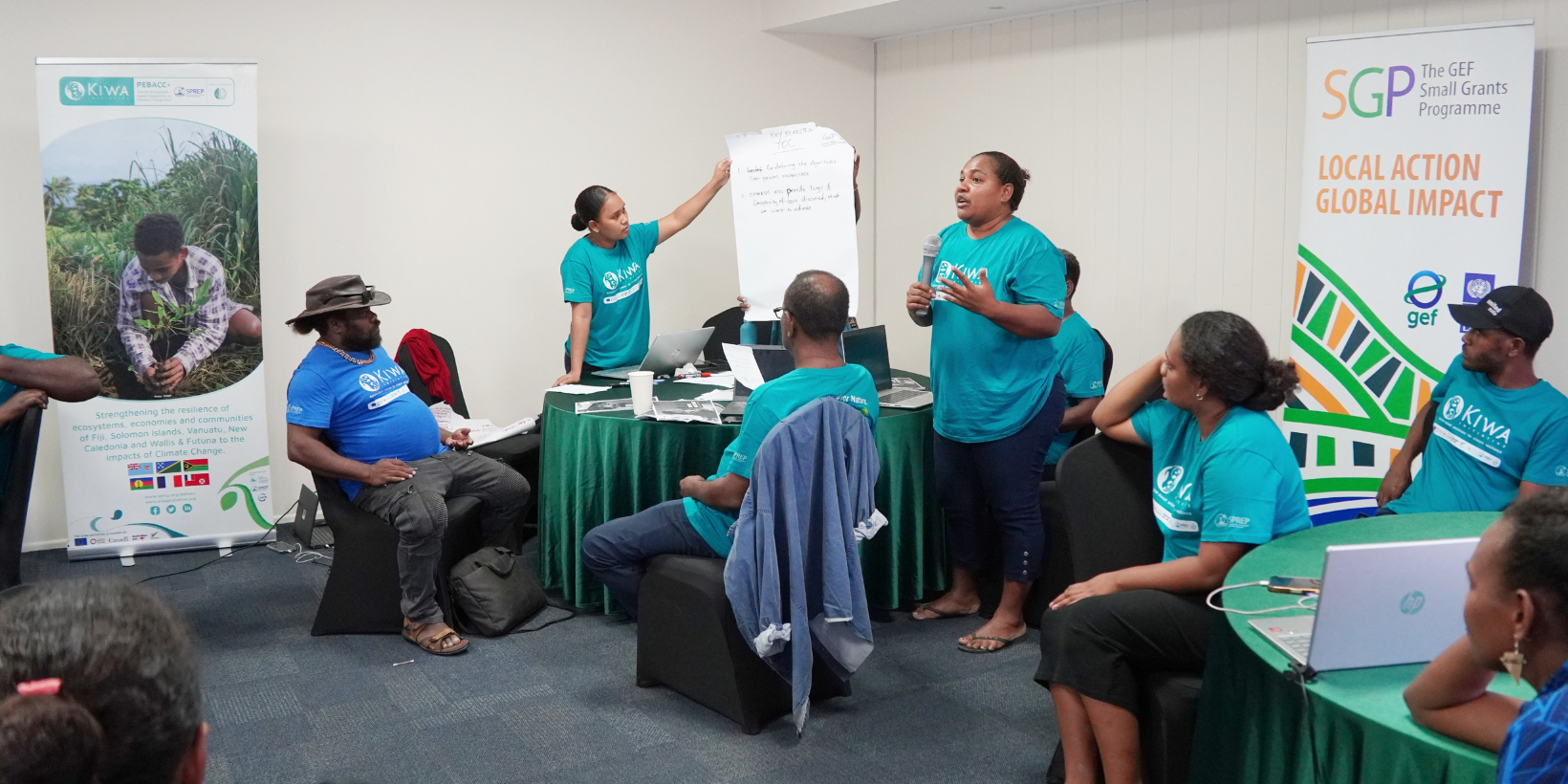
“This training equips participants with practical tools to understand policy processes, analyse stakeholders, develop strong advocacy messages and engage decision makers more effectively. Strong partnerships between national and provincial stakeholders will be essential to embedding NbS into our development agenda.”
The workshop brings together around 25 participants who will be guided through practical exercises using the WWF Policy Advocacy Toolkit, including problem analysis, stakeholder mapping, theory of change, advocacy planning, communication strategies and engagement with decision-makers.
Ms. Vave-Karamui also welcomed discussions that will explore how NbS can be better reflected in national decision-making. Although the Solomon Islands currently relies on the National Climate Change Policy 2023–2032 to guide this work, participants will consider whether the country would benefit from a dedicated NbS policy or whether further integrating these approaches into existing laws, policies and plans (such as Biodiversity, Forestry, etc.) would be the most effective path forward.
Joanne Aihunu, PEBACC+ Country Coordinator, SPREP, said the training marks an important step in ensuring that successful community-based climate adaptation efforts are translated into lasting policy change.
“Across the Solomon Islands, we have seen how NbS and EbA are helping communities strengthen their resilience to climate change while protecting ecosystems they depend on. Through this training, we want to equip government and partners with the skills to champion these approaches in policy and planning so that local successes can be scaled up and sustained at the national level.”
She said policy advocacy is essential to bridging the gap between implementation and decision-making.
"The PEBACC+ project has generated valuable knowledge and practical experience through on-the-ground implementation. By strengthening advocacy capacity, we can ensure those lessons are reflected in national policies, development plans and investment priorities, ultimately supporting more resilient communities and healthier ecosystems across Solomon Islands."
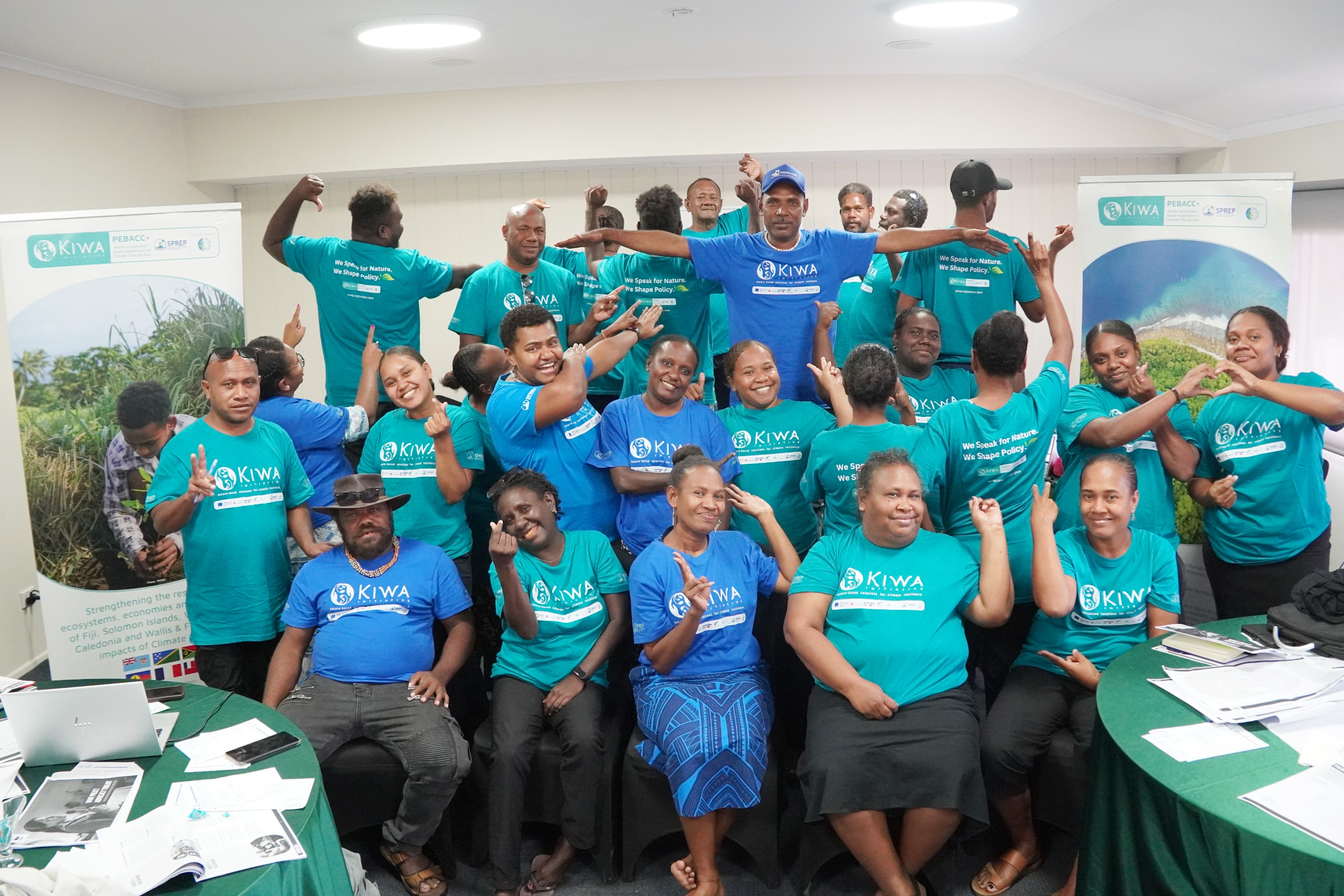
The PEBACC+ Project is implemented by SPREP and funded by the Kiwa Initiative through its donors, the European Union, Agence Française de Développement, Global Affairs Canada, Australian Government Department of Foreign Affairs and Trade, and New Zealand Ministry of Foreign Affairs and Trade, with co-financing from the French Facility for Global Environment.
---
For more information, contact: Setaita Tavanabola, PEBACC+ Communications Officer, SPREP; email: setaitat@sprep.org;