

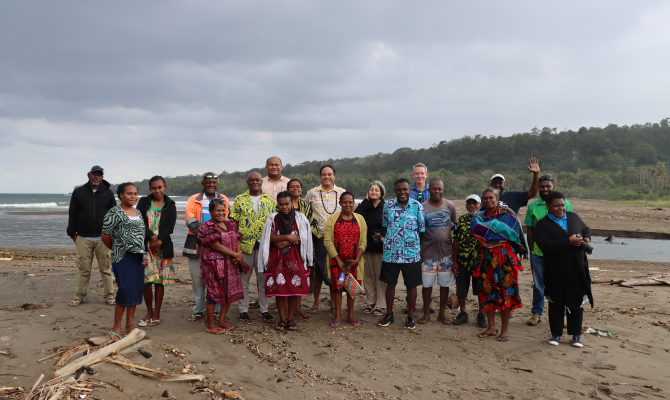
18 August 2026, Eratap, Vanuatu - The Eratap community in Vanuatu have taken the first steps on a national journey to building responses to climate induced loss and damage.
Held on 17 August 2026, a community consultation in Eratap highlighted the impacts they have felt as a result of climate change, and trends they have observed and how this has impacted the community.
The consultation is the first community engagement under the Building Our Loss and Damage (BOLD) Response Project in Vanuatu, where building national and community level understanding and evidence on loss and damage is a cornerstone of the project.
“Our community is really feeling the impacts of climate change, on our families, our resources and our livelihoods. Climate change is a big concept, and with our best efforts to recover from the impacts, it can be a challenge. It is therefore very important to build our knowledge on how we can adapt and respond to the changes, and these discussions will allow us to share the right information with our community”, said Eratap Chief Mr Kenneth Alban.
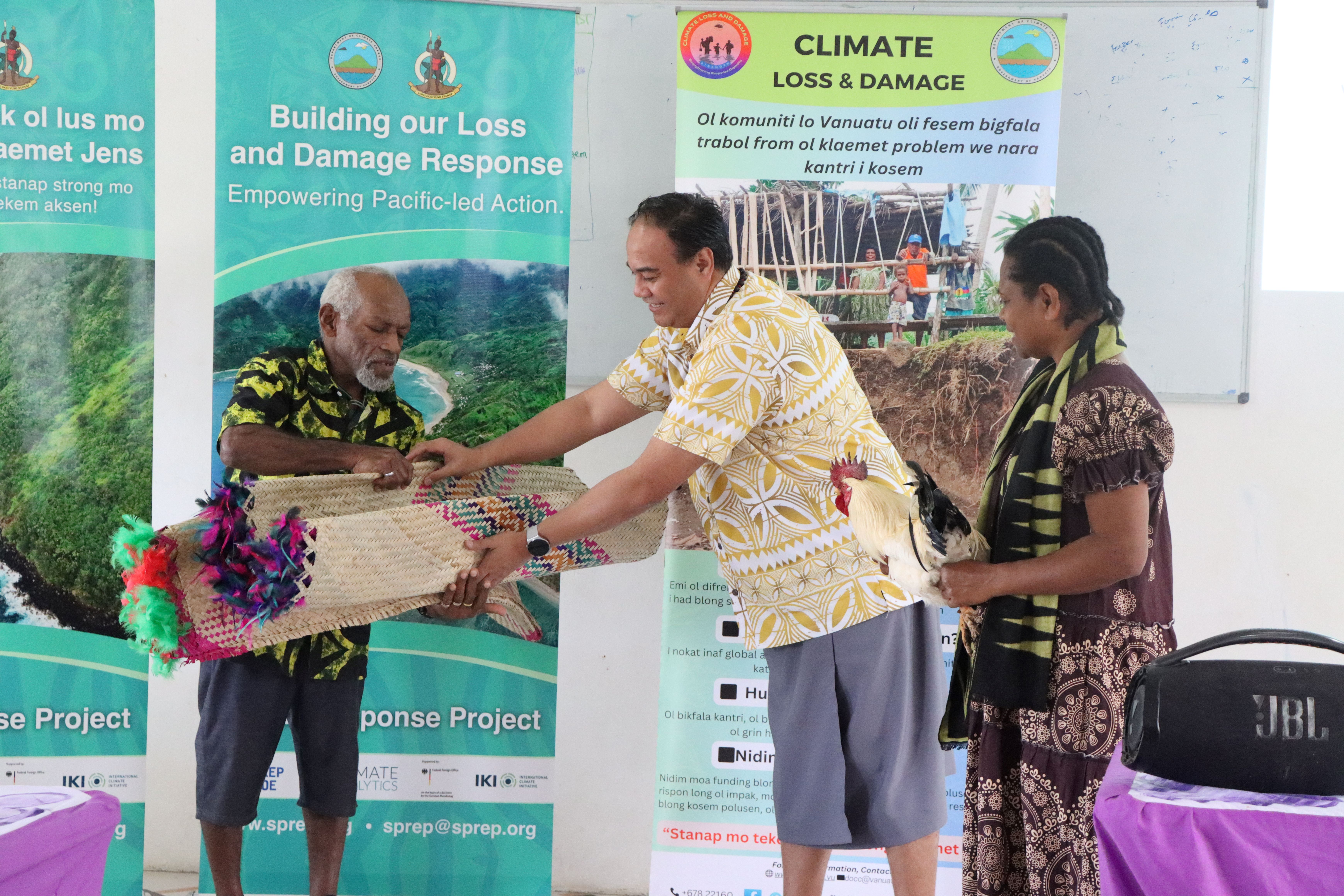
Eratap and neighbouring Teouma are high agricultural production regions, and the main suppliers of fresh market produce to Port Vila. The regions experience loss and damage annually and have significant climate vulnerability risk due to flooding, coastal inundation, erosion and other climate impacts.
Eratap community members also shared stories and their experiences of Non-Economic Loss and Damage (NELD), referring to the harmful and intangible impacts of climate change that cannot be easily financially measured, another cornerstone of the BOLD Response Project.
The consultation is an important component under the BOLD Response Project in Vanuatu, coordinated by the Department of Climate Change with technical support from the Secretariat of the Pacific Regional Environment Programme (SPREP) and Climate Analytics and follows the Vanuatu BOLD Inception Meeting held in February 2026 and a number of stakeholder engagements throughout the year. Stakeholders recognised that loss and damage affects all sectors and the BOLD Response Project is positioned to support national priorities on loss and damage.
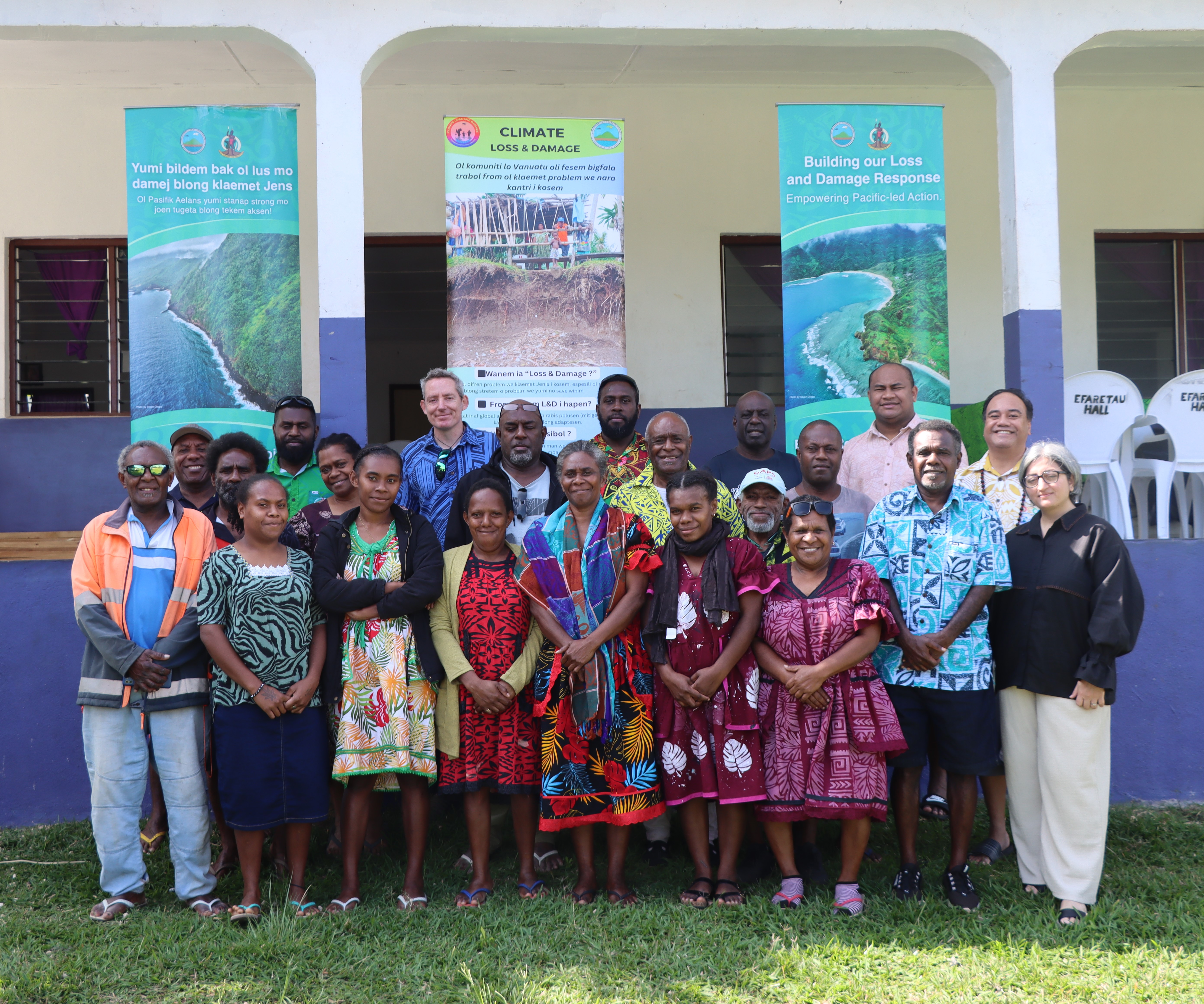
Ms Moirah Matou from the Department of Climate Change and Vanuatu BOLD Project Coordinator highlights the importance of sharing knowledge on building a response to loss and damage with communities.
“Agriculture and food systems is a prioritised sector under BOLD, and for Eratap, climate resilience can be enhanced through understanding how climate hazards impact agriculture, farming systems and food security”.
“While also helping communities understand NELD, including traditional practices, customary crops and community wellbeing”, Ms Matou said.
The consultation included a site visit to Shark Bay, where participants observed Teouma Beach and downstream Teouma River where coastal erosion and inundation impacts, and evidence of flooding damage could be seen.
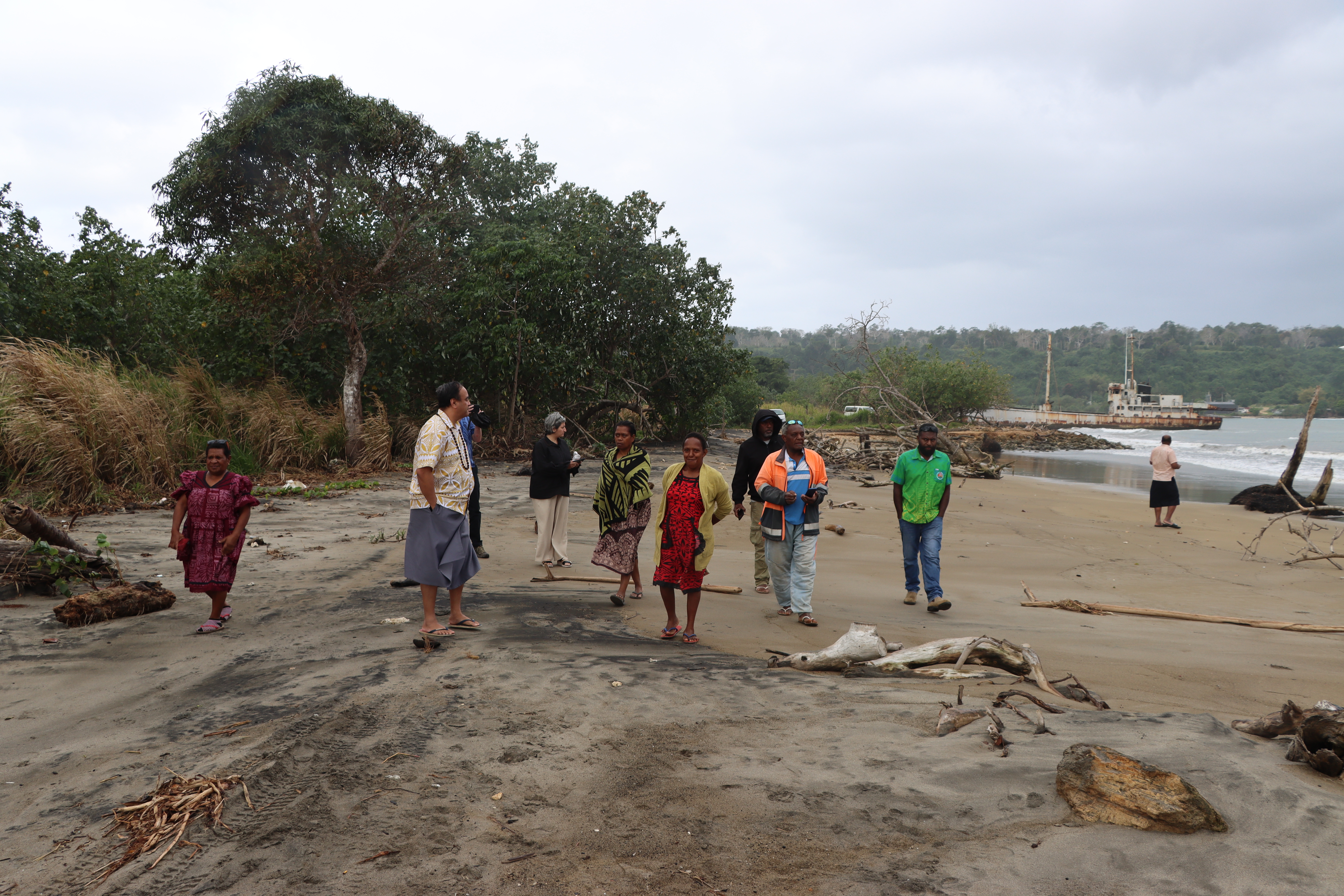
Upstream, the Teouma Bridge was recently reconstructed for the fourth time due to a changing landscape caused by flooding. Participants observed that up to 100m of the Teouma Beach had been washed out, and the landscape had largely changed over the last couple of years especially after major cyclones and flash flood events.
The consultation continues with a deeper dive into climate hazards and practical activities on the impacts on sectors and communities, to further enhance awareness and inform response activities.

The Building our Loss and Damage (BOLD) Response Project is a five-year project running from 2025 to December 2029 and is funded by the Federal Republic of Germany through its Federal Foreign Office, under the International Climate Initiative (IKI). The Eratap, Vanuatu BOLD Community Consultation is held from 17 -18 August 2026.
BOLD is implemented by a consortium led by the Secretariat of the Pacific Regional Environment Programme (SPREP) and Climate Analytics, across five Pacific Island countries Fiji, the Republic of the Marshall Islands, Samoa, Tuvalu, and Vanuatu.