

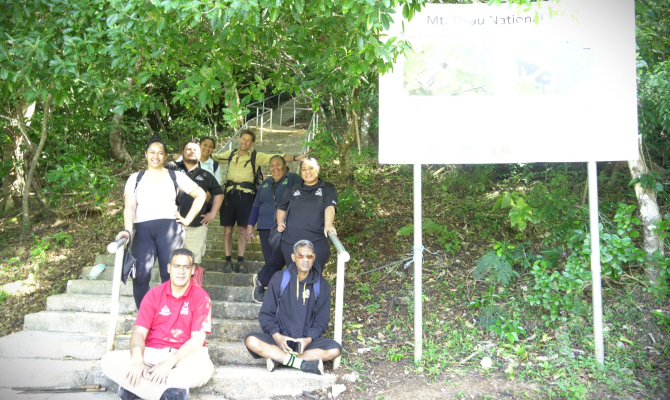
14 August 2026, Vava’u - As Tonga continues to strengthen national efforts to protect its unique biodiversity and ecosystems from the growing threat of invasive species, recognising the vital role of communities, traditional knowledge and inclusive participation has become increasingly important.
Effective invasive species management is not only dependent on innovative technologies and scientific approaches, but also on ensuring that the knowledge, experiences and perspectives of all community members are valued and incorporated into conservation actions.
Gender Equality, Disability and Social Inclusion (GEDSI) principles help ensure that no one is left behind in environmental decision-making, while Traditional Knowledge (TK) provides generations of locally grounded solutions and environmental understanding that remain highly relevant today.
By combining these approaches, Tonga is enhancing the effectiveness, sustainability, and community ownership of conservation initiatives. The Vava’u GEDSI and TK workshop was therefore an important step in strengthening local capacity, empowering community voices, and supporting more inclusive and culturally informed invasive species management efforts across the Kingdom.
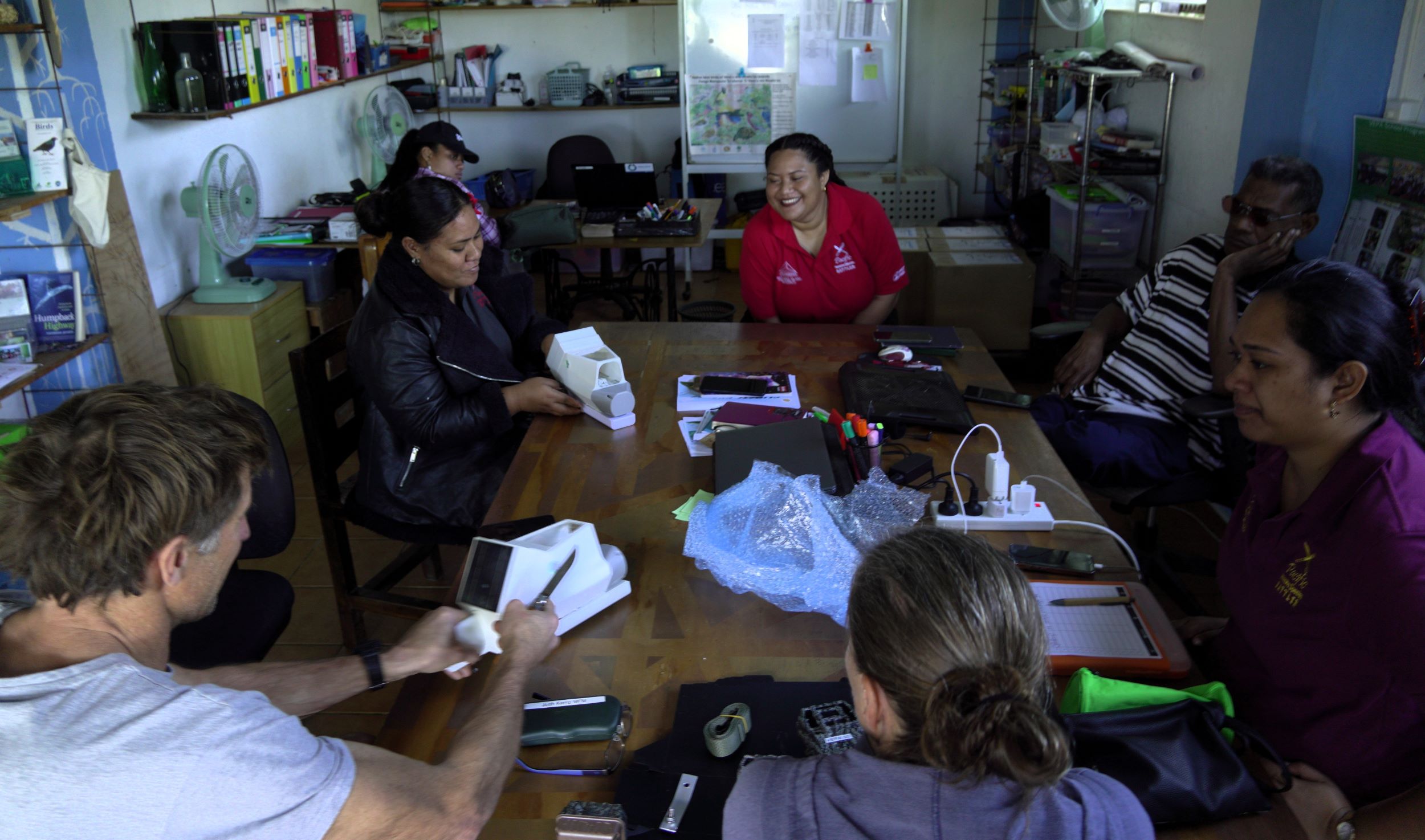
The GEDSI and TK workshop brought together 18 participants, including 15 women and three men, representing communities across the island and Vava'u Environmental Protection Association (VEPA) ambassadors actively involved in invasive species management on Mount Talau. The workshop created an opportunity for participants to explore how inclusive community engagement and traditional knowledge can strengthen conservation efforts and improve environmental outcomes.
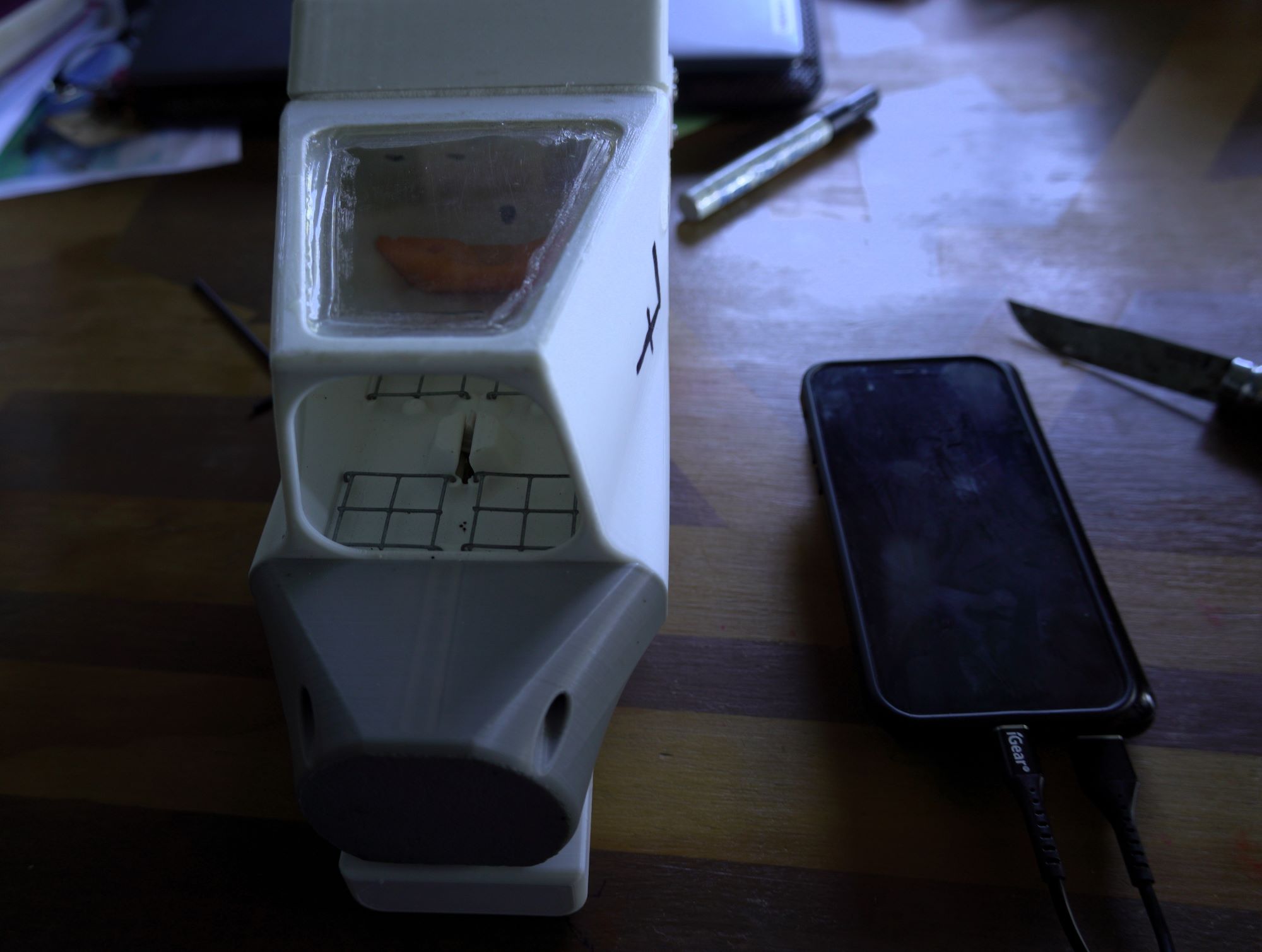
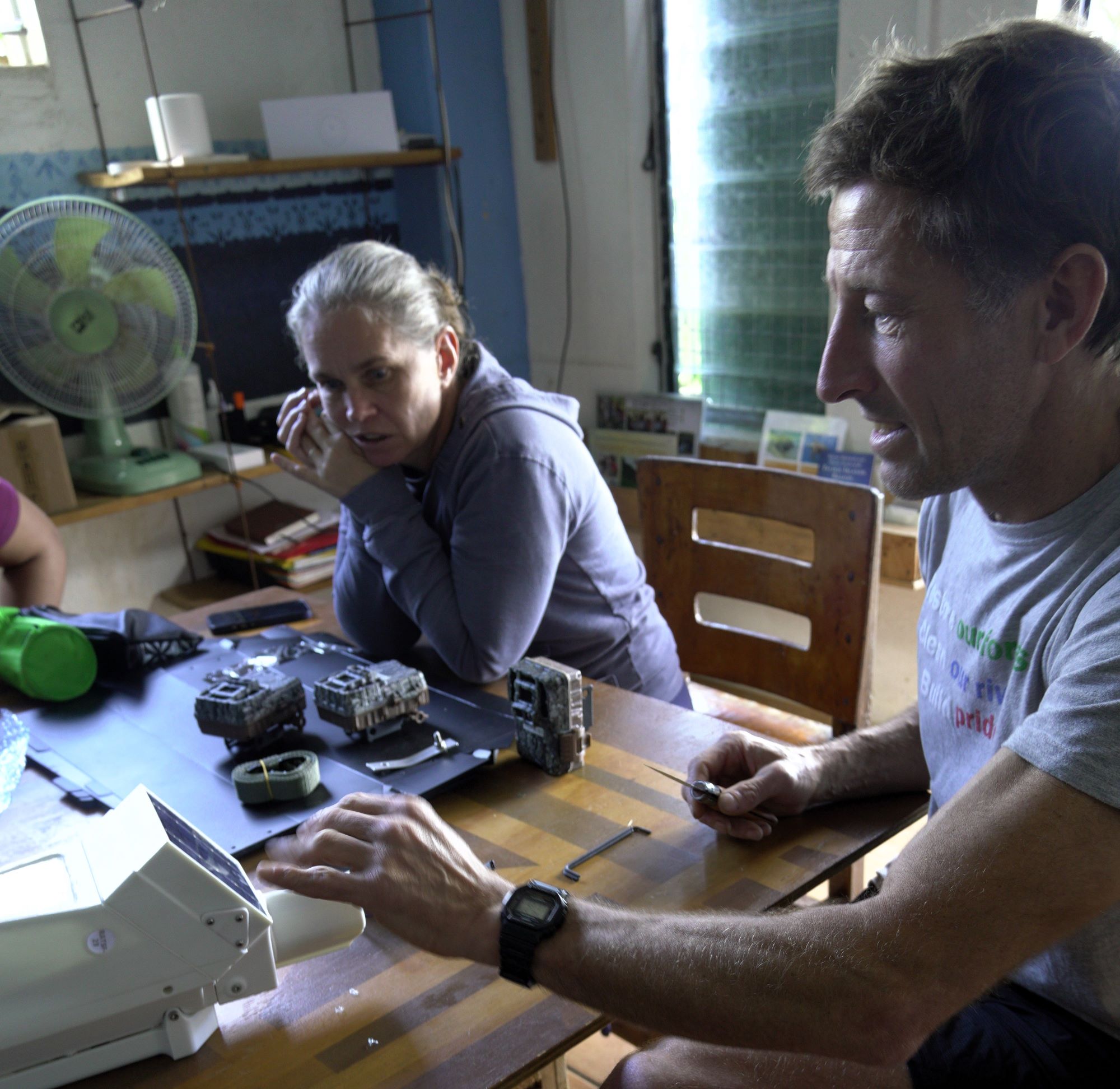
The workshop was aligned to Tonga strengthening its invasive species management capacity with the deployment and initial field trialling of the Spitfire rat management systems on Mt Talau in Vava'u, positioning it to explore the possibility of expanding automated invasive species management technologies to other priority conservation sites around the country where invasive rats continue to threaten biodiversity.
The deployment was led by Tonga's Ministry of Meteorology, Energy, Information, Disaster Management, Environment, Climate Change and Communications (MEIDECC) in partnership with VEPA and with technical support from SPREP and BirdLife International.
The mission was undertaken in late July, through the SPREP led Pacific Regional Invasive Species Management Support Service (PRISMSS) under the PRISMSS Resilient Ecosystems and Resilient Communities (RERC) programme. These initiatives are part of the PRISMSS Restoring Island Resilience (RIR) project funded by the New Zealand Foreign Affairs & Trade and United Kingdom International Development.
Throughout the workshop, participants examined the diverse groups that make up their communities and discussed the importance of ensuring that everyone has a voice in community development and decision-making processes. Men, women, youth, children, elders, people with disabilities, farmers, fishers, church members, weaving groups, and community committees were all recognised as important contributors to village life.
Participants highlighted the many roles community members play through farming, fishing, weaving, livestock management, household responsibilities, church activities, and service on local committees. They agreed that stronger and more sustainable outcomes can be achieved when all members of the community are given opportunities to participate and contribute.
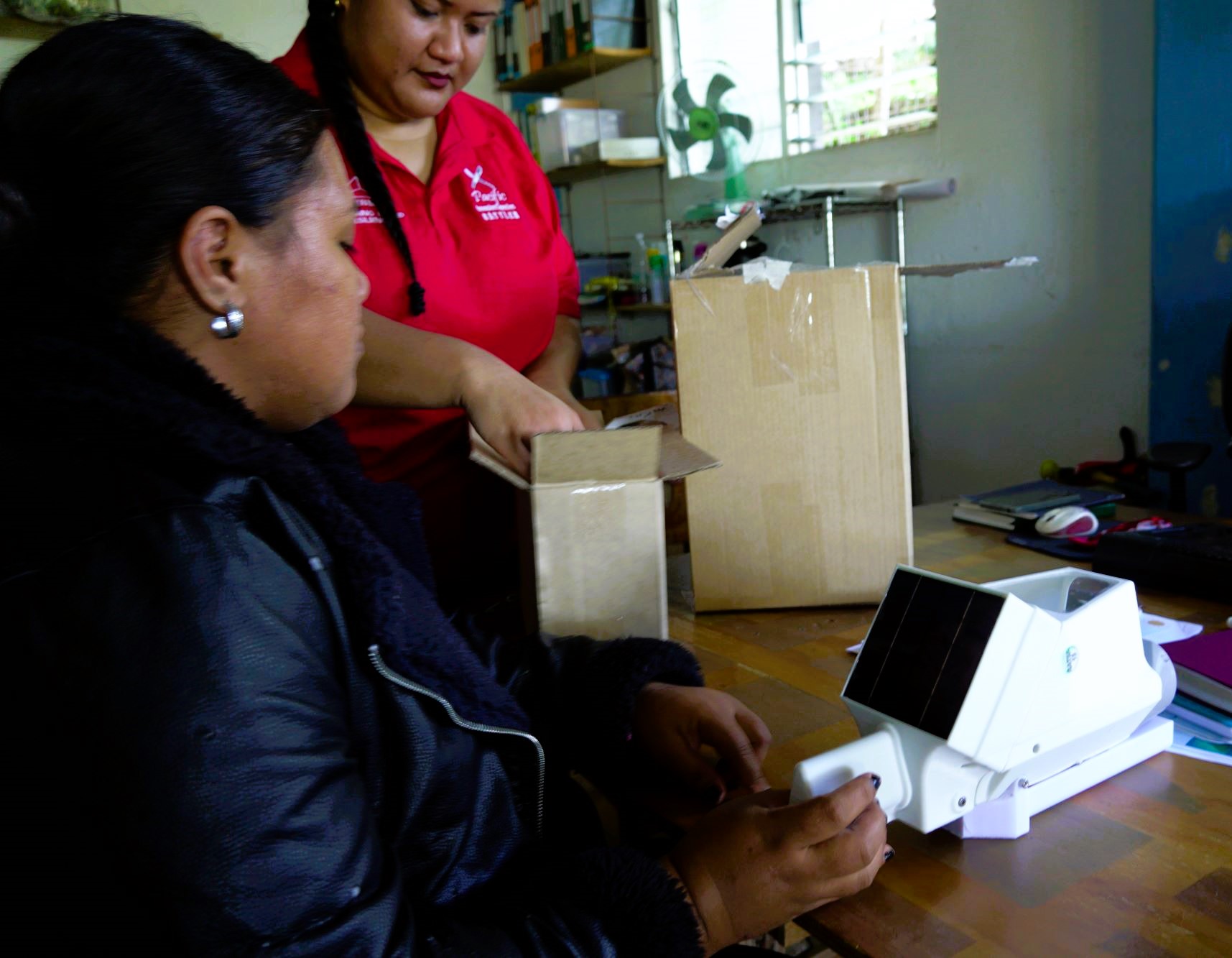
SPREP Invasive Species Officer, Mr Josef Pisi commented that, “discussions also identified groups that are often underrepresented in community activities, including women married into villages, youth, elderly people and persons with disabilities.”
“Participants stressed the need to create safe and inclusive environments where all voices can be heard, supported and valued and recommendations included providing leadership opportunities for women and young people, strengthening support systems for vulnerable groups and ensuring equal participation in discussions and decision-making processes.”
A key focus of the workshop was the role of TK in invasive species management. Participants shared practical techniques that have been used for generations, including attaching timber to coconut trees to prevent rat damage, keeping cats to control rat populations, removing rubbish that provides shelter for pests, and burning beneath fruiting trees to discourage invasive species.
These practices demonstrate how local knowledge continues to provide valuable and effective solutions to environmental challenges. Participants also shared traditional observations relating to lunar cycles and seasonal indicators.
The workshop also explored best practices for integrating GEDSI principles and traditional knowledge into conservation initiatives. Participants emphasised the importance of using local languages during awareness and consultation activities to ensure information is accessible to everyone.
They highlighted the need to work closely with town officers, community leaders, churches, and local organisations to encourage broad participation and strengthen community ownership of conservation activities.
Consulting separately with men, women, youth, and elders where appropriate was identified as an effective way to create safe spaces for discussion and ensure that different perspectives are heard. Community workshops, seminars, and door-to-door engagement were also recognised as valuable tools for reaching a wider audience and building capacity within communities.
The final reflection session provided participants with an opportunity to share personal insights gained throughout the workshop. Many reflected on the important role that churches and faith-based activities play in uniting communities and fostering inclusion.
Others spoke about the value of understanding GEDSI and TK as essential components of successful project planning and implementation. Participants agreed that projects are more likely to succeed when all members of the community are included and informed about their purpose and benefits.
Several powerful reflections captured the impact of the workshop on participants. A participant, Ms. Lopiseni Fifita, shared, “I came into the workshop with a childlike mindset, but after participating in the activities, I am happy to have learned about the importance of inclusion within the community.”
Another participant emphasised the connection between community participation and project success, noting that “when everyone in the community is included in workshops and given the opportunity to learn about the importance of GEDSI and TK, projects are more likely to be implemented smoothly and successfully.”
Participants also recognised the importance of preserving and transferring knowledge between generations. One participant reflected that “when communication is clear and TK is passed down through generations, valuable knowledge can be preserved and incorporated into invasive species management practices.”
A youth participant highlighted the responsibility of future generations, stating, “As a youth, I will benefit from the work done by previous generations. It is important for community leaders to set good examples in invasive species management and inspire younger generations to continue protecting and caring for their environment.”
The importance of family and collective action was another recurring theme as participants observed that family involvement can significantly strengthen conservation efforts, with one participant noting that “after the workshop, it is important to involve families in invasive species management. Support from family members, including spouses and children, can strengthen community participation and contribute to the success of invasive species management activities.”
Another participant reflected on the importance of unity, stating that “if the whole community works together as a strong and united group, including everyone in the process, all community members on Talau will become more aware of invasive species management and their role in protecting the environment.”
The workshop demonstrated that successful invasive species management is not solely dependent on technical interventions but also on the strength of community participation, the inclusion of diverse voices, and the recognition of traditional knowledge systems.
By embracing both GEDSI principles and traditional knowledge, communities in Vava’u are building stronger foundations for conservation, fostering social cohesion, and empowering current and future generations to protect and care for their environment.
The workshop enabled participants access to practical tools, renewed motivation, and a shared commitment to ensuring that conservation efforts are inclusive, culturally grounded and community-led.
About PRISMSS: The Pacific Regional Invasive Species Management Support Service (PRISMSS) is a service designed to facilitate the scaling up of operational management of invasive species in the Pacific. PRISMSS brings together experts to provide support within the Pacific region with a focus on protection of indigenous biodiversity and ecosystem function. As a service provider, PRISMSS provides a comprehensive suite of support services in a cohesive, effective, efficient, and accessible manner to Pacific Island countries and territories.
Restoring Island Resilience (RIR): The PRISMSS - Restoring Island Resilience (RIR) is a New Zealand-PRISMSS collaboration project that aims to improve Pacific Island Countries and territories livelihoods and resilience to climate change by reducing the impact of invasive species on natural and agricultural ecosystems through the six PRISMSS programmes.
PRISMSS Powered by: New Zealand Foreign Affairs & Trade, United Kingdom International Development, GEF, United Nations Environment Programme & SPREP.
PRISMSS Partners: Bioeconomy Science Institute NZ, Birdlife International, Earth Sciences New Zealand, New Zealand Department of Conservation, Island Conservation, the Pacific Community and SPREP.
PRISMSS Programmes: Protect Our Islands (POI), Predator Free Pacific (PFP), War on Weeds (WOW), Natural Enemies Natural Solutions (NENS), Resilient Ecosystems Resilient Communities (RERC) and Protect Our Marine Areas (POMA).
For additional information please contact Mr Dominic Sadler, PRISMSS Manager on dominics@sprep.org or Mr Nitish Narayan, PRISMSS Communications & Liaison Officer on nitishn@sprep.org