

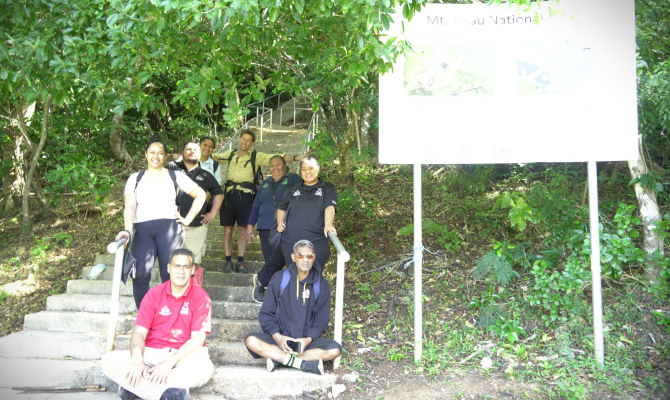
19 August 2026, Vava’u - Tonga has taken an important step in strengthening its invasive species management capacity with the deployment and initial field trialling of a rat management system on Mt Talau in Vava'u, positioning it to explore the possibility of expanding automated invasive species management technologies to other priority conservation sites around the country where invasive rats continue to threaten biodiversity.
The experience gained in Vava'u provides a strong foundation for scaling up these efforts and integrating invasive species management into broader ecosystem restoration and climate resilience programmes, while also generating important practical lessons on the suitability, installation, operation and monitoring of automated invasive species management technology in Pacific Island conditions.
The deployment was led by Tonga's Ministry of Meteorology, Energy, Information, Disaster Management, Environment, Climate Change and Communications (MEIDECC) in partnership with the Vava'u Environmental Protection Association (VEPA) and local conservation practitioners with technical support from SPREP and BirdLife International. BirdLife International led the deployment work, being the technical co-lead for the RERC programme in the animal management component alongside SPREP.
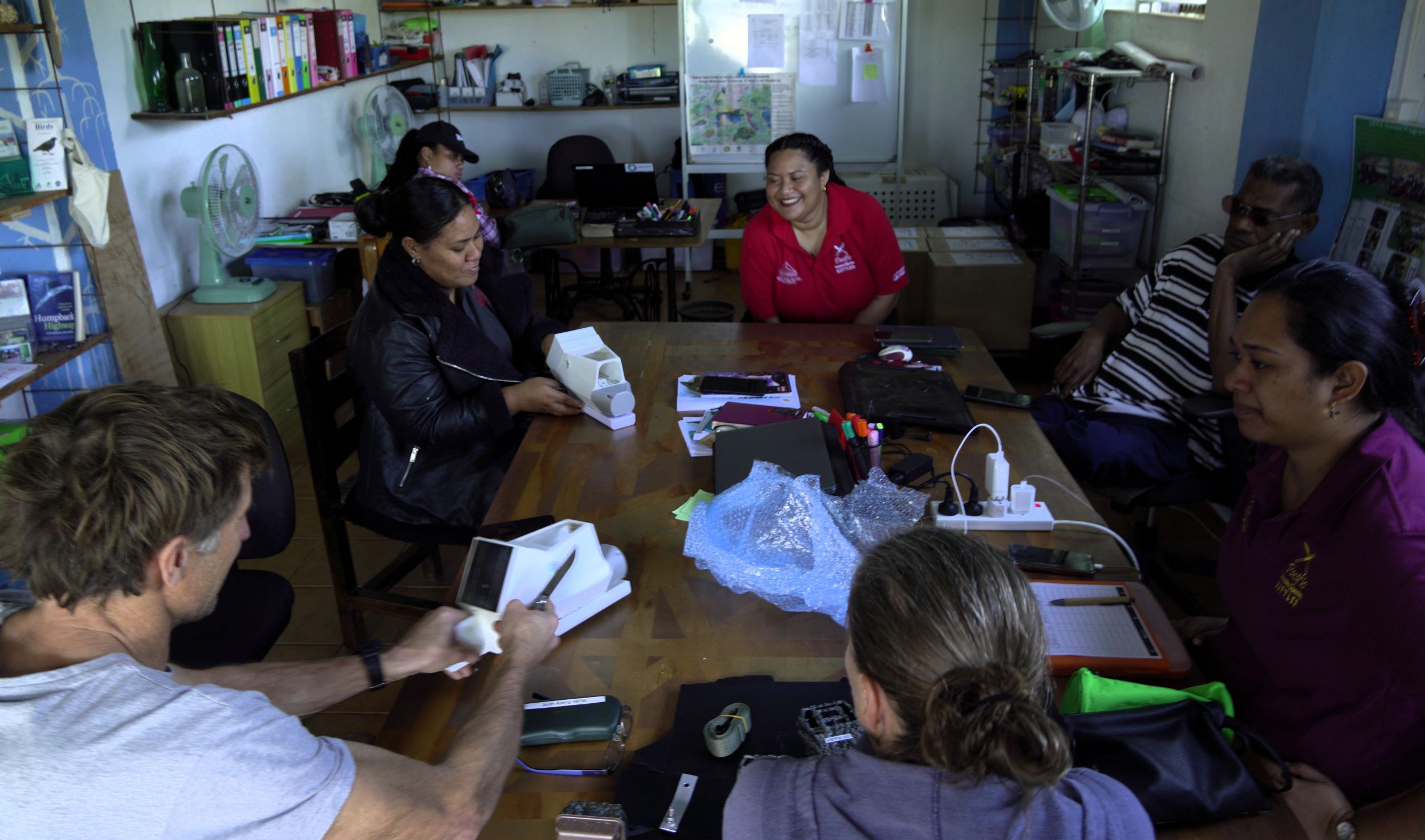
The mission undertaken in late July, through the SPREP led Pacific Regional Invasive Species Management Support Service (PRISMSS) under the PRISMSS Resilient Ecosystems and Resilient Communities (RERC) programme, reflects Tonga's commitment to protecting biodiversity, restoring ecosystems and building long-term environmental resilience. These initiatives are part of the PRISMSS Restoring Island Resilience (RIR) project funded by the New Zealand Foreign Affairs & Trade and United Kingdom International Development.
Invasive rats remain one of the greatest threats to island ecosystems across the Pacific, impacting native bird populations, disrupting forest regeneration and placing significant pressure on fragile ecosystems. Effective management of these invasive predators is critical to safeguarding important conservation areas such as Mt Talau, one of Vava'u's most significant natural sites.
National Invasive Species Coordinator based with MEIDECC, Mr Viliami Hakaumotu, commented that, “the field trial was a valuable opportunity for Tonga to test new technology for the first time under local conditions, while building the skills needed to assess its practicality, limitations and potential role in future invasive species work.”
“A key focus of the mission was ensuring that Tonga's conservation teams have the skills and confidence to independently manage the technology into the future and MEIDECC and VEPA personnel participated in practical, field-based training throughout the deployment, covering system installation, operation, maintenance, monitoring and troubleshooting.”
“By using a hands-on, learning-by-doing approach, participants gained direct technical expertise with the requirements of deploying and checking the units, as well as documenting technical issues encountered during setup and early monitoring so that they can inform future decisions and guidance,” he further added.
Community engagement also played an important role in the deployment. Local stakeholders were given opportunities to share their knowledge, experiences and perspectives on invasive species management and environmental stewardship.
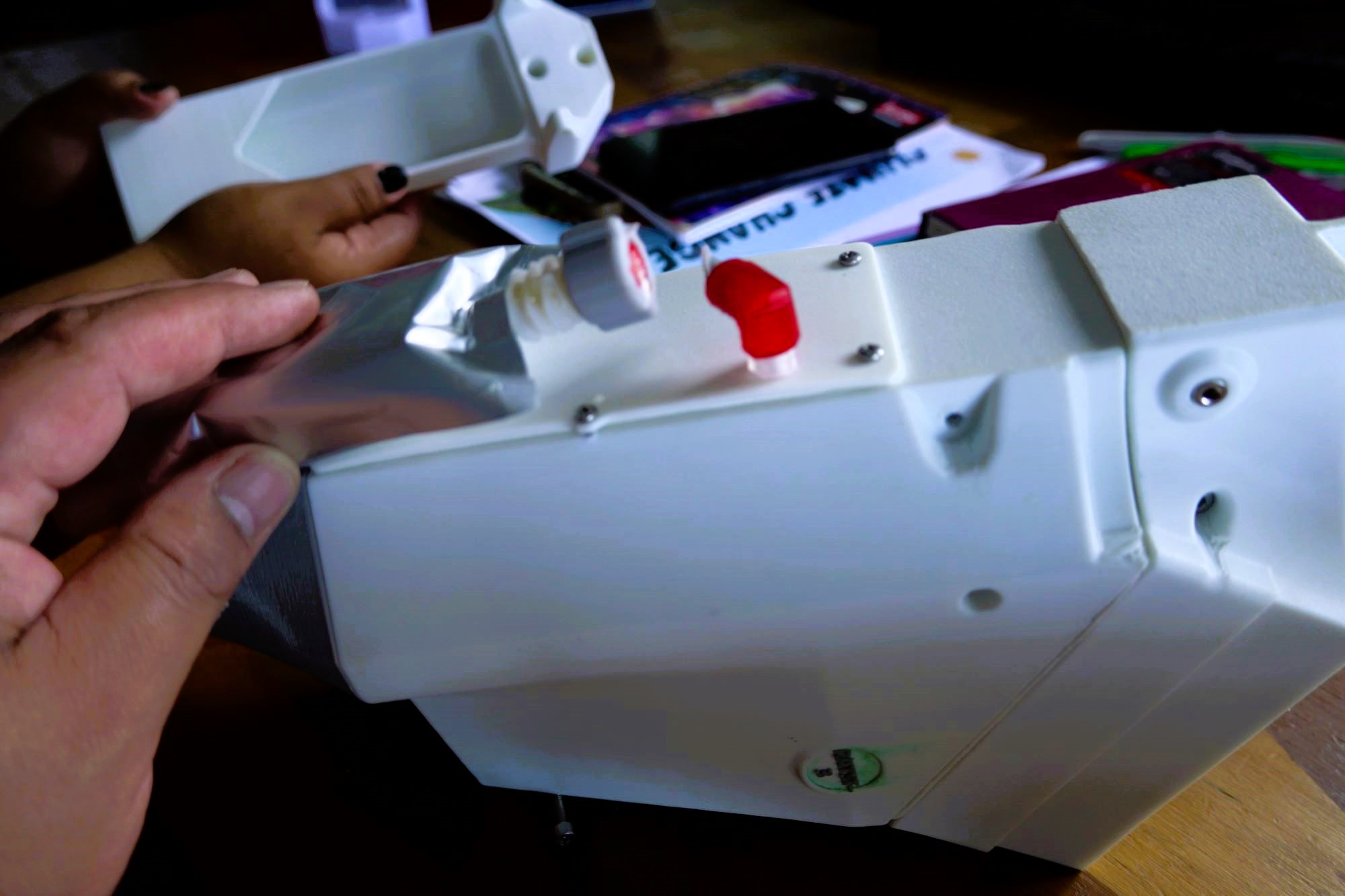
Traditional ecological knowledge was recognised as a valuable complement to scientific approaches and will help inform future conservation planning and management decisions. The programme further promoted inclusive participation by encouraging the involvement of women, youth and community representatives, helping to strengthen local ownership of conservation efforts and support more sustainable natural resource management.
Beyond the installation itself, the deployment contributes to broader regional learning and collaboration. Any future standard operating procedures or best-practice guidance should reflect the lessons from this field trial deployment, including the need for careful testing, safety review and adaptive management before wider implementation.
Monitoring is expected to remain central to the next stage of work. Trail cameras and device action histories can help assess whether rats interact with the systems, whether entries result in trigger events, and whether the devices can function reliably under Mt. Talau field conditions.
SPREP Invasive Species Officer, Mr Josef Pisi shared that, “this work responds to a common capacity gap in the Pacific, particularly where small conservation teams are working across large, remote or difficult-to-access areas.”
“The RERC programme is continuing to explore practical and innovative ways to support countries to manage invasive species more effectively, and new tools must therefore be tested carefully to determine whether they can reduce workload, strengthen monitoring and support evidence-based decision-making.”
“Healthy ecosystems play a vital role in maintaining biodiversity, supporting forest regeneration, stabilising soils, reducing erosion, improving water retention and protecting critical watershed functions.”
“These ecosystem services are increasingly important as Pacific Island countries face the growing impacts of climate change, including more frequent extreme weather events and changing rainfall patterns,” he further added.
The deployment also strengthens institutional and community resilience. Through training, knowledge transfer and practical experience, MEIDECC, VEPA and local conservation practitioners are building the expertise needed to manage future environmental challenges and support long-term ecosystem restoration efforts.
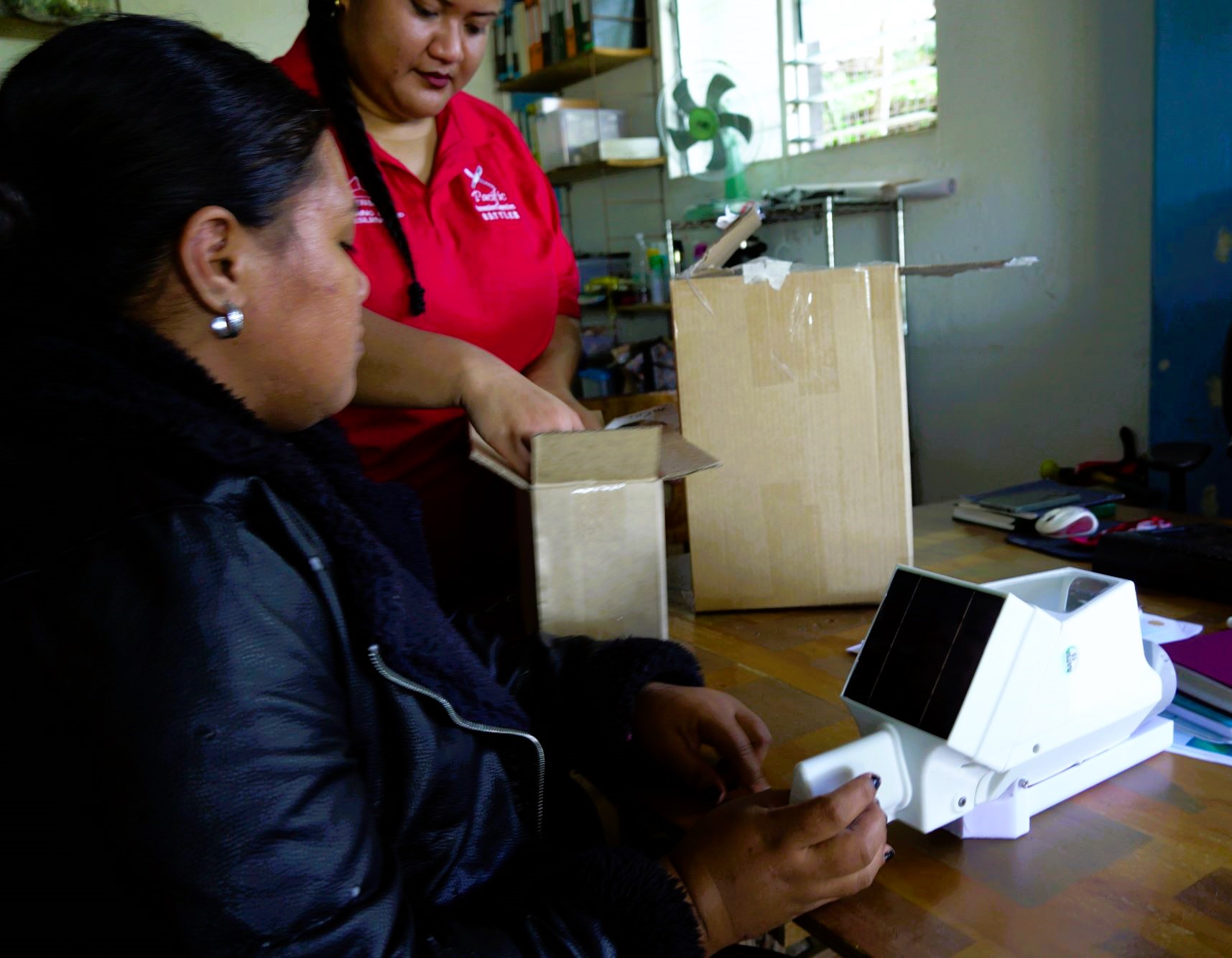
At the community level, greater participation in conservation activities helps foster environmental stewardship and ensures management approaches are informed by both scientific knowledge and local experience.
Looking ahead, Tonga's VEPA will focus will be on monitoring device performance, assessing safety and operational requirements, and determining whether the technology can support future invasive species management objectives.
The deployment of the rat management systems at Mt Talau for the first time is an important phase that has generated practical evidence, built local capacity and highlighted the need for evidence-based decision-making when considering new invasive species management technologies for Pacific Island environments.
By combining innovative technology with local leadership, capacity building and community engagement, Tonga is strengthening its ability to protect its natural heritage while contributing to regional efforts to build healthier, more resilient island ecosystems across the Pacific.
About PRISMSS: The Pacific Regional Invasive Species Management Support Service (PRISMSS) is a service designed to facilitate the scaling up of operational management of invasive species in the Pacific. PRISMSS brings together experts to provide support within the Pacific region with a focus on protection of indigenous biodiversity and ecosystem function. As a service provider, PRISMSS provides a comprehensive suite of support services in a cohesive, effective, efficient, and accessible manner to Pacific Island countries and territories.
Restoring Island Resilience (RIR): The PRISMSS - Restoring Island Resilience (RIR) is a New Zealand-PRISMSS collaboration project that aims to improve Pacific Island Countries and territories livelihoods and resilience to climate change by reducing the impact of invasive species on natural and agricultural ecosystems through the six PRISMSS programmes.
PRISMSS Powered by: New Zealand Foreign Affairs & Trade, United Kingdom International Development, GEF, United Nations Environment Programme & SPREP.
PRISMSS Partners: Bioeconomy Science Institute NZ, Birdlife International, Earth Sciences New Zealand, New Zealand Department of Conservation, Island Conservation, the Pacific Community and SPREP.
PRISMSS Programmes: Protect Our Islands (POI), Predator Free Pacific (PFP), War on Weeds (WOW), Natural Enemies Natural Solutions (NENS), Resilient Ecosystems Resilient Communities (RERC) and Protect Our Marine Areas (POMA).
For additional information please contact Mr Dominic Sadler, PRISMSS Manager on dominics@sprep.org or Mr Nitish Narayan, PRISMSS Communications & Liaison Officer on nitishn@sprep.org