

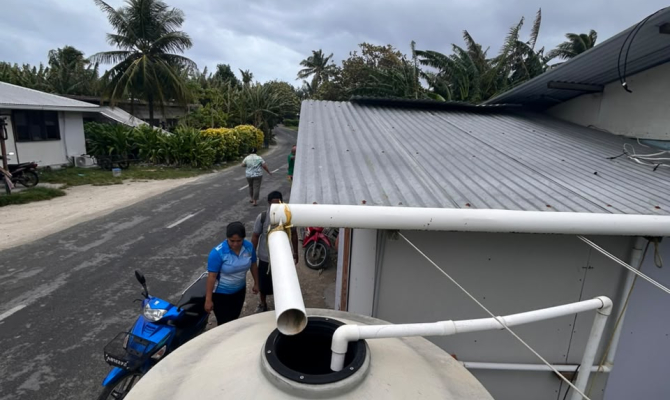
31 July 2026, Funafuti - The Secretariat of the Pacific Regional Environment Programme (SPREP) is working with the Government of Tuvalu to assess whether rooftop solar photovoltaic (PV) systems have any measurable impacts on the quality of rainwater harvested from rooftops in Funafuti.
The initiative supports Tuvalu’s climate commitments under its Nationally Determined Contributions (NDCs) while strengthening understanding of the relationship between renewable energy infrastructure and water security, two national priorities that increasingly share the same rooftop infrastructure.
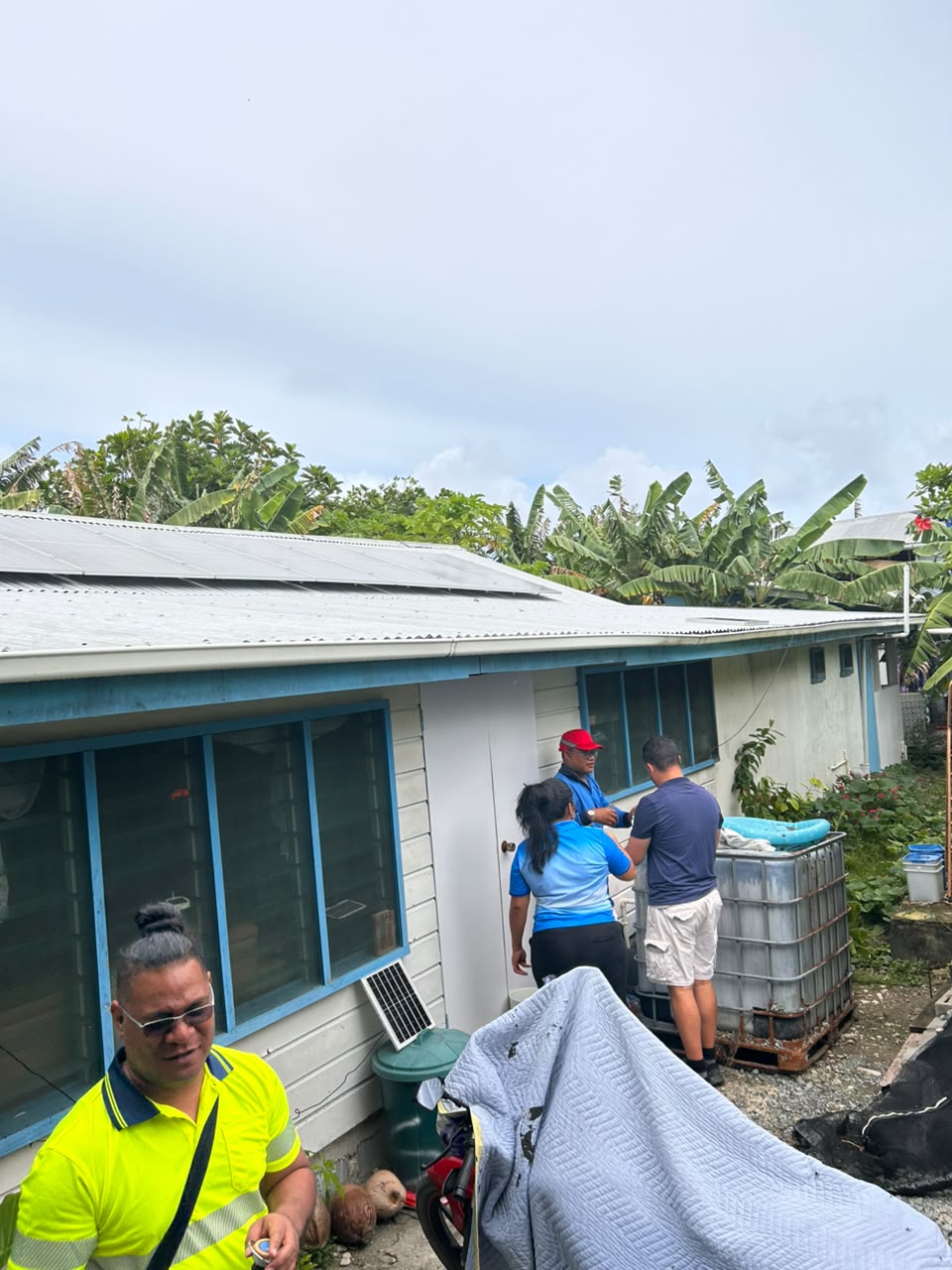
Rooftop rainwater harvesting remains the primary source of freshwater for households and communities across Tuvalu. As rooftop solar installations continue to expand in the country’s push towards renewable energy and climate goals, the collaboration seeks to understand how these two critical systems interact and whether rooftop PV installations affect harvested rainwater quality over time.
A key step was the “Technical Case Study on Rooftop Solar Photovoltaic (PV) systems in Tuvalu” inception workshop facilitated by SPREP, through the Regional Pacific NDC Hub, in partnership with Tuvalu Climate Change Department (CCD). The workshop held in Funafuti brought together government agencies, utilities, community representatives, development partners and other stakeholders to discuss the project objectives, methodology and implementation arrangements.
Representatives from Tuvalu Climate Change Department highlighted the importance of the study in providing evidence-based information to support future policy and investment decisions in both the water and energy sectors.
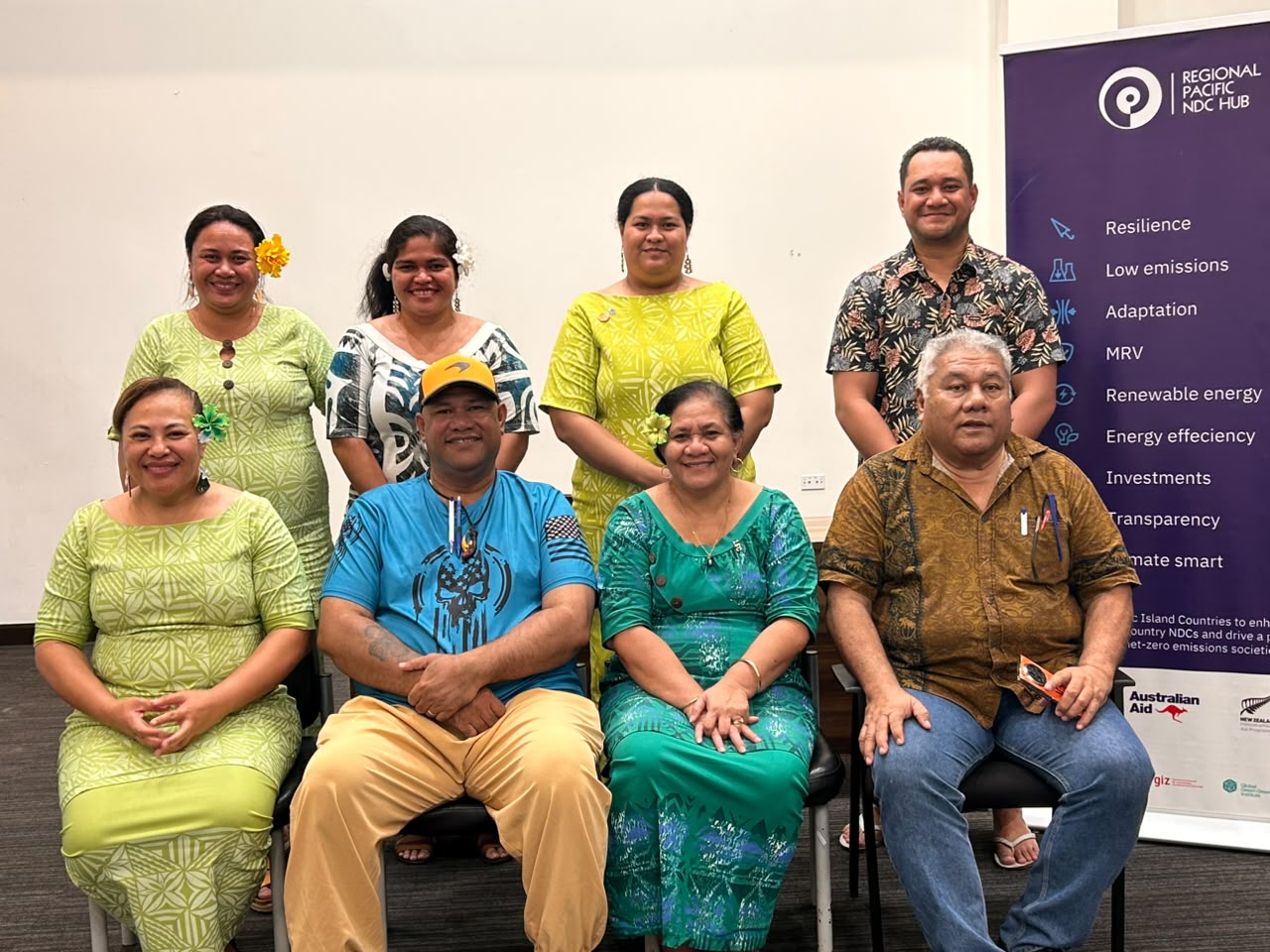
“As we continue to expand rooftop solar installations to meet our NDC targets, it is essential that we fully understand any potential impacts on the quality of the rainwater that our communities rely on every day,” said Director Mr Jaime Ovia.
“The findings will provide valuable evidence to guide future policy, investment and infrastructure decisions, ensuring that our transition to clean energy also safeguards the health and wellbeing of the Tuvalu people”
The participants also shared perspectives on renewable energy development, rainwater harvesting systems and water quality management in Tuvalu.
The study will combine scientific field assessments, laboratory analysis and stakeholder engagement to compare water quality from rooftops with solar PV systems and rooftops without solar PV systems. It will also assess whether factors such as panel condition, age and corrosion influence water quality outcomes.
SPREP Climate Change Mitigation Advisor, Ms Vanda Faasoa-Chan Ting highlighted that the study would help address an important knowledge and information gap for Tuvalu and the wider Pacific region.
“The findings of this study will support and inform decision-making and practical recommendations that enable Tuvalu to pursue its renewable energy ambitions while safeguarding the freshwater resources that communities depend on every day,” she said.
During the consultations and one-on-one meetings, representatives from the Government of Tuvalu, SPREP and the Consultancy team discussed the project objectives, implementation activities, expected outcomes and opportunities to strengthen collaboration.
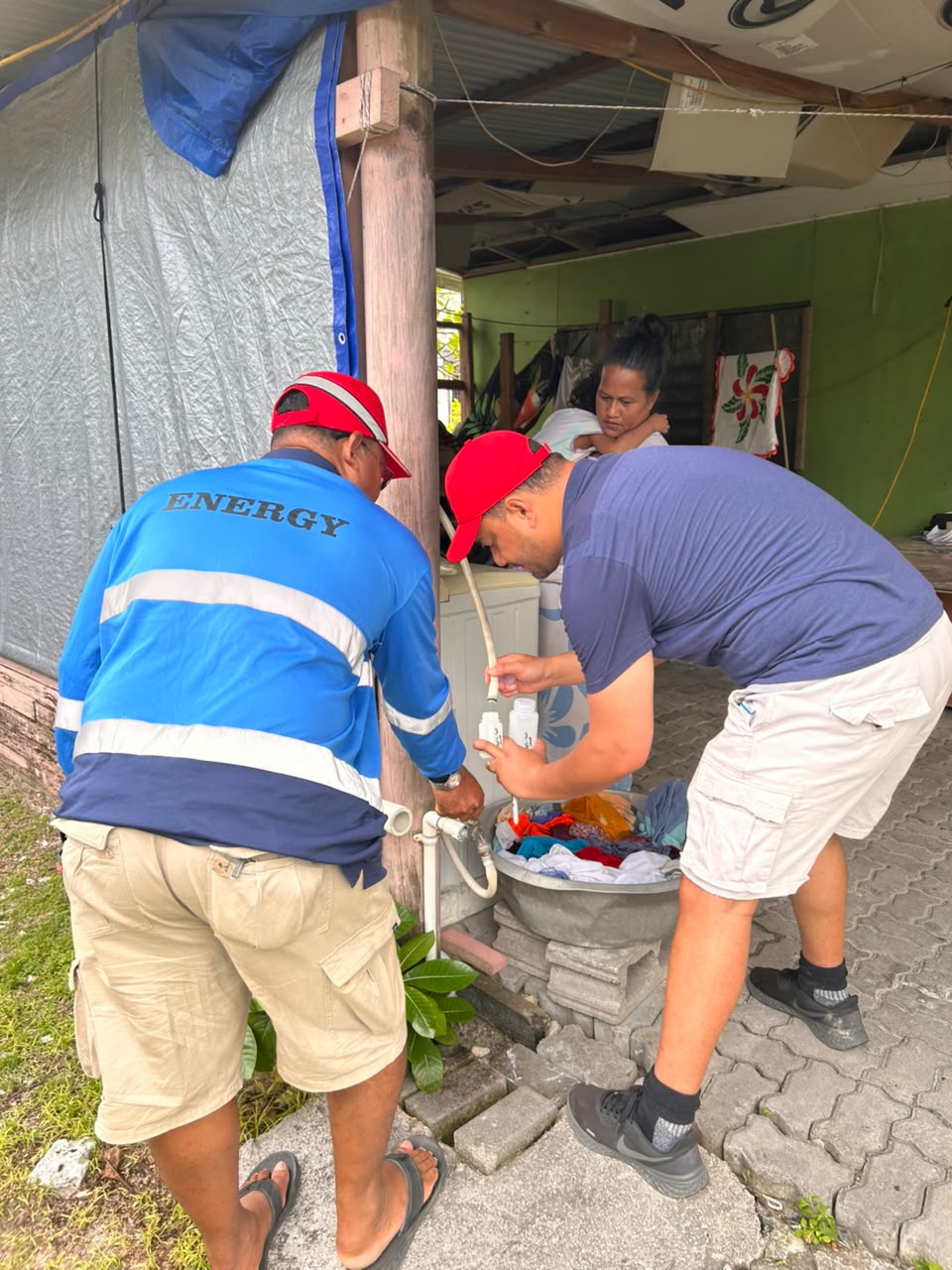
Key field activities included water sampling, laboratory testing, assessment of rooftop solar installations and engagement with selected households and communities. The results from this study will contribute to recommendations supporting both renewable energy deployment and the protection of Tuvalu’s water resources.
SPREP acknowledges the valuable contribution of all stakeholders and partners, including the Government of Australia, SPC, Tuvalu Climate Change Department and the consultancy team from Teulava Consultancy.
For more information, contact Ms Vanda Faasoa Chan-Ting, Climate Change Mitigation Advisor vandac@sprep.org or Ms Toiata Apelu – Uili, Pacific NDC Technical Officer toiatau@sprep.org