

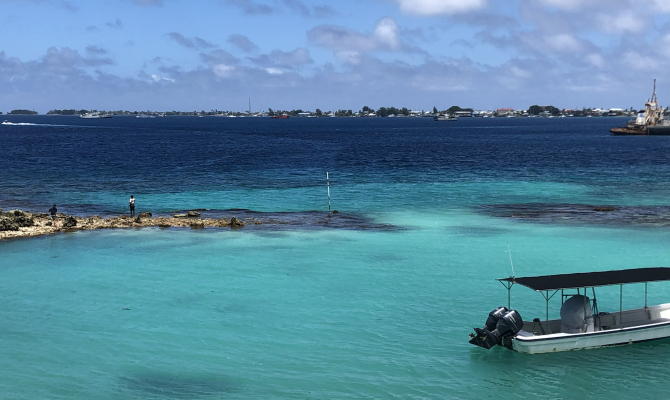
3 August 2026, Majuro - The Republic of the Marshall Islands is taking the next step in its efforts to tackle plastic pollution by strengthening its legislation to address a wider range of problematic single-use plastic products.
While the country was among the first Pacific Island nations to ban the importation, manufacture, sale and distribution of Styrofoam cups and plates, disposable plastic cups and plates, and plastic shopping bags under the Styrofoam Cups and Plates, and Plastic Products Prohibition, and Container Deposit Act 2016, plastic pollution continues to pose a significant challenge.
Limited land availability, increasing reliance on imported goods and constrained waste management infrastructure have resulted in plastic waste accumulating in landfills, littering coastlines and threatening the country's fragile marine environment.
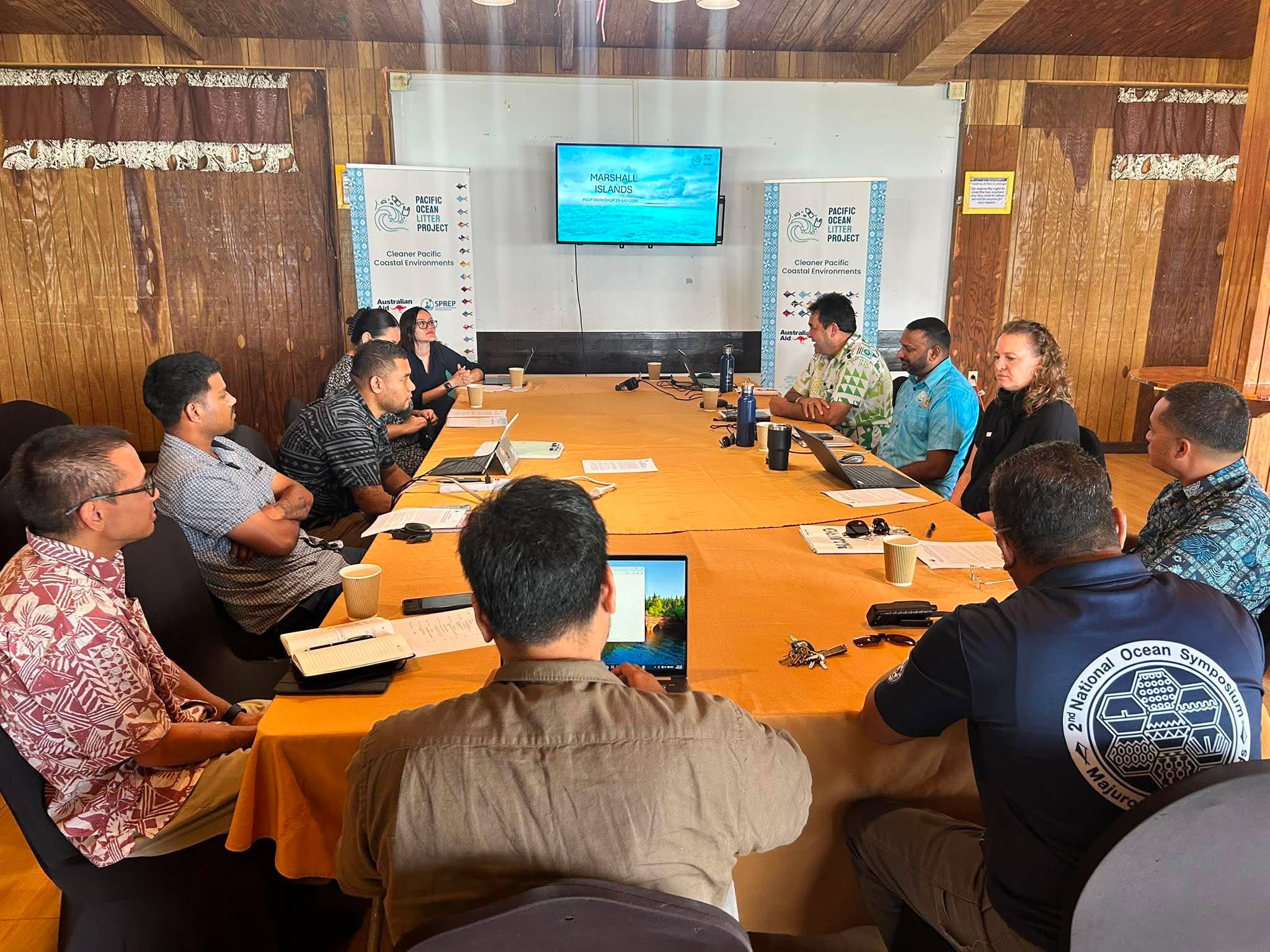
To address these growing challenges, the Republic of the Marshall Islands Environmental Protection Authority (RMIEPA), with support from the Australian Government-funded Pacific Ocean Litter Project (POLP), convened a national workshop in Majuro this week. The workshop brought together 20 representatives from government agencies and key stakeholders to begin consultations on expanding the country's existing single-use plastics legislation.
The proposed amendments seek to broaden the list of prohibited products to include plastic straws, plastic utensils, coloured single-use plastic cups and plates, and clear single-use plastic products marketed as biodegradable, including cups, plates, takeaway containers and shopping bags.
Participants also agreed to progress the establishment of a national Waste Management Technical Working Group to support implementation of the strengthened legislation and coordinate national efforts to reduce single-use plastics.
The Deputy General Manager of RMIEPA, Ms Beverly Johnson, said strengthening the legislation is a critical step towards protecting the country's environment and future generations.
"Our existing legislation has laid an important foundation, but the plastic products entering our markets and environment continue to evolve. Expanding the Act will help address today's most common sources of plastic pollution. This work we do with single-use plastic is hard, but relevant and important for the country and the future of our children,” she said.
Alongside legislative reform, the initiative recognises that long-term success depends on informed and engaged communities.
A second component of the programme will focus on increasing awareness, support and motivation to reduce single-use plastics through community consultations and school outreach programmes, with a particular focus on women, youth and vulnerable populations.
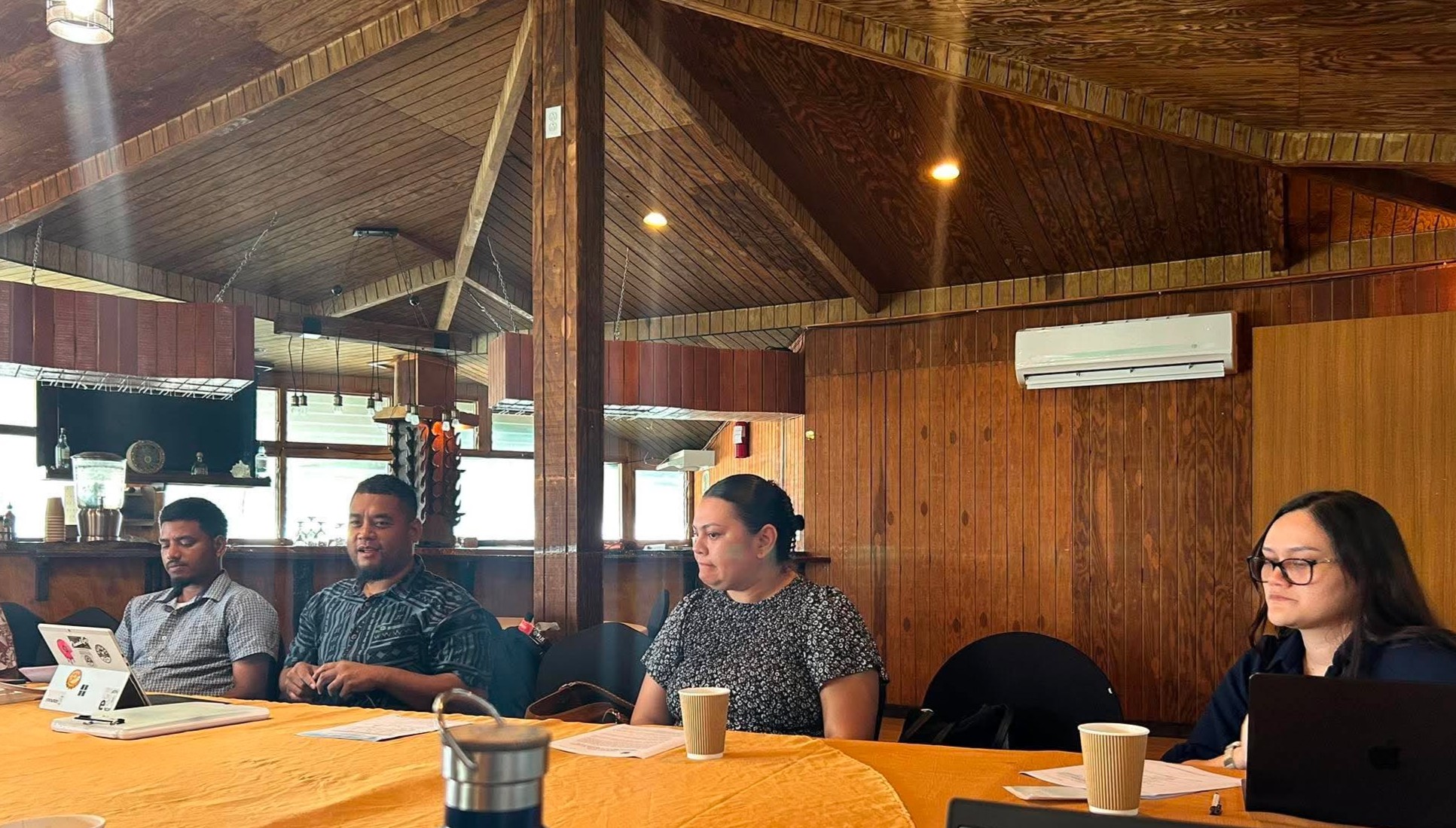
The Project Manager of POLP, Mr Andrea Volentras, said legislation and community action must go hand in hand.
"Laws create the framework for change, but lasting impact happens when communities understand why change matters and are empowered to be part of the solution. By combining stronger legislation with education and awareness, we can help people understand the proposed changes, the impacts of plastic pollution on our environment, and the practical actions they can take at home, in schools and across their communities,” he said.
Following the workshop, the legislative amendment process will continue with the drafting of the proposed changes, followed by Cabinet consideration and wider stakeholder consultations. These consultations will ensure government agencies, businesses and communities have the opportunity to contribute before the amendments are finalised.
Funded by the Australian Government and implemented by the Secretariat of the Pacific Regional Environment Programme (SPREP), POLP supports Pacific Island countries to transition away from problematic single-use plastics through policy and legislative reform, behaviour change, private-sector engagement and practical solutions that reduce plastic pollution and protect the region's fragile environment, communities and economies.