

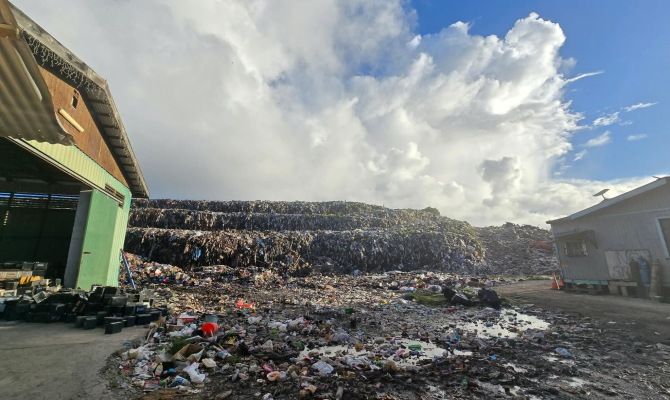
3 August 2026, Majuro – The Republic of Marshall Islands has taken a key step to strengthen national efforts to reduce plastic pollution and safeguard one of the world's largest ocean territories.
In partnership with the Secretariat of the Pacific Regional Environment Programme (SPREP), Deutsche Gesellschaft für Internationale Zusammenarbeit (GIZ), and the Pacific Community (SPC), the Republic of the Marshall Islands Environmental Protection Authority (RMIEPA), has launched the CleanSeas – Marine Litter Prevention in Pacific Island Countries programme.
The National Inception Workshop in Majuro brought together representatives from government agencies, civil society organisations, the private sector, maritime and tourism sectors to identify national priorities and develop a collaborative roadmap for project implementation over the next four years.
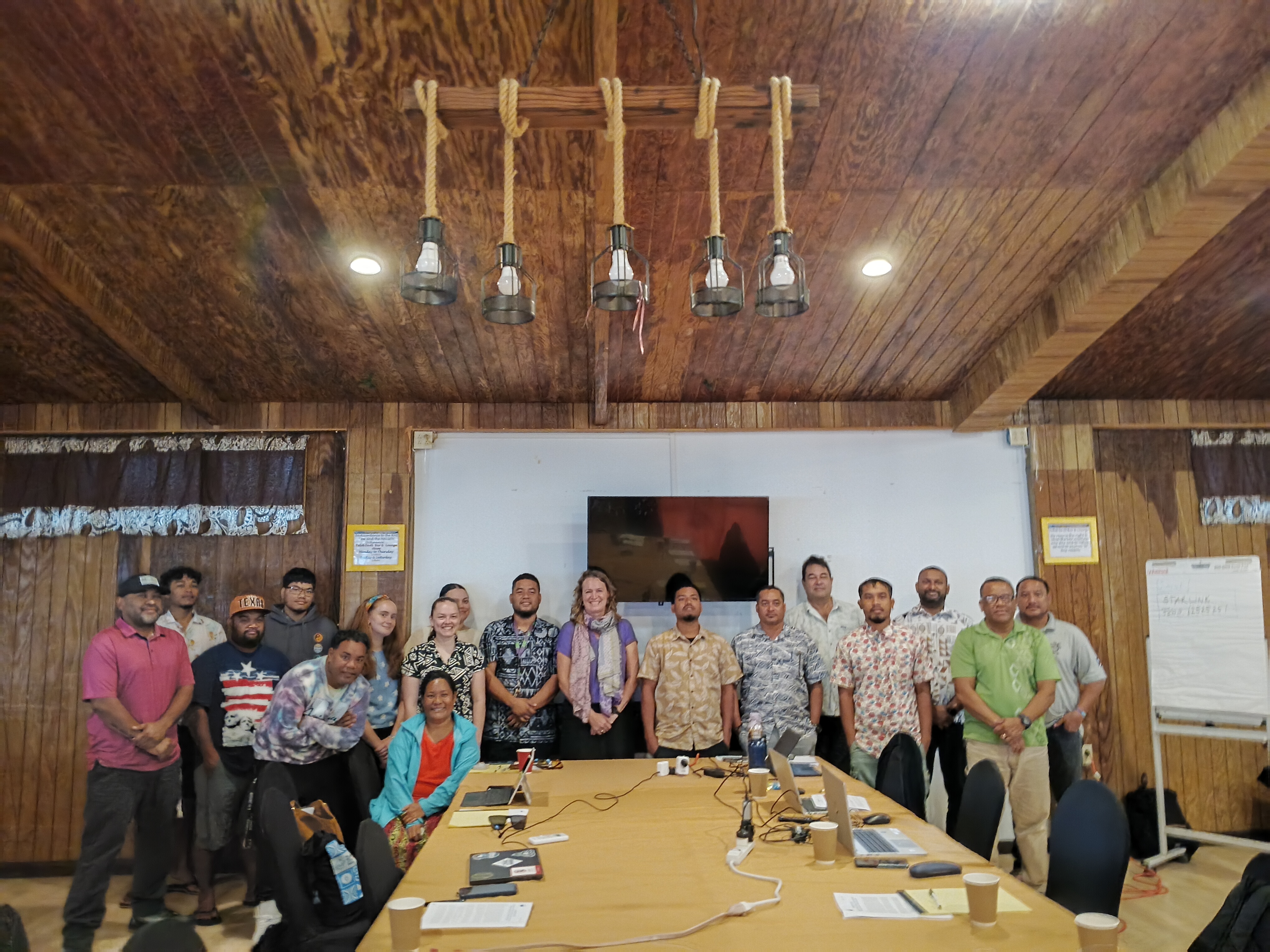
The Deputy General Manager RMIEPA, Ms. Beverly Johnson, emphasised the importance of strengthening national systems to better understand the movement of plastics into and within the country, improve waste recovery and recycling, and build resilience against the increasing impacts of marine litter.
“The CleanSeas project gives us an opportunity to move beyond identifying the problem and focus on delivering solutions,“ she said. “By improving our waste systems, strengthening data collection, expanding recycling, and empowering communities to take action, we can significantly reduce plastic pollution and better protect our marine environment.
The workshop recognised that while the Marshall Islands has made significant progress in reducing plastic pollution through existing legislation and community initiatives, further work is needed to strengthen national planning, improve waste data systems and expand recycling opportunities beyond PET bottles and aluminium cans.
Funded by the German Federal Ministry for the Environment, Climate Action, Nature Conservation and Nuclear Safety (BMUKN) under its Grant Programme Against Marine Litter, the CleanSeas project is jointly implemented by GIZ, SPREP and SPC in partnership with the governments of Fiji, the Republic of the Marshall Islands, Samoa and Tonga.
The project seeks to strengthen marine biodiversity by reducing plastic waste generation and preventing plastics from entering the marine environment through improved policies, enhanced waste management systems, increased recycling, private sector engagement and community led behaviour change.
In the Republic of the Marshall Islands, implementation will be undertaken in close collaboration with RMIEPA and key national stakeholders, building upon Pacific Ocean Litter Project and existing initiatives such as the Container Deposit Scheme, the Styrofoam Ban, and community led coastal clean up programmes.
GIZ Representative in the South Pacific and Head of Project CleanSeas, Ms. Frauke Bartels, said the project provides an important opportunity to translate national priorities into practical action.
"Marine litter is a shared regional challenge that requires strong national leadership and broad partnerships,” she said. “Through CleanSeas, we aim to support the Marshall Islands in strengthening policies, improving waste management systems, engaging businesses and communities, and protecting the marine environment that is central to livelihoods, culture and economic development."
SPREP Pollution Adviser, Mr. Mohammed Zullah said the workshop demonstrated the importance of developing solutions that respond to national priorities while contributing to regional and global efforts to end plastic pollution.
"The discussions clearly showed that addressing plastic pollution is about much more than managing waste. It requires better information, stronger policies, improved recycling systems, community participation and partnerships across all sectors,” said Mr Zullah.
“This workshop has identified practical priorities that will help guide implementation of the CleanSeas project while supporting the Marshall Islands' commitments under regional frameworks and ongoing negotiations towards a global plastics treaty."
The Pacific Community (SPC) highlighted the importance of science and innovation in supporting evidence based decision making through improved monitoring, Earth observation technologies, drone surveys and geospatial analysis to better understand the movement of plastics and marine litter across island and ocean environments.
Throughout the workshop, stakeholders identified a number of national priorities to guide project implementation. These included developing a National Plastic Action Plan, undertaking a national plastic inventory and material flow assessment, strengthening digital waste information systems, improving marine litter monitoring, enhancing recycling systems, assessing abandoned fishing gear and ghost nets, strengthening disaster waste management, and expanding public awareness and behaviour change programmes.
Participants also emphasised the importance of engaging youth organisations, women's groups, tourism operators, fisheries agencies and the private sector in implementing practical solutions that reduce plastic pollution while supporting sustainable livelihoods and protecting marine biodiversity.
The workshop further recognised the need to strengthen understanding of emerging issues, including microplastics in freshwater and wastewater, transboundary marine litter, and the impacts of abandoned fishing gear on coral reefs and marine ecosystems.
The outcomes of the inception workshop will directly inform the Republic of the Marshall Islands CleanSeas National Work Plan, ensuring that project activities are driven by national priorities and complement existing programmes and investments.
The CleanSeas project also supports participating countries in implementing the Pacific Regional Action Plan on Marine Litter, the Cleaner Pacific Strategy and advancing regional participation in negotiations towards a legally binding global instrument to end plastic pollution.
About CleanSeas
The CleanSeas - Marine Litter Prevention in Pacific Island Countries project is jointly implemented by GIZ, SPREP and SPC in partnership with the governments of Fiji, Republic of the Marshall Islands, Samoa, and Tonga. Funded by the German Federal Ministry for the Environment, Climate Action, Nature Conservation and Nuclear Safety (BMUKN), the project supports policy development, private sector engagement, waste management improvements, regional cooperation and behaviour change to reduce plastic pollution and protect marine biodiversity across the Pacific.