

21 July 2026, Mata Utu - Marine litter knows no borders. Every year, Ocean currents transport thousands of tonnes of waste across the Pacific, sometimes over thousands of kilometres, before it washes ashore on the coastlines of the Blue Pacific islands.
The communities living in Wallis and Futuna are amongst the worst impacted. Wallis and Futuna is comprised of three main islands, Wallis, Futuna and Alofi, and a number of tiny islets.
To address the impacts,the Secretariat of the Pacific Regional Environment Programme (SPREP), through the Sustainable Waste Actions in the Pacific – Phase 2 (SWAP2) project funded by the French Development Agency (AFD) with EUR 4.3 million, organised a Marine Litter Training Workshop in Wallis and Futuna on 24–25 June 2026, in partnership with the Territorial Environment Service and VERNEO Wallis-et-Futuna.
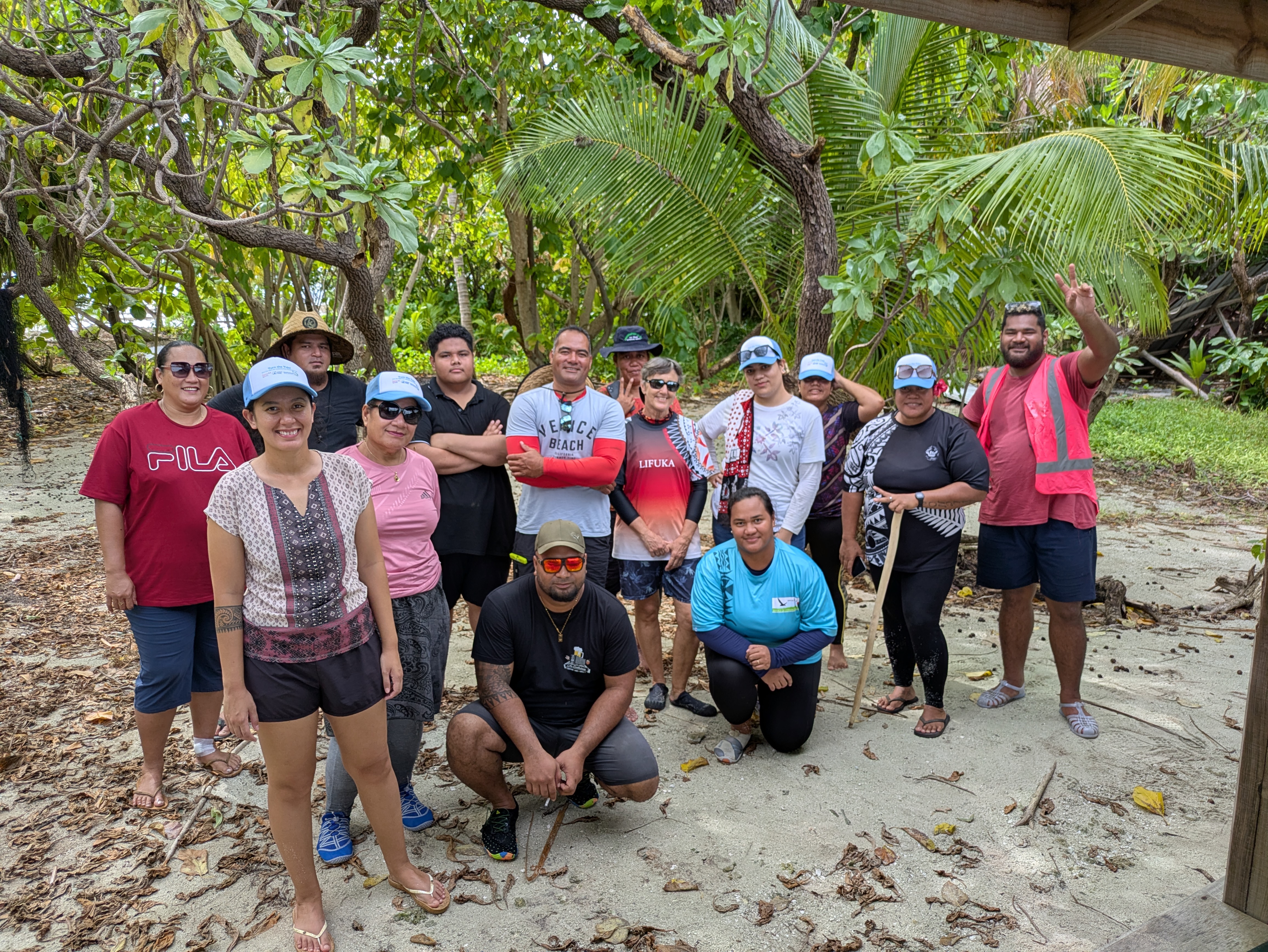
The objective of the training was to strengthen local capacity in marine litter data collection using a standardised methodology applied across several Pacific Island countries and territories. The data collected will help improve understanding of the sources, composition, and trends of marine litter found along coastlines, supporting future prevention, awareness-raising, and management efforts.
The first day brought together 27 participants, including representatives from the Territorial Environment Service, members of the Territorial Assembly, the Prefect of Wallis and Futuna, customary authorities, and village chiefs.
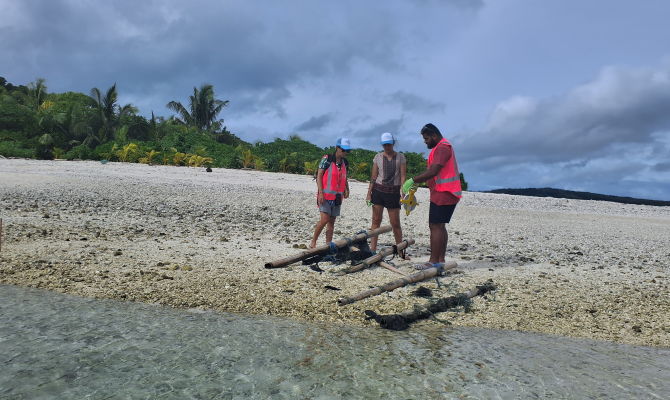
A practical field session conducted at Kulu'ui Beach in the District of Mua resulted in the audit of 991 litter items weighing a total of 8.66 kg. Plastic accounted for 72 per cent of all items recorded, including more than 400 unidentified hard plastic fragments.
The second day took place on Nukutapu Islet in the District of Hihifo and involved 14 representatives from local associations. Participants recorded 257 litter items weighing a total of 12.18 kg. Once again, plastic was the dominant material, representing 77 per cent of all items collected.
One of the key findings from these audits was the presence of beverage bottles originating from countries whose products are not sold in Wallis and Futuna. A Fish Aggregating Device (FAD), whose origin remains unknown, was also identified on one of the surveyed beaches. These discoveries clearly illustrate the role of ocean currents in transporting waste across the Pacific Ocean and serve as a reminder that marine pollution is a shared challenge requiring a collective regional response.
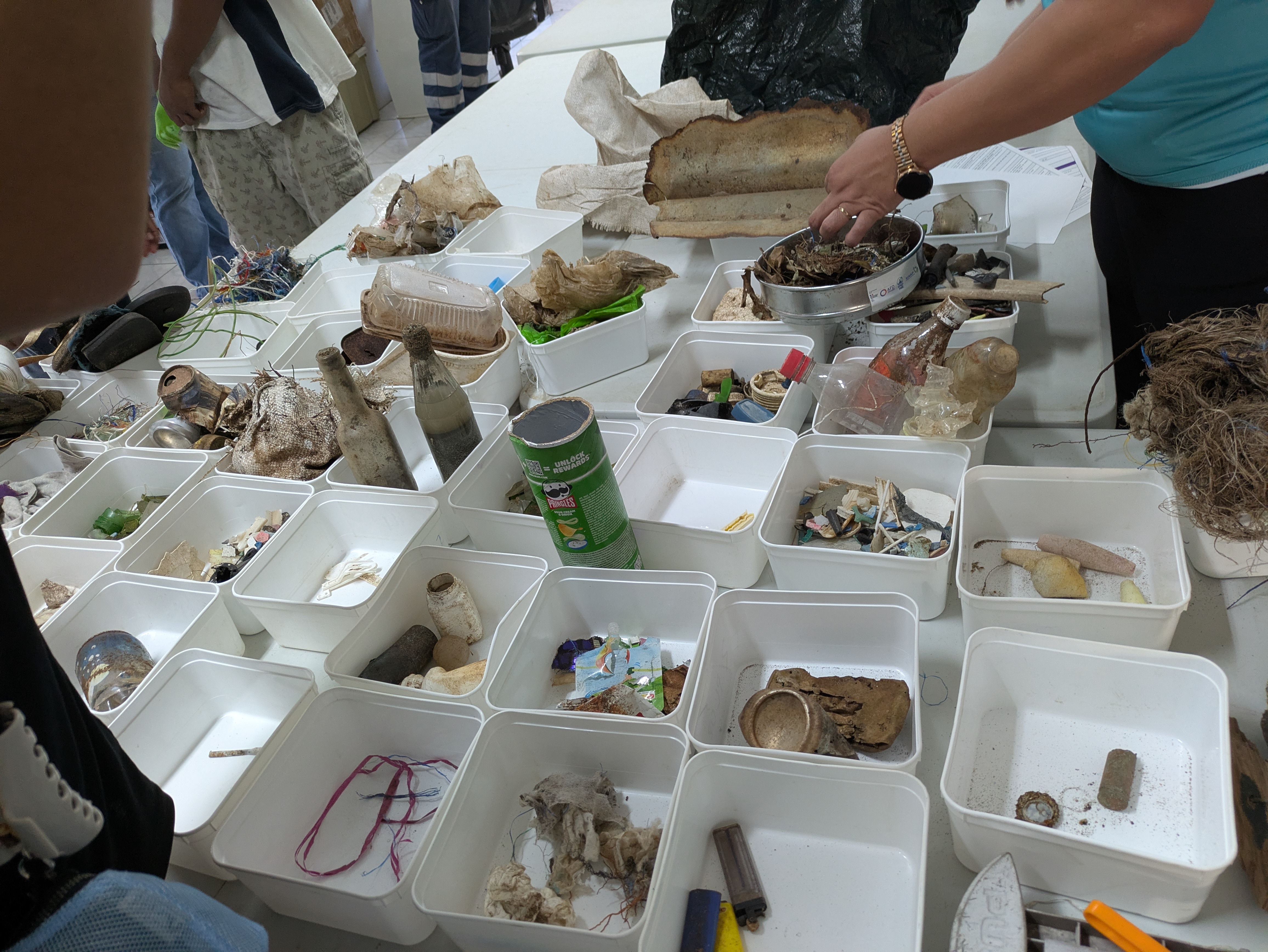
For an isolated island territory such as Wallis and Futuna, these observations demonstrate that litter found on local beaches does not originate solely from local activities but may also have travelled long distances via ocean currents.
This reality highlights the importance of strengthened regional cooperation among Pacific countries and territories to prevent waste at its source and protect the ocean upon which island communities depend.
“I think this is very useful because this issue does not concern Wallis and Futuna alone, but the entire world. If we do not try to find solutions, future generations will have to live in an environment overwhelmed by plastic waste,” said Mr Suliano Takatai, representative of the VAKALA Association.
For Ms Falakika Ugatai, Biodiversity Technical Officer with the Territorial Environment Service, these activities are essential for the future of the territory.
“Here in Wallis, many families rely on fishing for their livelihoods. If lagoon fish are affected by plastic pollution, the consequences would be very damaging for our island,” she said.
Beyond data collection, the training strengthened the autonomy of local stakeholders in conducting field surveys and monitoring marine litter across the territory. Participants were trained in survey techniques, litter sorting and characterisation, as well as the use of data to guide awareness-raising and management actions.
The results obtained will contribute to expanding regional knowledge on marine litter in the Pacific and support ongoing efforts in Wallis and Futuna to improve waste management. They also confirm the importance of continuing awareness-raising activities and regional cooperation to reduce waste at its source and protect the marine ecosystems upon which Pacific communities depend.
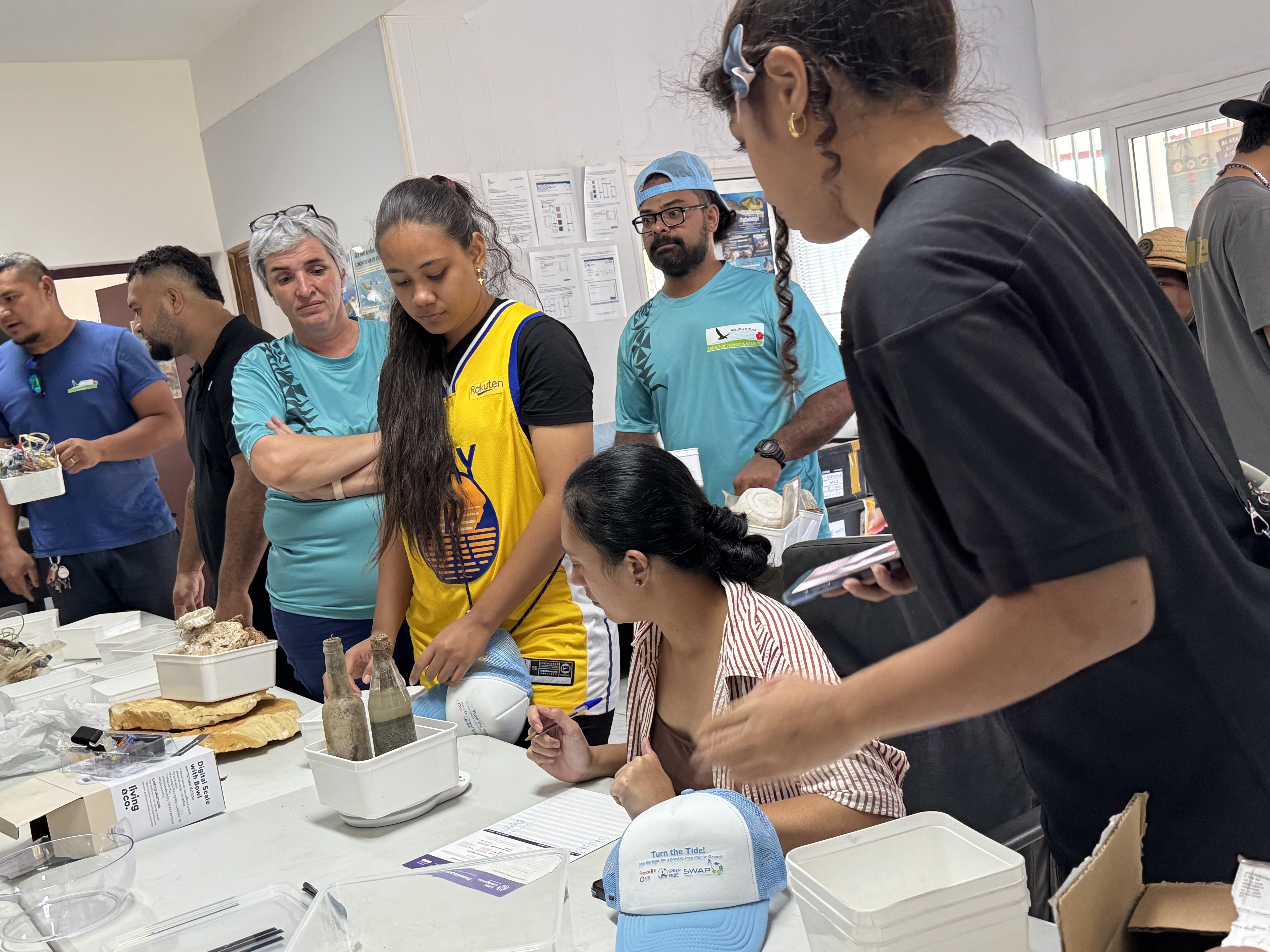
The SWAP2 Project will continue supporting marine litter monitoring activities in Wallis and Futuna through to 2028, including the implementation of additional surveys and waste audits across the territory, including in Futuna, to strengthen the available evidence base and support informed decision-making on marine litter management.
SPREP warmly thanks all participants, local associations, customary authorities, technical services, and partners for their contribution to the success of this activity.
ABOUT SWAP
SWAP2 contributes to the goals of the Cleaner Pacific Strategy by improving waste infrastructure, building capacity and fostering regional collaboration.
The nine SWAP Pacific islands are Fiji, French Polynesia, Kiribati, Samoa, Solomon Islands, Tonga, Tuvalu, Vanuatu, and Wallis and Futuna.
The Sustainable Waste Actions in the Pacific – Phase 2 (SWAP2) Project is funded by the Agence Française de Développement (AFD) https://www.afd.fr and executed by the Secretariat of the Pacific Regional Environment Programme (SPREP) www.sprep.org
For further information please visit: https://swap.sprep.org /.or contact Ms. Julie Pillet, SWAP Project Manager, at juliep@sprep.org