

29 July 2026, Apia - The impact of a project helping Pacific communities strengthen waste management systems, reduce pollution, and build a more circular and resilient Pacific, is being recognised in Samoa, this week.
The successes, challenges and aspirations of the Sustainable Waste Actions in the Pacific – Phase 2 (SWAP2) project are being discussed as Pacific members and partners gather for the second Steering Committee Meeting (SCM), at SPREP’s Vailima headquarters, from 28-29 July.
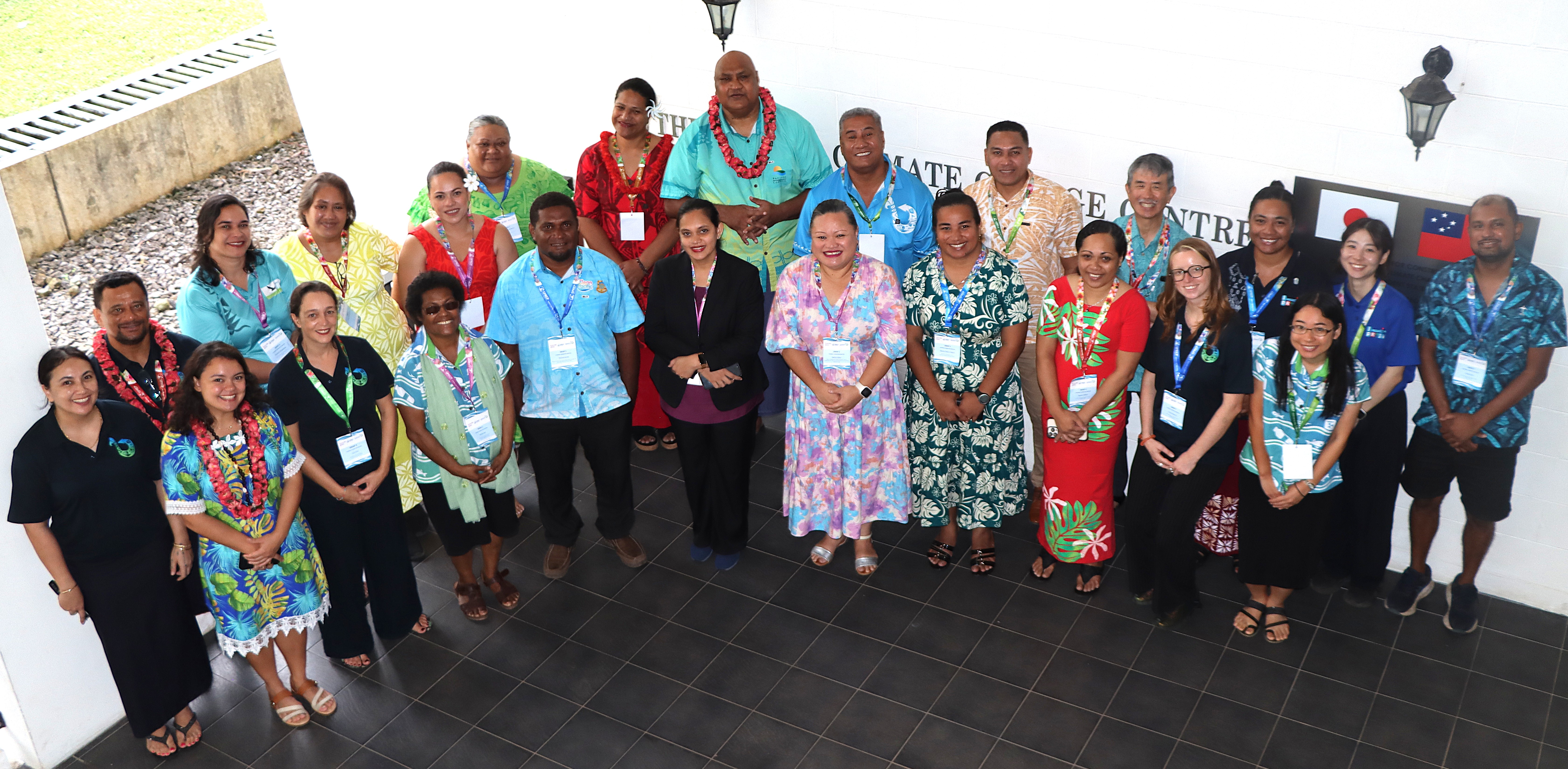
Ms Lealaisalanoa Frances Brown Reupena, CEO of Samoa’s Ministry of Natural Resources and Environment (MNRE) said the gathering reflects the shared commitment to address waste-management challenges facing the Pacific.
“For Samoa, SWAP2 has delivered practical results in marine litter management, waste audits, used-oil management, public awareness, and capacity building,” said Ms Brown Reupena. “These activities have strengthened collaboration across government, communities, the private sector, and development partners.
“Our waste audits and marine-litter surveys are providing valuable data to support better planning and policy decisions, while SWAP2 has also enabled the environmentally sound export and treatment of more than 60,000 litres of stockpiled used oil, significantly reducing environmental and public health risks.”
Funded by the Agence Française de Développement through a EUR 4.3 million investment and executed [JP1.1]by the Secretariat of the Pacific Environment Programme (SPREP), SWAP2 covers nine countries and territories, Fiji, French Polynesia, Kiribati, Samoa, Solomon Islands, Tonga, Tuvalu, Vanuatu, and Wallis and Futuna. The work builds on the strong results delivered during the first phase of the project.
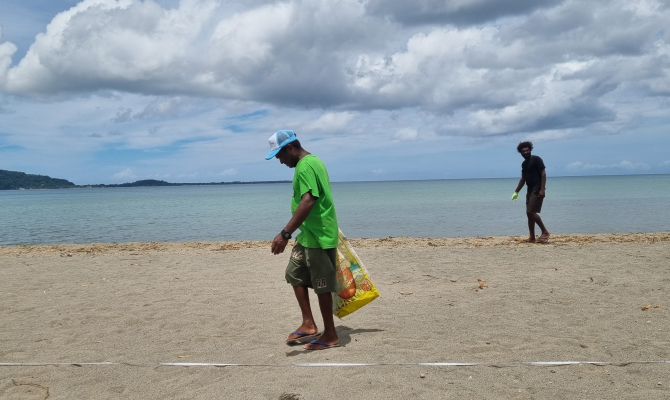
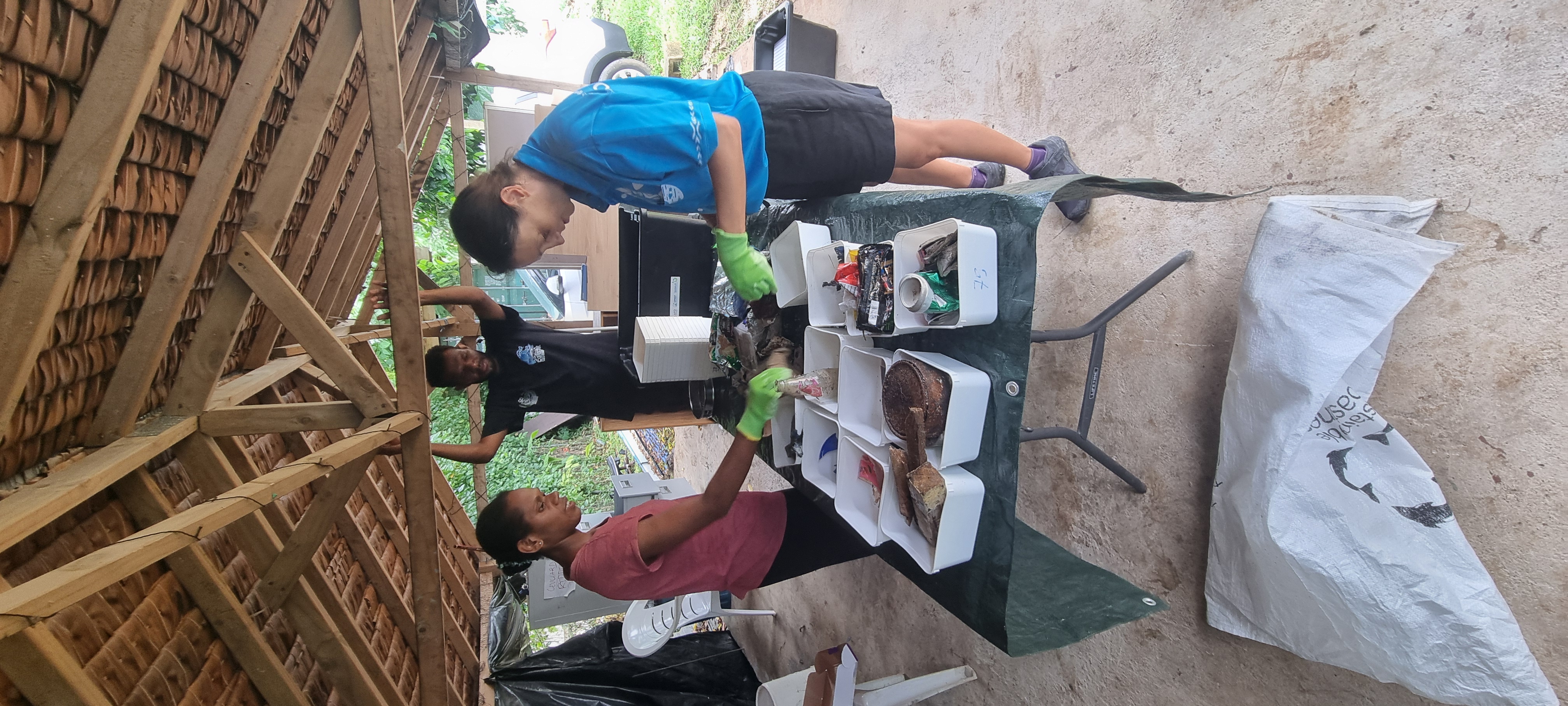
On Marine litter, through108 beach surveys and the audit of more than 106,000 items of waste since the beginning of the SWAP Project in 2020, countries and territories are generating robust, comparable, and scientifically credible data on the sources, composition, and quantities of litter found throughout our region.
This information is becoming increasingly valuable, contributing to regional and international discussions on plastic pollution, including preparations for future negotiations on the global plastics treaty.
This data is also being used to support national policy development. The Kingdom of Tonga for example has produced an in-depth analysis of marine litter data that provides reliable evidence on the prevalence of single-use plastics, particularly plastic bags and food containers.
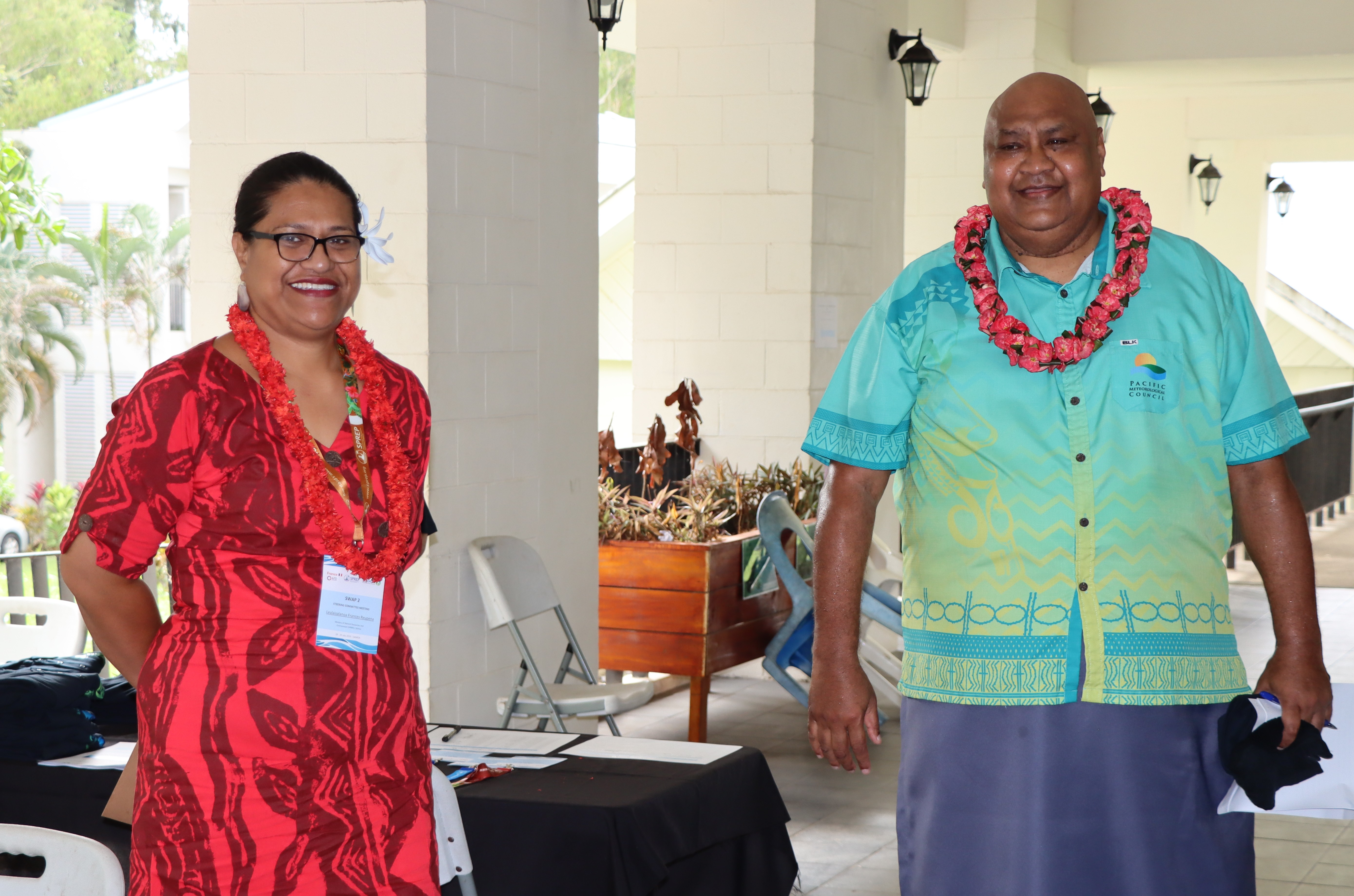
SPREP Director General, Mr Sefanaia Nawadra, said this is a powerful example of how data collected by local communities, government agencies, and project partners can be transformed into practical tools for policy change and environmental protection.
“The challenges posed by waste and pollution are growing across our region. At the same time, Pacific countries are demonstrating leadership through innovative solutions, regional cooperation, and evidence-based decision-making,” said Mr Nawadra.
Addressing the challenge of used oil is a key component of the project. The launch of pilot projects in Kiribati, Samoa, and the Solomon Islands have provided valuable lessons to be shared with other countries facing similar challenges.
The development of pyrolysis solutions in the Solomon Islands and Vanuatu, and a test/pilot operation in Kiribati to assess the feasibility of backloading used oil in fuel tanks returning to New Zealand for reprocessing offers valuable insights into the technical, financial, and regulatory requirements associated with used oil management in small island developing states.
On Solid Waste Management, SWAP 2 has trained women groups in Vanuatu to produce reusable products from recycled plastic materials. The scrap metal recovery facility in Wallis and Futuna, and the establishment of reuse centres in French Polynesia demonstrate how waste can become a resource while creating economic and social opportunities for local communities.
“These achievements provide a strong foundation from which the project can now accelerate implementation during the remaining years of SWAP2. More importantly, they are generating practical experiences and evidence that can be shared across the region to support better waste management outcomes for all Pacific Island countries and territories,” added Mr Nawadra.
“As we look ahead to 2026–2028, our ambition is not only to deliver infrastructure, equipment, training, and pilot projects. Our objective is also to ensure the sustainability of project activities and to generate the evidence, knowledge, and success stories needed to support informed decision-making, strengthen long-term policy development across the Pacific, and demonstrate the value of continued investment in sustainable waste management.”
The Steering Committee Meeting provides an opportunity to review progress, share lessons and experiences, refine priorities, and agree on the work programme and budget for the year ahead.
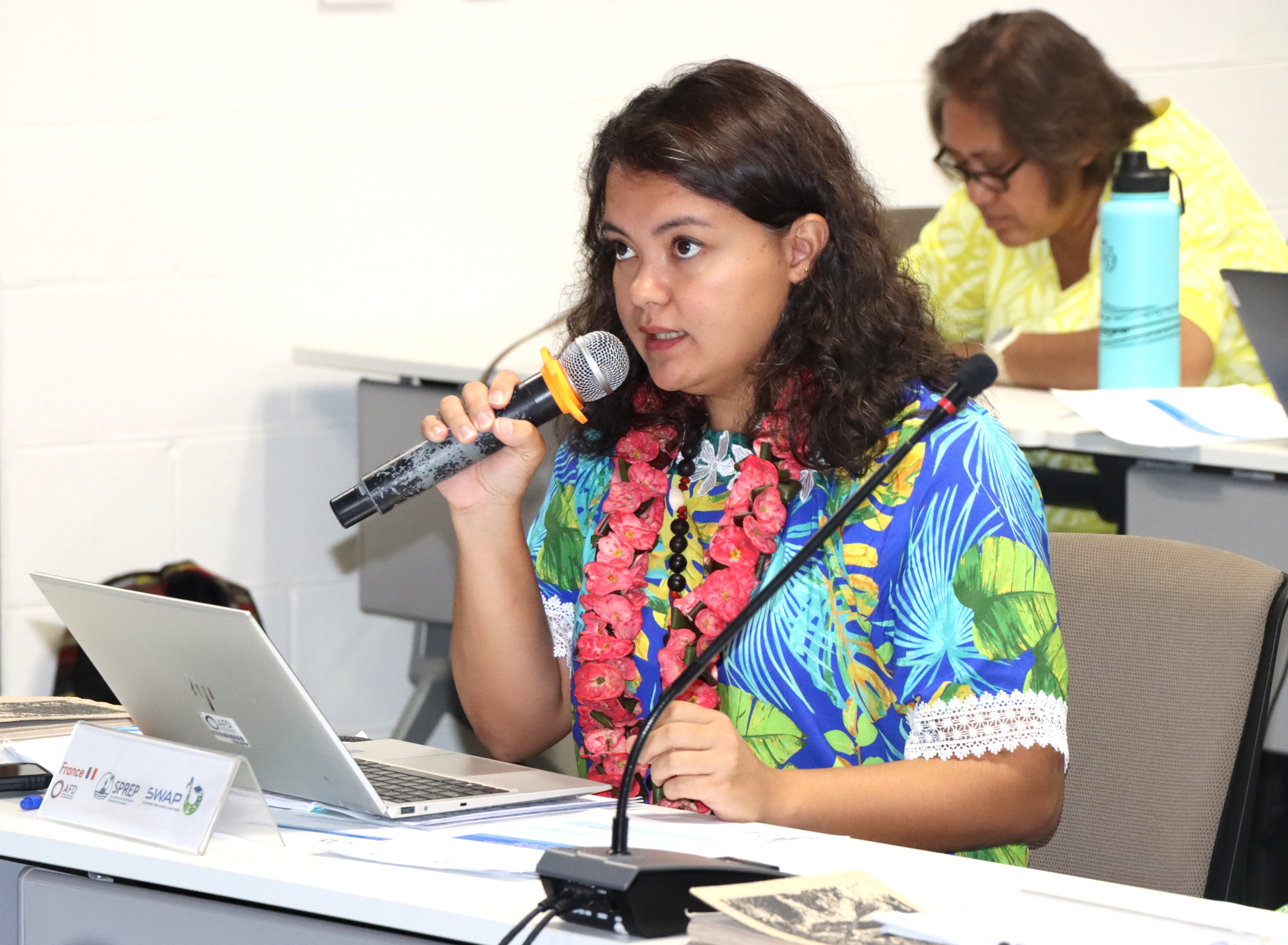
Ms. Sophie Soejitno, Regional Policy Officer, Pacific Ocean Directorate said AFD is pleased to continue to support the project. She noted the SWAP 2’s implementation framework is in place, activities are progressing, and the first tangible results are emerging across several partner countries and territories.
“Today's Steering Committee provides an important opportunity to continue building this collective momentum,” she said. “We remain fully committed to working alongside SPREP and all project partners to support the successful implementation of SWAP2.”
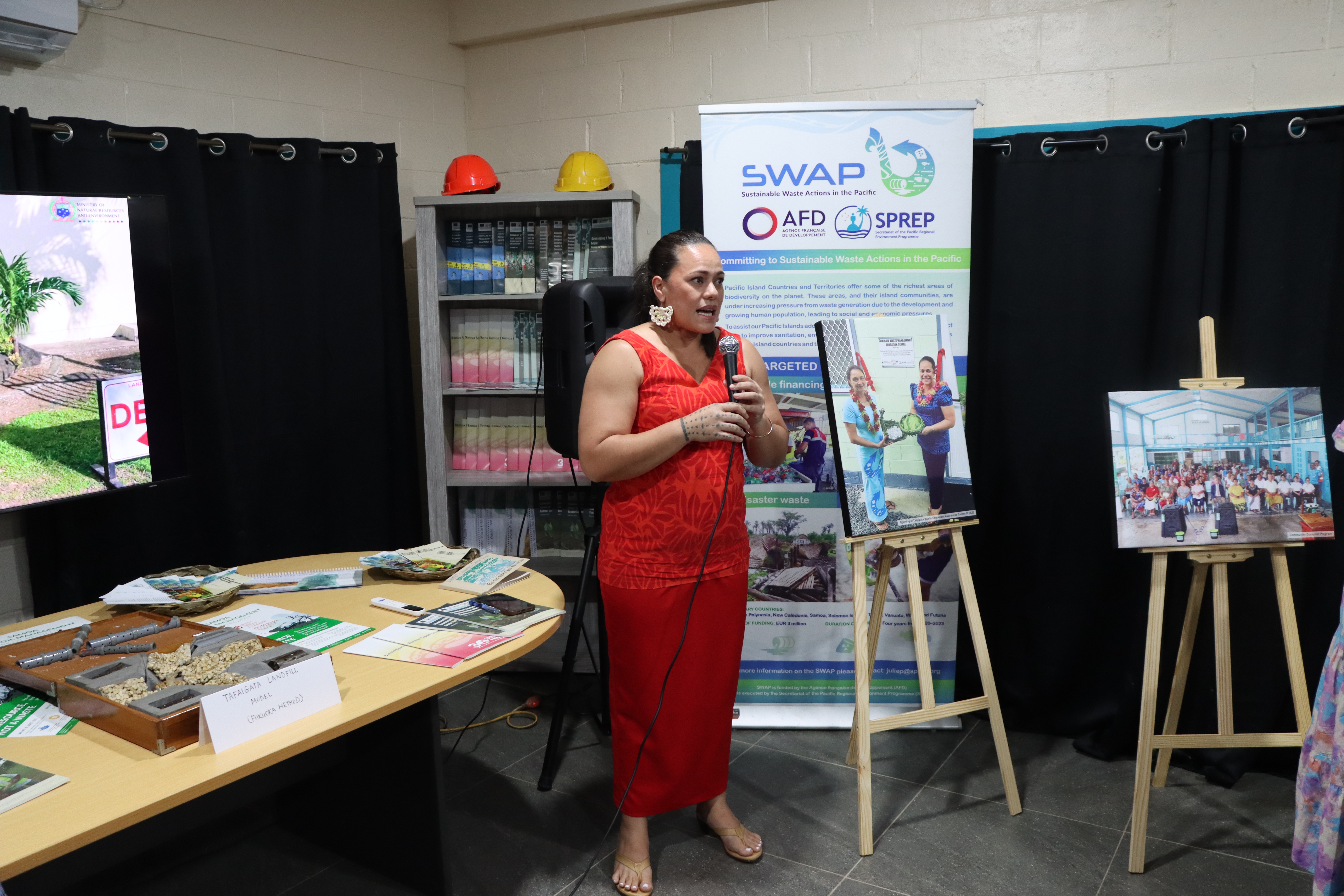
The first day of the SCM concluded with a visit to the MNRE’s Waste Management Education Centre at Tafa’igata, funded by SWAP2, highlighting the importance of combining infrastructure with education and community engagement to encourage lasting behavioural change.
ABOUT SWAP2
SWAP2 contributes to the goals of the Cleaner Pacific Strategy by improving waste infrastructure, building capacity and fostering regional collaboration. The nine SWAP Pacific islands are Fiji, French Polynesia, Kiribati, Samoa, Solomon Islands, Tonga, Tuvalu, Vanuatu, and Wallis and Futuna.
The Sustainable Waste Actions in the Pacific – Phase 2 (SWAP2) Project is funded by the Agence Française de Développement (AFD) https://www.afd.fr and executed by the Secretariat of the Pacific Regional Environment Programme (SPREP) www.sprep.org
For further information please visit: https://swap.sprep.org/ .or contact Ms. Julie Pillet, SWAP Project Manager, at juliep@sprep.org