

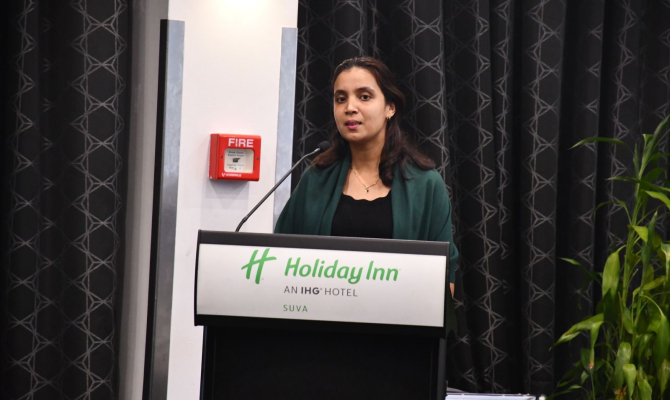
30 July 2026, Suva - The Secretariat of the Pacific Regional Environment Programme (SPREP), Deutsche Gesellschaft für Internationale Zusammenarbeit (GIZ), and the Pacific Community (SPC), in partnership with Fiji's Ministry of Environment and Climate Change (MECC), have launched the CleanSeas - Marine Litter Prevention in Pacific Island Countries programme in Fiji, marking an important milestone in the country's efforts to reduce plastic pollution and protect its marine environment.
The launch followed the Fiji National Inception Workshop at the Holiday Inn, Suva, which brought together representatives from government, development partners, civil society organisations, academia and the private sector to strengthen collaboration, identify national priorities and lay the foundation for implementation of the four-year initiative.
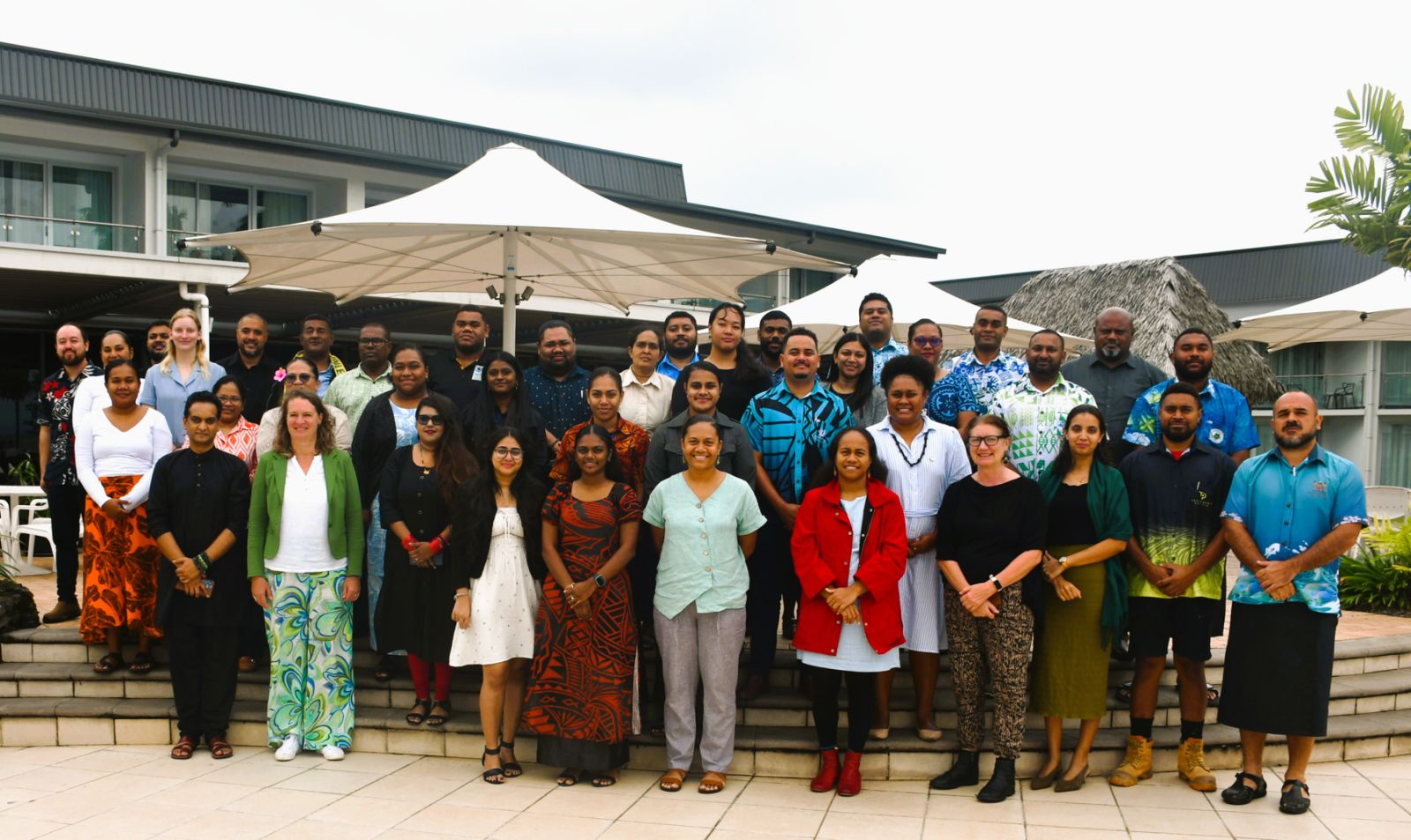
Funded by the German Federal Ministry for the Environment, Climate Action, Nature Conservation and Nuclear Safety (BMUKN) under its Grant Programme Against Marine Litter, the CleanSeas project is jointly implemented by GIZ, SPREP and SPC in partnership with governments in Fiji, Republic of the Marshall Islands, Samoa, and Tonga.
The project aims to strengthen and protect marine biodiversity by reducing the generation of plastic waste and preventing its entry into the environment through stronger policies, improved waste management systems, private sector engagement, enhanced recycling, and behaviour change initiatives.
In Fiji, implementation will be undertaken in close partnership with the Ministry of Environment and Climate Change, building on the country's commitment to sustainable waste management, marine conservation and the transition towards a more circular economy.
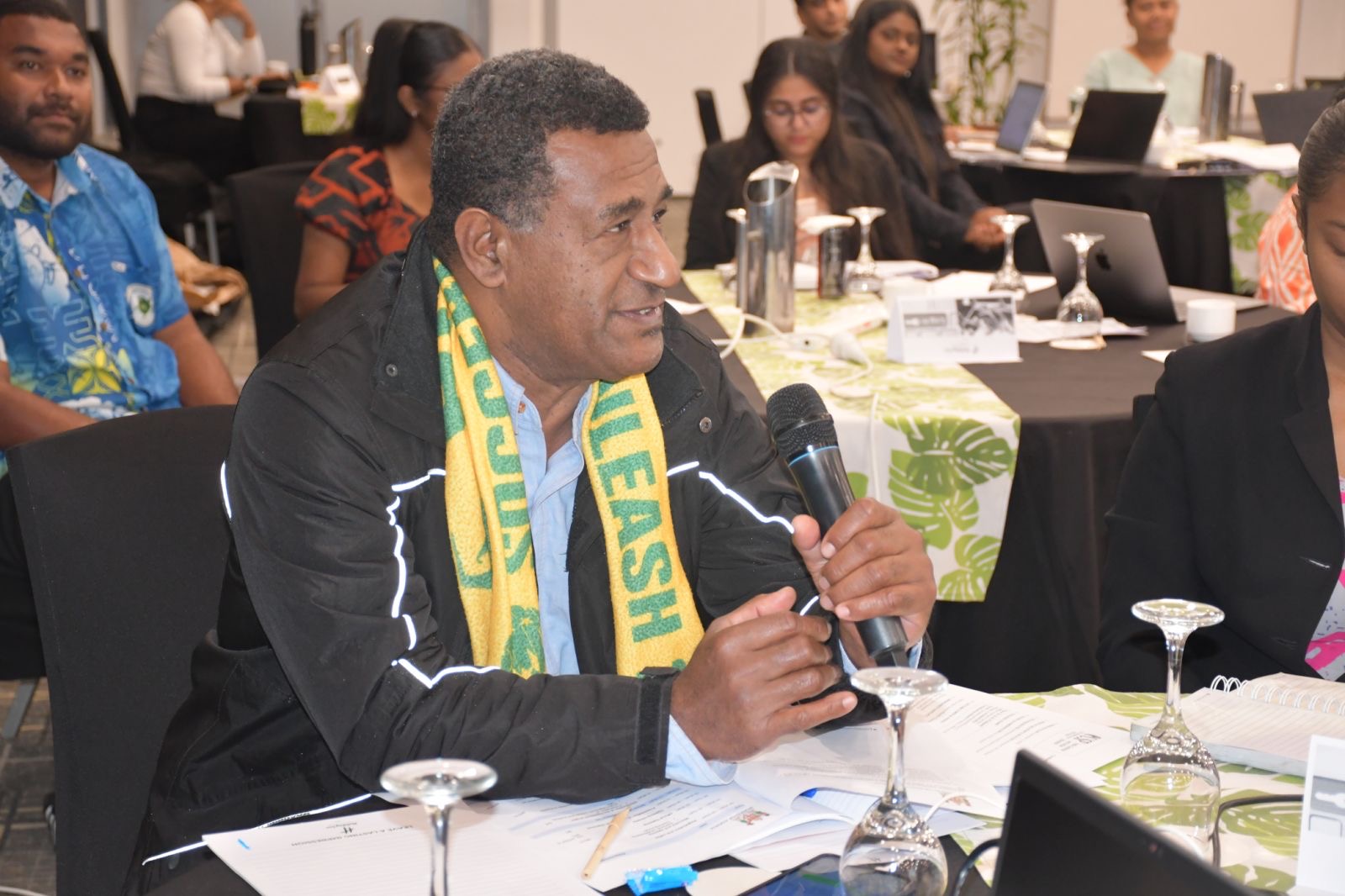
Permanent Secretary for Environment and Climate Change, Dr. Sivendra Michael, welcomed the launch of the CleanSeas programme, saying it reinforces Fiji's commitment to protecting its marine environment.
"As a Large Ocean State, Fiji has a responsibility to protect our oceans, rivers and coastal ecosystems for current and future generations. Addressing marine litter is essential not only for environmental protection but also for climate resilience and sustainable development," Dr. Michael said.
Speaking at the inception workshop, GIZ Representative in the South Pacific and Head of Project CleanSeas, Ms. Frauke Bartels, said the scale of plastic pollution demands stronger partnerships across every sector of society.
"Plastic pollution is one of the defining environmental challenges of our generation. For Pacific Island Countries, where economies, cultures and identities are closely connected to the ocean, protecting our marine environment is not only an environmental priority but also an economic and social imperative."
Ms. Bartels said the project would support countries through four key areas: strengthening policies and financing mechanisms, working with businesses to reduce plastic waste across supply chains, improving waste collection and recycling systems, and empowering communities through education and behaviour change.
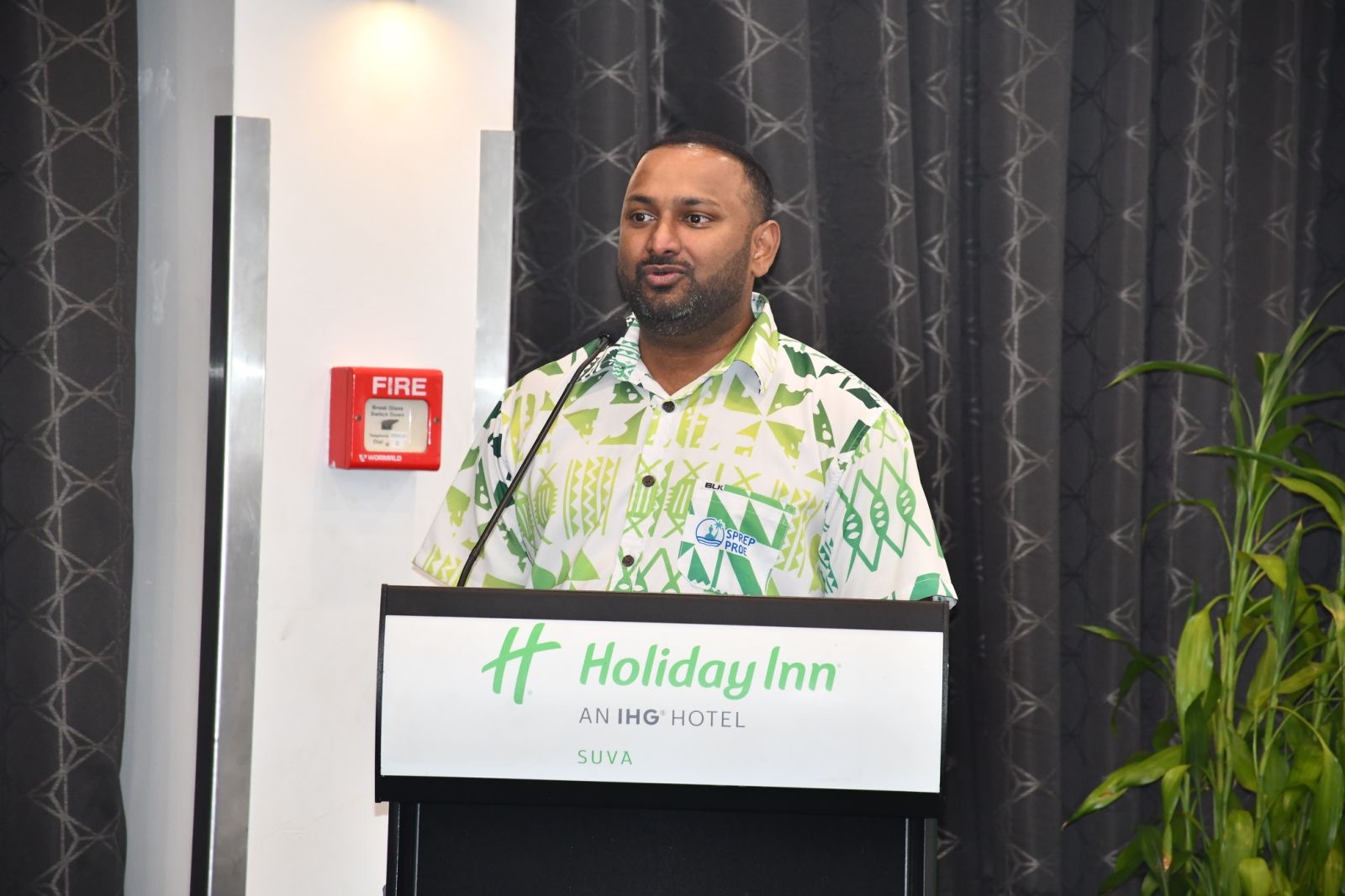
Representing SPREP, Pollution Adviser Mr. Zullah Mohammed described the Fiji inception workshop as an important step in translating regional commitments into national action.
"This workshop marks a critical milestone as we move from regional planning to national implementation, working collaboratively with GIZ and SPC to reduce plastic pollution while protecting the precious marine biodiversity of our Blue Pacific."
The Pacific Community (SPC) will provide technical expertise to strengthen monitoring, data collection and evidence-based planning across participating countries. Mr. Nicholas Metherall from SPC's Earth and Ocean Observation Section, said science and innovation would play an important role in understanding how waste moves through Pacific environments.
"SPC is excited about this opportunity to work alongside our partners in CleanSeas. Through this project we aim to apply Earth observation satellite data monitoring, drone surveys, hydrological modelling and broader geospatial analysis to help identify the pathways of waste transport in order to inform interventions and policies addressing the expansion of marine litter."
The Fiji National Inception Workshop explored national priorities for plastic waste management, regional policy developments, private sector engagement, recycling initiatives, monitoring systems and opportunities to strengthen coordination among stakeholders.
Discussions also focused on identifying gaps, building complementary partnerships and establishing collaborative mechanisms to support implementation.
The CleanSeas project also supports partner countries in advancing the Pacific Regional Action Plan on Marine Litter, the Cleaner Pacific Strategy 2050, and participation in international processes, including negotiations towards a global legally binding instrument to end plastic pollution.
About CleanSeas
The CleanSeas - Marine Litter Prevention in Pacific Island Countries project is jointly implemented by GIZ, SPREP and SPC in partnership with the governments of Fiji, Republic of the Marshall Islands, Samoa, and Tonga. Funded by the German Federal Ministry for the Environment, Climate Action, Nature Conservation and Nuclear Safety (BMUKN), the project supports policy development, private sector engagement, waste management improvements, regional cooperation and behaviour change to reduce plastic pollution and protect marine biodiversity across the Pacific.