

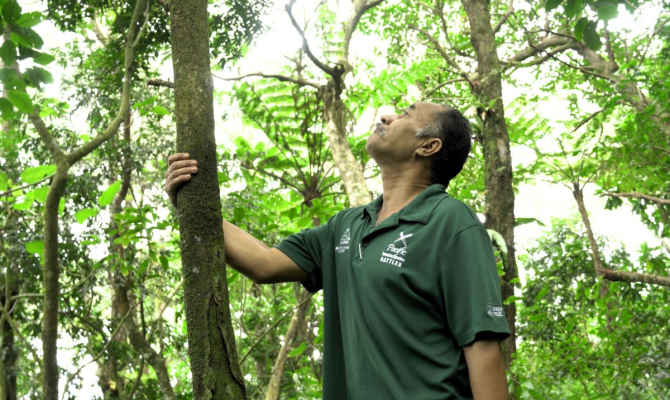
10 August 2026, Eua, Tonga - ʻEua National Park is one of Tonga's most ecologically significant protected areas, covering approximately 451 hectares on the east coast of ʻEua island, and features an 800-meter-wide strip of protected tropical rainforest supporting a remarkable diversity of native species.
The park is home to 12 endemic plant species, including the rare and endangered conifer Podocarpus pallidus, as well as several endemic fauna species found nowhere else in the world. Established as a national park in 1992, the area remains one of Tonga's most valuable natural assets.
Led by the Tonga Ministry of Meteorology, Energy, Information, Disaster Management, Environment, Climate Change & Communications (MEIDECC) and the Ministry of Agriculture, Forest and Food (MAFF) in coordination with the SPREP led Pacific Regional Invasive Species Management Support Service (PRISMSS) programme has taken an important step forward in Tonga with the completion of a technical restoration assessment of priority ecological sites within ʻEua National Park.
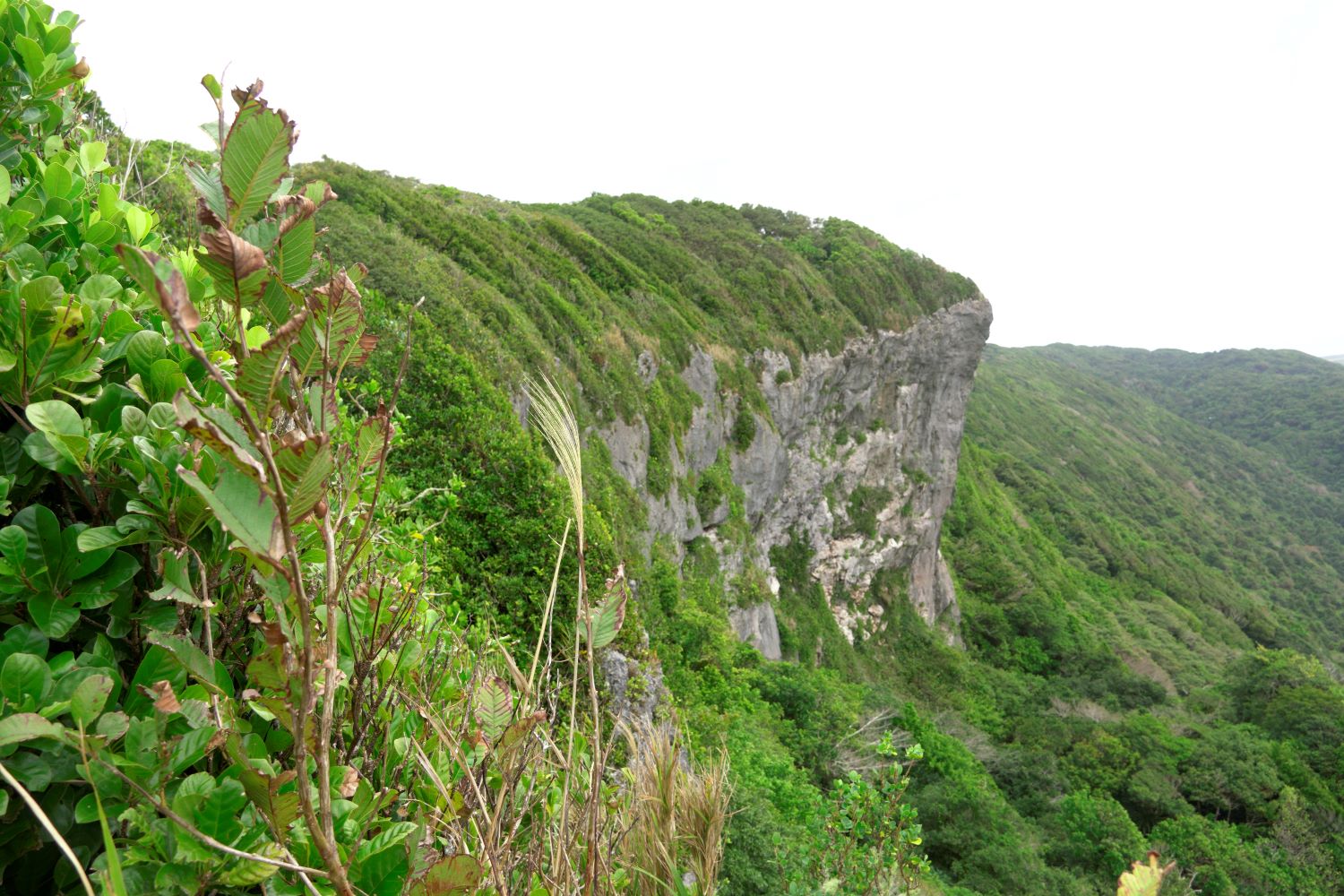
Conducted in late July 2026, under the PRISMSS Resilient Ecosystems Resilient Communities (RERC) programme, the assessment provides a clear roadmap for restoring native biodiversity, strengthening ecosystem health, and enhancing the resilience of local communities that depend on these natural resources.
The assessment focused on two key restoration sites within the park, firstly the Lokupo Lookout site of 9ha in the north and the Veifefe Track site of 7ha in the south. Field observations revealed contrasting conditions between the two locations.
While Veifefe remains largely pristine, retaining healthy native forest and important habitat for endemic wildlife, the Lokupo site faces significant pressure from invasive plant species, particularly Cordia alliodora and Cestrum nocturnum (queen of the night), which threaten native vegetation and forest regeneration.
The impacts of invasive weeds extend throughout the ecosystem. As native plants decline, critical habitat for birds, insects and other wildlife can be degraded. Invasive species can alter forest structure, disrupt natural ecological processes and reduce the resilience of ecosystems to climate-related disturbances such as storms and droughts.
Other invasive species identified within the wider management area included taro vine (epipremnum spp.), which smothers native vegetation and host trees, and giant reed (arundo donax), a fast-growing species capable of reducing habitat quality and biodiversity.
Alongside invasive plants, black rats pose a continuing threat to native birds, seeds, seedlings, reptiles and invertebrates, making integrated pest management an important component of the restoration programme. Existing bait station networks at Lokupo and planned expansion at Veifefe will help reduce these pressures and support ecosystem recovery.
SPREP Invasive Species Officer, Mr Josef Pisi shared that, “despite these challenges, the assessment found encouraging signs of ecosystem resilience.”
“Forest structure remains largely intact across both sites, native seedling recruitment is occurring naturally, and the Veifefe area continues to support important bird populations, including seabirds and the endemic Koki parrot.
“Minimal rat activity was observed in key parts of the park, reflecting the positive impact of ongoing invasive species management efforts.”
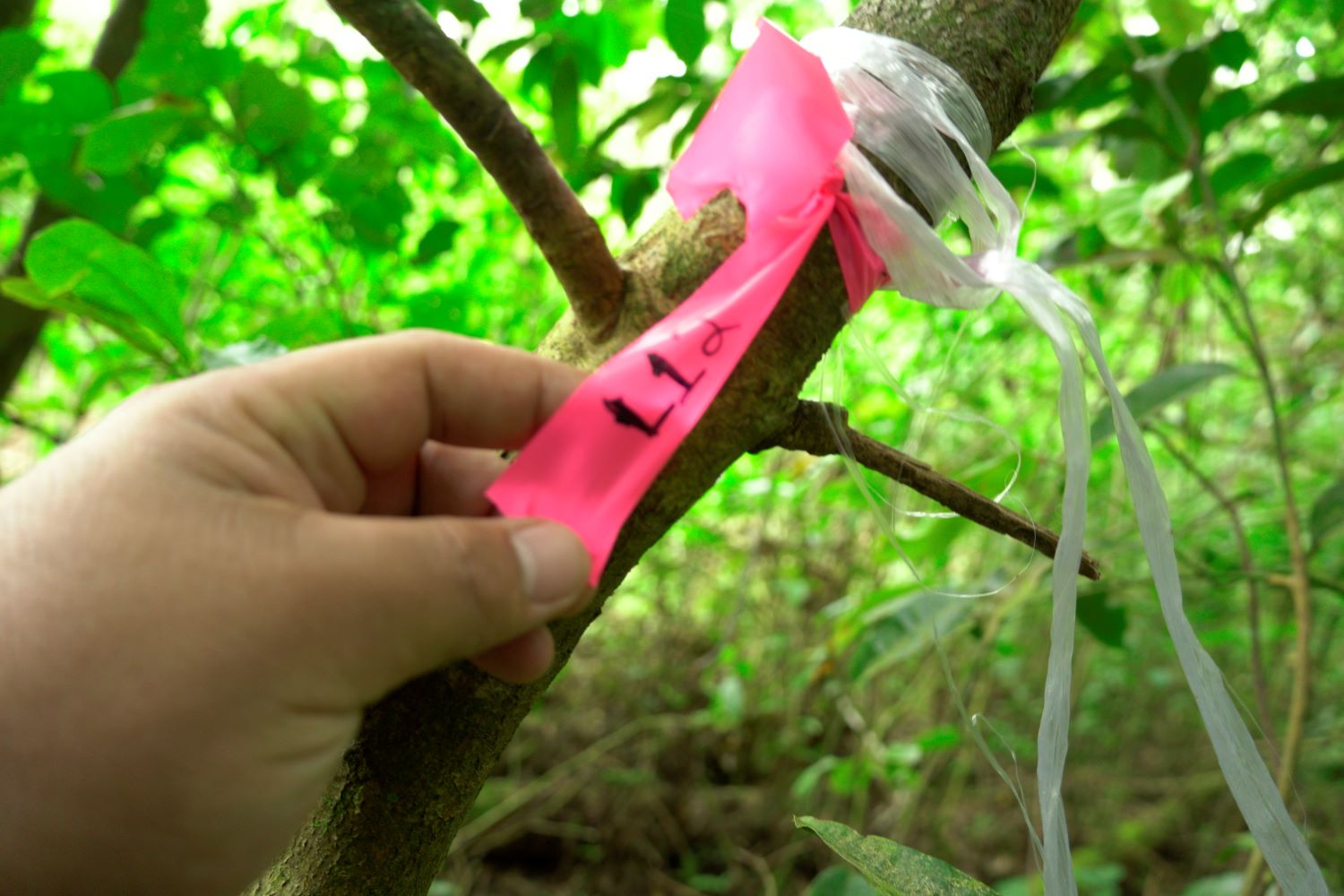
A key outcome of the mission was the development of a revised restoration framework for Lokupo. The site has now been divided into ten management zones, allowing restoration teams to progressively tackle invasive species from the most heavily affected northern areas to the healthier southern forests. This phased approach will improve operational efficiency, strengthen monitoring, and provide measurable restoration milestones under the RERC Programme.
The assessment team, comprising representatives from Tonga's Ministry of Agriculture, Food and Forests (MAFF), the Ministry of Meteorology, Energy, Information, Disaster Management, Environment, Climate Change and Communications (MEIDECC), SPREP and local community members, identified several priority actions to be implemented over the next 12 months.
These include invasive weed control operations, field staff training in herbicide application and restoration techniques, baseline bird surveys, improved site monitoring systems, and stronger collaboration between partner agencies.
Mr Viliami Hakaumotu, National Invasive Species Coordinator based with MEIDECC shared that, “community involvement will remain at the centre of restoration efforts as the programme aims to recruit and train local field workers, strengthen environmental stewardship and explore opportunities to establish a local conservation ambassador or ranger network.
“These initiatives recognise that long-term ecosystem resilience depends on empowered communities that are actively engaged in protecting their natural heritage.”
“Our restoration efforts demonstrate that addressing invasive species is not simply about removing weeds but about creating the conditions for native forests to recover naturally, supporting endemic species, strengthening ecosystem resilience and ensuring that ʻEua's unique biodiversity can continue to thrive.”
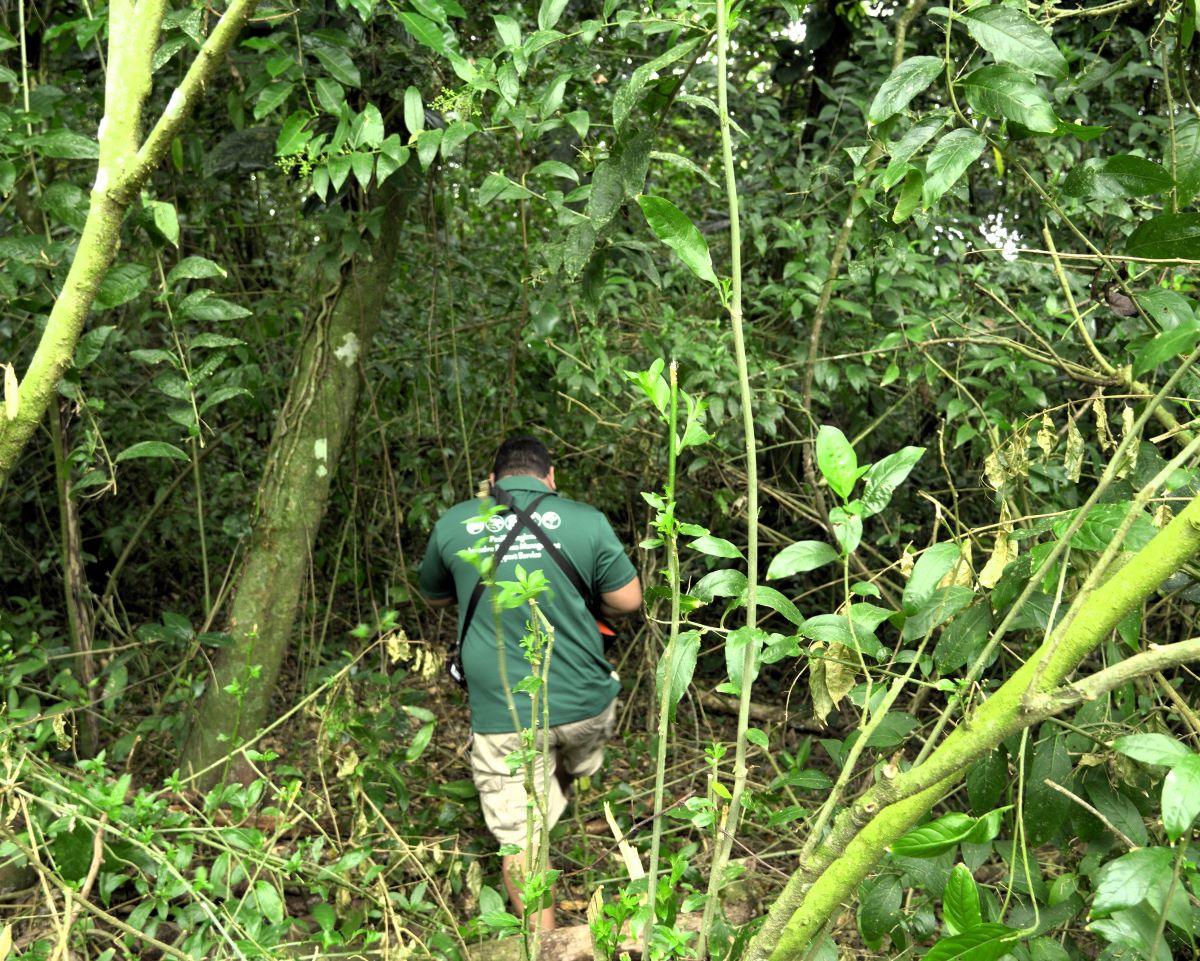
The mission also identified several resource needs to strengthen implementation, including improved field equipment, protective fencing and enhanced transport capacity to support operations in this challenging terrain. Investments in these areas will help ensure restoration activities can be delivered safely, effectively and sustainably.
Looking ahead, the PRISMSS RERC programme will explore opportunities to work with Tonga Non-Government Organisations (NGO) like Vava'u Environmental Protection Association (VEPA) to support the establishment of a conservation ambassador or ranger development programme for ʻEua.
The programme will strengthen community participation, build local conservation leadership, and provide practical opportunities for residents, particularly young people, to contribute to the protection and restoration of the island's unique biodiversity.
The vision for ʻEua National Park is to have healthy native forests free from invasive species, thriving populations of endemic plants and wildlife and communities equipped with the skills and resources needed to safeguard these ecosystems for future generations. Through the PRISMSS RERC Programme, Tonga is demonstrating how targeted ecosystem restoration can strengthen biodiversity conservation while building resilience to environmental and climate-related challenges.
For the approximately 5,000 people living on ʻEua, healthy forests provide benefits that extend far beyond biodiversity conservation. Intact ecosystems support water resources, protect soils, contribute to climate resilience and enhance the island's eco-tourism appeal.
As restoration activities commence in the coming months, the ʻEua site stands as an important example of PRISMSS commitment to restoring nature, supporting communities, and creating a more resilient Pacific region.
About PRISMSS: The Pacific Regional Invasive Species Management Support Service (PRISMSS) is a service designed to facilitate the scaling up of operational management of invasive species in the Pacific. PRISMSS brings together experts to provide support within the Pacific region with a focus on protection of indigenous biodiversity and ecosystem function. As a service provider, PRISMSS provides a comprehensive suite of support services in a cohesive, effective, efficient, and accessible manner to Pacific Island countries and territories.
Restoring Island Resilience (RIR): The PRISMSS - Restoring Island Resilience (RIR) is a New Zealand-PRISMSS collaboration project that aims to improve Pacific Island Countries and territories livelihoods and resilience to climate change by reducing the impact of invasive species on natural and agricultural ecosystems through the six PRISMSS programmes.
PRISMSS Powered by: New Zealand Foreign Affairs & Trade, United Kingdom International Development, GEF, United Nations Environment Programme & SPREP.
PRISMSS Partners: Bioeconomy Science Institute NZ, Birdlife International, Earth Sciences New Zealand, New Zealand Department of Conservation, Island Conservation, the Pacific Community and SPREP.
PRISMSS Programmes: Protect Our Islands (POI), Predator Free Pacific (PFP), War on Weeds (WOW), Natural Enemies Natural Solutions (NENS), Resilient Ecosystems Resilient Communities (RERC) and Protect Our Marine Areas (POMA).
For additional information please contact Mr Dominic Sadler, PRISMSS Manager on dominics@sprep.org or Mr Nitish Narayan, PRISMSS Communications & Liaison Officer on nitishn@sprep.org