

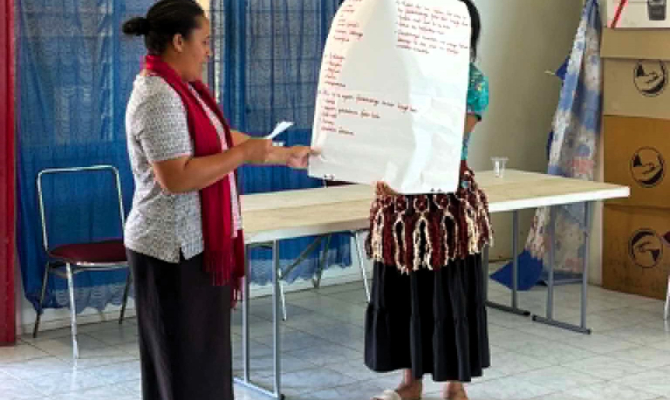
10 August 2026, Eua - The future of ʻEua National Park in Tonga depends not only on effective restoration techniques and invasive species management, but also on the people who live alongside and care for these important natural areas.
Recognising this, the SPREP led Pacific Regional Invasive Species Management Support Service (PRISMSS) recent site assessment mission in Tonga also included a dedicated Gender Equality, Disability and Social Inclusion (GEDSI) and Traditional Knowledge workshop to ensure that community perspectives help shape ongoing restoration efforts in ʻEua. The initiative was part of the PRISMSS Resilient Ecosystems Resilient Communities (RERC) programme.
The site assessment and the GEDSI and Traditional Knowledge stakeholder engagement workshop, led by the Tonga Ministry of Meteorology, Energy, Information, Disaster Management, Environment, Climate Change & Communications (MEIDECC) and the Ministry of Agriculture, Forest and Food (MAFF), in coordination with PRISMSS, was conducted to identify community priorities, strengthen inclusive participation and document traditional ecological knowledge relevant to restoration and invasive species management.
Bringing together 20 participants from communities on the island, including 12 women and eight men, the workshop provided an opportunity for community members to share their experiences, identify challenges and contribute ideas for strengthening conservation initiatives.
Participants reflected on the diverse groups that make up their communities, highlighting the important contributions of women, youth, church leaders, farmers, elders, fishermen, volunteers, students, community committees, people with disabilities, fakaleitī (gender fluid), water committees and disaster response groups. Together, these groups support livelihoods, education, health, environmental stewardship, leadership, cultural values, and the transfer of traditional knowledge from one generation to the next.
While participants acknowledged the strong sense of community that exists on ʻEua, discussions also highlighted that some voices are not always heard.
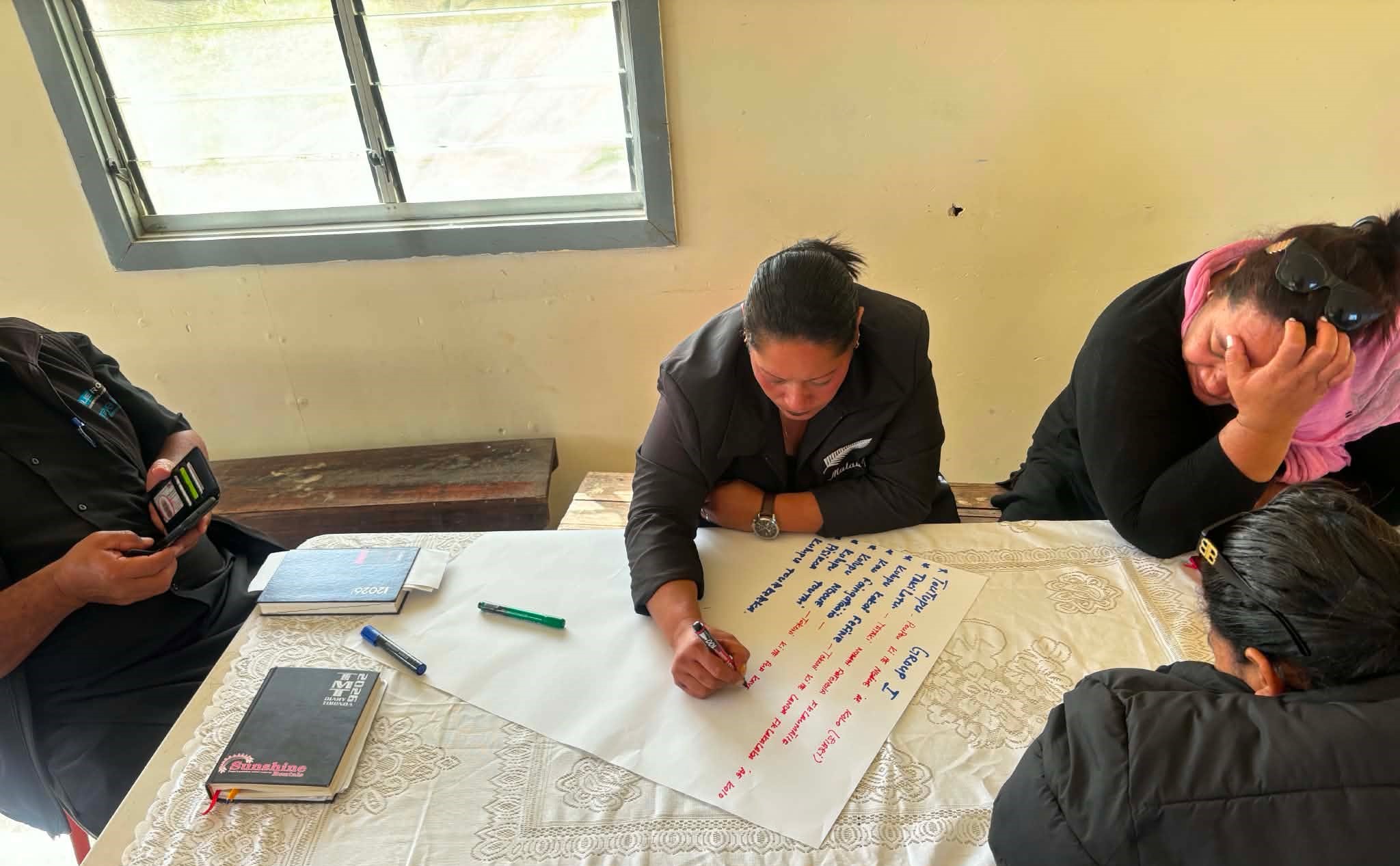
“Elderly people can face mobility and transport barriers that limit their participation, while youth, people with disabilities, and the fakaleitī community members may not always be fully included in decision-making processes”, shared Mr. Inoke Efavi, an elder of the community.
Participants stressed that successful conservation depends on ensuring everyone had the opportunity to contribute and suggested greater use of inclusive community activities, stronger youth engagement, and improved accessibility to meetings and events.
SPREP Invasive Species Officer, Mr Josef Pisi shared that, “the workshop also demonstrated the continuing importance of traditional knowledge in caring for the island’s natural environment.”
“Community members shared local practices that have long guided environmental management and can support modern conservation efforts and discussions revealed how seasonal knowledge and lunar cycles continue to influence decisions on planting and invasive species control.”
Traditional approaches to managing invasive animals, including the use of pit traps for feral pigs, slingshots for feral cats and baiting techniques for rat control, were also discussed as examples of local knowledge that can complement scientific restoration methods.
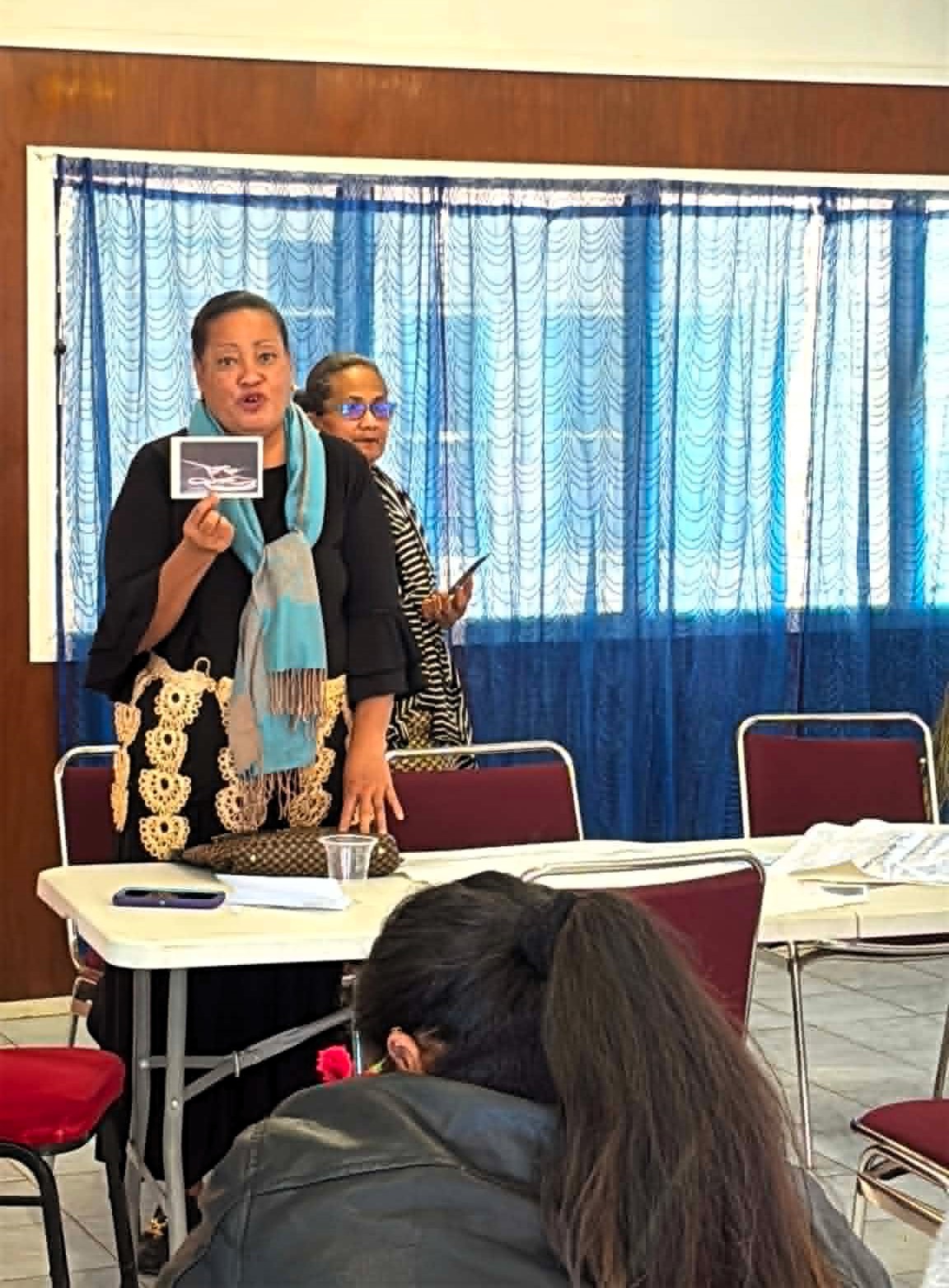
Participants agreed that restoration programmes are strongest when traditional ecological knowledge and modern conservation approaches are combined. Local knowledge provides valuable insights into seasonal patterns, species behaviour and environmental change, while community participation helps ensure that restoration activities are sustainable and supported by those who know the landscape best.
“A traditional practice for us is that invasive plants are removed during the Nio moon phase to help reduce regrowth, while native species are often replanted during the full moon or rainy season to improve survival rates”, shared Ms. Malia Feleti a participant from Eua community.
The discussions focused on practical ways to strengthen community inclusion and traditional knowledge within restoration activities. Participants emphasised the importance of community-led replanting programmes, crop and livestock competitions, healthy living initiatives based on local foods and greater collaboration between community groups.
They also highlighted the role that community gatherings, church events, kava circles, sports tournaments, market days and clean-up campaigns can play in bringing people together, sharing knowledge and building support for conservation activities.
“There was strong agreement that greater awareness of GEDSI principles, ongoing training opportunities and government support for inclusive participation will be essential to ensuring that all members of the community can contribute meaningfully to environmental management”, commented Mr Viliami Hakaumotu the National Invasive Species Coordinator based with MEIDECC.
Participants recognised that restoration is not solely about removing invasive species or protecting native habitats. It is equally about strengthening communities, valuing local knowledge, and creating opportunities for everyone to participate in safeguarding the island’s natural heritage.
The insights gathered during the workshop will contribute directly to restoration planning and implementation within ʻEua National Park, one of Tonga’s most important biodiversity sites.
Funded by the New Zealand Ministry of Foreign Affairs and Trade and the United Kingdom International Development, the PRISMSS RERC GEDSI and Traditional Knowledge stakeholder engagement workshop reinforced the importance of placing people at the centre of conservation efforts, ensuring that restoration is guided not only by science and technology, but also by the knowledge, experience and aspirations of local communities.
By embracing inclusive participation and traditional knowledge, ʻEua is helping to build a stronger foundation for resilient ecosystems and resilient communities.
About PRISMSS: The Pacific Regional Invasive Species Management Support Service (PRISMSS) is a service designed to facilitate the scaling up of operational management of invasive species in the Pacific. PRISMSS brings together experts to provide support within the Pacific region with a focus on protection of indigenous biodiversity and ecosystem function. As a service provider, PRISMSS provides a comprehensive suite of support services in a cohesive, effective, efficient, and accessible manner to Pacific Island countries and territories.
Restoring Island Resilience (RIR): The PRISMSS - Restoring Island Resilience (RIR) is a New Zealand-PRISMSS collaboration project that aims to improve Pacific Island Countries and territories livelihoods and resilience to climate change by reducing the impact of invasive species on natural and agricultural ecosystems through the six PRISMSS programmes.
PRISMSS Powered by: New Zealand Foreign Affairs & Trade, United Kingdom International Development, GEF, United Nations Environment Programme & SPREP.
PRISMSS Partners: Bioeconomy Science Institute NZ, Birdlife International, Earth Sciences New Zealand, New Zealand Department of Conservation, Island Conservation, the Pacific Community and SPREP.
PRISMSS Programmes: Protect Our Islands (POI), Predator Free Pacific (PFP), War on Weeds (WOW), Natural Enemies Natural Solutions (NENS), Resilient Ecosystems Resilient Communities (RERC) and Protect Our Marine Areas (POMA).
For additional information please contact Mr Dominic Sadler, PRISMSS Manager on dominics@sprep.org or Mr Nitish Narayan, PRISMSS Communications & Liaison Officer on nitishn@sprep.org