

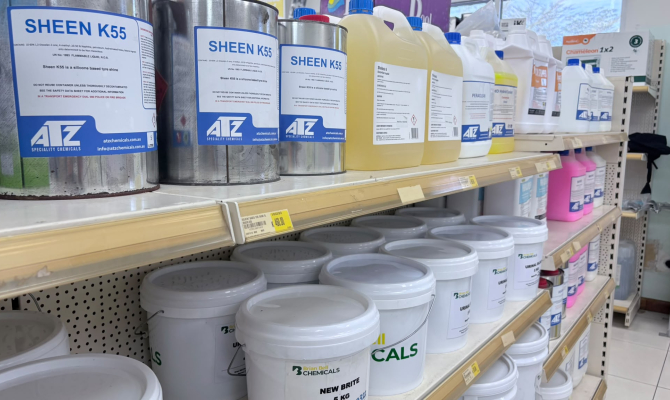
10 August 2026, Port Moresby - The Conservation and Environment Protection Authority (CEPA) has commenced the development of Papua New Guinea's National Chemicals Management Strategy, marking a significant milestone in strengthening the country's capacity to manage chemicals safely and sustainably.
The National Chemicals Management Strategy will provide Papua New Guinea with a comprehensive framework for the environmentally sound management of chemicals throughout their lifecycle—from importation, manufacture, transport and storage to use, recovery and final disposal. 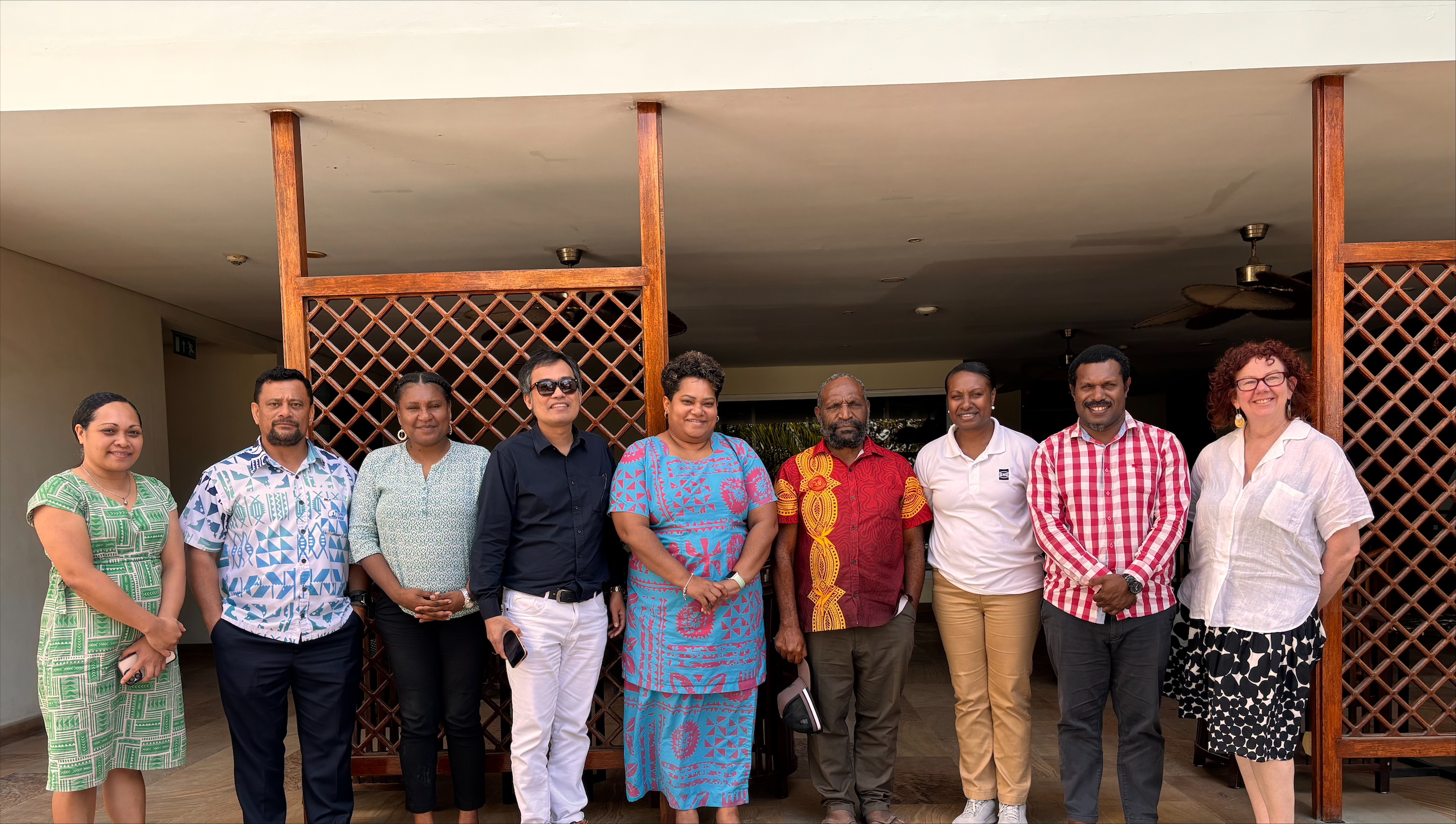
The Strategy will strengthen national systems to protect human health, safeguard the environment, and support sustainable economic development.
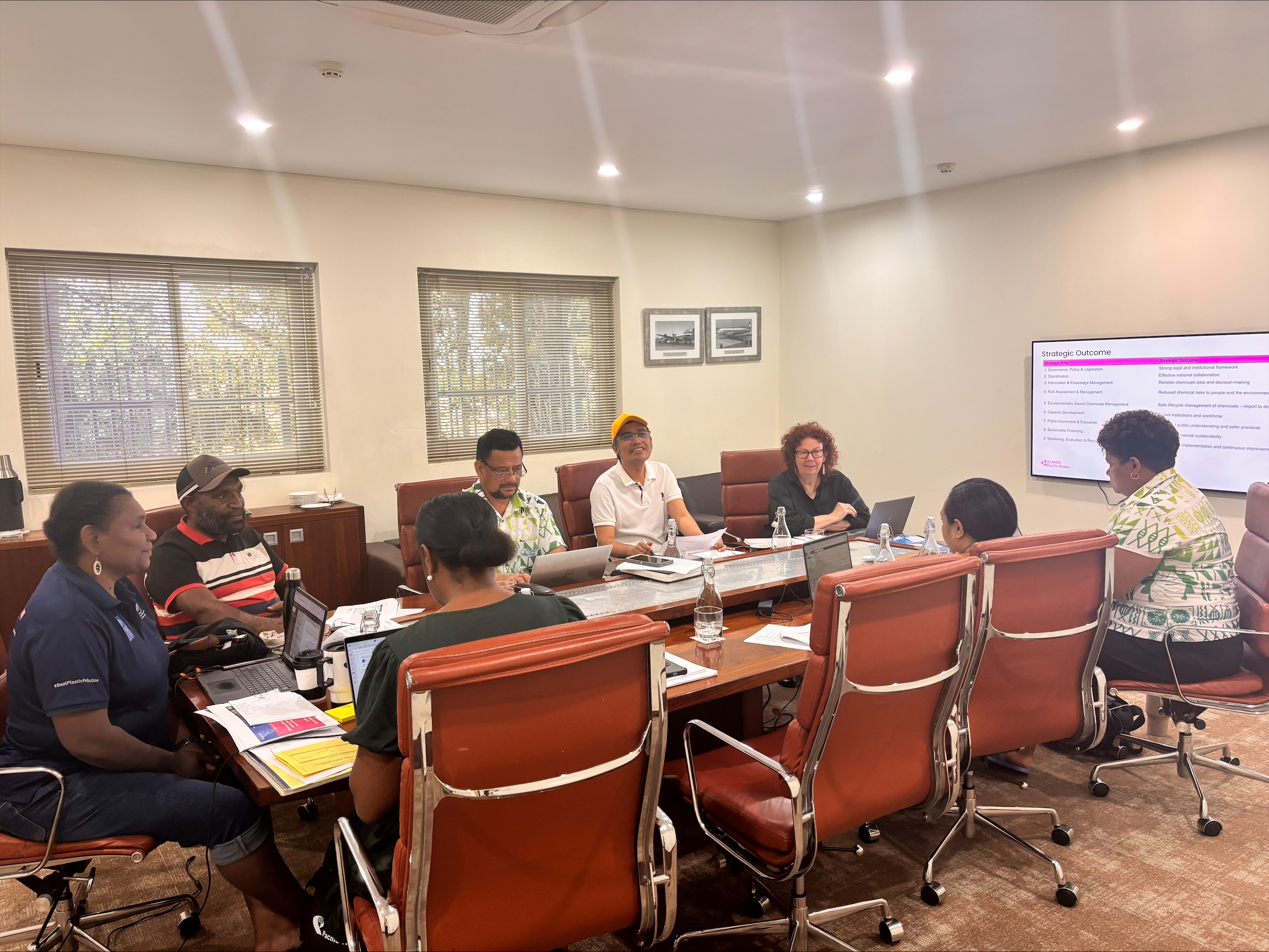
The drafting process commenced with a two-days workshop to identify national priorities and agree on the strategic direction of the new framework. The initiative is being undertaken with technical support from the Secretariat of the Pacific Regional Environment Programme (SPREP) and the United Nations Environment Programme (UNEP) through the GEF ISLANDS Pacific Child Project.
"Effective chemical management is critical for PNG. Our growing industrial activity, rapid urbanisation, and the high use and often improper management of chemicals across the country leave us at significant risk of pollution and harm to human health and the environment," said Mr Brendan Trawen CEPA’s Acting Director for the Renewable Resources Division under the Environment Protection Wing.
“This Strategy is also critical to strengthening our ability to meet PNG's international reporting obligations under the Basel, Rotterdam, Stockholm and Minamata Conventions, and regionally under the Waigani Convention, by consolidating the data, monitoring and reporting systems we need to demonstrate compliance to convention secretariats.”
As the national authority responsible for environmental protection and the implementation of multilateral environmental agreements, CEPA is leading the development of the Strategy in collaboration with government agencies, industry representatives, development partners, academia and civil society. The process reflects Papua New Guinea's commitment to strengthening chemicals governance and improving coordination across sectors.
The development of the Strategy comes at a critical time as Papua New Guinea continues to experience growth in agriculture, mining, manufacturing, healthcare and urban development, resulting in increased production, importation and use of chemicals. While these chemicals are essential for economic growth and improved livelihoods, their improper management can pose significant risks to human health, biodiversity and the environment.
The National Chemicals Management Strategy is expected to focus on key priority areas, some of which include strengthening chemicals governance, legislation and policy, reducing chemical risk to people, animals and environment as well as building technical capacity and raising public awareness.
Following the 2 days drafting workshop, CEPA will engage stakeholders from government, industry, provincial administrations, research institutions and communities to ensure the Strategy reflects national priorities and practical implementation needs. The consultation process will also identify infrastructure and investment priorities required to strengthen chemicals management across the country.
“Just as importantly, this Strategy is a platform for collaboration. It will bring together CEPA, sector regulators, provincial and local-level governments, industry, academia and development partners in a shared, mutually supportive effort, because no single agency can manage chemical risks in PNG alone," said Mr Trawen.
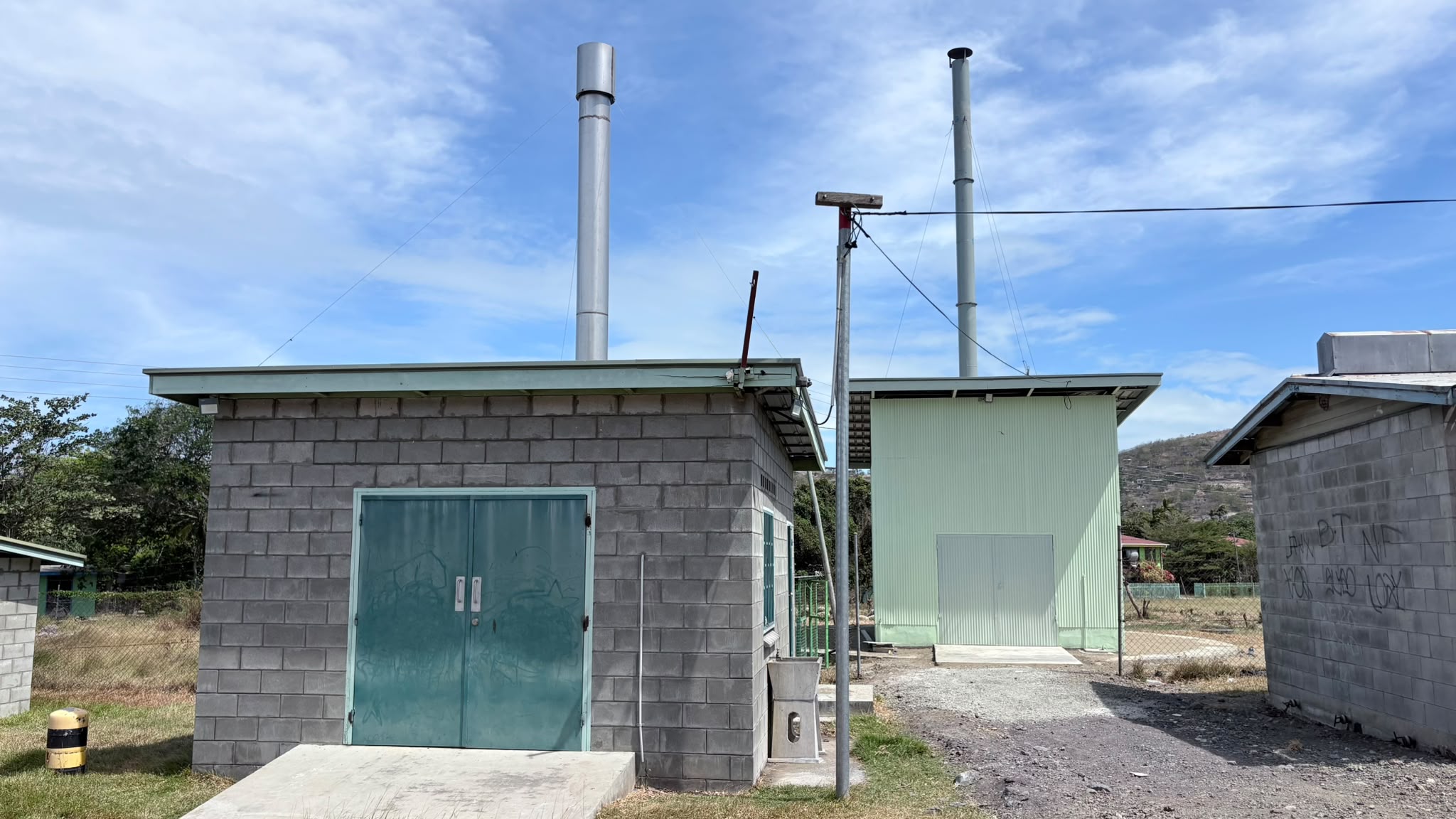
The strategy will enable PNG to establish the legislative, institutional and technical framework required to manage chemicals safely across their full lifecycle which include from import through to use and treatment and disposal, closing gaps left by the current fragmentation of responsibility across more than a dozen separate laws and agencies. This work is enabled by the Environment Act 2000, which gives CEPA the mandate to lead this framework.
“This National Chemicals Management Strategy will be our roadmap to improve our chemical governance, so we reducing risks to people and our environment, strengthening institutional capacity, and ensuring the safe and sustainable management of chemicals across Papua New Guinea for the benefit of our current and future generations,” said Mr Trawen.
The Drafting Workshop for the PNG Chemical Management Strategy was held on 1-2 August 2026 in Port Moresby, Papua New Guinea funded by the GEF ISLANDS Pacific Child Project, implemented by UNEP and executed by SPREP. GEF ISLANDS supports 14 Pacific Island countries to strengthen the environmentally sound management of chemicals and waste, reduce pollution, build national capacity, and promote sustainable financing and circular economy approaches.