

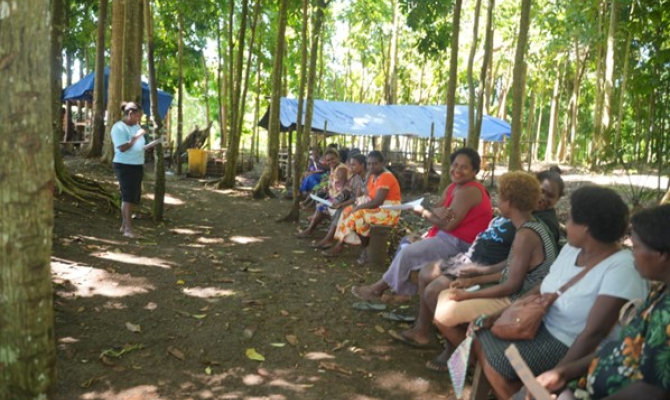
Barana, Solomon Islands – Women in the Barana community have long played a central role in supporting their families through the sale of garden produce and handicrafts. Yet, they face significant barriers to improving their livelihoods, as limited access to formal markets, a lack of proper selling spaces, and low financial literacy remain key challenges.
Recognising these barriers, the Pacific Ecosystem-based Adaptation to Climate Change (PEBACC+) project launched a two-day Bookkeeping and Financial Literacy Training on 23–24 April 2025, held at the Barana Community Nature and Heritage Park. The training directly responds to the need for stronger financial management skills among Barana women, equipping them with basic tools in record-keeping and budgeting that can be applied to their market sales.
“This knowledge is useful in running your household at the community level, so you will be able to support your family for basic family needs,” said Mr. Baddley Alaha, the principal trainer and chief guest of the event.
Supported by Bethel Enterprises and the Barana Community Nature and Heritage Park Management Committee, the training brought together 32 women, including two youth from Tandai Ward, Guadalcanal Province.
“The increase in knowledge of how to record their basic income from their garden or handicrafts will help them as a mother to properly manage their family’s household income,” said Ms. Joanne Aihunu, PEBACC+ Country Coordinator, Secretariat of the Pacific Regional Environment Programme (SPREP).
This initiative forms part of project’s goals to support ecosystem and forest rehabilitation and information centres and contributes to building community capacities in nature-based solutions (NbS). By strengthening financial literacy and business skills, the PEBACC+ project helps women improve their participation in the market economy while enhancing community and ecosystem resilience.
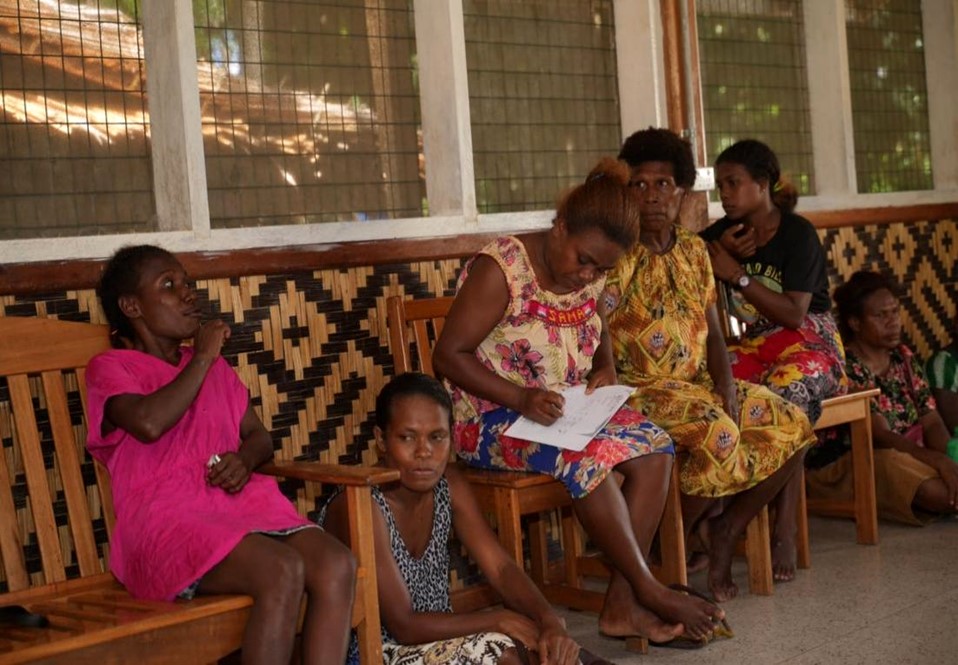
The Barana Women’s Market Assessment Report, conducted earlier this year, highlighted the lack of financial literacy and business training as a major constraint. Despite being active in selling vegetables, root crops, fruits, and seasonal handicrafts like pillows and dyed lavalava, most women lacked the skills to track income, plan savings, or reinvest profits. Additionally, poor transportation, inconsistent market demand, and the absence of proper infrastructure continue to limit their progress.
In the report, the women identified the need for specific training in areas such as financial literacy, basic bookkeeping, and building better connections with markets. With the right support in infrastructure, tools, and skills, Barana women have a strong potential to improve their income and play a greater role in the local economy.
“The knowledge acquired is important, and women trained need to seriously take what they learned from this training and apply it to their daily lives,” said Mr. Jerry Mane, Coordinator of the Barana Community Nature and Heritage Park.
The training also lays the groundwork for upcoming PEBACC+ activities such as further financial literacy sessions, livelihoods training, procurement of market tools and supplies, and establishing direct market linkages with outlets in Honiara. These follow-up actions are expected to increase Barana women’s access to formal markets and support their transition from informal roadside vending to more sustainable economic opportunities.
By addressing the root issues and providing practical solutions, PEBACC+ is helping Barana women take confident steps toward financial independence and community resilience.
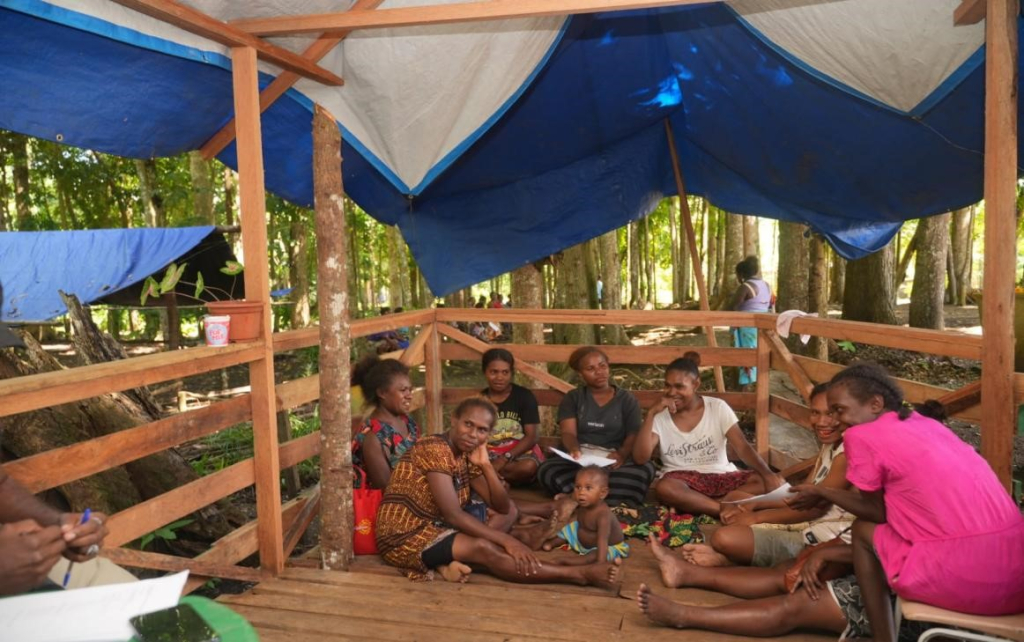
PEBACC+ is a regional project implemented by SPREP and funded by the Kiwa Initiative through its donors the European Union, Agence Française de Développement (AFD), Global Affairs Canada, Australian Government Department of Foreign Affairs and Trade (DFAT) and New Zealand Ministry of Foreign Affairs and Trade (MFAT), with co-financing from French Facility for Global Environment (FFEM). Over the next four years, the project aims to develop, sustain, and institutionalize EbA approaches in Fiji, New Caledonia, Wallis and Futuna, Solomon Islands and Vanuatu. These efforts will strengthen the resilience of ecosystems, local economies, and communities against the impacts of climate change.
For more information, please contact: Setaita Tavanabola, Communications Officer, PEBACC+ Project, SPREP; email: setaitat@sprep.org or visit www.sprep.org/pebacc-plus