

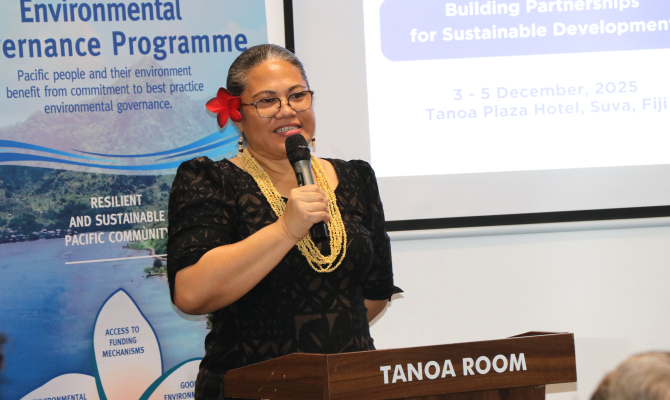
3 December 2025, Suva – A historic milestone in regional collaboration for sustainable tourism development is being celebrated in Suva Fiji with the opening of the Pacific Tourism and Environment NGO Forum this week.
Organised by the South Pacific Tourism Organisation (SPTO) and the Secretariat of the Pacific Regional Environment Programme (SPREP), the three-day forum at the Tanoa Plaza Hotel is being attended by environmental non-governmental organisations for the first time.
They join government representatives, tourism operators and regional organisations for the first structured regional dialogue on sustainable tourism and environmental conservation in the Pacific.
Under the theme "Building Partnerships for Pacific Sustainability," the gathering represents a strategic shift toward collaborative, community-based approaches to sustainable tourism across the region.
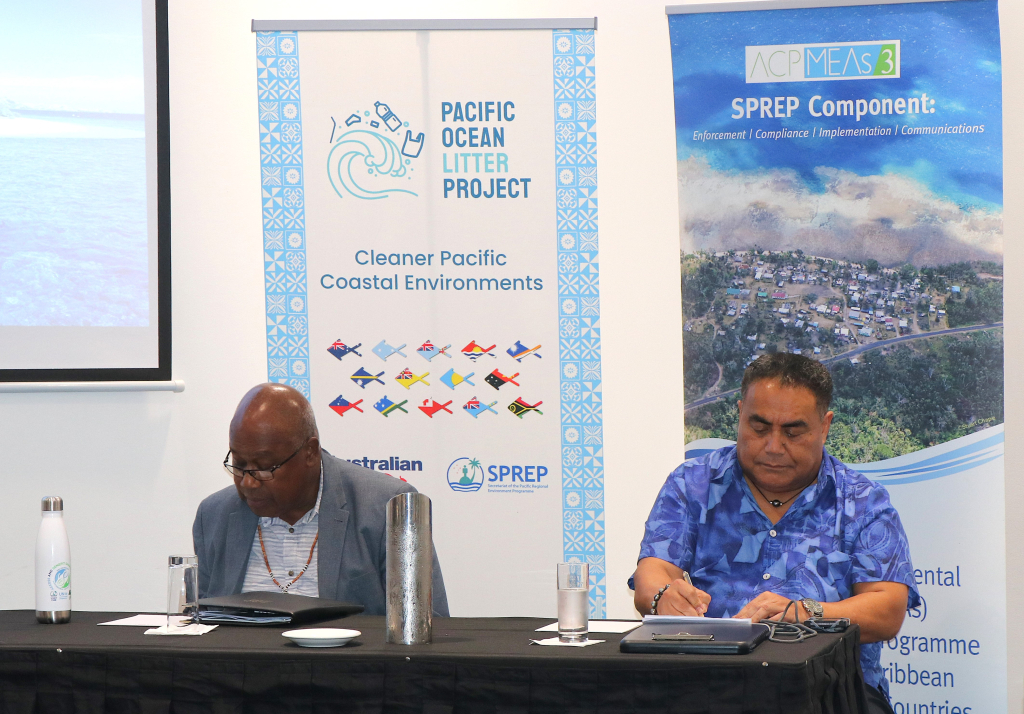
Mr Christopher Cocker, Chief Executive Officer of SPTO, acknowledged that engagement with NGOs has not been the organisation's greatest strength in the past.
"This Forum marks a decisive step to change that reality and we are committed to building strong, reciprocal partnerships," he said.
"Tourism is complex and its success depends on many actors and stakeholder groups working effectively together. Non-Government Actors play a critical role in that process, being the eyes and ears, hands and feet of governments and international development communities in our communities."
The forum directly addresses an opportunity that has emerged in Pacific sustainable tourism development. Whilst regional frameworks and guidelines exist to support environmental sustainability in tourism, there remain significant implementation gaps at the national and community levels.
An extensive network of environmental and community development NGOs already works directly with Pacific communities, maintaining deep local knowledge and trusted relationships that can extend the reach of sustainable tourism initiatives far beyond what centralised approaches can achieve.
Mr Amenatave Yauvoli, Director of Biodiversity Conservation at SPREP, emphasised the vital connection between environmental health and tourism prosperity.
"Tourism is the cornerstone of Pacific Island economies, but its success depends on healthy reefs, beaches, forests, and wildlife," he said. "When ecosystems degrade, tourism value erodes, and communities lose their livelihoods and cultural anchors."
Mr Yauvoli highlighted real-world examples affecting the region.
"We have seen around our Pacific examples of how coral bleaching events have affected dive tourism, and coastal erosion threatening beachfront resorts and hotels. Equally tour operators and tourists have a responsibility to ensure their activities on the reef are sustainable and do not contribute to declining reef health.
“Waste management challenges in popular tourist destinations impact visitor experience and marine health. These are real concerns not only for Fiji as a regional leader in tourism, but also our other islands around the Pacific."
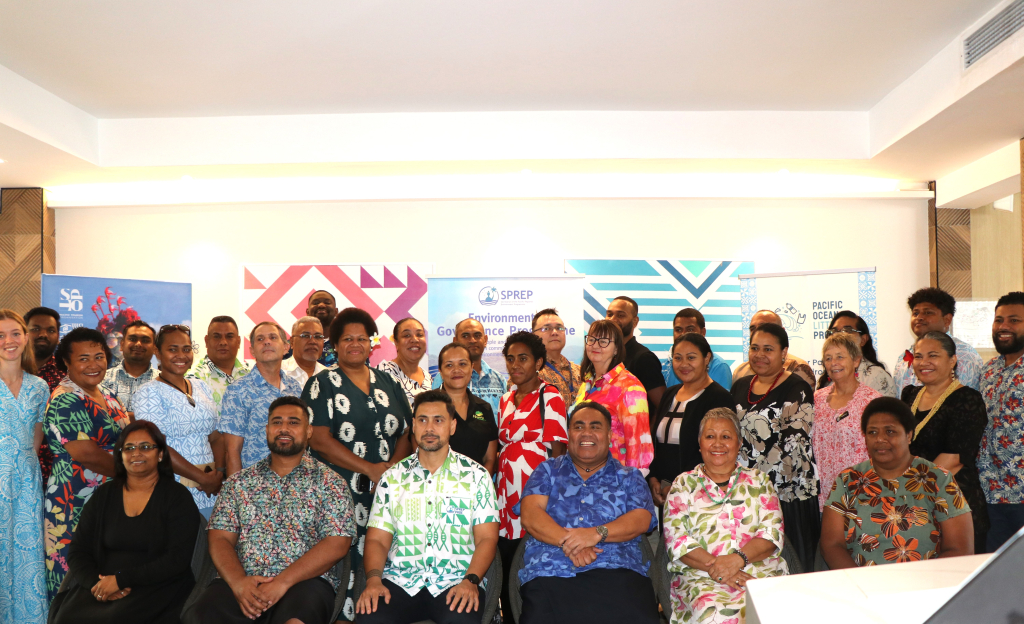
The forum has brought together representatives from leading Fiji Government and non-government actors in the Environment, Tourism and Community Development Spaces including World Wildlife Fund (WWF-Pacific), Conservation International (CI), IUCN Oceania, Mamanuca Environment Society (MES), the Fiji Locally Managed Marine Areas Network (FLMMA), Kaibu Foundation, Pacific Recycling Foundation (PRF), Foundation for Rural Integrated Enterprises and Development (FRIEND), and NatureFiji-Mareqeti Viti, as well as academic institutions University of the South Pacific (USP) and the Fiji National University (FNU).
These organisations work alongside government representatives from the Fiji Ministry of Tourism and Civil Aviation, the Fiji Ministry of Environment, private sector representatives from the Fiji Hotel and Tourism Association and the Duavata Sustainable Tourism Collective and private operators, who are also attending the forum.
Over the three days, participants will engage with critical sustainability tools and frameworks developed through the SPTO-SPREP partnership. These include the Standards and Certification Programme for Phasing Out Single-Use Plastics in the Pacific Tourism Industry, Guidelines for Environmental Audits of Tourist Accommodations in the Pacific, Environmental Impact Assessment Guidelines for Coastal Tourism Development, and Responsible Marine Wildlife Viewing Guidelines.
The forum builds on the strong foundation of collaboration between SPTO and SPREP established through their Memorandum of Understanding. This partnership has already delivered several joint initiatives including the EU-funded ACP MEA 3 Environmental Governance and Management programmes and the Pacific BioScapes Programme as well as the Australian Government funded Pacific Ocean Litter Project supporting single-use plastic reduction in the tourism sector.