

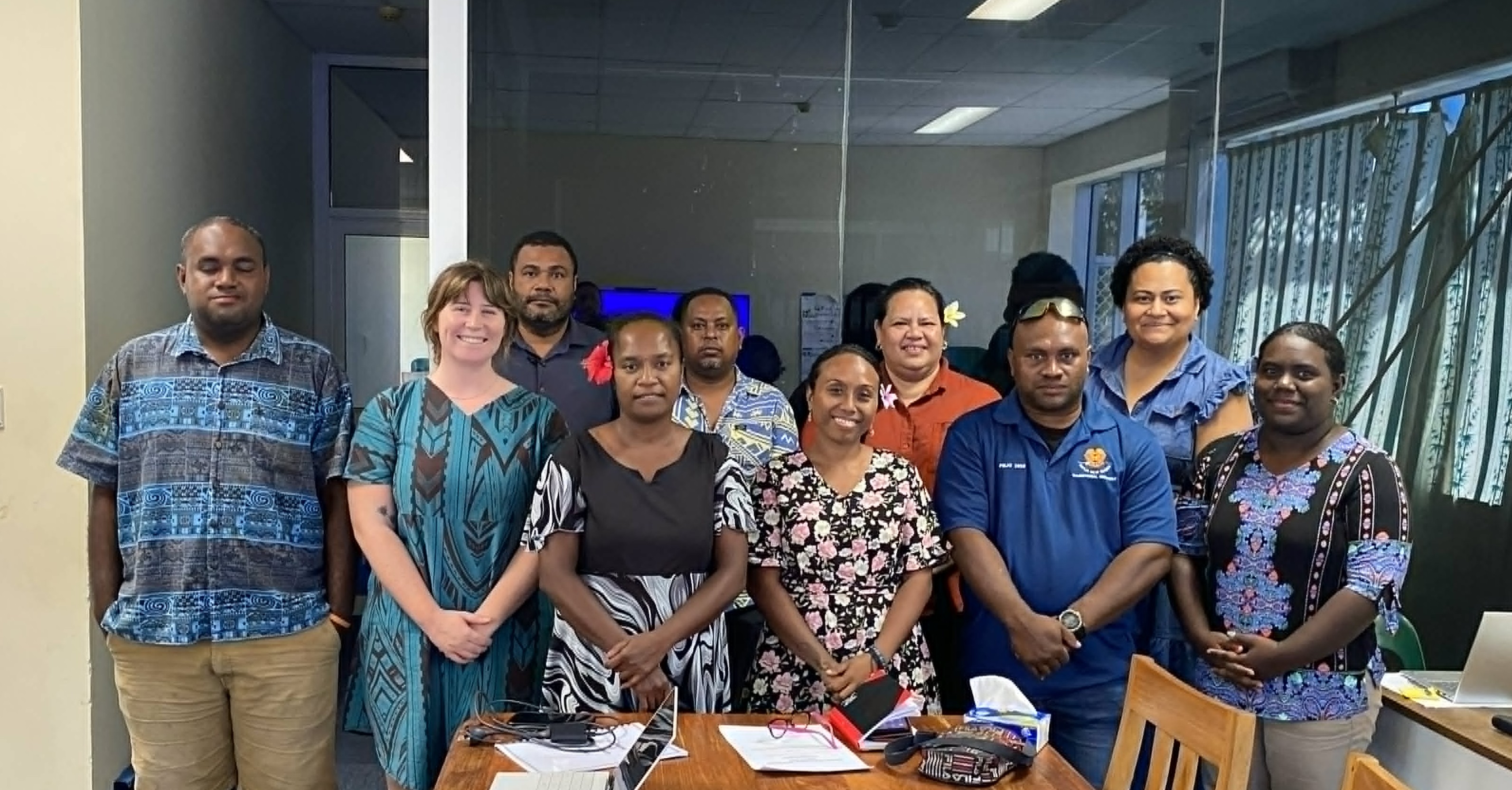
17 May 2026, Honiara - Solomon Islands has taken another critical step to build its capacity to respond to climate-induced Loss and Damage, with the completion of the Climate Loss and Damage Evidence Base, National Validation Workshop. Hosted by the Ministry of Environment, Climate Change, Disaster Management and Meteorology (MECDM), with the support of the Secretariat of the Pacific Regional Environment Programme (SPREP) and ViPACT Consultancy, the three-day consultation focused on the draft Climate Loss and Damage Evidence Base report.
According to the report, documented economic losses from climate-related events since 1986 has cost the Solomon Islands a staggering USD 300 million. This amount only scratches the surface of the cost of loss and damage, including non-documented non-economic losses and damages, which cannot be quantified and measured in monetary terms. Director of the Climate Change Division of MEDCM, Mr Thaddeus Siota, said the outcome of the meeting is extremely important for the Solomon Islands.
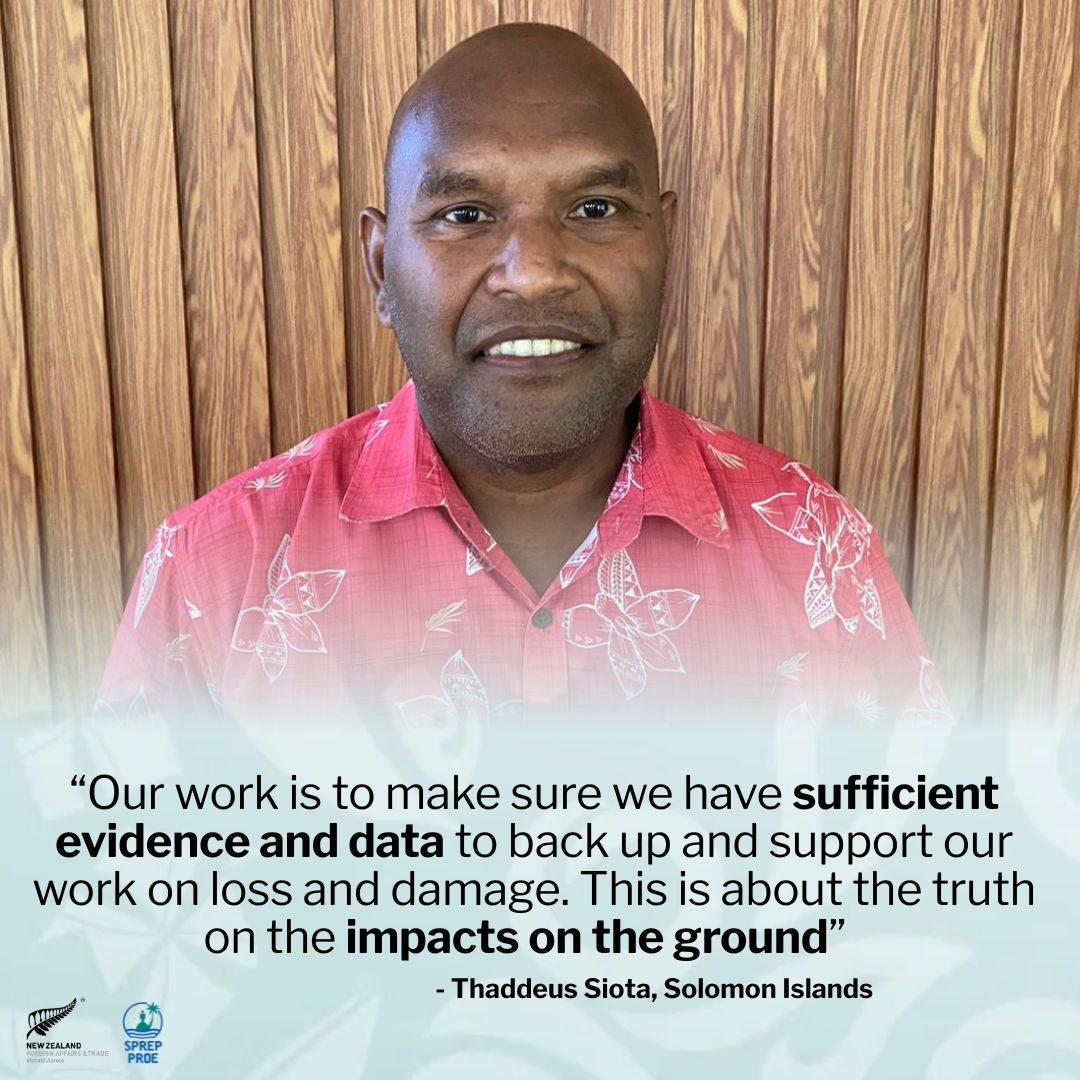
“We want to ensure that we have sufficient evidence and data to back up and support our work on loss and damage. This is about the truth on the impacts on the ground and how our communities are affected,” he said. “We’ve had all sectors take part, sharing their knowledge given their experiences in the Solomon Islands, from the community level to all the government departments. From the discussion, we know there is more work we have to do in terms of the data. The data is available, but they are scattered across all the ministries, so we need a system in place to coordinate all the data.”
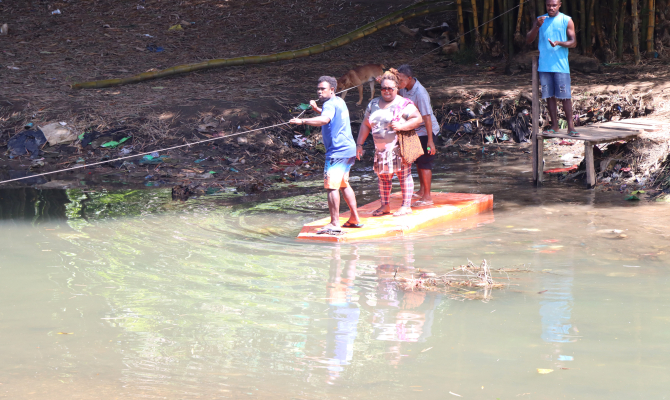
The consultation started on Monday at Red Beach where villagers shared about how climate change has already cost them in their daily lives. This was followed by two days of sector-wide consultations. Participants felt the real cost of climate induced loss and damage is far more than the data collected so far. Director Mr Siota agrees.
“The 300 USD million flagged in the draft report is from the data that we have but if we are to do a detailed analysis of the needs, and the cost of loss and damage, including non-documented harms and non-economic losses and damages, the figure will go far beyond that,” he said. “This figure only covers disasters that are declared and then assessments are done but there are many cases where disasters are not declared but people are already severely impacted by them. Having said that, this is a good start, at least we have a figure there and in moving forward, I can see this figure increasing.”
At the global level, Loss and Damage is a key priority for Solomon Islands and the Pacific region. Vanuatu first raised the issue of Loss and Damage on behalf of the Alliance of Small Island States in 1991. The Pacific has worked extensively since then to bring Loss and Damage to the attention [FN1.1]of parties to the UNFCCC and partners on the international stage. This culminated in the operationalisation of the Santiago Network in 2019 and the Fund for Responding to Loss and Damage (FRLD) in 2023, which presents an important opportunity for the Pacific to access financing and technical assistance to address Loss and Damage.
Deputy Director of the Climate Change Division within MECDM, Mr Henry Tufah, said countries like Solomon Islands must build its capacity to capitalise on this opportunity.
“The reality is that the big emitting countries caused this crisis, and from what we can see the establishment of FRLD is an opportunity for us to tap into, to help our communities,” said Mr Tufah. “But now the ball is in our court to be able to access those funds. We cannot access these fundings if we don’t have the data and evidence to back up our request for support.”
Solomon Islands is in the process of completing its national evidence base documenting climate-induced Loss & Damage across nine sectors. The workshop was important to help the community and all relevant sectors to understand the draft report, methodology, typology, and key findings. It was also a chance to identify the gaps and solutions to address these gaps.
Mr Tufah added that the gradual shift from adaptation to loss and damage means that governments have to re-prioritise, re-strategise and prepare its workforce to respond.
“From the past few days, we now have a clearer view of the amount of work, data sets that are available, and we also know what we need to improve and put in place,” he said. “We’ve listened to the communities that have experienced loss and damage as part of their daily lives, we’ve heard from the government and all the stakeholders in terms of their experience, and what they see as the needs on the ground. “What we will do from here is to document this because this will also link to other work coming up, like our Loss and Damage policy, our Loss and Damage Investment Strategy. This climate data and baseline information will inform upcoming climate action initiatives, and we will continue to build on this data.
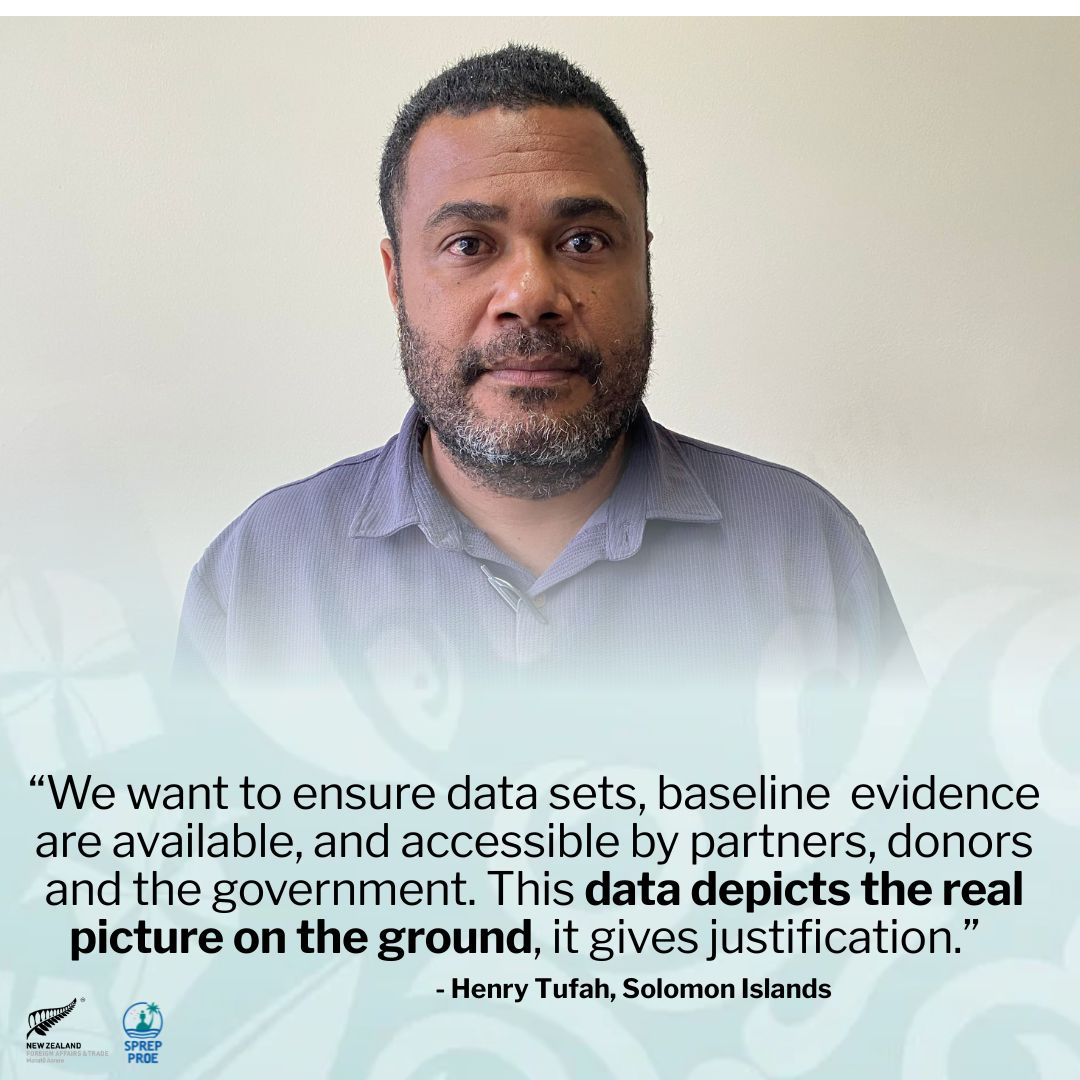
“We want to ensure those data sets, baseline and evidence is firstly available, and accessible by partners, donors and the government. This data depicts the real picture on the ground, it gives justification. We can say as much as we want that we lost this and we lost that but without this data, it is very difficult for us.” The data and evidence will also inform policy makers, the government and decision makers when they advocate for Solomon Islands’ needs at the national, regional and international level.
The Solomon Islands Climate Loss & Damage Evidence Base, National Validation Workshop from 4-6 May in Honiara is made possible with funding support from the Loss and Damage Capability and Capacity (LDCC) Project with the Government of New Zealand. For more information, please contact SPREP Climate Change Adaptation Adviser, Ms Filomena Nelson filomenan@sprep.org and SPREP Climate Change Loss and Damage Officer, Ms Jessica Rodham jessicar@sprep.org