

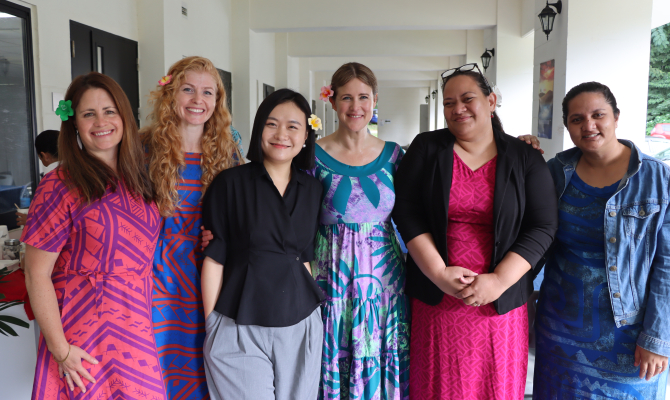
9 July 2026, Apia - The continuation of a programme aimed to improve climate and health outcomes across the Indo-Pacific and Caribbean regions has brought fifteen emerging climate and health leaders from 13 Pacific and Caribbean countries to Samoa this week.
They are in Apia for the ‘Enhancing climate, energy and health resilience across the Pacific and Caribbean’ programme implementation workshop at the Pacific Climate Change Centre (PCCC)/Secretariat of the Pacific Regional Environment Programme (SPREP) Vailima headquarters.
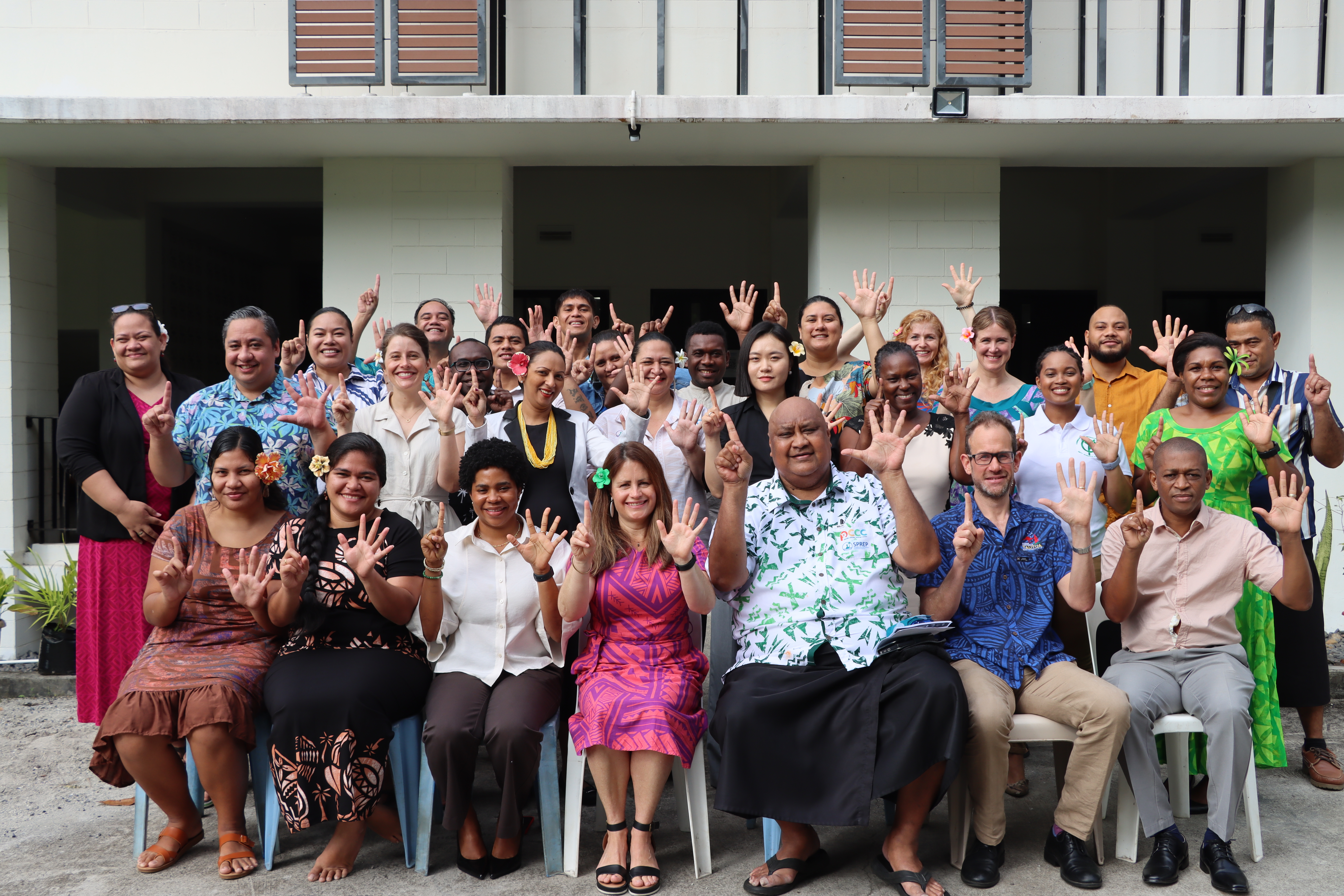
The fellows from Fiji, Kiribati, Palau, Solomon Islands, Tonga, Tuvalu, Vanuatu, Dominica, Grenada, Haiti, Jamaica, Suriname and Samoa, is the third cohort of the Australian Awards Fellowship, programme funded by the Government of Australia.
Earlier this year, The University of Melbourne, in partnership with the PCCC/SPREP, and the Caribbean Community Climate Change Centre (CCCCC), launched the programme in Melbourne.
Following the launch, the fellows went through six weeks of immersive leadership, capacity development, knowledge exchange and networking Fellowship at the University of Melbourne.
Each participant had to prepare a research output with the support of a mentor in the lead up the Samoa workshop.
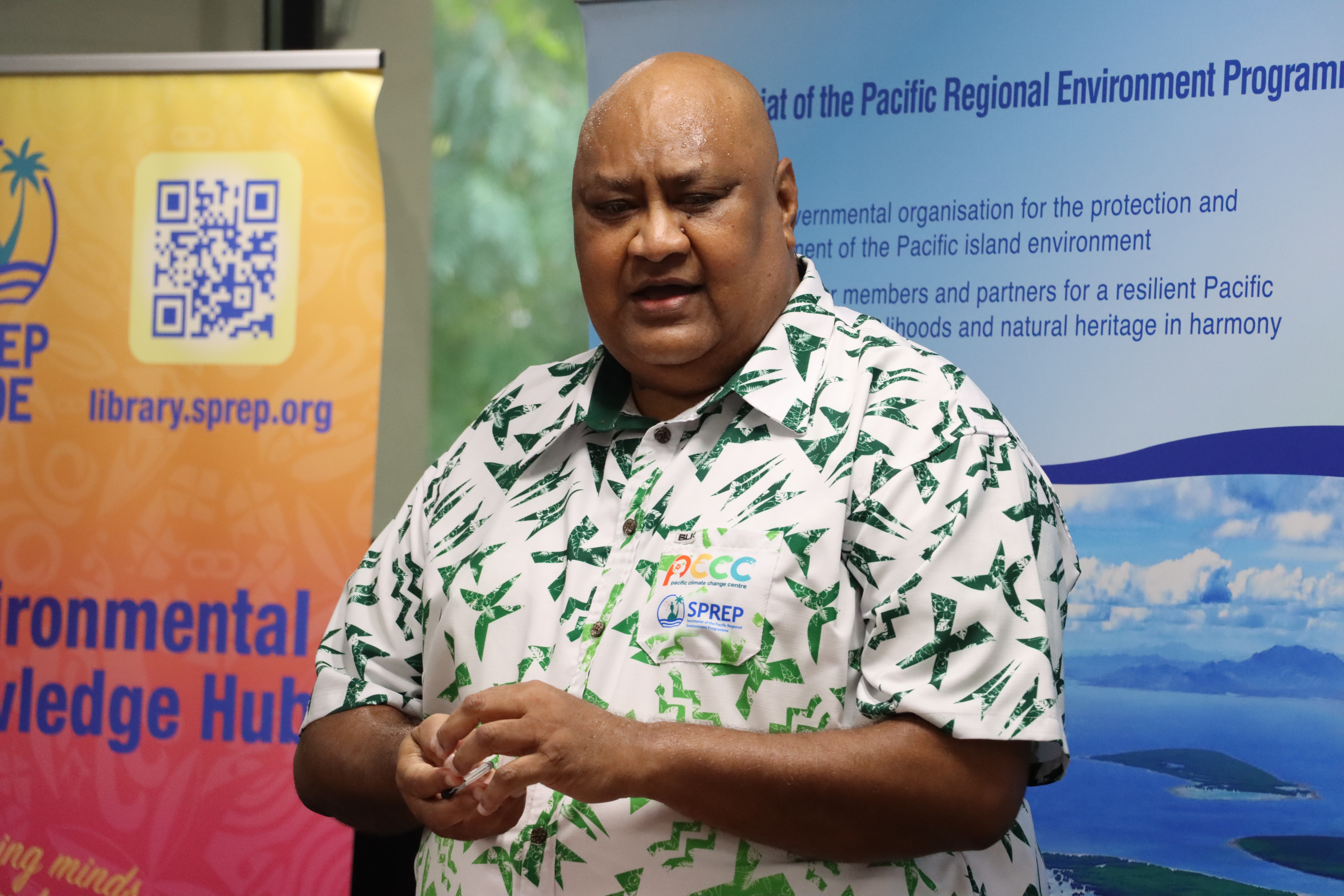
SPREP Director General, Mr Sefanaia Nawadra, welcomed the fellows to Samoa, and emphasised the importance of this week’s gathering.
“The follow-up implementation workshop this week will test how well you used that knowledge gained from your time in Melbourne to advance country-level outputs aligned with your national priorities to strengthen climate-resilient health systems, advance clean energy solutions, and integrate climate-health considerations into policy and planning processes,” said Mr Nawadra.
“This Fellowship represents far more than an academic programme. It is a powerful example of how innovative, cross-regional partnerships can bring together science, policy, and practice to respond to some of the most pressing challenges of our time - climate change, energy security, and public health resilience.”
The ‘Enhancing climate, energy and health resilience across the Pacific and Caribbean’ programme is co-hosted by Melbourne Climate Futures and the Melbourne School of Population and Global Health in partnership with PCCC, and is funded by a $500,790 grant by the Government of Australia.
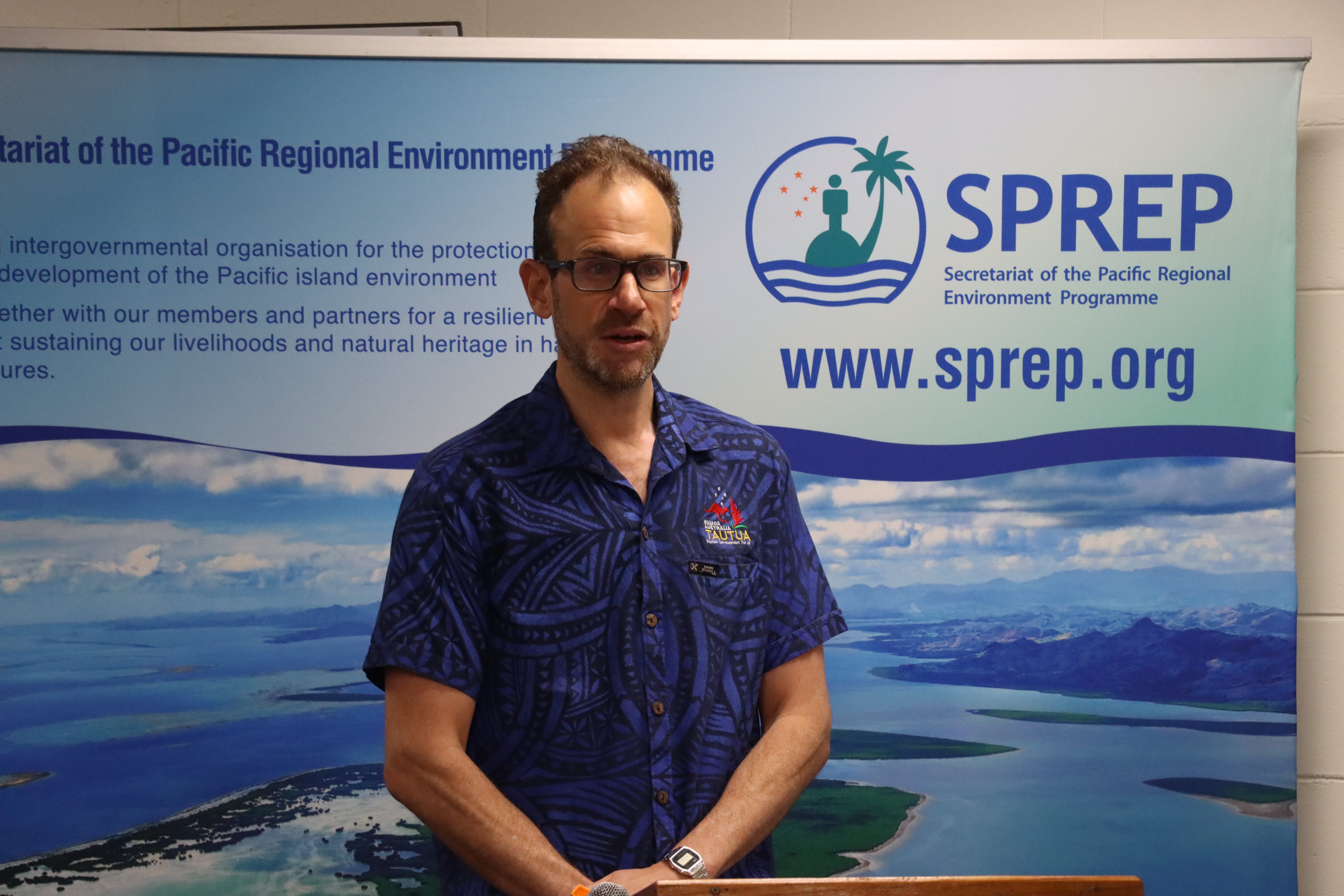
Acting Australia High Commissioner to Samoa, His Excellency Simon Dawkins, congratulated the fellows for their hard work.
“Australia Awards is about people,” he said. “It's about empowering individuals to lead change, strengthening institutions and building enduring connections between Australia, our neighbours and a global network of professionals committed to making a difference in their communities.”
The programme aims to deliver comprehensive specialist training on thematic priority areas including Adaptation considerations in Small Island States, research and practice considerations including effective community engagement and leadership and advocacy to support adaptation and resilience.
It also covers Policy and programme development to achieve climate-resilient development, pursue green energy and just transitions in Small Island States as well effective knowledge exchange and communication strategies.
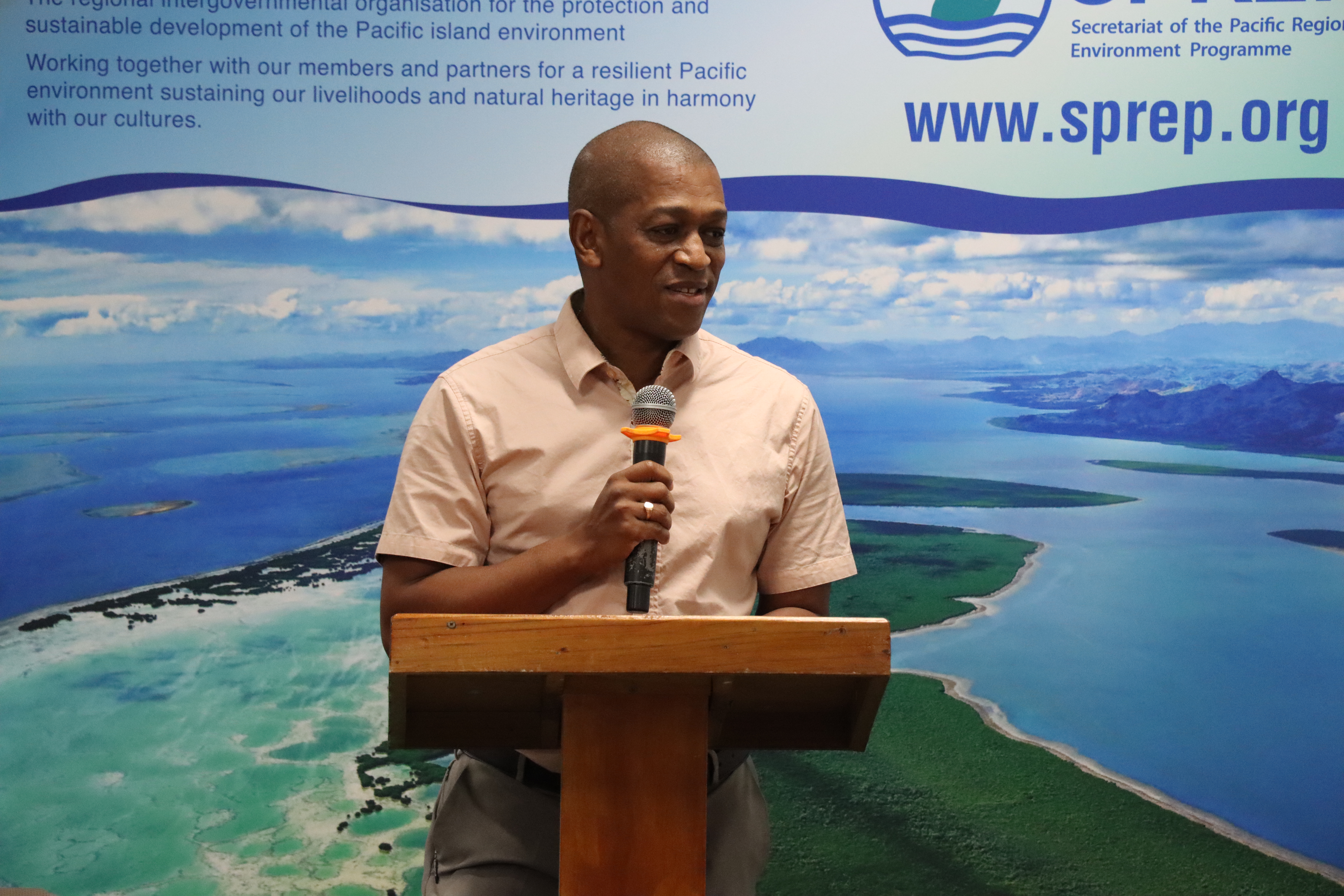
Director of the Caribbean Community Climate Change Center, Dr. Mark Bynoe, reflected that climate change impacts are universal, and the work being done in Samoa this week is timely and relevant to their communities in the Caribbean.
"I would like to acknowledge the support from the Australian Government which has allowed us to be part of this workshop,” he said. “Although we may be separated by distance and oceans, the Pacific and Caribbean countries face similar challenges from the impacts of the existential threat of climate change.”
The practical programme is designed to increase Fellows’ expertise, advancing their efforts to alleviate climate impacts upon returning home.
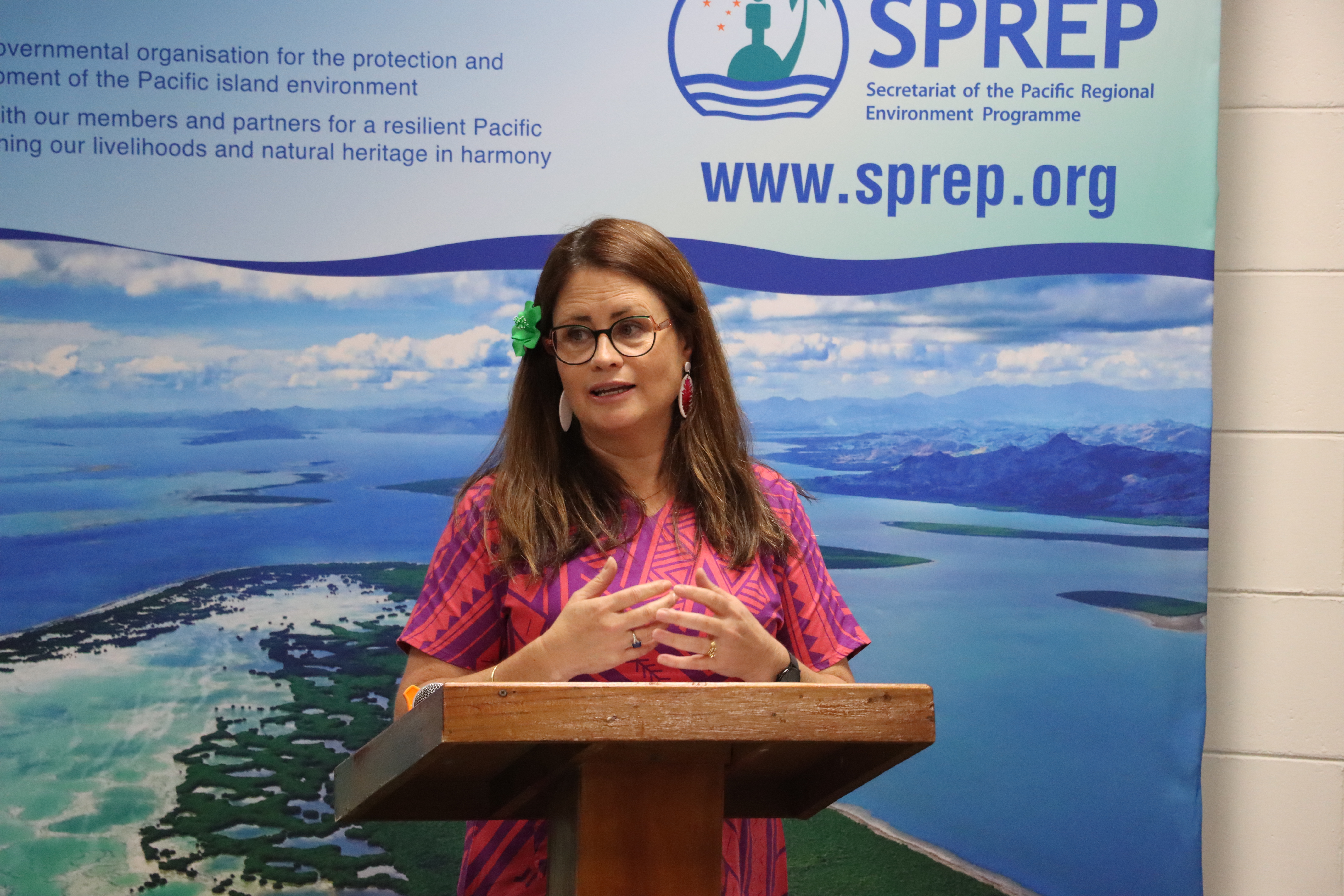
Ms Kathryn Bowen, Professor of Environment, Climate and Global Health and Deputy Director, Melbourne Climate Futures, University of Melbourne, highlighted the value of partnerships, and collaboration to respond to the needs of their communities.
“You are all leaders in your own rights,” she said. “You are on the front line of climate action in your countries, regionally and globally, we have already seen the incredible impact of all of these partnerships in this current round of the Australia Awards fellowships.”
The ‘Enhancing climate, energy and health resilience across the Pacific and Caribbean’ programme workshop in Samoa ends on Friday.