

Enhancing its ability to communicate weather and climate services information clearly to its public so they can prepare accordingly is at the core of work being undertaken in the Cook Islands.
Supported by the Secretariat of the Pacific Regional Environment Programme and the Australian-funded Climate and Oceans Support Program in the Pacific (COSPPac), work is now underway with the Cook Islands Meteorological Service to develop an updated Communications Strategy and Standard Operating Procedures for communicating extreme and hazardous weather events.
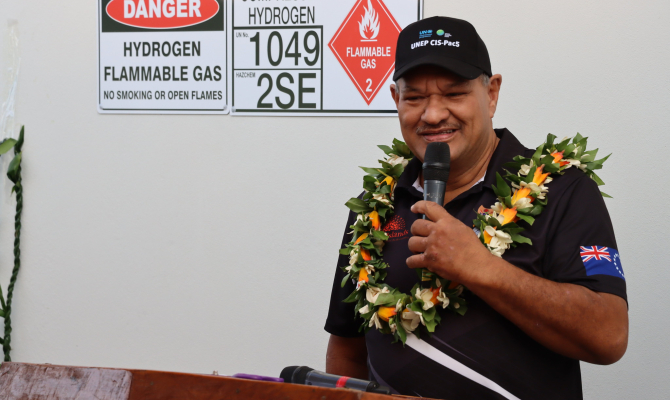
“Communicating our work is always important to us, it’s at the core of who we are and what we do,” said Mr Maara Vaiimene, Director of the Cook Islands Meteorological Service.
“With the information we share our people can plan and prepare around our weather and climate forecasts – not only in times of extreme weather events, but also for daily weather conditions. Our goal is to ensure our forecasts are as accurate as can be based upon the models we apply, and our information we amplify is clear so our people can be as prepared as possible.”
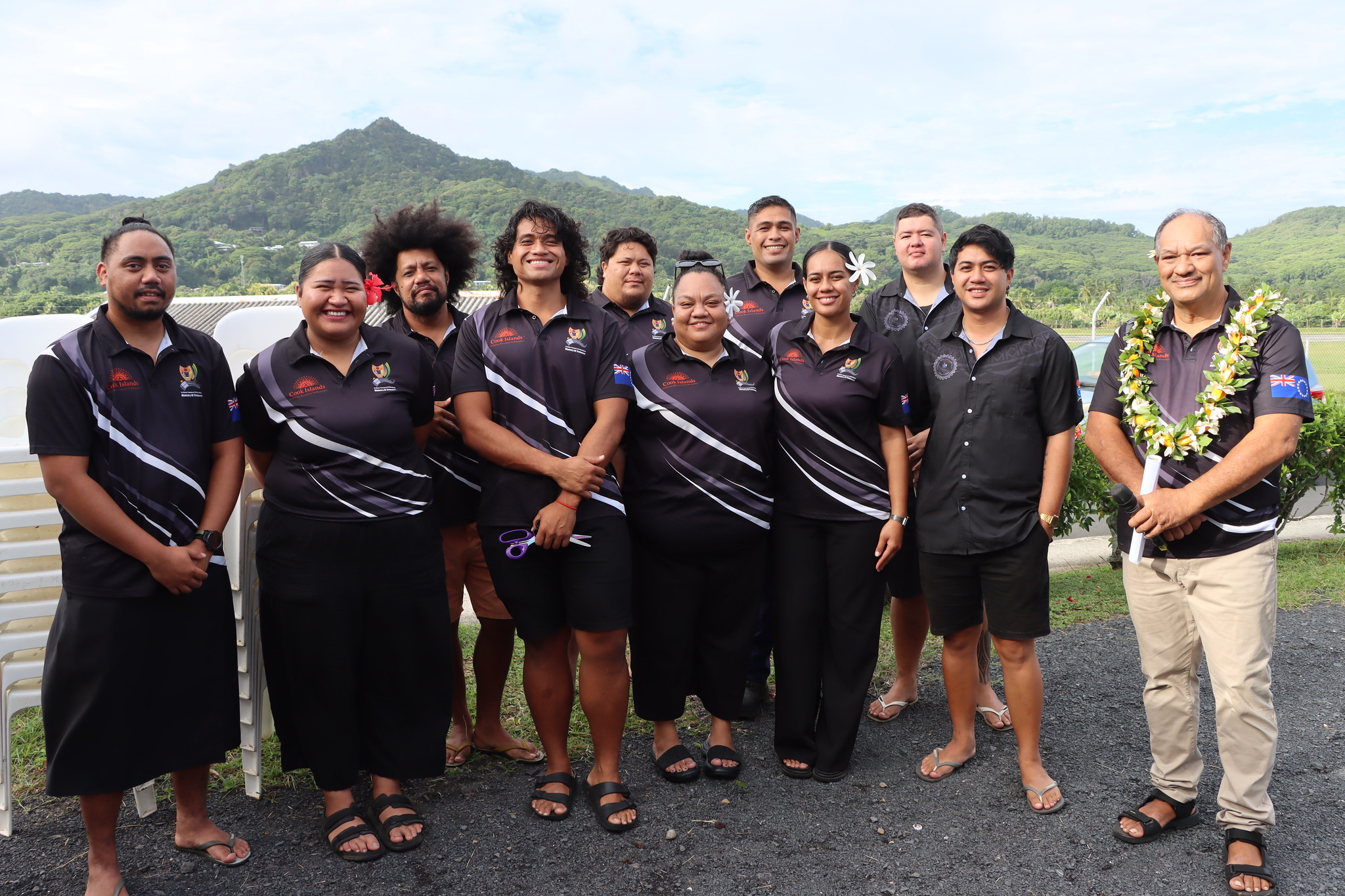
Home to over 125 years of weather data and information, the Cook Islands Meteorological Service strive towards its goal of “Taka o te mareva – Ensuring the safety of our people.” With support from the work of SPREP and other regional and global organisations such as the World Meteorological Organization, the CIMS develops and prepares a wide range of information to reach the many different sectors across the Cook Islands.
Climate Outlooks, Early Action Rainfall Watch (EAR Watch), daily forecasts, Cook Islands Monthly Ocean Outlook and a 48-hour Weather Summary for all of the Cook Islands Tropical Cyclone Outlook, are just some of the products developed by the Cook Islands Meteorological Service to help different sectors and Cook Islands homes prepare.
“What we do is very essential to us, it goes deeper than that. We often get knocked back or criticised for the content we share, but I’ve learnt that’s just part of this job worldwide,” said Mr Vaiimene.
“Meteorology is a science of probability and here at the Cook Islands Met Service, we do the best we can with the models and tools we have been provided. At the end of the day, we believe it’s crucial that our information reaches as many people as possible so they can prepare to act for their own safety or comfort.”
Across a two-week period work was underway to reinforce the foundation, empowering the Cook Islands Meteorological Staff as they amplify weather and climate information that is useful, usable, and used across the Cook Islands.
“We’re pleased to be able to support the Cook Islands Meteorological Service in helping to ensure their information reaches the last mile, so no one gets left behind,” said Ms Nanette Woonton, Communications and Outreach Adviser of SPREP.
“The work being done in this space is extremely valuable for all, the Cook Islands Meteorological Service play a key role in keeping our Cook Islands people and communities well informed. We look forward to seeing the continued amplification of the weather and climate information happening.”
Support for the Cook Islands Meteorological Service in enhancing their communications work is led by the Secretariat of the Pacific Regional Environment Programme and the Australia and New Zealand-funded Climate and Oceans Support Program in the Pacific (COSPPac).