

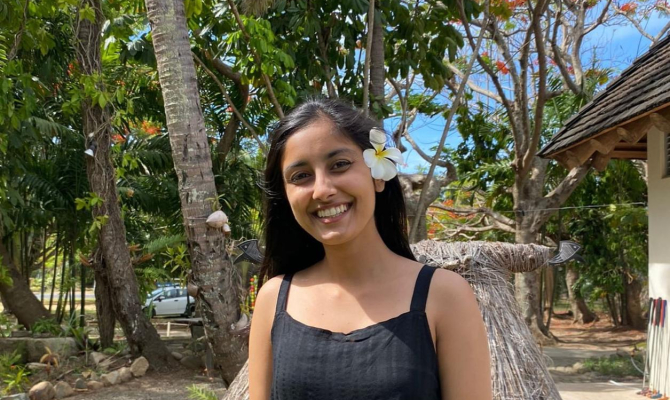
31 October 2025, Apia - A feature story authored by a university student highlighting the harm plastic pollution poses to human health in Fiji, with risks expected to rise significantly if robust action is not taken soon to address the crisis, has won the Online category of the 2024 Vision Pasifika Media Awards – Cleaner Pacific.
Ms Riya Bhagwan, a Fijian national studying journalism at the University of the South Pacific (USP), is amongst the winners of the 2024 Vision Pasifika Media Awards. Launched during the 7th Pacific Media Summit by Niue’s Prime Minister, Hon. Dalton Tagelagi, the awards celebrate excellence in environmental news content reporting across the Pacific Island region.
The theme, Cleaner Pacific, spotlights the urgent need to tackle plastic pollution, one of the triple planetary crises threatening the planet, alongside climate change and biodiversity loss.
Ms Bhagwan’s story, titled Behind the stalled progress in Fiji's plastic pollution battle, claimed the Online prize, one of four categories which received entries.
A story titled Managing Solid Waste in Gizo a tough task, by award-winning Solomon Islands journalist, Mr Moffat Mamu, of the Solomon Star, won the Print category.
The coverage of the Vatuwaqa Rugby Club’s efforts to keep their community clean by Fijian journalist, Mr Joeli Tikomaimaleya, of Fiji TV, picked up the Television category.
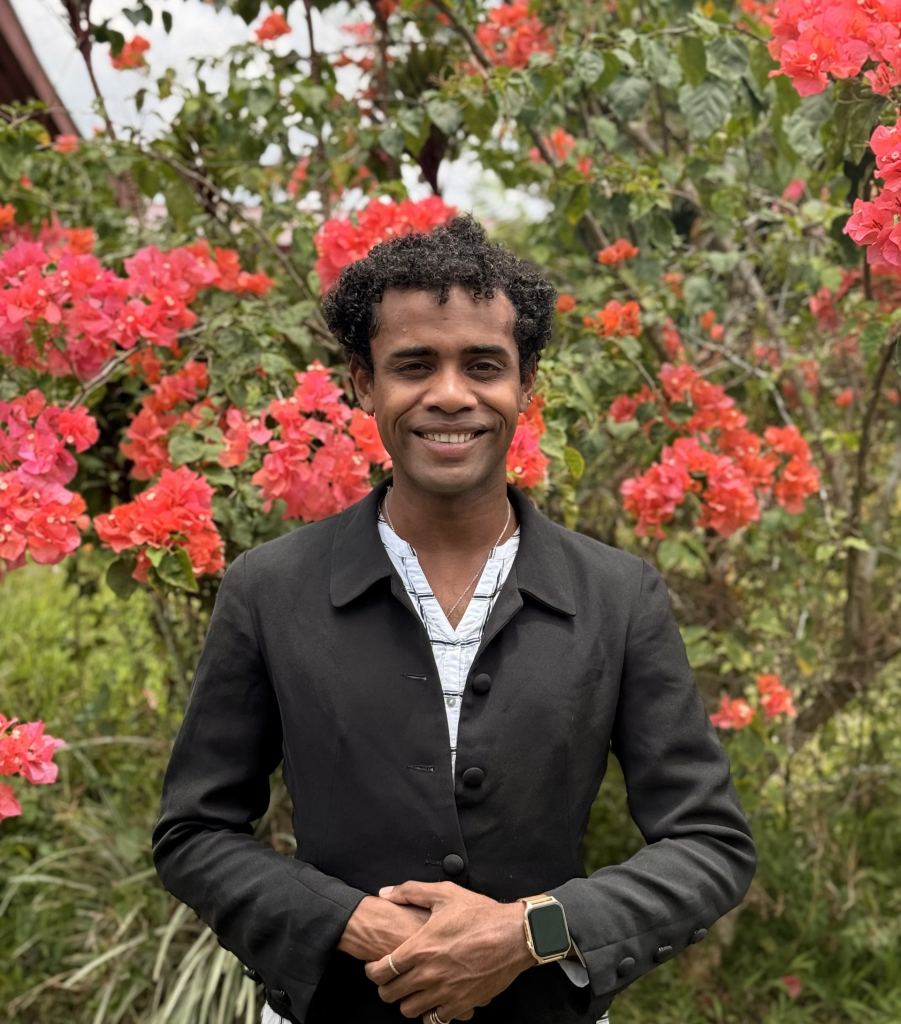
The Student Journalism Award was won by Mr Niko Ratumaimuri, of USP, for his story highlighting a call by young Fijians to keep the country plastic free.
The 2024 Vision Pasifika Media Awards is a partnership facilitated by the Secretariat of the Pacific Regional Environment Programme (SPREP) with the Government of Australia through the support for Pacific engagement in the INC on plastic pollution and the Pacific Ocean Litter Project (POLP), Office of the Pacific Ocean Commissioner (OPOC) and the Pacific Islands News Association (PINA).
SPREP Director General, Mr Sefanaia Nawadra, congratulated everyone who submitted entries, as well as the winners.
“We are drowning under a sea of waste! The Pacific Media is critical in ensuring we in the Pacific understand the challenges of waste and pollution and share ways we can work towards its effective management. Many of our waste issues originate from outside our region and our Pacific media must help our countries advocate for global action on waste especially plastic,” he said.
“The media not only informs and educates communities, but it is also a bridge that connects the work of Government officials at the national, regional and international level to the communities. This bridge in communicating vital information and sharing our stories is important because we are all impacted by the plastic pollution crisis and we all have a role to play to address it.
“These awards recognise your critical role and efforts, while we celebrate and congratulate our winners, let us also celebrate our collective efforts and commit to working together into the future.”
Despite contributing less than 1.3 per cent to global plastic pollution, Pacific Island populations are disproportionately affected by the plastic pollution crisis threatening livelihoods of Pacific communities. The majority of global plastic waste ends up in our Ocean, a matter of grave concern for the Office of the Pacific Ocean Commissioner.
“It is said that nowhere on Earth is untouched by plastic. Not even a mother’s womb. Plastic pollution is everywhere,” said Office of the Pacific Ocean Commissioner Senior Adviser, Mr Peni Suveinakama.
“As agenda setters, our journalists of the region play an important role in shaping the thinking and behaviour of our people and our policy makers. We at OPOC believe they can start by sharing stories that highlight impacts of plastic pollution and best practises by our people in managing this crisis. I encourage them to keep writing those stories that create rippling effect in their communities.”

The Award celebrates the role of the Pacific media in amplifying our Pacific Voice locally, regionally and globally to manage all wastes and understand the challenges of pollution control. PINA’s Manager and Editor, Ms Makereta Komai, commended all the journalists who submitted entries, and encouraged the media fraternity to take up similar opportunities in the future.
"The power of storytelling can turn the tide on plastic pollution. As journalists, your words and images can shine a light on the crisis facing our Pacific, inspiring action to protect our oceans, communities, and future generations. Your story could be the spark that drives change,” she said.
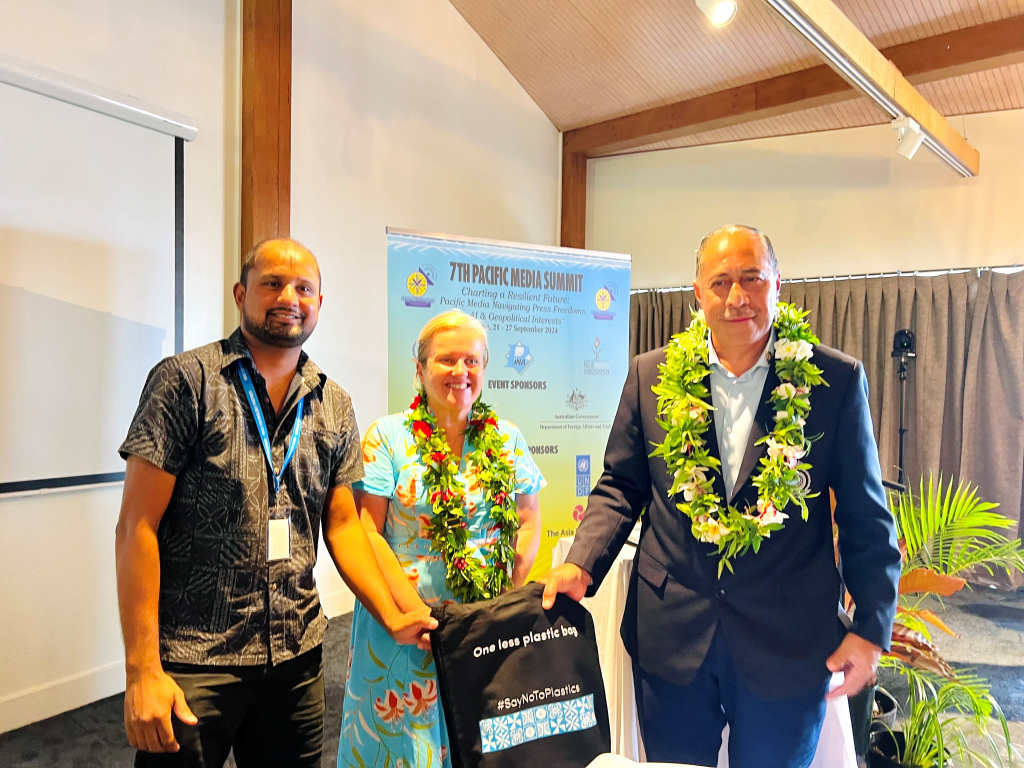
The winners acknowledged SPREP, OPOC and PINA for providing them a platform to showcase their work.
“I am honored and that my story has won the Online Category of the awards,” said Ms Bhagwan. “This is an important initiative, which provided local voices with a platform to raise awareness on a critical issue facing our region.
“What I really appreciate is that students like us were given the opportunity to participate and showcase our work. This is visionary and forward-looking.”
Mr Ratumaimuri agrees and said: “It’s a proud moment that reflects the dedication, hard work, and passion of everyone involved. This award reinforces the importance of Pacific voices in telling our own stories—especially on critical issues like climate change and environmental sustainability.”
Dr. Shailendra Singh, Associate Professor of Pacific Journalism, and Head of The University of the South Pacific Journalism Programme, said: “We sincerely thank SPREP, OPOC and PINA for their foresight in organising the Vision Pasifika Media Awards and, in particular, for including journalism students who are at times left out of national media awards. USP Journalism is proud of our students’ achievements and happy to support initiatives that encourage environmental awareness and reporting excellence.”
Up to 23 million tonnes of plastic waste enters the world’s oceans annually. If no action is taken, estimates suggest that by 2050, the Ocean could contain more plastic than fish.
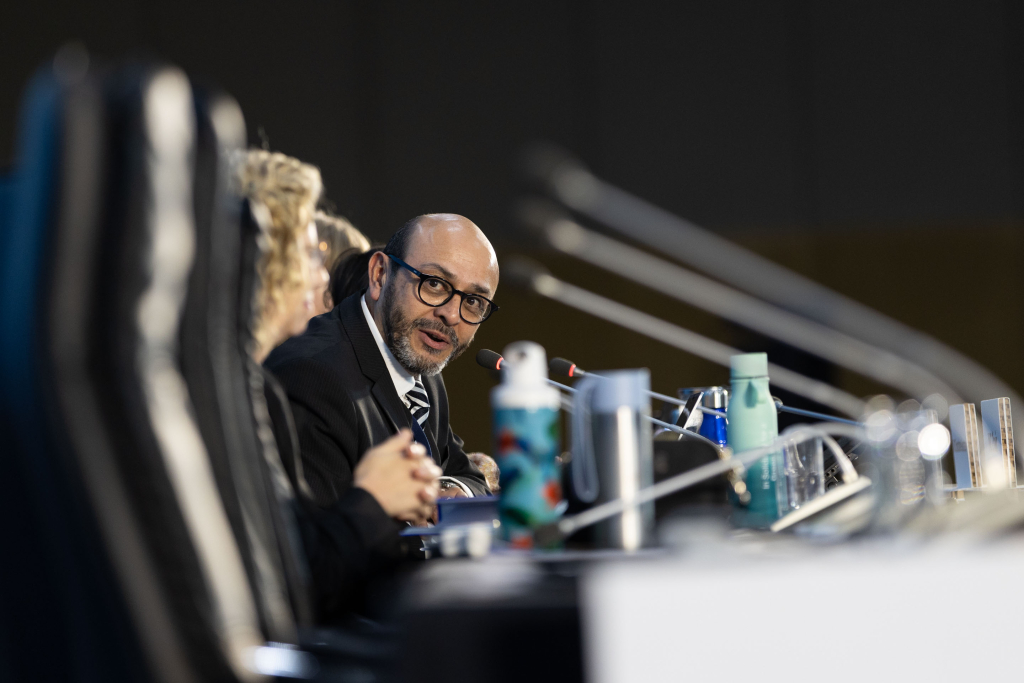
This is why Pacific countries are amongst 190 governments currently actively engaged in a series of Intergovernmental Negotiating Committees (INC) to develop an international legally binding instrument on plastic pollution, including in the marine environment.
“At the heart of it, tackling plastic pollution is not just about policies or numbers–it is about protecting the way we live and the future we want to leave behind,” Ms Bhagwan concludes in her winning story.