

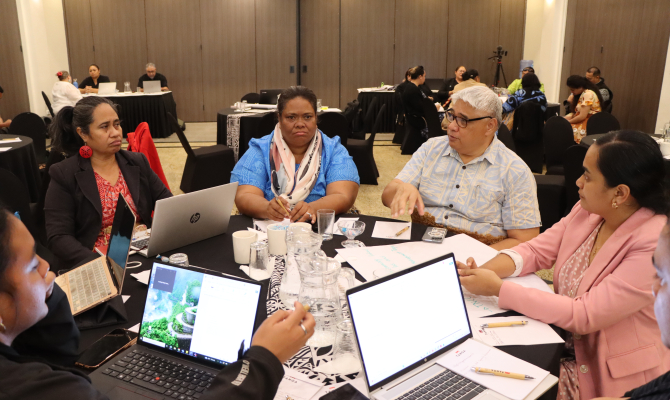
30 July 2025, Nuku’alofa, Tonga – Losses and Damages are the harms caused by climate change that are occurring due to the lack of mitigation and limits to adaptation. Loss and Damage can include harm to physical and mental health, culture, infrastructure, biodiversity, education, land, spiritual wellbeing and more. These are already largely being felt across communities in the Pacific region.
The Loss and Damage experienced differs between communities and cultures as the harms are place-based and contextually specific. Harms caused by climate change are an emotional and nuanced experience and to understand Loss and Damage it is essential to engage in talanoa at a national and community level.
The Tonga National Loss and Damage Dialogue brought together a group of stakeholders from different sectors to share their experiences and lived realities. Knowledge sharing and building understanding of Loss and Damage have been central to the Dialogue, playing a key role in guiding Tonga’s response and defining national priorities in this critical area.
Participants reported impacts on mental and spiritual health as a recurring theme when thinking about Loss and Damage.
“We have witnessed the trauma and significant impacts on community wellbeing caused by climate-induced events and disasters, particularly through loss of life and displacement, said Ms ‘Asena Taufa, Inclusive Disaster Resilience Project Manager for the Tonga National Council of Churches.
“When communities are forced to relocate after such events, such as the relocation from Ha’apai to ʻEua, we see the difficult transitions they must endure. Leaving behind ancestral lands to settle elsewhere introduces restrictions and challenges that were previously non-existent.”
“Relocation also severely disrupts livelihoods. We are currently working on a project focused on restoring these livelihoods, that have been altered by displacement. Coastal communities that once depended on fishing are now having to adapt to entirely different environments, many are learning farming and exploring alternative sources of income.”
“The emotional toll on communities is evident. Natural disasters such as hurricanes and storm surges trigger deep-seated fear. Many live with a constant sense of anxiety about the threat posed by rising seas and future events.”
Ms Taufa also spoke to the associated costs of relocation to their new homes where communities reported now having to face the added burdens of electricity and gas, water and waste costs.
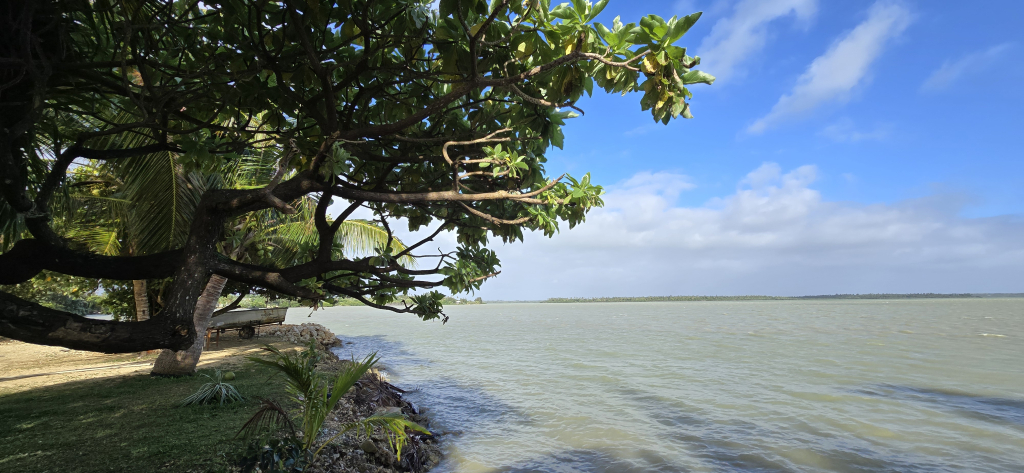
The Tonga National Coordinator for the Loss and Damage Capacity and Capability (LDCC)Project, Mr Maikolo Fonua reported encountering similar challenges in his work in documenting the lived experiences of communities after displacement.
He shared about communities reporting the challenge of transitioning from life in Atataa to Masilamea in Tongatapu, in having to pay electricity and waste collection costs, something they have not needed to do previously.
“Pacific people are culturally and spiritually connected to their lands, and when they leave, they experience a sense of loss. We have witnessed families whose loved ones are buried in the islands and after relocating long to return to their ancestral lands.”
“The relocation also causes loss of skills, fishing and making traditional medicines. Families reported no longer being able to make certain medicines because they leave behind the trees and plants needed to make them.”
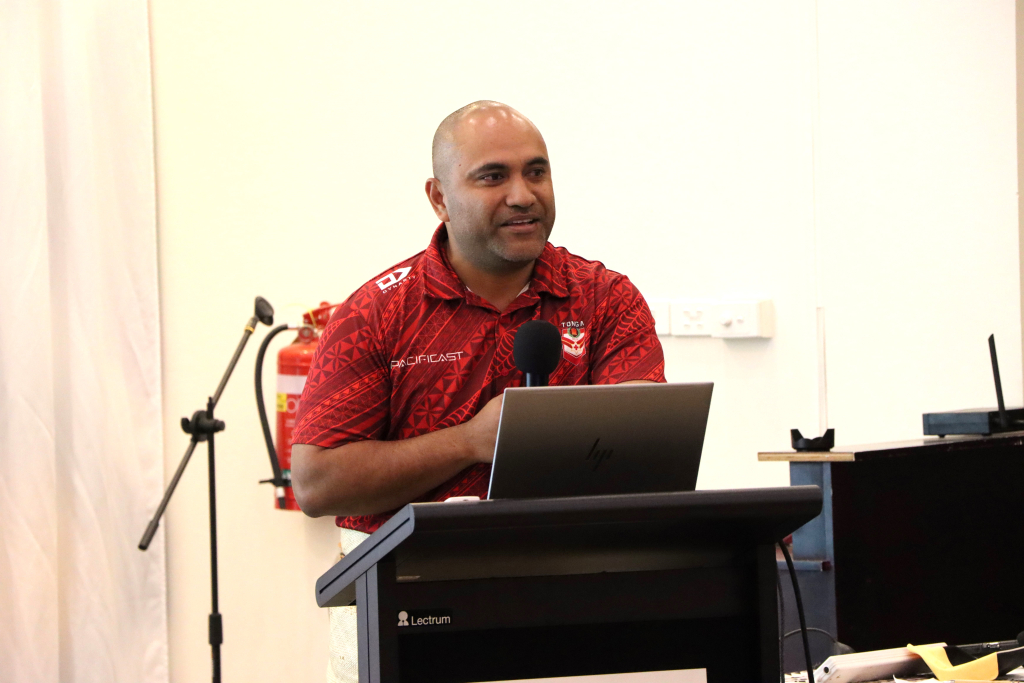
In measuring Loss and Damage, Mr Fonua shared about the challenges of limited data and local capacity, financial and technical barriers, increased frequency of disasters and the absence of frameworks to guide Loss and Damage work.
He said, “measuring Loss and Damage in Tonga and the Pacific is not just technical, it’s about visibility, identity, justice and survival”.
Tonga has shown exemplary leadership on the regional and international stages in advocating for the operationalisation of the Loss and Damage Fund established at COP27. The Loss and Damage Fund alongside projects like the LDCC supported by the Government of New Zealand and led by the Secretariat of the Pacific Regional Environment Programme (SPREP) will be instrumental in addressing the climate induced impacts felt by Pacific communities.
“Sharing and documenting the lived experiences of Pacific people on the forefront of climate change impact is crucial in empowering our region to effectively engage and address climate induced Loss and Damage”, said Ms Filomena Nelson, SPREP Climate Change Adaptation Adviser.
“The national dialogue provides a platform for lived realities, and we commend the participants who have shared their stories openly while mapping a way forward for Tonga in measuring and assessing Loss and Damage and exploring international financial mechanisms in place to support this”, said Ms Nelson.
In addition to the dialogue, further consultations conducted at the community level including vulnerable and high-risk communities in the outer islands will ensure inclusivity in determining Loss and Damage priorities for Tonga.
The Tonga National Loss and Damage Dialogue is held from 29-31 July 2025 in Nuku’alofa. It is facilitated in partnership between the Loss and Damage (L&D) Capacity and Capability Project funded by New Zealand MFAT, led by the Secretariat of the Pacific Regional Environment Programme (SPREP) and the Ministry of Meteorology, Energy, Information, Disaster Management, Environment, Climate Change and Communications (MEIDECC).
For more information, please contact Ms Filomena Nelson, filomenan@sprep.org or Tonga LDCC National Coordinator, Mr Maikolo Fonua, oseniaconsultancyservices@gmail.com