

by G. Esther Pavihi, Broadcasting Corporation of Niue
The landmark advisory opinion of the International Court of Justice (ICJ) ruling on climate change has set a new global momentum in place, but Pacific SIDS who have led the journey must also manage expectations.
Key experts in the Pacific Climate Change Roundtable hosted by the Secretariat of the Pacific Regional Environment (SPREP) in Apia this week, including those involved in the climate change negotiations for many years, say there is a need to manage expectations.
For some of the Pacific experts and leaders who have an in depth understanding of the dynamics of negotiations at international level, the ruling is a milestone step in the ongoing journey towards climate justice and a 1.5 limit on global warming.
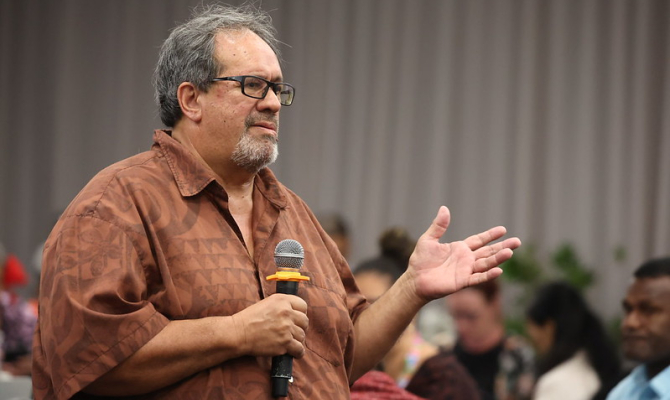
Cook Islands Director for Climate Change, Mr. Wayne King said that while he is pleased with the opinion of the ICJ, he is all too aware of the realities of matching expectation to results.
“The thing about expectation is that it won’t solve all the problems and it may give the impression that it could solve a lot of problems,” he said.
“My comments about there is a major disconnect between what we all want, some not all, but some other countries are prepared to give and that disconnect is real. So no matter how enthusiastic and motivated we are, it’s (this disconnect) a real thing that exists.”
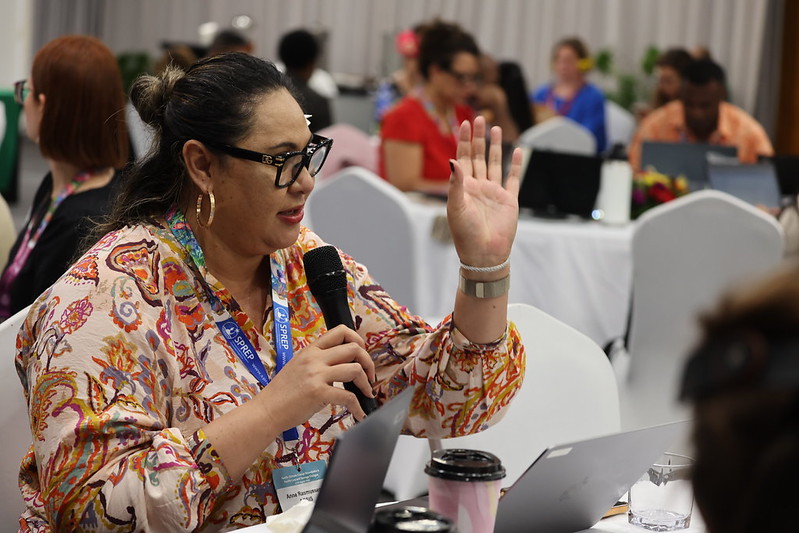
The lead climate negotiator for the Alliance of Small Island States (AOSIS) Ms Anne Rasmussen welcomed the ICJ decision. “It’s really good that the advisory opinion international law has come out, to reaffirm the Paris agreement goal which is 1.5. Recognizing the work of the Pacific countries and AOSIS has been calling on, for 1.5 to be the temperature. So having this advisory opinion is a milestone,” says Rasmussen.
Anne Rasmussen is also the advisor for the AOSIS Chair, Palau said in an interview during the second day of the PCCR that the advisory opinion of the ICJ is going to add more work for AOSIS members in terms of how to operationalize the decision domestically.
“This will mean that the AOSIS members will work extra hard within the UNFCCC space to bring this into our strategy and to how we engage. We will stand on stronger grounds morally and scientifically.”
Rasmussen says that this is giving an impression that countries can be ambitious and revise their National determined commitment (NDCs) and to think creatively.
“How will the countries operationalizs the advisory opinion? Unless we get the 85 percent of the emitters within the G20 group to respect the ICJ advisory opinion, …if we do not succeed to getting them to revise their NDCs, then we need to think creatively,” she added.
Rasmussen said that the decision of the ICJ is the strongest from the International Court but for her personally, the success of failure of this decision will ultimately depend on whether the high emitting countries will honour international law.
“There are some countries who respect international law and they will strive to abide but there are countries who would say, well that’s just an opinion but this is how we see it.”
The Pacific Climate Change Roundtable (PCCR), guided by the theme “1.5 to stay alive and thrive,” is taking place at Taumeasina Island Resort from 13-15 August. The PCCR is attended by Pacific governments, youths, civil society, academia, NGOs, and the private sector to engage collectively through the use of interactive activities to share their experiences amongst peers, bolster their networks and utilise the event to initiate new partnership opportunities.
The PCCR follows the Pacific Regional Loss and Damage Dialogue 2025 and the inaugural Pacific Youth Dialogue on Loss and Damage, at the same venue in Samoa.
This story was produced by the Pacific Media Team covering the meetings. Their attendance is made possible with funding support from the Loss and Damage Capability and Capacity (LDCC) Project with the Government of New Zealand.