

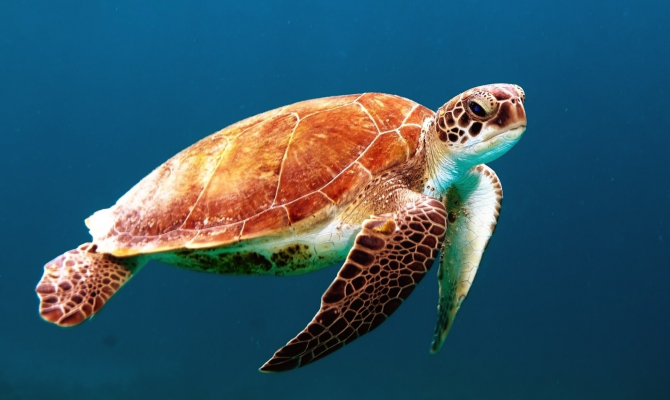
Main image: the green turtle (Chelonia mydas) is among the five species of turtles in Vanuatu. It is listed as endangered on the IUCN Red List of Threatened Species. Photo Credit: Wexor Tmg on Unsplash.
4 September 2025, Apia, Samoa— Alarm bells were ringing as the 32nd SPREP Meeting came to an end, with the shocking revelation that all sea turtles in the Pacific are threatened with extinction. This major analysis of the risk of extinction to sea turtles in Oceania was conducted by SPREP through the Pacific European Union Marine Partnership (PEUMP) By-catch and Integrated Ecosystems Management (BIEM) Pacific Project.
Six species of turtles are found in the Pacific Ocean; Leatherback, Hawksbill, Loggerhead, Flatback, Olive Ridley and the most common, Green turtle.
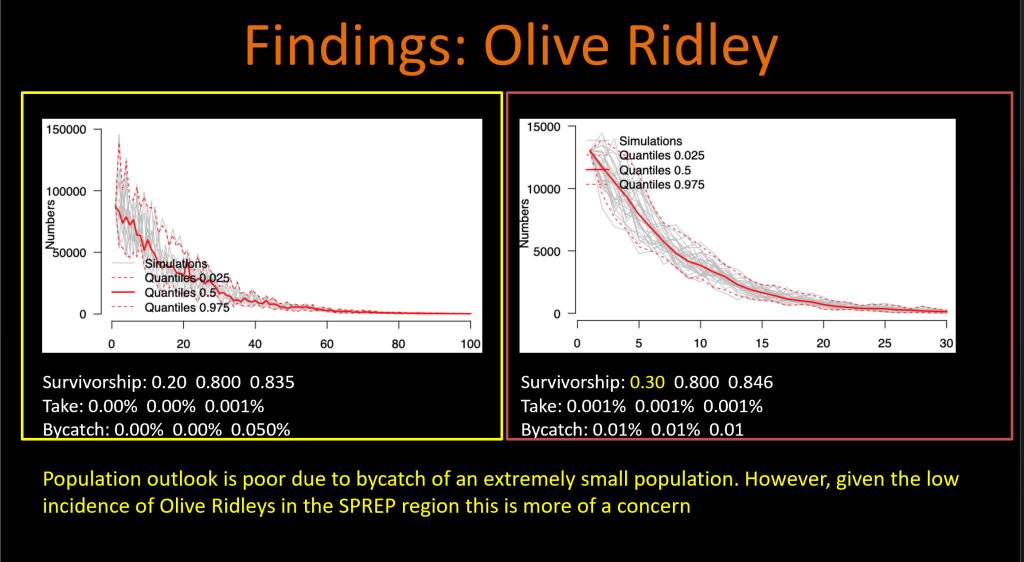
The risk assessment was undertaken using a model called vTurtle, which simulated turtle life histories and tested possible harvest and bycatch scenarios. The outlook for all species, except possibly green turtles, is very poor or worse than expected, with current trajectories showing populations being driven to extinction. According to vTurtle, Leatherback turtles (LBT) will potentially be extinct within 30 years.
“The projected population declines shown by this model are shocking. Turtles are culturally iconic and have been a traditional food source for generations, however changes in human populations and how and why they are harvested have changed. They are also facing increasing threats from fisheries by-catch and climate change. Urgent actions are needed to prevent extinctions in Oceania,” said Ms. Karen Baird, Threatened and Migratory Species Adviser.
Threats for LBT include human take and loss of eggs to humans for consumption and predators on nesting beaches, bycatch of adults. Threats to Hawksbill turtles include take for meat and sale of shells exacerbated by an already small breeding population across the Pacific. Remaining hawksbills need urgent protection and support to increase nesting beach productivity. Loggerhead turtles are especially impacted by fisheries by-catch such as in the tuna long line fisheries in the Western Central Pacific Ocean. Olive Ridley turtles are similarly impacted by by-catch which is alarming due to its small Pacific population size.
Marine turtles have long held economic, cultural and spiritual value for the peoples of the Pacific Islands. Their spiritual and cultural importance is illustrated through numerous stories, traditions and customs. They have been an important source of protein and a trade item for many coastal communities for hundreds of years. The loss of marine turtles would mean a loss of all these values.
Lead author of the report Dr. Nicolas Pilcher explained that there are means of avoiding absolute extinction by saying, “Actions can be taken which will potentially reverse these declines. Protecting breeding females on beaches is imperative. This is your breeding stock and it doesn’t make sense to harvest it. Also reducing take of eggs and nestlings to support increased productivity would have a very beneficial effect. And we need to reduce by-catch in fisheries, support from fisheries managers particularly through the Western Central Pacific Fisheries Commission is key.”
Many Pacific Island Countries and Territories have developed or are working on National Plans of Actions for Turtles. These are needed to drive key policies to protect turtles and allow their populations to recover and supported by public awareness campaigns.
SPREP through Pacific BioScapes initiative, for example, has launched a major public awareness campaign in Papua New Guinea. However, more action is needed, particularly in by-catch reduction and beach conservation efforts, which will support turtles in their young life stages to survive and allow for the populations to recover.
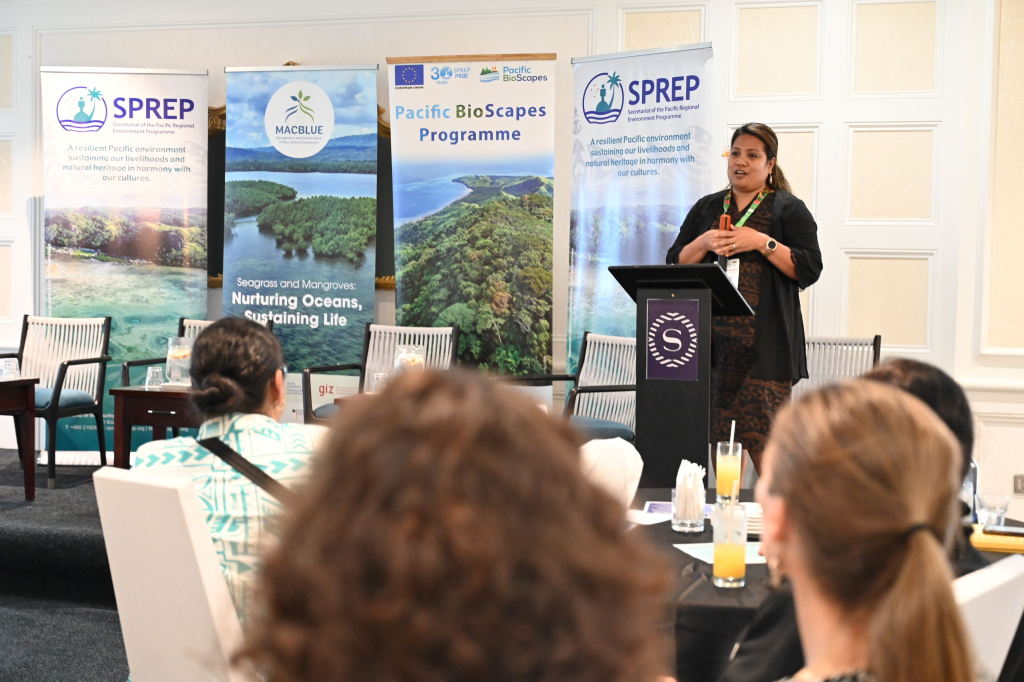
In launching the report, Mr. Amena Yauvoli, Director Islands and Ocean Ecosystems at SPREP reiterated that “Marine turtles are a key part of culture and traditions going back centuries and are spiritually important for many people. Loss of these iconic species means our future generations would only hear the stories and not get to experience the majesty of these amazing creatures which hark back to the age of dinosaurs.”
“I ask that countries work individually and together to address the drivers of turtle decline and heed the key actions provided in the report. The loss of a single species, will lead to the collapse of the entire ecosystem,” he added.
The full report can be accessed at this link.
The Thirty second SPREP Meeting of Officials (SM32) and associated meetings are taking place at Sheraton Aggie Grey’s Hotel & Bungalows in Samoa, from 1-5 September.
Guided by the theme “Sustaining our Pacific Environment in Harmony with our Cultures”, the SM32 and associated meetings bring together SPREP Members to discuss strategic issues pertaining to the organisation, and to approve the 2026-2027 Work Programme and Budget.
The 21 Pacific Island Members of SPREP are: American Samoa, Commonwealth of the Northern Marianas, Cook Islands, Federated States of Micronesia, Fiji, French Polynesia, Guam, Kiribati, Marshall Islands, Nauru, New Caledonia, Niue, Palau, Papua New Guinea, Samoa, Solomon Islands, Tokelau, Tonga, Tuvalu, Vanuatu and Wallis and Futuna. The five Metropolitan members of SPREP are: Australia, France, New Zealand, United Kingdom and the United States of America.
In our efforts to fulfil our vision of ‘a resilient Pacific environment, sustaining our livelihoods and natural heritage in harmony with our cultures’, SPREP is extremely grateful to our valued Members, partners, donors, our CROP family, and stakeholders.
For more information on the 32SM, visit https://www.sprep.org/sprep-meeting/2025/32nd-meeting-of-officials or contact sprep@sprep.org