

A five-day symposium concluded in Fiji marking a significant step forward in the Pacific's efforts to combat marine pollution. The event, which brought together experts and government officials from across the region, focused on enhancing emergency response capabilities and fostering greater cooperation to protect the Pacific's vital marine ecosystems and the communities that depend on them.
Over the course of the week, participants engaged in a comprehensive program that included technical sessions, interactive discussions, and practical exercises, culminating in a demonstration of Shoreline Clean-up Assessment Techniques (SCAT).
Highlighting the direct impact of marine pollution on Fiji's and the Pacific's economy and way of life, Fiji’s Assistant Minister for Public Works, Meteorological Services, and Transport, the Honourable Naisa Tuinaceva stated: “Laying the groundwork for a marine oil spill strategy, setting out a clear path for prevention, preparedness and response, and maintaining a dedicated national fund to support the procurement of vital equipment, training of responders, and readiness for action.”
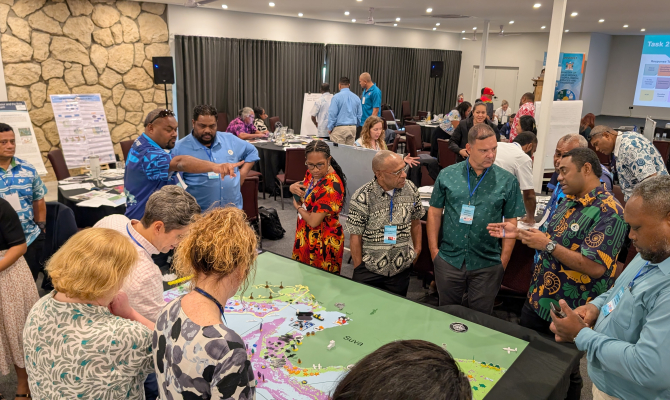
The symposium focussed on Contingency Planning and Preparedness, setting the foundation by examining regional risks and disaster resilience management. There was also the opportunity for hands-on sessions on spill behaviour, hazardous materials, and response strategies, resulting in a tabletop exercise that put theory into practice.
"We must move beyond incremental results to long-term, generational impact," said Mr Anthony Talouli, the Director of Waste Management and Pollution Control of the Secretariat of the Pacific Regional Environment Programme (SPREP) as he stressed the need for a sustained long-term approach.
"This symposium has provided a platform for us to understand our vulnerabilities and identify the opportunities we have to address them. The work doesn't stop here; it's about building on this momentum to create lasting change for our islands."
During the event, the participants also tackled the complex issues of Claims, Liability, and Compensation with a deep dive into international compensation regimes and a case study of the Princess Empress oil spill, providing crucial lessons learned. This then saw the focus shift to on-the-ground action, with sessions on Strengthening Community Engagement and Effective Monitoring and a practical SCAT and Practical Deployment Exercise. The hands-on session allowed participants to practice emergency communication protocols and equipment deployment, reinforcing the skills needed for effective response.
"Protecting the vast and vibrant marine environments of the Pacific requires more than resources - it relies on unity, shared knowledge, and resilient partnerships,” said Ms Freya Goodsir, the Senior Marine Scientist for the UK Centre for Environment, Fisheries, and Aquaculture Science (CEFAS).
“By building technical capacity, strengthening regional collaboration, and proactively addressing pollution threats, we can safeguard not only out coasts and communities, but also the heritage and future of Pacific Island nations."
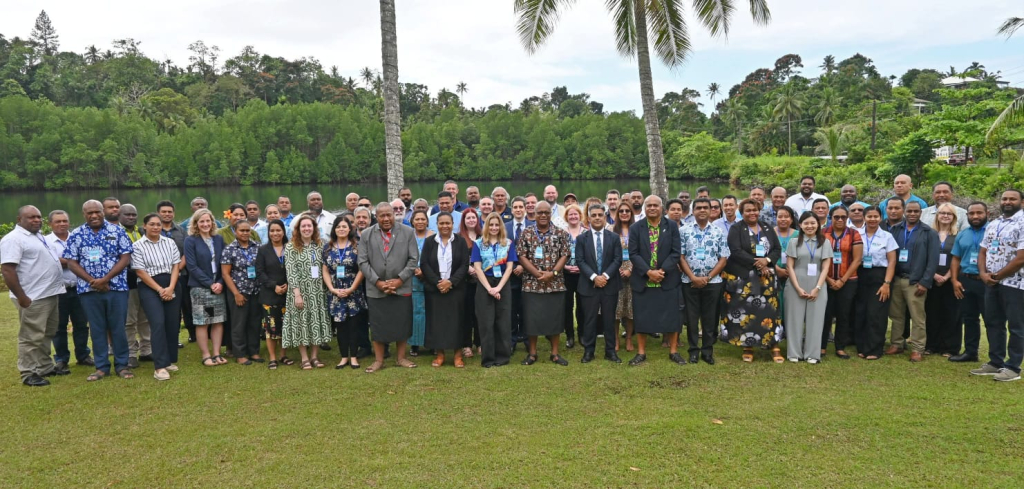
Labelled a success, the symposium is testament to the strong regional partnership and the shared commitment to protecting the Pacific's marine environment. This collaborative spirit was the symposium's most significant takeaway. By bringing together diverse stakeholders—from government officials and technical experts to community leaders and international partners—the event fostered a sense of unity and collective responsibility. It demonstrated that while marine pollution is a complex challenge, it is not insurmountable when nations work together.
“It is because of this particular program that the UK is reaffirming our commitment to working with Pacific partners to tackle the pressing challenges, particularly around marine pollution and the risk that this poses to ecosystems, livelihoods, and culture,” stated the British High Commissioner to Fiji, H.E Kanbar Hossein-Bor as he highlighted that the Ocean Country Partnership Programme aims to protect marine biodiversity, strengthen resilience, and support the sustainable use of ocean resources.
This shared commitment is particularly crucial for the Pacific, a region where a healthy ocean is not just an environmental priority but the very foundation of its culture, economy, and way of life. The bonds forged and the knowledge shared during these five days have created a more robust, interconnected network of nations ready to stand together in the face of future environmental threats.
The symposium, held from September 15-19 in Fiji, was supported by the UK Government’s Department for Environment, Food and Rural Affairs through the Ocean Country Partnership Programme and the Blue Planet Fund, the symposium is organised in partnership with SPREP and the Maritime Safety Authority of Fiji.