

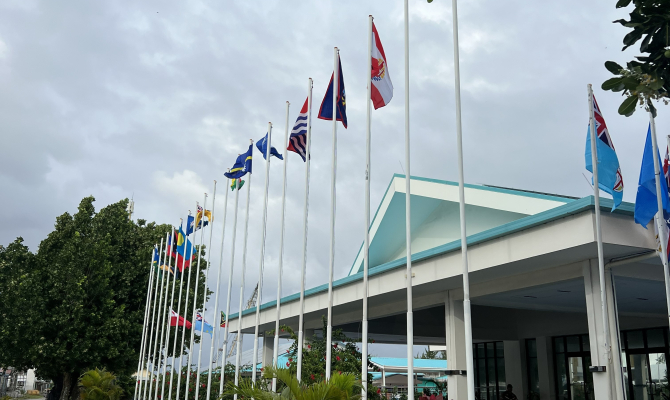
The Government of Tuvalu has shifted its focus from commitment to the implementation of the Noumea Convention.
With support from the Secretariat of the Pacific Regional Environment Programme (SPREP) through the Legal Services and Governing Bodies Department and the Environmental Governance Programme, key government agencies and stakeholders in the country were engaged in a workshop held at the end of September to support Tuvalu’s ratification of the Noumea Convention.
The Workshop on Enhancing National Capacities for the Implementation of the Noumea Convention, held at the Sautalaga Tautai Conference Room, Funafuti, aimed to increase awareness of, and strengthen Tuvalu’s capacity to implement the Noumea Convention and other key multilateral environmental agreements.
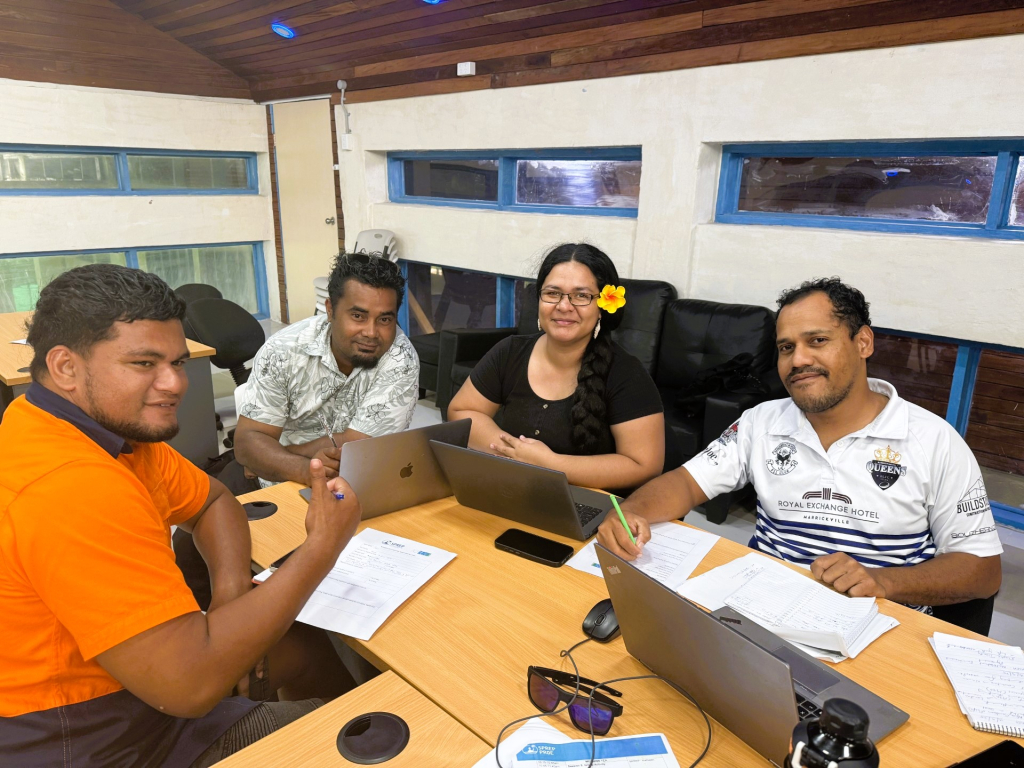
The workshop follows the Government of Tuvalu’s decision to formally submit its Instrument of Ratification for the Noumea Convention.
Speaking during the workshop, Dr. Soseala Tinilau, Tuvalu’s Director of the Department of Environment said the recent ratification of the Noumea Convention marks a significant step forward in Tuvalu’s collective commitment to safeguard our environment— especially our Ocean, which is central to our identity, livelihoods, and resilience.
“This workshop is not just about legal frameworks or institutional coordination,” said Dr Tinilau. “It’s about ensuring that our people, our communities, and our future generations continue to thrive in a healthy, protected environment.”
The Noumea Convention, formally known as the Convention for the Protection of Natural Resources and Environment of the South Pacific Region, is a multilateral comprehensive umbrella agreement for the protection, management and development of the marine and costal environment.
Tuvalu signed the Noumea Convention in 1987 and the Government’s decision to formally endorse its ratification in 2025 marked a significant milestone for the country and the wider Pacific region.
Tuvalu’s membership in the Noumea Convention as the Regional Seas for the Pacific region is recognising their exclusive economic zone (EEZ) as part of the wider Convention Area in the Noumea Convention.
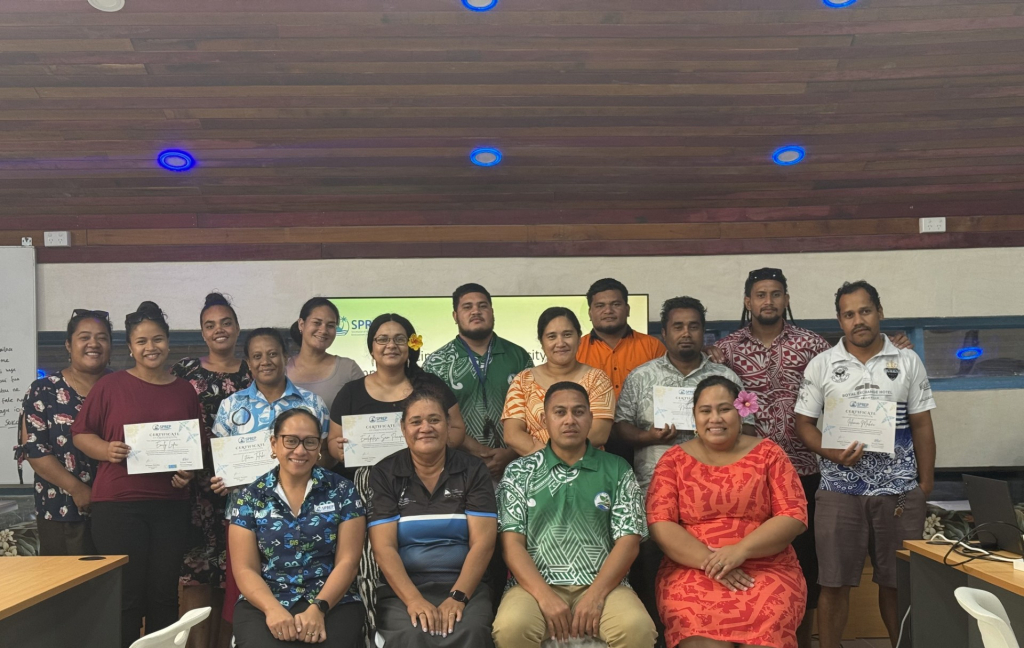
The ratification reflects Tuvalu’s commitment to, and reinforces its engagement in strengthening regional cooperation in addressing marine pollution, protecting marine ecosystems and supporting sustainable development.
“I’d like to acknowledge and thank SPREP and the relevant donors for their continued support, and for bringing us together,” added Dr Tinilau.
“The discussions will help us identify practical ways to align our national laws and policies with our international commitments, while also strengthening governance and cooperation across all levels. Let this workshop be a platform for honest dialogue, shared learning, and building momentum as we move from commitment to implementation.”
The implementation of the Noumea Convention and its Protocols as well as all MEAs, require strong national capacity, legal frameworks and coordinated governance.
As such, SPREP is committed to strengthening the understanding and implementation of these agreements to ensure environmental sustainability in the face of emerging challenges.
The workshop was funded by the ACP MEA Phase III Project and the New Zealand Climate Change Funding Agreement. The ACP MEA Phase III Project focused on strengthening the implementation of MEAs through capacity building while the New Zealand Climate Change Funding Agreement is to promote linkages of the Noumea Convention to climate change in order to mainstream and coordinate climate resilient activities and programmes.