

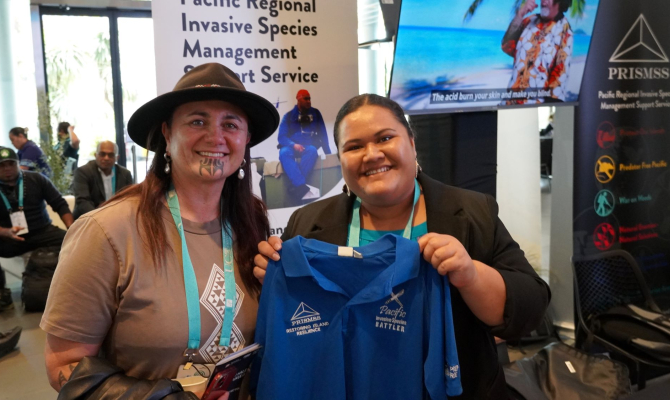
27 October 2025, Christchurch- At the Adaptation Futures 2025 conference, the SPREP led Pacific Regional Invasive Species Management Support Service (PRISMSS) highlighted the urgent need to tackle invasive species as a core strategy for climate resilience across Pacific Island Countries and Territories (PICTs).
Climate change and invasive species are twin threats to Pacific ecosystems as climate change is further accelerating biodiversity loss and destabilising fragile island environments.
Held at Te Pae Convention Centre in Christchurch, the AF2025 provided a global platform for Pacific voices to share how climate change and invasive species are threats to biodiversity, ecosystems, and livelihoods.
The Pacific is living with the impacts of climate change, rising seas, shifting ecosystems and increasing threats to biodiversity but what’s often overlooked is how invasive species are compounding these challenges.
Invasive species are the leading cause of biodiversity loss in the Pacific. From rats that decimate seabird populations to weeds that choke native forests, these threats undermine ecosystem services and weaken islands’ natural defences against climate change.
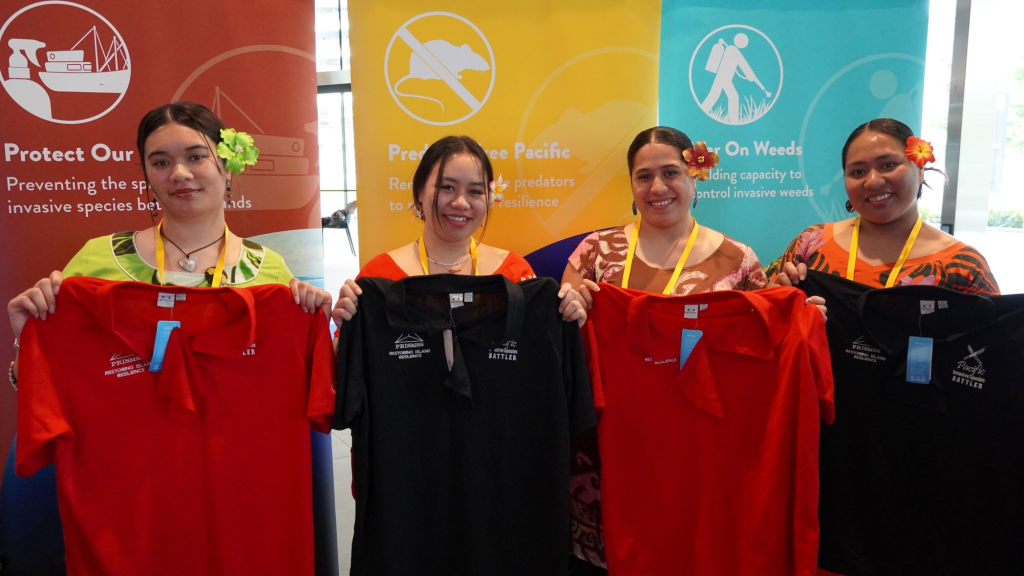
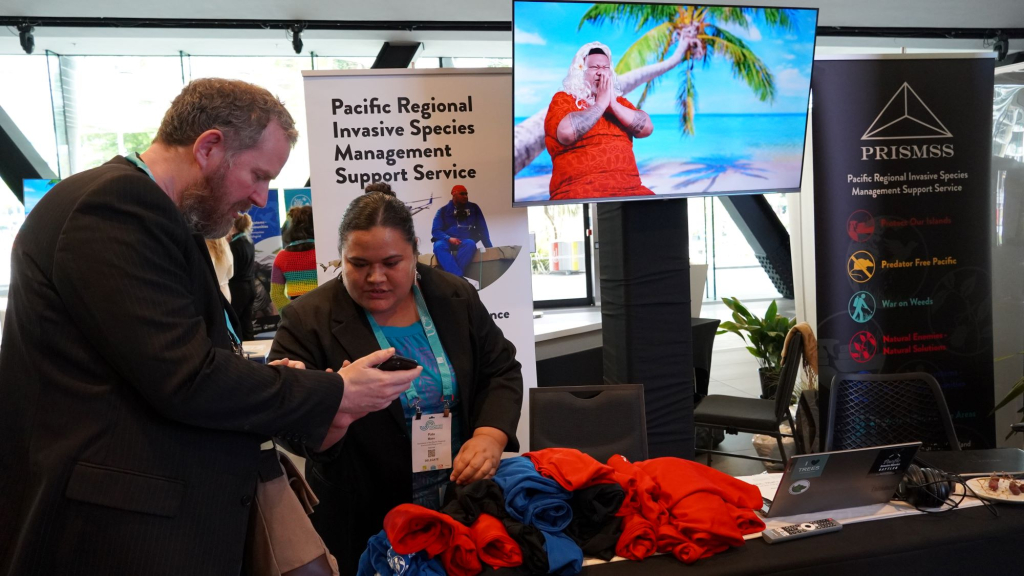
The AF2025 enabled better awareness through a dedicated exhibition space at the Ocean Innovation lounge, to showcase how PRISMSS addresses invasive species management through six strategic programmes namely, Protect Our Islands, Predator Free Pacific, War on Weeds, Natural Enemies – Natural Solutions, Resilient Ecosystems – Resilient Communities and Protect Our Marine Areas and through technical partnerships.
As part of its interactive and innovative approach, PRISMSS released its latest video, Restoring Island Resilience in the Pacific, a powerful testament using storytelling on how managing invasive species is not just about protecting biodiversity but about safeguarding future.
The PRISMSS Restoring Island Resilience in the Pacific video can be viewed at https://www.facebook.com/watch/?v=649895901333532
SPREP Invasive Species Adviser, Mr David Moverley shared that, “the PRISMSS programme approach is deeply rooted in traditional knowledge, ensuring that restoration and eradication efforts resonate with local customs and values.”
“In places like Tonga, Samoa, and Niue, communities are reclaiming their lands from invasive weeds like the African tulip tree reviving native flora and fauna.”
“The Pacific isn’t just a vulnerable region but a region of resilience, knowledge and leadership and communities in the Pacific have been adapting for generations and there’s a lot the world can learn from how they respond to environmental change.”
“This conference gave us an opportunity to amplify those voices and build partnerships that respect and support the Pacific priorities. Through PRISMSS, we’re working with our partners and communities to tackle invasive species and restoring native habitats, protecting endangered species and building resilience.”
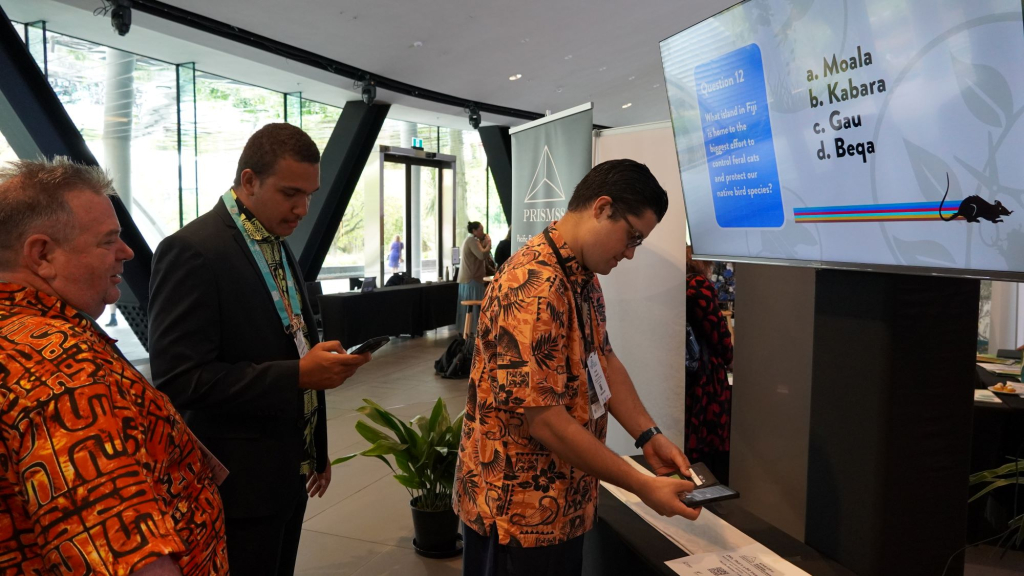
The AF2025 created more awareness through interactive activities at the Oceania lounge about the climate, biodiversity and invasive species nexus and how it’s impacting PICT, by sharing insights on how climate change is accelerating the spread and impact of invasive species across the Pacific and what that means for biodiversity and livelihoods and what is being done about it.
PRISMSS Programme Manager, Mr Dominic Sadler, reflected that “invasive species are the silent saboteurs of Pacific biodiversity and for the Pacific, climate change isn’t just warming oceans or shifting weather, it’s opening the door for invasive species to thrive, threatening biodiversity and the very systems Pacific communities rely on and managing these species is no longer optional but central to climate resilience."
“Our work is not just about removing threats it’s about restoring hope, empowering communities and building resilience from the ground up and transforming vulnerable island ecosystems into thriving, resilient landscapes.”
“Through regional efforts like PRISMSS, we’re restoring ecosystems, protecting biodiversity and showing the world how climate adaptation through sustainable solutions can be rooted in local knowledge and leadership."
“At Adaptation Futures 2025, we did not present data we told stories of islands reborn, of communities empowered, and of ecosystems healing. We are scaling up from isolated projects to region-wide programmes, delivering tangible outcomes for biodiversity and climate resilience.”
To engage broader audiences at the AF2025, PRISMSS launched an interactive video quiz using Pacific humour, featuring the renowned Pacific comedian, Tofiga, to educate viewers on invasive species in a fun and culturally resonant way. The interactive quiz called, Ohh…That’s a bit Invasive, which has received positive responses for its creativity and effectiveness in raising awareness on sustainable invasive species management in the Pacific. PRISMSS is currently repackaging the interactive video quiz to enable more participation from online platforms from the comfort of their homes.
A video teaser of the quiz can be viewed at https://www.facebook.com/SPREP.PROE/videos/ohh-thats-a-bit-invasive/793273946898764/
“Humour is the best teacher and this interactive video quiz, infused with Pacific humour, turns invasive species awareness into a fun, engaging experience. It’s conservation with a smile, helping people learn while celebrating their culture”, shared a participant who visited the PRISMSS exhibition space.
“The quiz was hilarious, informative and I learned so much about why managing invasive species is so important especially in the Pacific islands which are already facing the impacts of climate change”, shared another participant.
Funded by the Governments of New Zealand Government and United Kingdom PRISMSS with its partners is scaling its impact across the Pacific, offering a blueprint for climate resilience that blends tradition, innovation, sustainability and community empowerment through enhancing invasive species management.
About PRISMSS: The Pacific Regional Invasive Species Management Support Service (PRISMSS) is a coordinating mechanism designed to facilitate the scaling up of operational management of invasive species in the Pacific. PRISMSS, which is led by the Secretariat of the Pacific Regional Environment Programme (SPREP) brings together experts to provide support within the Pacific region with a focus on protection of indigenous biodiversity and ecosystem function. As a service provider, PRISMSS provides a comprehensive suite of support services in a cohesive, effective, efficient, and accessible manner to Pacific Island countries and territories.
Restoring Island Resilience (RIR): The PRISMSS - Restoring Island Resilience (RIR) is a New Zealand-PRISMSS collaboration project that aims to improve Pacific Island Countries and territories livelihoods and resilience to climate change by reducing the impact of invasive species on natural and agricultural ecosystems through the six PRISMSS programmes.
PRISMSS Powered by: New Zealand Foreign Affairs & Trade, UK International Development, GEF, United Nations Environment Programme & SPREP.
PRISMSS Partners: Birdlife International, Earth Sciences New Zealand, New Zealand Department of Conservation, Island Conservation, Bioeconomy Science Institute, the Pacific Community and SPREP.
PRISMSS Programmes: Natural Enemies Natural Solutions (NENS), Predator Free Pacific (PFP), Protect Our Islands (POI), Protect Our Marine Areas (POMA), Resilient Ecosystems Resilient Communities (RERC), War On Weeds (WOWs).
For additional information please contact Mr Dominic Sadler, PRISMSS Manager on dominics@sprep.org or Mr Nitish Narayan, PRISMSS Communications & Liaison Officer on nitishn@sprep.org