

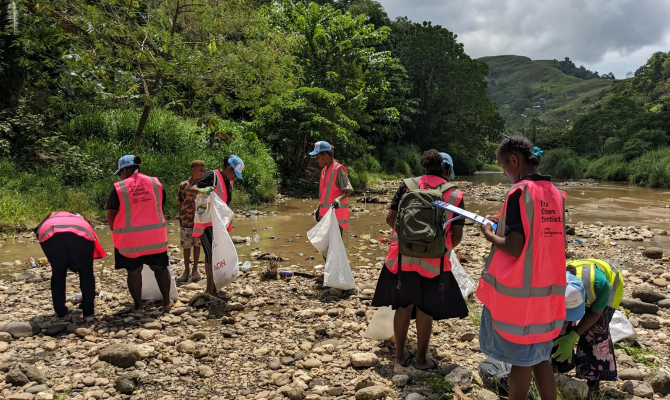
Pacific countries continue to demonstrate leadership in tackling plastic pollution, despite three years and six rounds of international negotiations failing to deliver a global treaty to end plastic pollution.
Actions to reduce plastic waste and protect our ocean, are being undertaken by Pacific island governments and at the community level, including the Solomon Islands having completed its first Marine Litter and Waste Audit Training.
This was conducted in Honiara from 4 to 5 November this year through Phase 2 of the Sustainable Waste Actions in the Pacific (SWAP) Project funded by the Agence Française de Développement (AFD) and implemented by the Secretariat of the Pacific Regional Environment Programme (SPREP).
“As we all know, Marine Litter and Plastic Pollution are part of the triple planetary crisis and still a pressing problem of our time,” said Ms Debra Kereseka, Deputy Director of Environment at the Environment and Conservation Division, Ministry of Environment, Climate Change, Disaster Management and Meteorology (MECDM).
“Marine Litter and Plastic Pollution impact human health, affect wildlife and the marine ecosystem, are an eyesore for our tourism industry, and impact our economy.”
She further highlighted that “a lack of awareness, data collection, planning, and management of marine litter and overall waste management contribute to this pressing problem”.
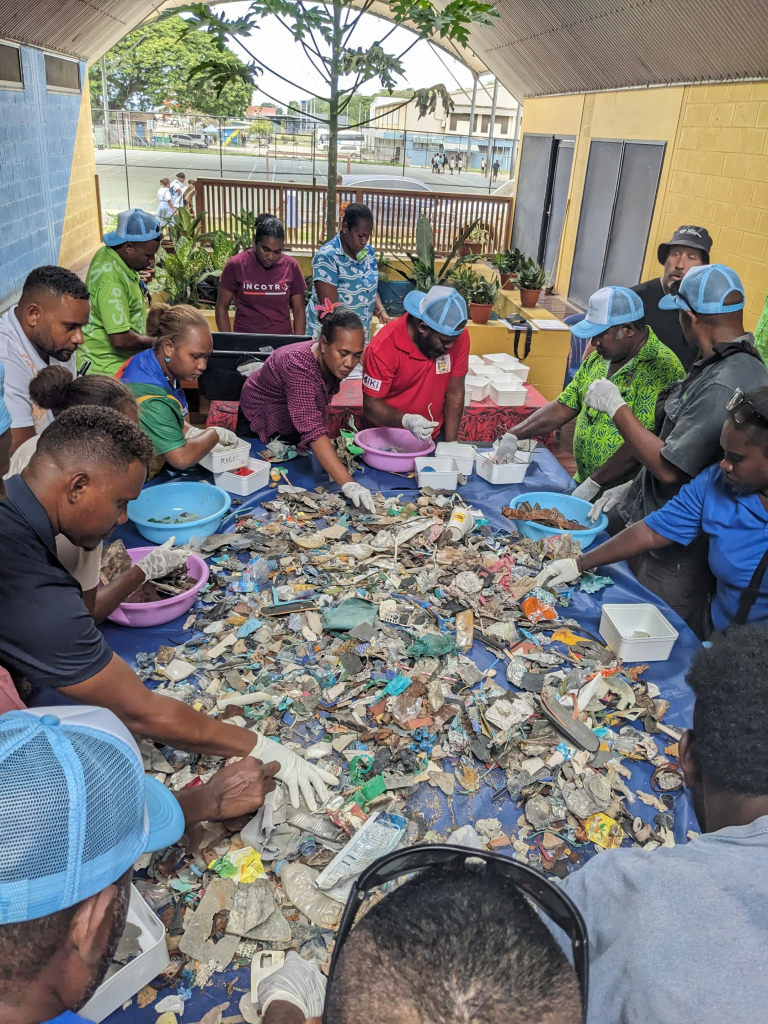
This training forms part of “Sustainable Waste Actions in the Pacific” (SWAP) Project’s ongoing efforts to strengthen Pacific countries’ capacity to collect reliable data on waste and marine litter. The AFD-funded SWAP Project along with other programmes such as the Australia-funded Pacific Ocean Litter Project and GEF-ISLANDS Projects, have completed 73 beach surveys and waste audits across five countries during its first phase (2021–2025), engaging almost 2,700 volunteers from 45 communities.
A total of 4,492 kg of waste, representing 76,869 individual items, was audited, of which more than half (44,653 items) were plastics. Findings, detailed in the Beach Marine Litter in the Pacific Islands 2024 Activity Report, show that plastic bottle caps and lids, small bottles less than 2 litres, food containers and wrappers, and plastic fragments are among the top litter items found on Pacific beaches.
The second phase of the SWAP Project aims to build on these achievements by expanding activities to nine Pacific Island countries and territories: Fiji, French Polynesia, Kiribati, Samoa, Solomon Islands, Tonga, Tuvalu, Vanuatu, and Wallis and Futuna.
To ensure consistent and statistically sound data collection, SPREP partnered with Sustainable Coastlines, a New Zealand charity organisation, to deliver a series of practical training sessions on how to conduct beach surveys and waste audits using digital tools.
As Mr. Sam Judd, Co-founder of Sustainable Coastlines, explained during the Honiara training: “Data is necessary to provide evidence regarding the problem with plastic. It can help justify actions such as container deposit schemes (CDS), attract funding for proper infrastructure like drinking water systems to avoid the use of plastic bottles, and support recycling programmes. Data also helps monitor whether actions carried out are working.”
Ms. Kereseka emphasised that data from previous surveys have already informed government decisions, including the Environment (Single-Use Plastic Ban) Regulation 2023, and will continue to guide upcoming measures such as the Product Stewardship Scheme.
“With the continued support of the SWAP Project under Phase 2, we anticipate that national efforts to collect crucial data for decision-making will be maintained,” she said. “This data will provide evidence for the Government to make decisions, monitor and control marine litter and waste, and strengthen our legal framework.”
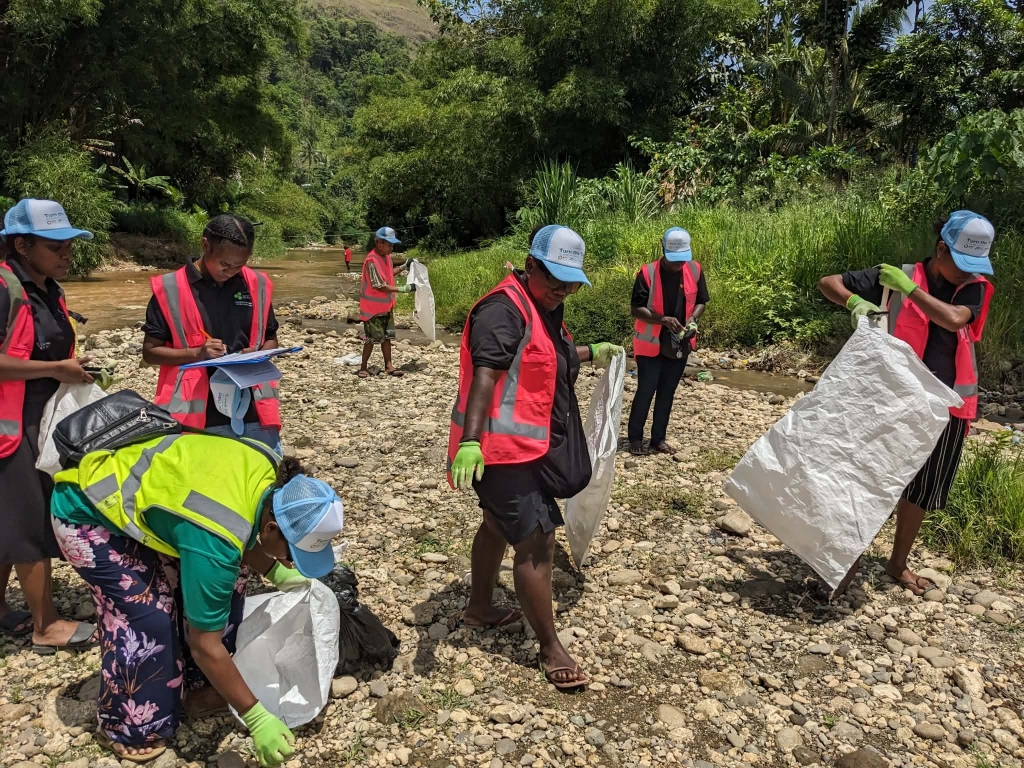
The Honiara training, which involved over 25 participants from government, civil society, youth, tourism, ports, and sports sectors, combined classroom sessions with field activities. Participants conducted both a beach litter survey and a river-based waste audit along the Mataniko River, a strategic site selected to highlight how waste discarded on land and rivers eventually ends up in the ocean.
Mr. Wilson Eta, Director of Waste Management and Control Division at the Honiara City Council, emphasised how practical the audit was: “What we did today helped us understand the volume of waste generated and disposed of carelessly. Some of it comes from nearby streets. The best part was the audit itself, as it allows us to identify the types of waste produced in Honiara by waste streams.”
Mr. Francis Manioru from the National Olympic Committee of Solomon Islands saw clear links between the training and his upcoming role promoting sustainability during the Commonwealth Games King’s Baton Relay: “Learning about plastics and rubbish today, I can prepare for the King’s Baton Relay and promote green games. When we do sports, we also advocate for keeping our environment clean.”
Other participants echoed the value of the training in strengthening awareness and community engagement.
Mr. Joe Au Ramosaea from Lovem Coast said: “Today’s programme teaches us how to look after our sources, the sea and the ocean. Most of our protein in Solomon Islands comes from fish, and if fish is poisoned by plastic, it affects our health. So let’s get rid of the plastic and eat healthy protein.”
For Ms. Samantha Niunara from Dreamcast Theater, the digital tools for data collection were particularly eye-opening: “Technology makes it easier to collect data. Before, we would clean up but forget how much rubbish we collected. Now, we can have evidence to show trends and share it with others. This activity helps us all, because we are the environment, and it’s everyone’s responsibility.”
SPREP, in collaboration with MECDM, is exploring ways to strengthen the collection and recycling system for PET bottles in the Solomon Islands, because collecting data alone will not solve the problem without action on the ground. For this reason, the SWAP team visited a recycling initiative led by the Resilience Innovation and Social Change Girls Club, a group of young women transforming PET bottles into paving materials.
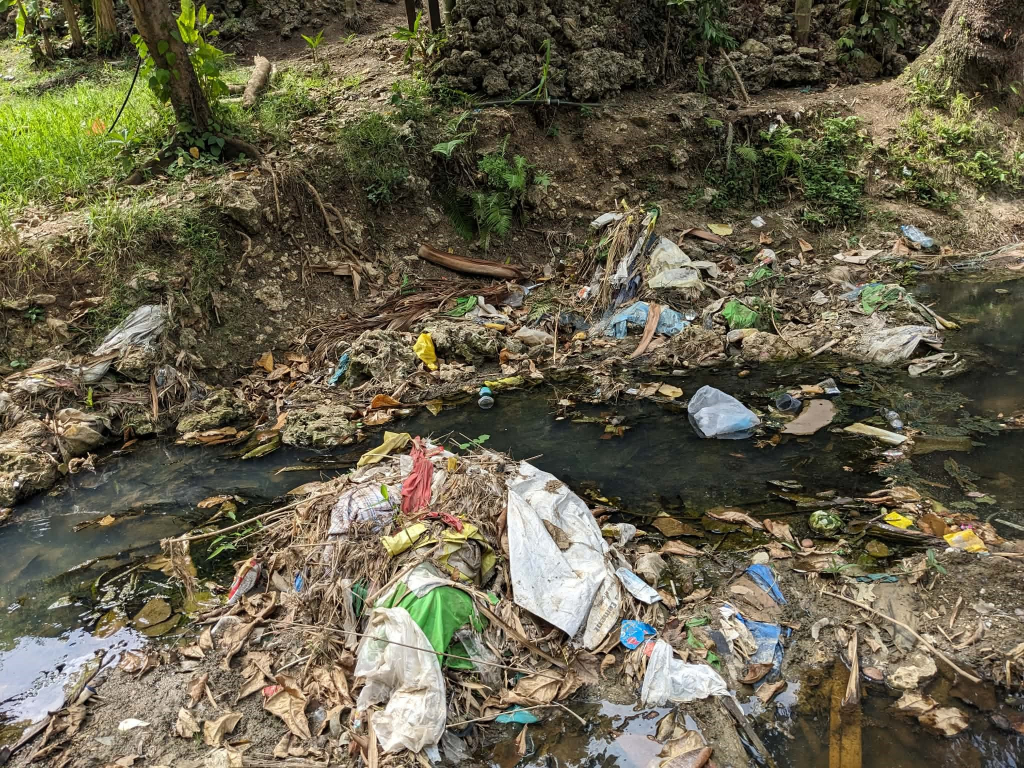
Ms. Joanna Bobby, representing the group, shared: “We collect plastic bottles from around town and coastal areas to produce pavements. This programme gives us new ideas for waste collection and management, and how to work together to clean our environment. Collecting data in our area will help monitor how much plastic we collect and whether it’s reducing.”
These community-driven initiatives demonstrate how innovation and local ownership can complement policy frameworks.
The Honiara training marks the beginning of a series of similar sessions to be rolled out across the Pacific in 2026, ensuring that countries have the tools and skills needed to collect reliable data, guide policy, and drive practical solutions toward a cleaner, more resilient Pacific.
SWAP2 contributes to the goals of the Cleaner Pacific Strategy by improving waste infrastructure, building capacity and fostering regional collaboration. The nine SWAP Pacific islands are Fiji, French Polynesia, Kiribati, Samoa, Solomon Islands, Tonga, Tuvalu, Vanuatu, and Wallis and Futuna.
The Sustainable Waste Actions in the Pacific – Phase 2 (SWAP2) Project is funded by the Agence Française de Développement (AFD) https://www.afd.fr and executed by the Secretariat of the Pacific Regional Environment Programme (SPREP) www.sprep.org
For further information please visit: https://swap.sprep.org/ or contact Ms. Julie Pillet, SWAP Project Manager, at juliep@sprep.org.