

The Lelu Ruins community members and participants from the Kosrae Island Resource Management Authority (KIRMA) in the Federated States of Micronesia (FSM), are now better equipped on the safe use of herbicides, correct application techniques, proper equipment handling and best-practice weed management approaches in their battle against invasive species.
Over the course of a week-long mission, the Secretariat of the Pacific Regional Environment Programme (SPREP) Invasive Species team delivered a refresher training and engaged with the Kosrae Island Resource Management Authority (KIRMA) to plan upcoming rat management activities with PRISMSS partner BirdLife, detailing the technical requirements and processes needed for effective implementation in identified sites.
The PRISMSS Resilient Ecosystems-Resilient Communities (RERC) and War on Weeds (WOW) programmes, under the SPREP Centre of Excellence, Pacific Regional Invasive Species Management Support Service (PRISMSS) are designed to strengthen island resilience by tackling invasive species and protecting biodiversity.
These programme initiatives part of the PRISMSS Restoring Island Resilience (RIR) project are funded by the New Zealand Ministry of Foreign Affairs and Trade (NZMFAT), the United Kingdom International Development and implemented through SPREP.
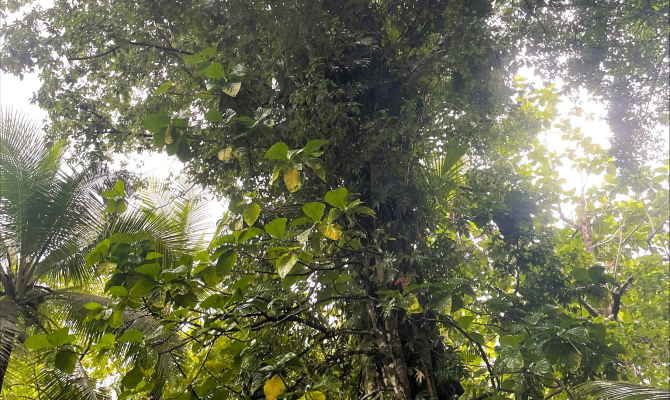
A field visit was conducted by the visiting team and representatives from KIRMA to the Lelu Ruins site where the PRISMSS RERC programme activities will be implemented. The field visit enabled the team to correctly map the Lelu Ruins restoration site and discuss management units to guide weed management. A visit was also made to a Leucaena infested site where the PRISMSS WOW programme will be targeted providing advice to the team on management approaches.
Mr Steven Palik, Director of KIRMA reflected that, “the success of invasive species management in FSM depends on strong partnerships with communities and what we see in Kosrae is a perfect example of traditional knowledge, cultural pride, and technical tools working side by side.”
“KIRMA is proud to collaborate with PRISMSS to safeguard the Lelu Ruins as a heritage treasure through invasive species management, while also tackling long-standing challenges such as the management of Leucaena leucocephala, which has affected our island for many years.”
Ms Annie Esau, the Kosrae Invasive Species Coordinator based with KIRMA reflected that, “protecting the environment is everyone’s responsibility and being a woman in this field is challenging, yet I remain committed to doing my utmost.”
“I love the environment, I enjoy fieldwork, and after almost ten years with KIRMA I feel confident working alongside men to protect our native species. Women can teach, share knowledge, guide action and when we involve women through awareness and events, more people join the effort to conserve our island.”
“Everything we have from our food, our home to our wellbeing comes from the environment. That’s why I encourage women to step forward, learn and lead in invasive species work for the benefit of all Kosrae.”
Mr Killion Isisaki, the Community Engagement Coordinator with KIRMA shared that, “Lelu Ruins holds our stories and identity and by restoring native biodiversity and reducing invasive populations we protect that heritage for our community and all of Kosrae.”
“We may not be able to guarantee total eradication, but with community-led action, training, and proper techniques we can control invasive species, slow their spread, and restore this important site.”
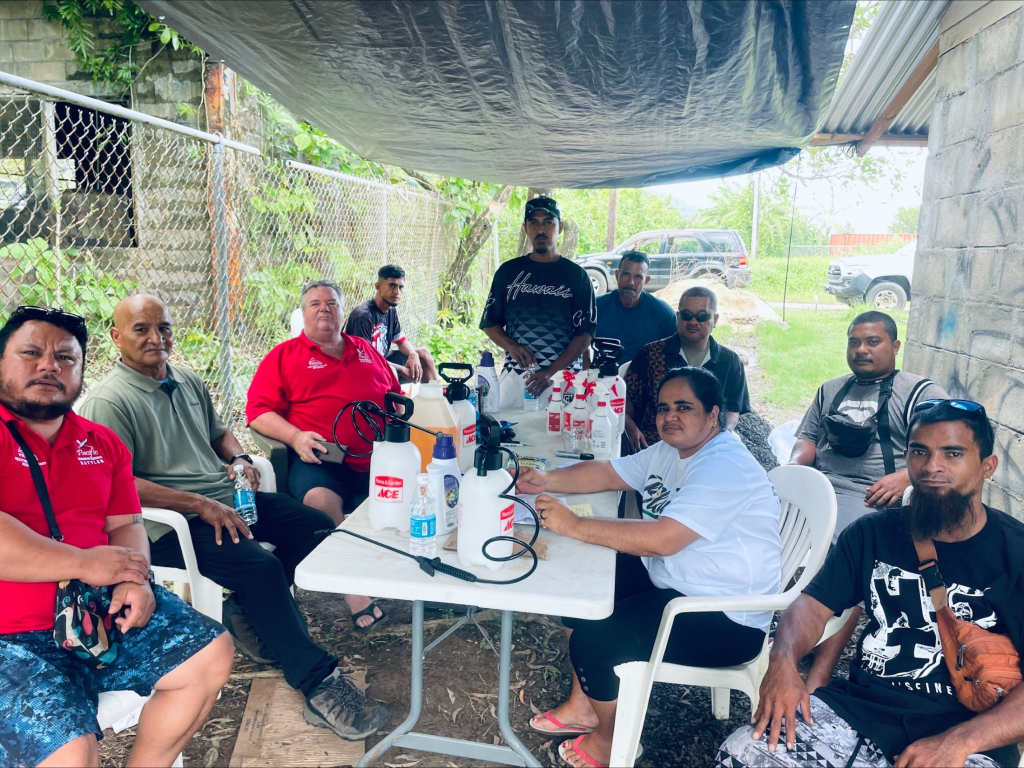
“The practical training provided on correct mixture amounts, paired with local involvement, means we can do the job properly, safely and in a way that encourages people to change how they understand and deal with invasive species.”
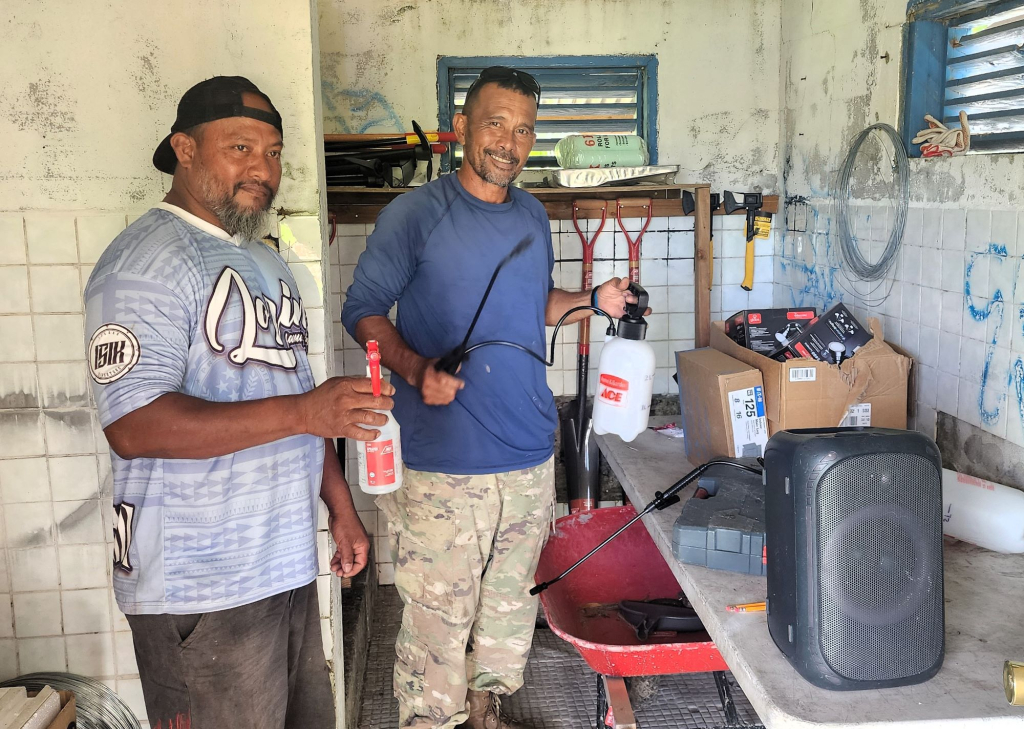
A new project storage facility is now operational, ensuring the safe handling and storage of tools and equipment for RERC and WOW activities. The mission also confirmed the alignment of outputs, commitments, and funding allocations, paving the way for effective delivery.
The country mission to Kosrae enabled discussions and an agreement on the dates for the FSM RERC Network Exchange Programme scheduled to take place on 27–29 May 2026 in Kosrae. The intent of this exchange programme is to build the capacity of FSM State Coordinators through shared knowledge and learning in invasive species management, showcasing the Lelu Ruins restoration site as a key case study for community-led ecosystem restoration.
SPREP Invasive Species Adviser David Moverley emphasised the broader significance of Kosrae’s efforts and shared that, “every invasive species we manage is one less threat to Pacific resilience as what’s happening in Kosrae shows how communities, governments and partners can work together to protect biodiversity and cultural heritage.”
“It’s not just about weeds or rats it’s about safeguarding the very foundation of island life and the progress in Kosrae demonstrates that invasive species management is not a one‑time effort but a sustained commitment to protecting our biodiversity and cultural heritage.”
“Through PRISMSS, SPREP will continue working with Pacific Island countries to expand community‑led restoration, blending traditional knowledge with modern science.”
Lasting resilience requires shared responsibility and long‑term investment and by aligning resources, knowledge and community action, PRISMSS and its partners will strengthen assistance to Pacific islands not only manage invasive species but also restore ecosystems that safeguard food security, cultural identity and climate adaptation ensuring a stronger, more resilient Pacific.
About PRISMSS: The Pacific Regional Invasive Species Management Support Service (PRISMSS) is a coordinating mechanism designed to facilitate the scaling up of operational management of invasive species in the Pacific. PRISMSS, which is led by the Secretariat of the Pacific Regional Environment Programme (SPREP) brings together experts to provide support within the Pacific region with a focus on protection of indigenous biodiversity and ecosystem function. As a service provider, PRISMSS provides a comprehensive suite of support services in a cohesive, effective, efficient, and accessible manner to Pacific Island countries and territories.
Restoring Island Resilience (RIR): The PRISMSS - Restoring Island Resilience (RIR) is a New Zealand-PRISMSS collaboration project that aims to improve Pacific Island Countries and territories livelihoods and resilience to climate change by reducing the impact of invasive species on natural and agricultural ecosystems through the six PRISMSS programmes.
PRISMSS Powered by: New Zealand Foreign Affairs and Trade, UK International Development, GEF, United Nations Environment Programme and SPREP.
PRISMSS Partners: Birdlife International, Earth Sciences New Zealand, New Zealand Department of Conservation, Island Conservation, Manaaki Whenua Landcare Research group of the New Zealand Bioeconomy Science Institute, the Pacific Community and SPREP.
PRISMSS Programmes: Natural Enemies Natural Solutions (NENS), Predator Free Pacific (PFP), Protect Our Islands (POI), Protect Our Marine Areas (POMA), Resilient Ecosystems Resilient Communities (RERC), War On Weeds (WOWs).
For additional information please contact Mr Dominic Sadler, PRISMSS Manager on dominics@sprep.org or Mr Nitish Narayan, PRISMSS Communications & Liaison Officer on nitishn@sprep.org