


14 May 2026, Auckland - An exciting partnership between the Secretariat of the Pacific Regional Environment Programme (SPREP) and the Pacific Cooperation Broadcasting Limited (PCBL) has been announced as the countdown to the 31st Conference of the Parties to the United Nations Framework Convention on Climate Change (COP31) in Antalya, Türkiye continues. The partnership, announced in Auckland during the recent PCBL Navigating the digital landscape conference, will see stories from the Pacific’s journey to the pre-COP31 meeting, 5-8 October in Fiji, and at COP31, told and shared to audiences across the region.
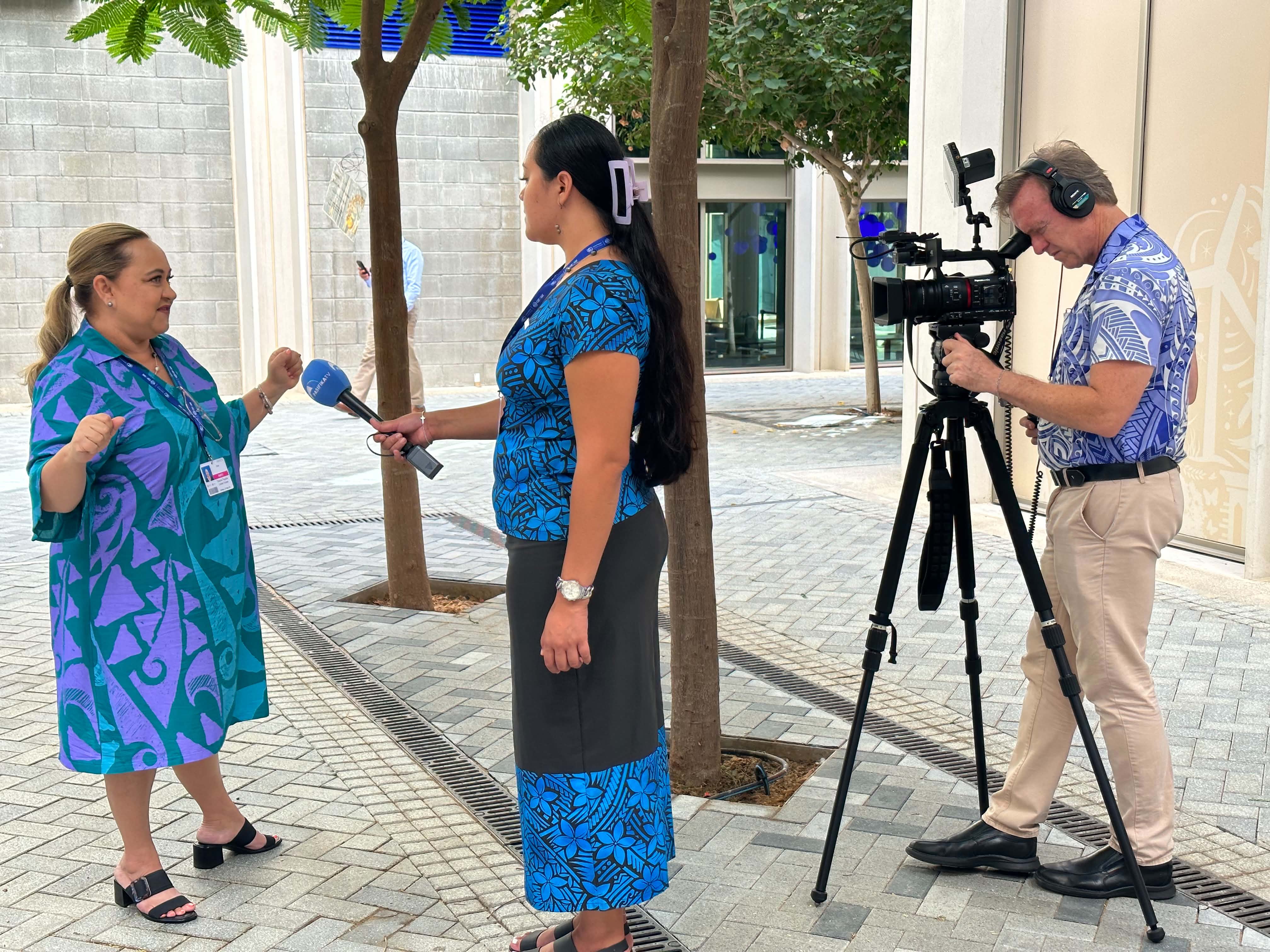
Ms Tagaloa Cooper, Director of Climate Change Resilience at SPREP, welcomes the COP31 partnership, noting it will be the continuation of a successful and growing relationship fostered between SPREP and PCBL in the lead up to, and during COP28, in Dubai.
“We value the role of PCBL in connecting our Pacific broadcasters and ultimately our Pacific people. SPREP looks forward to continuing our partnership in telling our Pacific stories, amplifying our successes and struggles, in the future and many more years to come,” said Ms Cooper.
The COP31 Türkiye – Australia partnership that includes the Pacific is a first in the history of the UNFCCC. Türkiye holds the COP31 Presidency, upon which Australia is the President of Negotiations and COP31 pre-COP will be hosted in Fiji, adding special significance to the partnership.
“It’s crucial that we amplify our Pacific voices far and wide during climate change negotiations,” added Ms Cooper.
“Our climate change stories must be told, and they must be heard. Echoing our voices both inside and outside the negotiations can help empower a groundswell of support for our survival in the face of these climate impacts. This partnership with PCBL will help make this happen.”
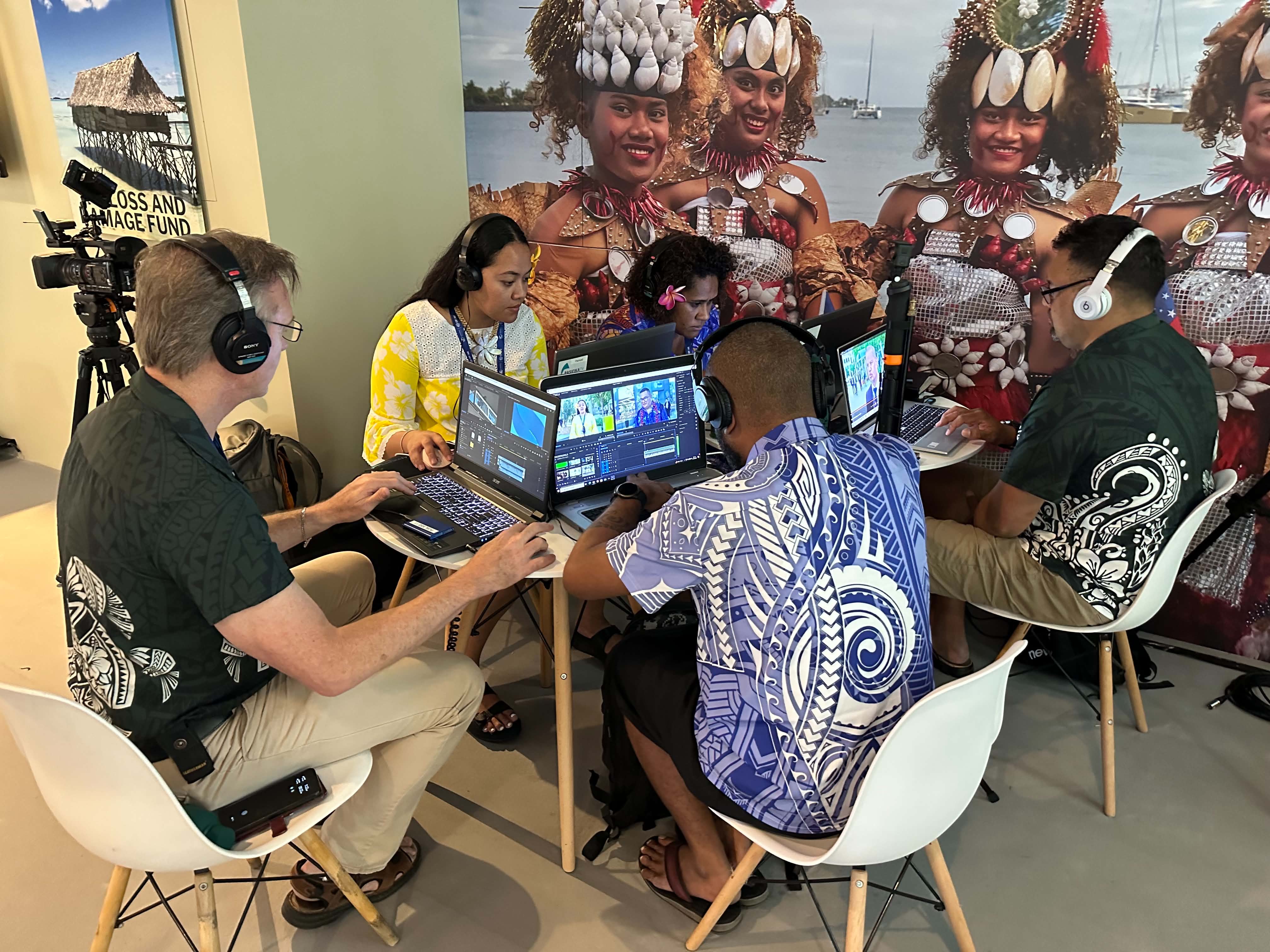
Established in 2015, PCBL is funded by the New Zealand Ministry of Foreign Affairs and Trade, with the overall aim to build stronger relationships in the Pacific region by supporting the media sector. Partnering with 30 broadcasters, across 15 Pacific countries, PCBL delivers training in production, journalism, technical broadcasting equipment, infrastructure to share content from and between the Pacific, and supports high quality locally produced content.
Ms Natasha Meleisea, PCBL Chief Executive is excited about the work ahead for COP31. “Working alongside SPREP once again to ensure Pacific climate change stories reach all corners of the world is paramount for PCBL,” said Ms Meleisea. “We acknowledge the significance and relevance of this year’s event, being dubbed as the Pacific COP and together with our media partners, we will amplify Pacific stories, to ensure our people are heard as they strive to conserve their culture, environment and livelihoods.”

The partnership was announced at PCBL’s recent Navigating the Digital Landscape conference, in Auckland, marking the 10th birthday Pasifika TV, where Chief Executive Officers from the 30 Pacific Broadcasting organisations affiliated with PCBL gathered to hear from guest speakers and to problem solve challenges the broadcasters are facing in the changing media environment.
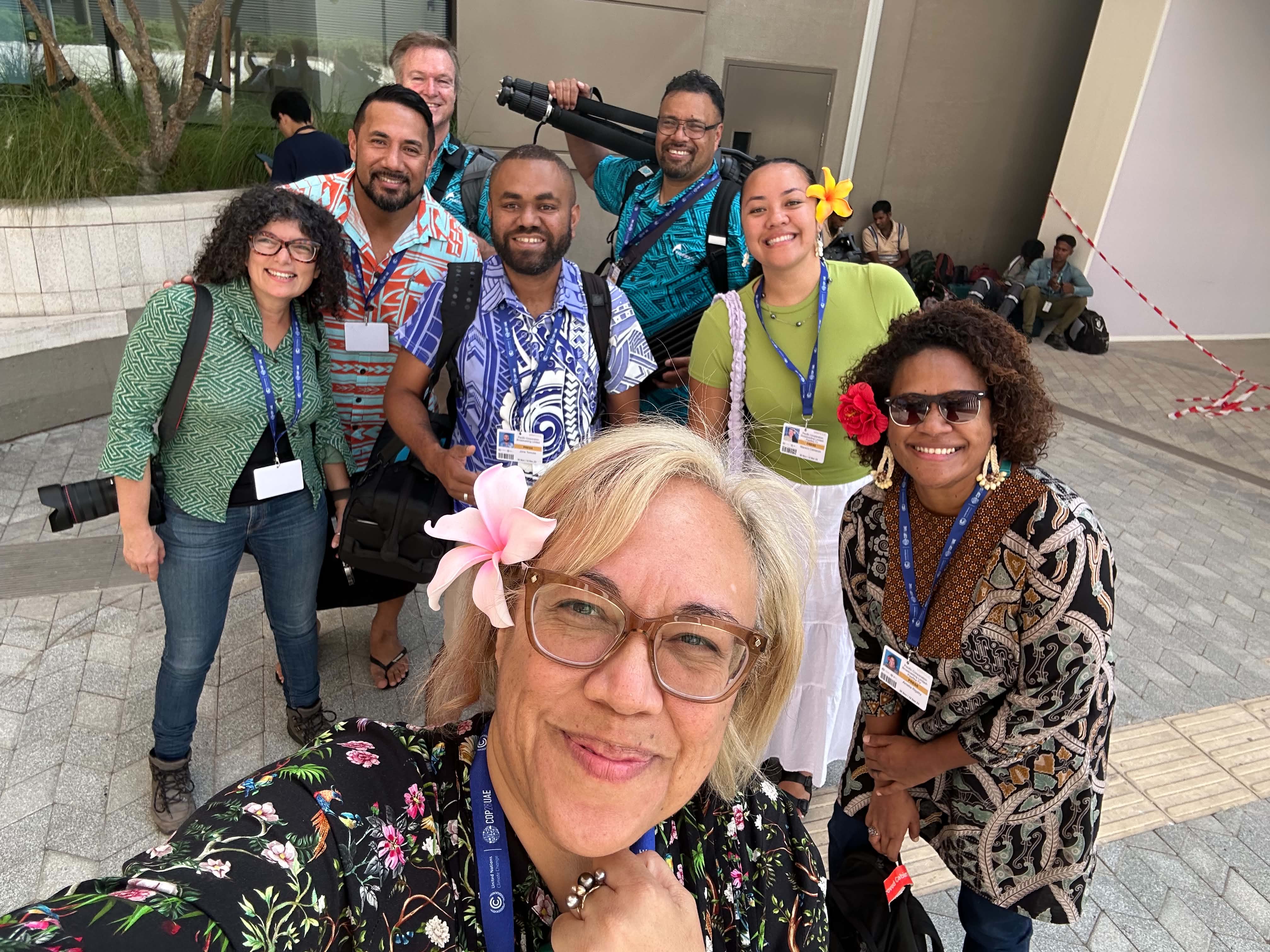
Through the partnership, SPREP and Pasifika TV will apply the approach undertaken for COP28 in Dubai, the last time a team of Pacific journalists and broadcasters covered the conference. To take part, Pacific countries who are members of Pasifika TV, will undertake a series of virtual trainings facilitated by SPREP. The training will include homework for the participants, and from this, a selection will be made of a team of Pacific island reporters to cover the pre-COP31, and eventually COP31, sending news across the Pacific and beyond.
Staged in Antalya, Türkiye from 9-20 November 2026, COP31will be attended by Pacific leaders and their delegations, who will advocate for the survival of Pacific communities at the forefront of climate change impacts.
Collectively, Pacific communities contribute to less than 0.03 percent of the world’s total greenhouse gas emissions, yet they are and have always been among the most vulnerable to the impacts of climate change.