

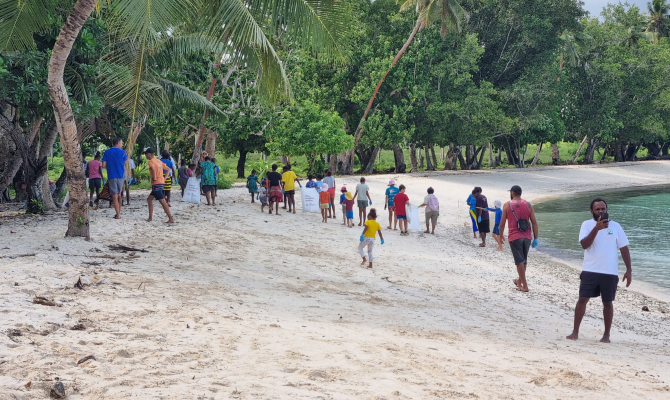
20 May 2026, Port Vila – A beach clean-up at Etmat Bay in Vanuatu, organised by the Maison des Francophonies in collaboration with Eraso Nafzan Association and Hélène Le Grand (Vaiko), consultant for the SWAP2 Project in Vanuatu funded by the Agence française de développement (AFD) and implemented by the Secretariat of the Pacific Regional Environment Programme (SPREP), has been hailed a success.
While the audit on 14 May was not conducted at one of the four official SWAP2 monitoring sites surveyed every six months by Vaiko as part of the project’s marine litter management activities, the initiative was inspired by the SWAP2 Project. The Maison des Francophonies decided to organise this beach survey and waste audit, with Vaiko supporting the recording and upload of data to help strengthen marine litter data collection and monitoring efforts in Vanuatu.
As part of the wider SWAP2 Project and partner programmes such as POLP and GEF ISLANDS, SPREP has carried out 93 surveys and audits have across 54 survey areas in eight Pacific Island countries and territories – Fiji, French Polynesia, Samoa, Solomon Islands, Tonga, Tuvalu, Vanuatu and Wallis-and-Futuna – resulting in the auditing of 93,691 litter items and the collection of 5.71 tonnes of waste with the involvement of more than 4,119 volunteers.
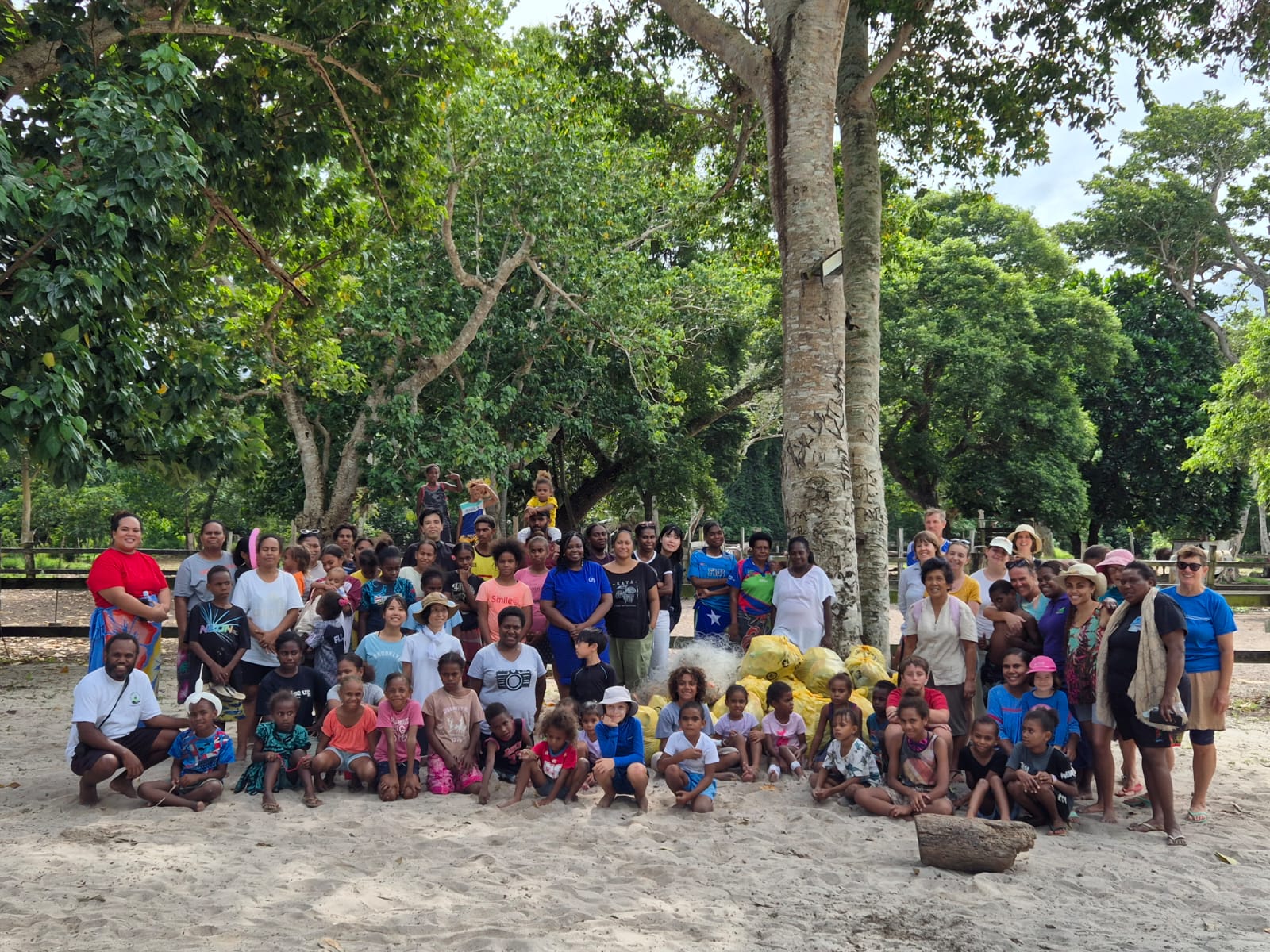
All of these audits follow a standardised methodology developed by the New Zealand charity Sustainable Coastlines and implemented consistently across the nine partner countries and territories participating in the SWAP2 project – Kiribati is expected to join the programme shortly. Data from the surveys is uploaded to the Litter Intelligence platform, ensuring the collection and free sharing of regionally comparable marine litter data across the Pacific. During this clean-up, around 50 participants came together with a shared goal: to take action to protect our marine environment while better understanding the types of waste impacting it!
Honoré Albert, Secretary of the Eraso Nafzan Association, highlighted the importance of community-led action, saying: “From the lagoons of Erakor, every piece of waste we remove is a step toward restoring the bond between our communities and the oceans that sustain us.”
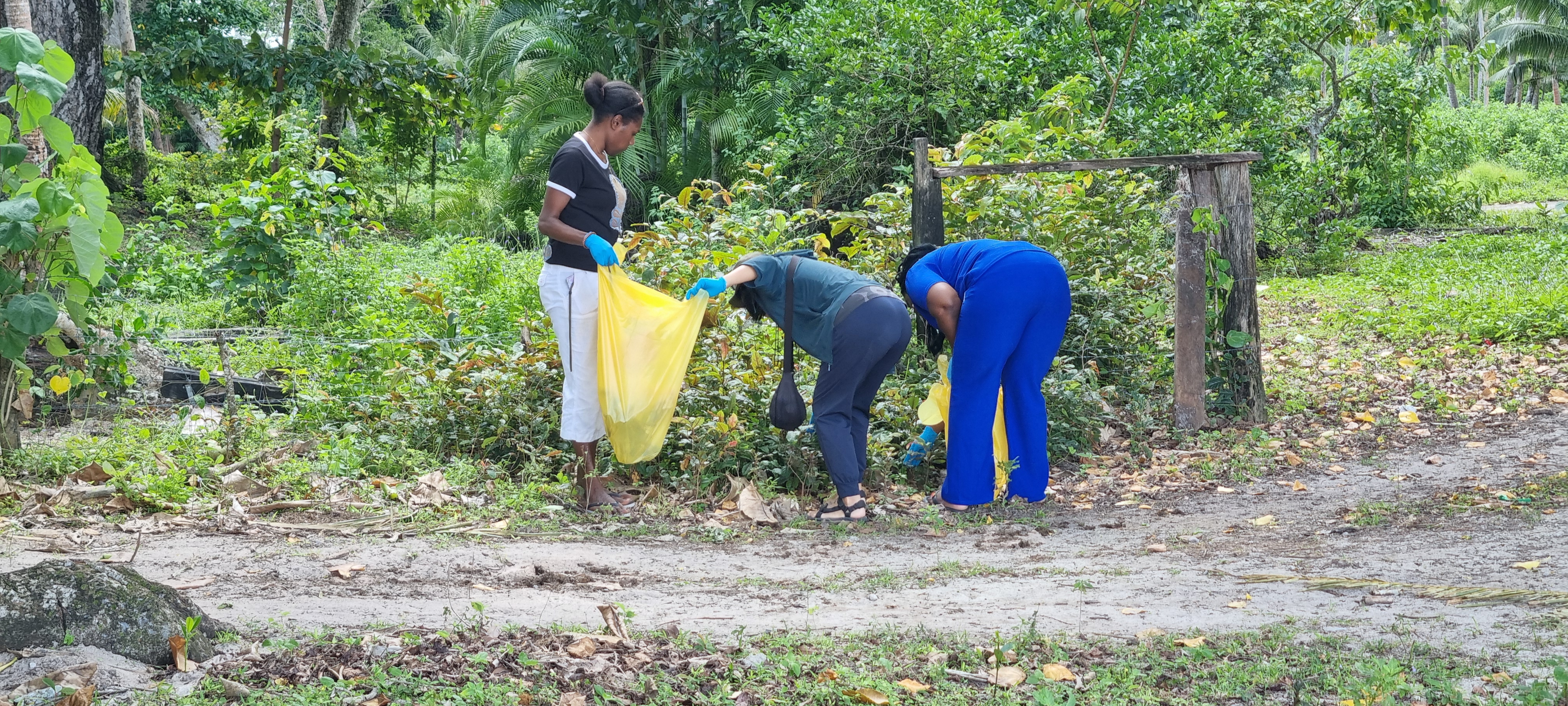
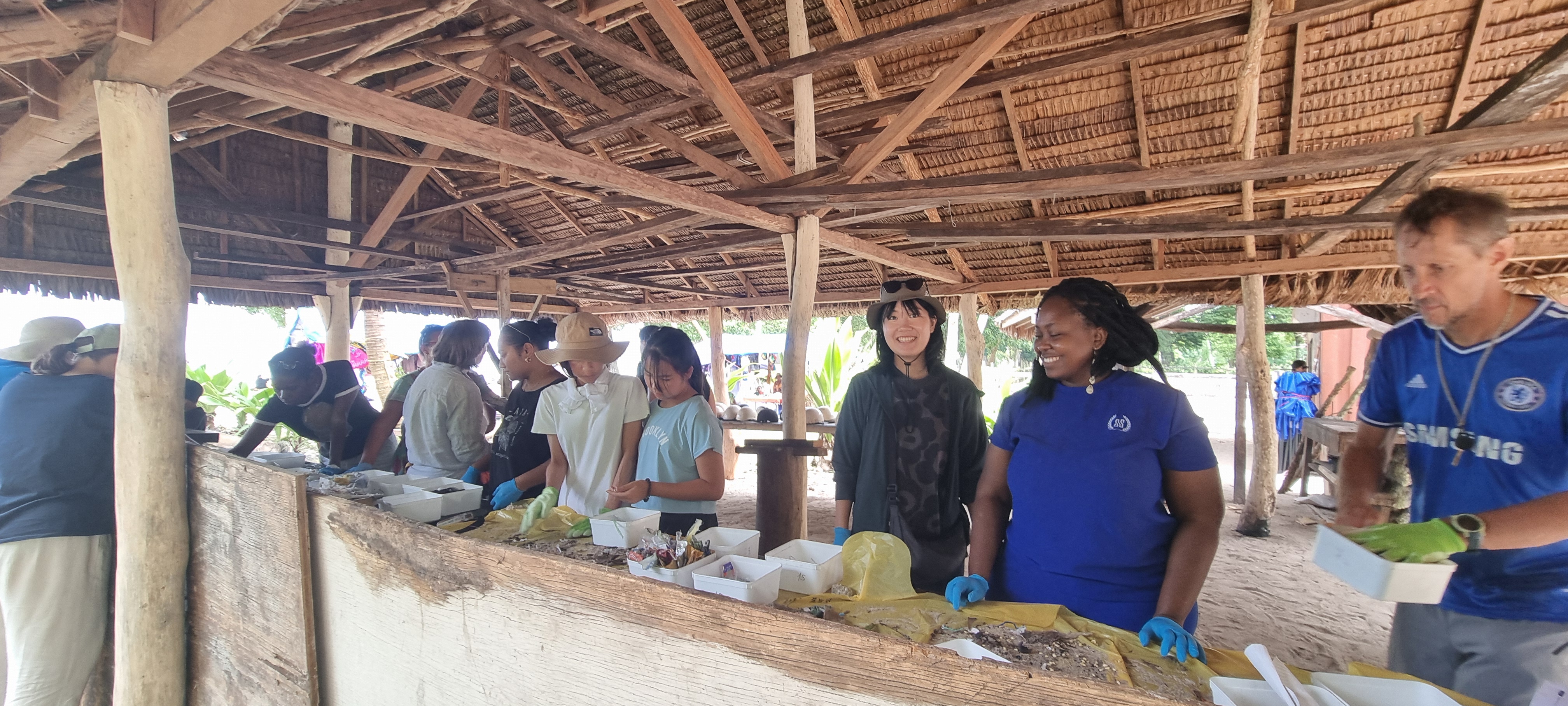
Amata Fiakaifonu, Director of the Maison des Francophonies added: “Pick-up trash today, preserve the ocean for tomorrow.” A designated survey area was established, and all litter within this zone was carefully collected, sorted, and recorded as part of a structured litter audit using the methodology developed by Sustainable Coastlines. While additional waste was collected outside the survey area, only the items found within the designated zone were included in the official audit results.
One key finding from the survey area was that, out of 1,745 litter items recorded, more than half were plastic items (987). Among them, volunteers collected 185 lollipop sticks, 248 food wrappers and 399 unidentified hard plastic fragments.
Reflecting on the value of data collection in tackling marine pollution, Hélène Le Grand, founder of VAIKO, stated: “By turning marine litter identification into data-based evidence, we can empower smarter decision-making and drive long-term solutions for our environment.”
The data has been uploaded to the Sustainable Coastlines “Litter Intelligence” platform and is publicly available here: https://litterintelligence.org/data/survey?id=3873
These results highlight the ongoing challenge of plastic pollution and the importance of continued collective action, data-driven monitoring, and community engagement. SPREP and the SWAP Project Management Unit extend their warm gratitude to la Maison des Francophonies and VAIKo for organising this event, as well as to the 50 volunteers who came together to keep Vanuatu and the Pacific clean and beautiful.
ABOUT SWAP
SWAP2 contributes to the objectives of the Cleaner Pacific 2025 Strategy by improving waste management infrastructure, strengthening capacity and promoting regional collaboration. With total funding of EUR 4.3 million provided by the Agence française de développement (AFD), the programme supports nine Pacific Island countries and territories: Fiji, Solomon Islands, Kiribati, French Polynesia, Samoa, Tonga, Tuvalu, Vanuatu and Wallis and Futuna. The Sustainable Waste Actions in the Pacific – Phase 2 (SWAP2) project is funded by the Agence française de développement (AFD) AFD and implemented by the Secretariat of the Pacific Regional Environment Programme (SPREP) SPREP. For more information, please visit SWAP Project Website or contact Ms Julie Pillet, SWAP Project Manager, at juliep@sprep.org