

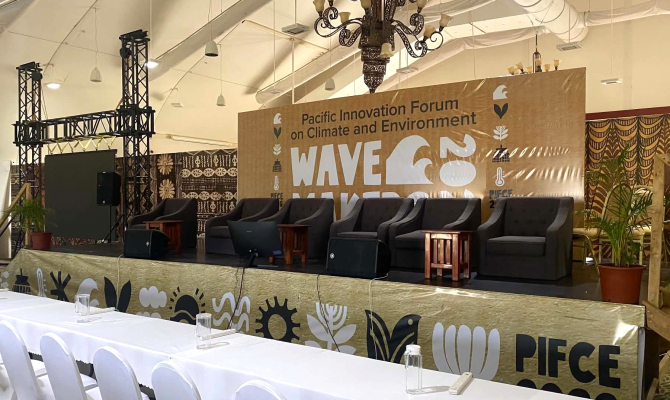
30 June 2026, Port Vila - The stage is set for the inaugural Pacific Innovation Forum on Climate and Environment (PIFCE) in Vanuatu, after months of hard work and preparations.
This week, starting on Wednesday, Port Vila becomes the hub of climate and environment innovation, igniting a wave of action for climate resilience in the Pacific region, and around the world.
Government Ministers, officials, entrepreneurs, non-governmental organisations, civil society groups, private sector leaders, and academic institutions from across the Pacific are in Vanuatu as active drivers of change in addressing global climate and environmental challenges.
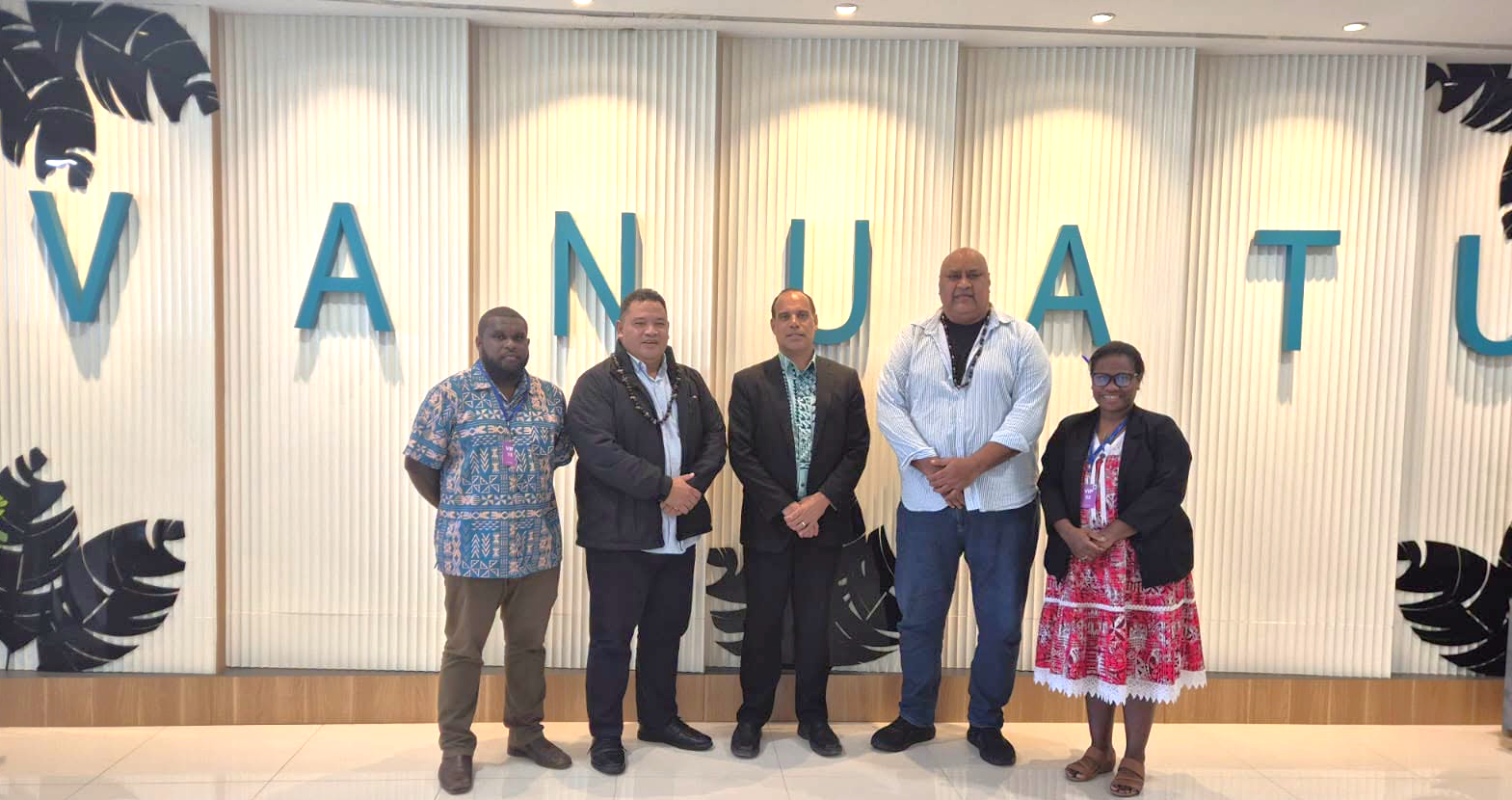
PIFCE was originally fostered through a proposal developed jointly by Hon. Minister Ralph Regenvanu, Minister of Climate Change, and the Vanuatu-based charitable association V-Lab, reflecting a shared vision to create a Pacific-led platform for innovation and climate action.
“Vanuatu welcomes everyone to Port Vila,” said Hon. Ralph Regenvanu, Minister of Climate Change Vanuatu. “I know that the Government and the people of Vanuatu are spearheading some of the best innovations in climate and environmental solutions across the region and around the world and we would like to share these with the world and have them showcased at this event.”
Amongst the delegates in Port Vila are representatives from six Pacific national universities, demonstrating the region's growing commitment to nurturing home-grown innovation and research that strengthens climate resilience and environmental restoration.
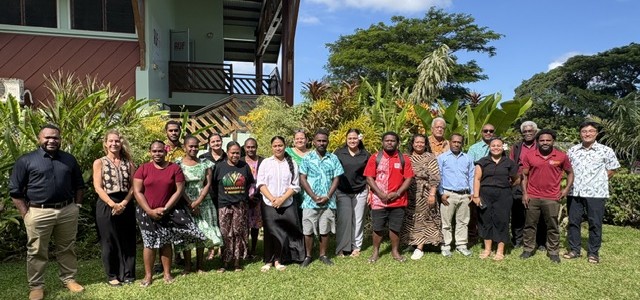
The students from the Tonga National University, National University of Samoa, Papua New Guinea University, PNG University of Technology, Solomon Islands National University and the National University of Vanuatu are undertaking research and innovation projects that respond to their homes pressing climate and environmental challenges.
Their fields of studies reflect a shared vision of developing practical innovative solutions to climate and environmental challenges.
“Through PIFCE 2026, I hope to further develop this innovation and heighten my understanding of the importance of emerging technologies, whilst collaborating with like-minded young innovators and experts across Regional institutions,” said Ms Lagi Schmidt of Samoa.
The impacts of the climate crisis are not lost on Mr Philip Bero, of the Solomon Islands.
“I am eager to assess how indigenous innovations complement modern approaches to weather prediction and resilience,” he said.

Mr Freddy Amos Lakera, of the University of Papua New Guinea, said he looks forward to exchanging knowledge with Pacific innovators and policymakers, building collaborations, and contributing to region-wide solutions.
“I am motivated by the need to generate locally grounded, empirical evidence that moves PNG beyond conceptual assessments towards scalable waste-to-energy implementation.”
The students participation is coordinated and supported by SPREP.
SPREP Director Climate Change Resilience, Ms Tagaloa Cooper said the initiative demonstrates SPREP’s commitment to translating science into services through applied research, while advancing the PCCC Research Roadmap's objective of nurturing and elevating Pacific scholars to lead regional climate innovation.
“SPREP’s mandate is to promote cooperation in the Pacific region and provide assistance to protect and improve our environment and we see innovation as key to fulfill this mandate,” she said.
“These students are more than emerging leaders; they are the Pacific's Wave Makers: a new generation of innovators whose ideas have the power to create lasting ripples of change across the region.”
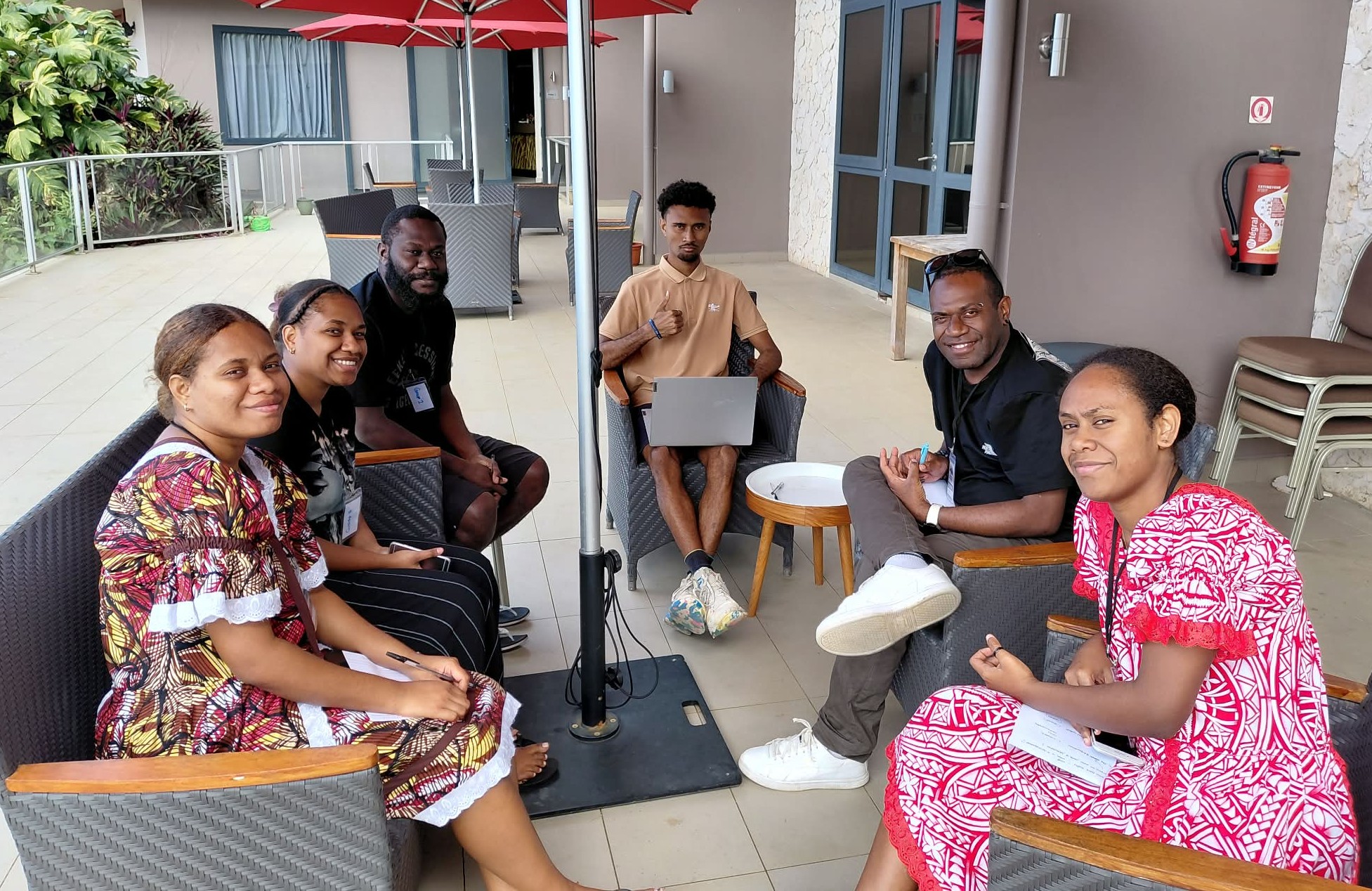
Throughout the Forum, university delegation will actively participate in a range of events that showcase both leadership and innovation.
In preparation for PIFCE, students have grouped to participate in the ClimateTech Hackathon, where student teams discussed and develop ideas of innovative solutions to regional climate change challenges to be pitched at the PIFCE. They also gathered at the National University of Vanuatu for an informal talanoa session to share knowledge, experience and respective research topic.
They joined the National Environment Day Clean-Up Campaign, demonstrating their commitment to environmental stewardship through collective action. They will also present their research through an Innovation Poster Showcase, allowing delegates to explore the breadth of Pacific-led research and engage directly with the student innovators.
The students participation at PIFCE 2026 is funded by the Government of Australia.
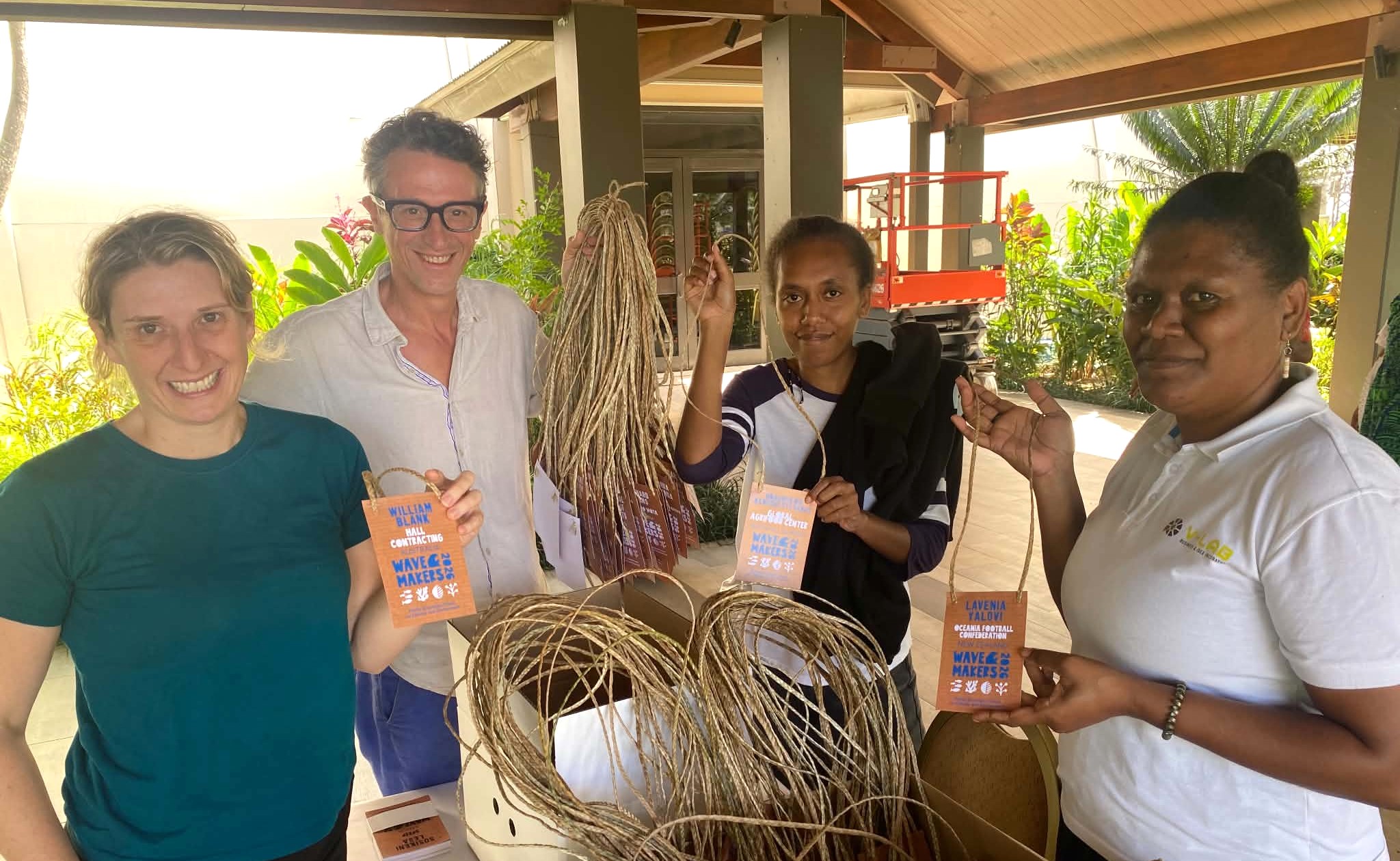
The inaugural Pacific Innovation Forum on Climate and Environment (PIFCE) is held in Port Vila, Vanuatu from 1–3 July 2026.
Attended by government Ministers, officials, entrepreneurs, non-governmental organisations, civil society groups, private sector leaders, and academic institutions from across the Pacific, PIFCE is an initiative of the Government of Vanuatu.
It is co-organised by the Pacific Climate Change Centre (PCCC) hosted at the Secretariat of the Pacific Regional Environment Programme (SPREP) and V-Lab Vanuatu.
It is supported by Japan International Cooperation Agency, New Zealand Ministry of Foreign Affairs and Trade, British High Commission Port Vila and the United Kingdom Development from the UK Government
To find out more, visit: https://pcccinnovation.com/pifce2026/