

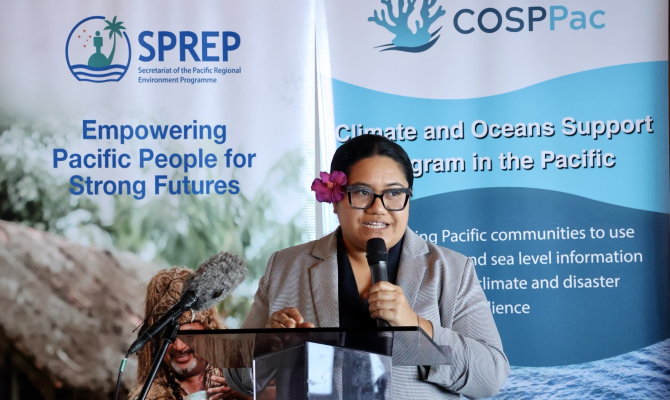
21 August 2026, Tamakautonga – Niue has taken an important step towards strengthening its resilience to climate variability and extreme events with the hosting of its first-ever National Climate Outlook Forum (NCOF), with a strong focus on preparing for the impacts of the current El Niño event.
The two-day forum brought together representatives from key government departments and sectors, including agriculture, fisheries, tourism, water and other areas, to hear the latest climate information and outlook from the Niue Meteorological Service (NMS) and discuss how El Niño may impact their respective sectors in the coming months.
For Niue, El Niño is generally associated with below-normal rainfall, increasing the risk of dry conditions and placing pressure on water resources, agriculture and other climate-sensitive sectors. The NCOF provided an important platform for sectors to receive the latest El Niño update and develop sector plans to prepare for and respond to the expected impacts.
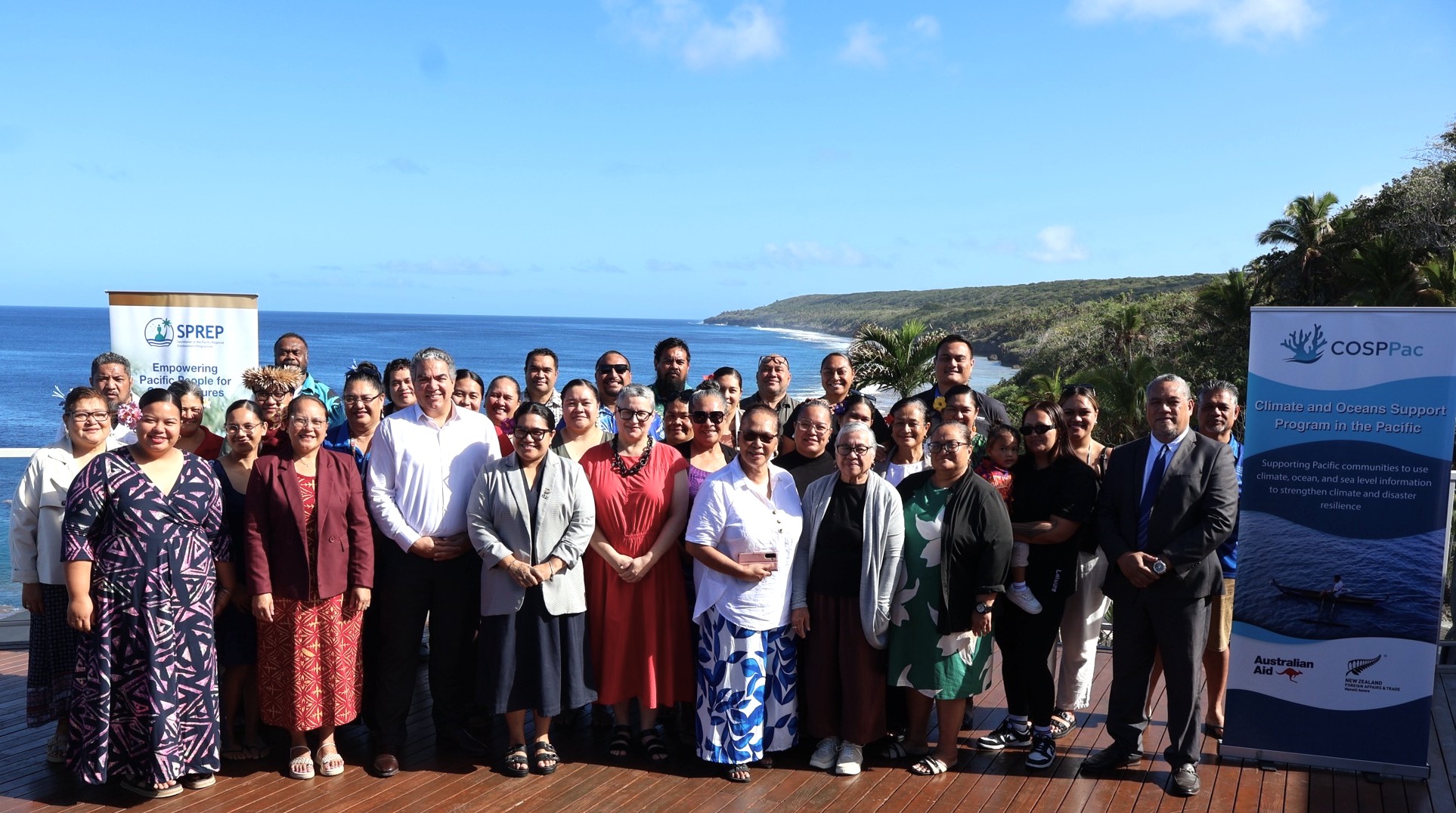
The forum was organised by the Niue Meteorological Service with support from the Secretariat of the Pacific Regional Environment Programme (SPREP) through the Climate and Oceans Support Programme in the Pacific (COSPPac) and the Republic of Korea-Pacific Islands Climate Prediction Services (ROK-PI CliPS) project.
The Forum was officially opened by Hon. Rhonda Tiakia, Minister of Natural Resources and Minister for Niue Meteorological Services, who highlighted the importance of collaboration across government agencies and departments in preparing Niue for the potential impacts of El Niño.
“The El Niño-Southern Oscillation (ENSO) remains one of the most influential climate drivers affecting weather patterns across the Pacific region. The impacts can be significant and far-reaching,” Hon. Tiakia said.
“The success of our national preparedness depends on the collaboration between science, policy, and communities,” she added.
Speaking on behalf of the Government of Australia, H.E. Paul Harrington, Australian High Commissioner to Niue, reaffirmed Australia’s commitment to strengthening the capacity of Pacific meteorological services to provide accurate, timely and accessible weather, climate and ocean information.
“El Niño has the potential to influence rainfall patterns, temperatures, tropical cyclone activity and drought risks across the region. Understanding these changing conditions early allows us to prepare and reduce potential impacts,” High Commissioner Harrington said.
The Government of Australia, together with the Government of New Zealand, funds the COSPPac programme, which supports Pacific National Meteorological and Hydrological Services to strengthen their capacity to provide climate information and services that support informed decision-making.
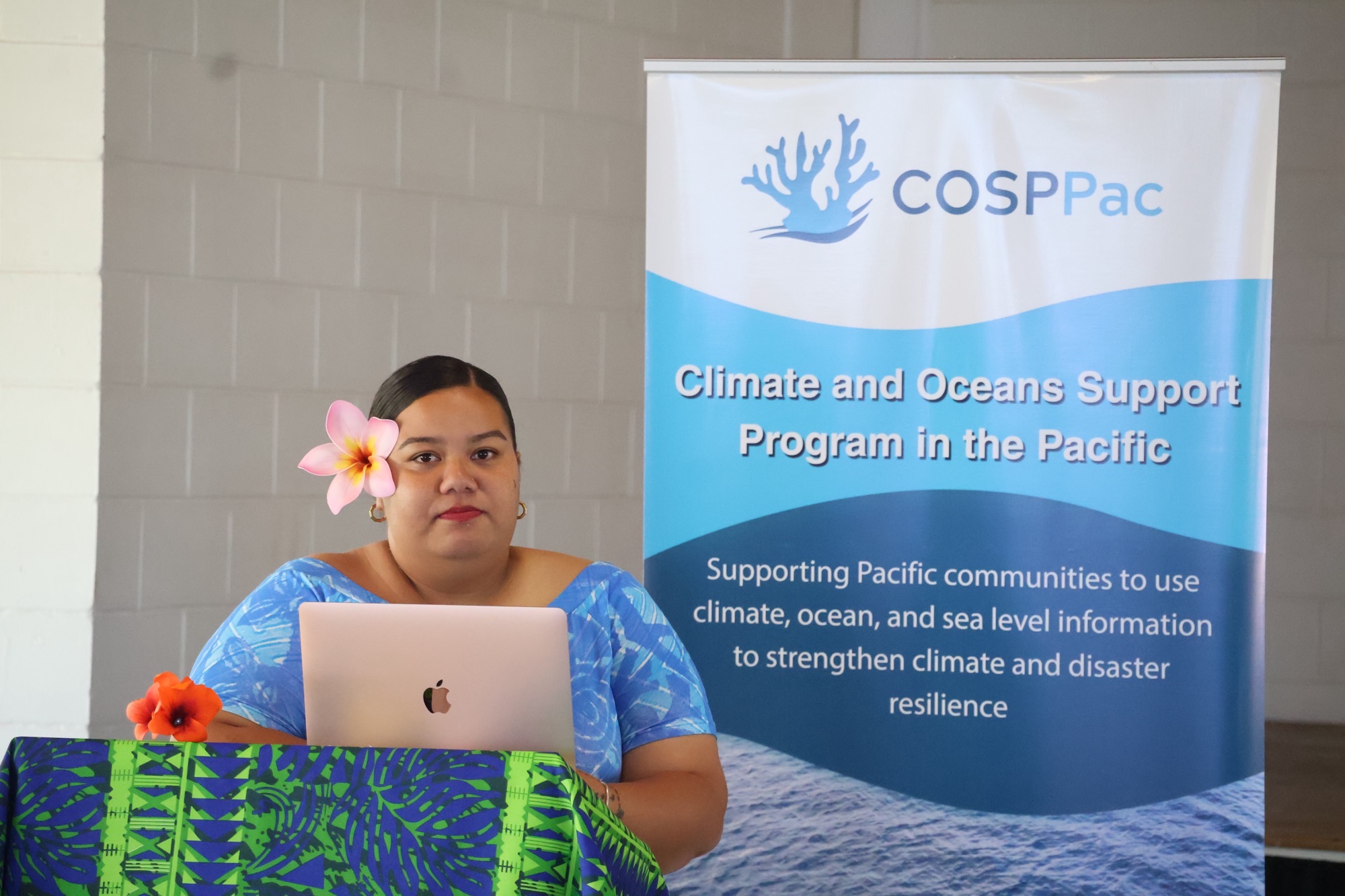
Representing the Government of New Zealand, Ms. Carlena Sneesby emphasised the importance of climate services in helping Pacific countries prepare for and respond to changing climate conditions.
“We recognise that effective climate services are essential for protecting lives, livelihoods, water resources, infrastructure, public health and economic development,” Ms Sneesby said.
“The discussions over the coming days can help ensure that climate outlooks are translated into practical decisions that benefit communities across Niue.”
A key component of Niue’s first NCOF is the piloting of the ENSO Directive, an initiative being introduced by SPREP to help countries establish a clear and coordinated approach to preparing for El Niño and La Niña events.
Ms. Rossy Mitiepo, Director of the Niue Meteorological Service, said the NCOF provided an important opportunity to bring sectors together to shape the Directive and ensure it reflects Niue’s national context.
“Niue was one of the first countries to put its hand up to pilot the ENSO Directive because we see the value in having a clear understanding of what needs to happen when we experience an El Niño or La Niña event, and where our responsibilities are and where so sectors come in” Ms. Mitiepo said.
The ENSO Directive is intended to provide a practical framework for strengthening coordination and preparedness, helping ensure that climate information provided by NMS is linked to clear actions across government and key sectors
The forum also provided an opportunity to strengthen communication between the Niue Meteorological Service and its sector partners, ensuring that agencies understand how to access, interpret and use climate information and where to seek further advice as conditions evolve.
For NMS, the inaugural NCOF marks an important step in strengthening the delivery and use of climate services in Niue.
As El Niño continues to influence climate conditions across the Pacific, the outcomes of Niue’s first NCOF, together with the development of the ENSO Directive, will support sectors to strengthen preparedness and make informed decisions in the months ahead.
About COSPPac3
The Climate and Oceans Support Programme in the Pacific Phase 3 (COSPPac 3) project is a four-year project funded by the Australian Government Department of Foreign Affairs and Trade (DFAT) and the Government of New Zealand’s Ministry of Foreign Affairs and Trade (MFAT), which aims to support Pacific National Meteorological and Hydrological Services to deliver useful and usable climate and ocean information services to enable all Pacific peoples to remain resilient to the impacts of climate change and disasters. It is jointly implemented by the Australian Bureau of Meteorology (BOM), the Pacific Community (SPC), and the Secretariat of the Pacific Regional Environment Programme.
About ROK-PI CliPS
The Republic of Korea-Pacific Islands Climate Prediction Services Project supports Pacific Island countries by improving access to advanced climate science, reducing scientific isolation, and building forecasting capacity within National Meteorological and Hydrological Services (NMHSs). The project is implemented by the APEC Climate Center (APCC), Seoul National University (SNU) and Secretariat of the Pacific Regional Environment Programme (SPREP) to increase the resilience of the Pacific Islands through enhancing capacity of the utilization and production of high-quality climate prediction information.