

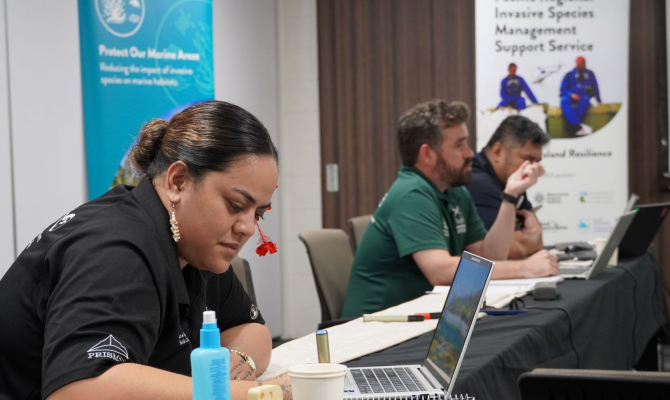
16 June 2026, Apia, Samoa - The 12th Pacific Regional Invasive Species Management Support Service (PRISMSS) meeting has officially commenced at the Secretariat of the Pacific Regional Environment Programme (SPREP) campus in Vailima, Apia, Samoa, bringing together key stakeholders, technical partners and the programme team to strengthen collaboration and enhance programme impact on invasive species management and regional resilience efforts.
The week-long meeting, provides an important platform for coordination, reflection and forward planning among PRISMSS partners, including representatives from SPREP, Island Conservation, BirdLife International, Earth Sciences New Zealand, Bioeconomy Science Institute and the New Zealand Ministry of Foreign Affairs and Trade.
SPREP Director General, Mr Sefanaia Nawadra, while delivering the opening remarks shared that, “I was genuinely impressed by the strength of collaboration and the close relationships across partners and donors, particularly with New Zealand. That level of joint effort is a key reason PRISMSS continues to deliver meaningful results in the region.”
“It was clear from our recent trilateral discussions that our partners, especially New Zealand, remain very satisfied with the programme, with strong interest from Australia and the UK as well. That continued commitment reflects confidence in both the work and the way the partnership operates together.”
The SPREP Director General further added that the strength of PRISMSS was in its network of doers, partners working together to deliver practical, on-the-ground services that countries truly need supported by donors. That coordinated approach is what makes the programme both effective and unique.
“The challenges facing the Pacific are not diminishing if anything, they are intensifying with new pressures such as climate variability and emerging threats such as the El Nino. This underscores the continued need for strong partnerships like PRISMSS to support countries in meeting those challenges.”
“Ultimately, it is the individuals behind these partnerships, working together with shared purpose and commitment, that make this programme successful. That collective effort is what will sustain and strengthen PRISMSS into the next phase.”
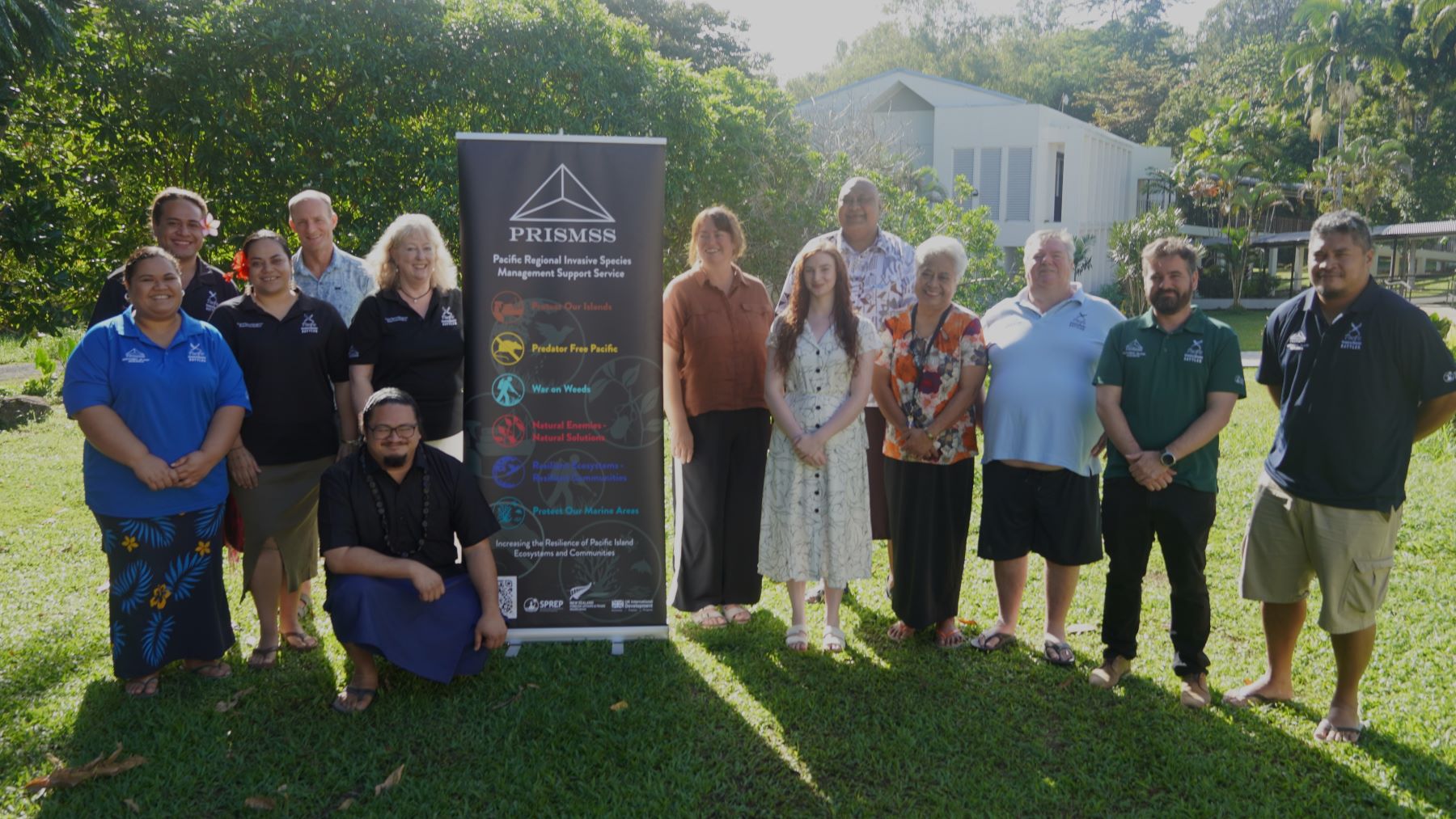
The meeting opened with an introductory session setting the tone for a series of structured discussions focused on improving programme coordination and strengthening partnerships. Early sessions emphasised enhancing communication, transparency, and collaboration through better use of coordination tools such as the Navigator and Asana platforms, with participants working to identify practical improvements and agree on priority actions.
Throughout the week, participants will engage in a range of programmatic and technical sessions designed to review ongoing work and shape future initiatives. Key discussions will include project development exercises to identify potential participating countries for upcoming regional initiatives, as well as dedicated communications sessions aimed at improving storytelling, reporting, and stakeholder engagement across PRISMSS programmes. These sessions highlight the partnership’s commitment to increasing visibility and ensuring clear and consistent communication among technical partners and communities.
A strong focus is also being placed on community engagement and inclusive practices, with interactive sessions on gender, equity, diversity, social inclusion (GEDSI), and traditional knowledge. These activities are designed to strengthen how PRISMSS initiatives are implemented at the community level, ensuring that local voices and perspectives are effectively integrated into programme delivery and outcomes.
As part of the programme, participants will also take part in a field visit to the INSPIRE Malololelei site, providing an opportunity to observe practical, on-the-ground invasive species management efforts and share insights through hands-on learning. This complements a series of technical presentations and discussions where partners will present project results, outcomes, lessons learned, and challenges experienced during implementation.
Mid-week sessions will focus on the PRISMSS Restoring Island Resilience project wrap-up, including financial updates, reflections on contracting and reporting processes, and presentations of project impacts by technical leads. These discussions will support a collective review of progress made to date and help identify areas for improvement in future project phases.
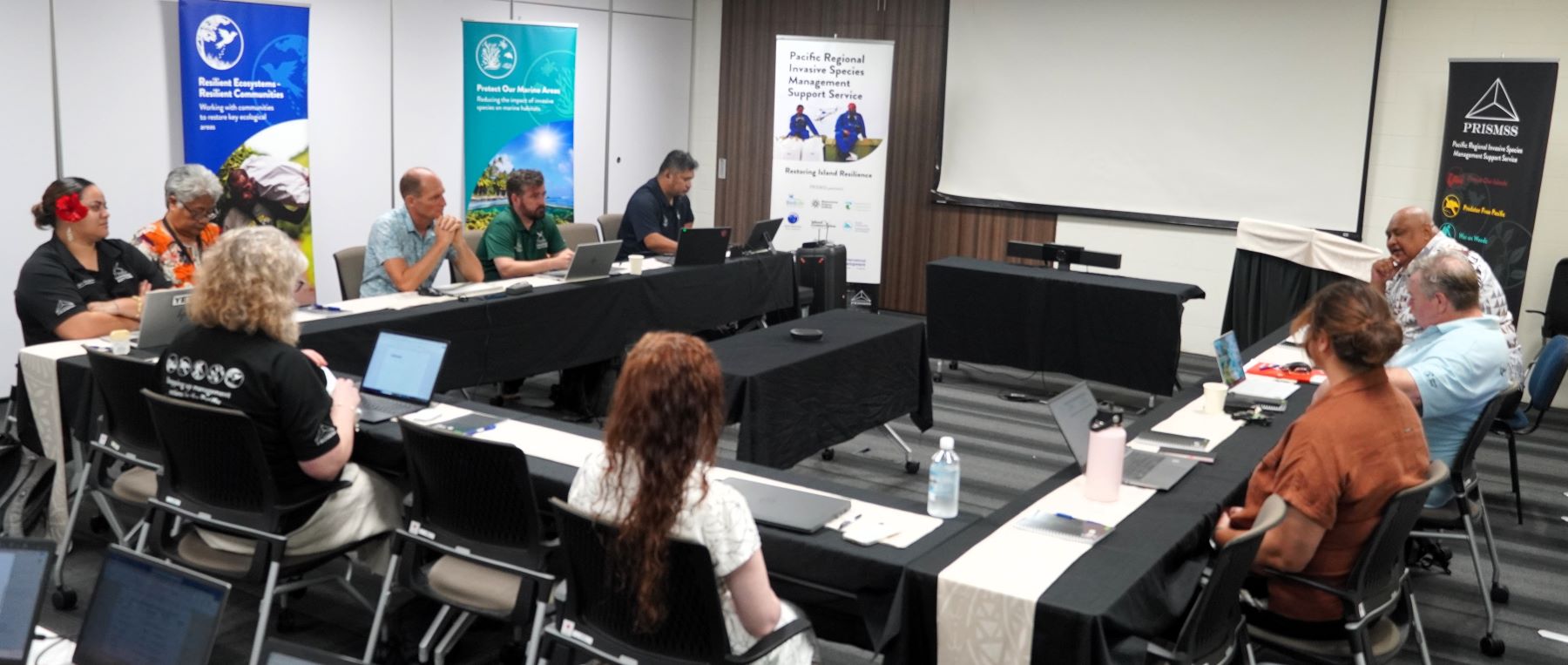
SPREP Invasive Species Adviser, Mr David Moverley, commented that, “this meeting provides a space for forward-looking dialogue, with partners and donors exploring future priorities, funding opportunities and collaborative approaches to advance the objectives of PRISMSS across the region.”
“Discussions on challenges and opportunities will further strengthen partnerships and ensure alignment on shared goals moving forward.”
The final day of the meeting will centre on reviewing shared coordination systems, as well as, reflecting on key outcomes from the week and agreeing on next steps. Participants will also consolidate lessons learned and identify actions to enhance coordination and programme delivery across the partnership.
The commencement of the 12th PRISMSS meeting marks another significant milestone in strengthening regional cooperation to address invasive species challenges in the Pacific, reinforcing the partnership’s commitment to effective coordination, inclusive engagement, and impactful, sustainable outcomes for island biodiversity and communities.
--------------------------------------------------------------------------------------------------------------------------
About PRISMSS: The Pacific Regional Invasive Species Management Support Service (PRISMSS) is a service designed to facilitate the scaling up of operational management of invasive species in the Pacific. PRISMSS brings together experts to provide support within the Pacific region with a focus on protection of indigenous biodiversity and ecosystem function. As a service provider, PRISMSS provides a comprehensive suite of support services in a cohesive, effective, efficient, and accessible manner to Pacific Island countries and territories.
Restoring Island Resilience (RIR): The PRISMSS - Restoring Island Resilience (RIR) is a New Zealand-PRISMSS collaboration project that aims to improve Pacific Island Countries and territories livelihoods and resilience to climate change by reducing the impact of invasive species on natural and agricultural ecosystems through the six PRISMSS programmes.
PRISMSS Powered by: New Zealand Foreign Affairs & Trade, United Kingdom International Development, GEF, United Nations Environment Programme & SPREP.
PRISMSS Partners: Bioeconomy Science Institute NZ, Birdlife International, Earth Sciences New Zealand, New Zealand Department of Conservation, Island Conservation, the Pacific Community and SPREP.
PRISMSS Programmes: Protect Our Islands (POI), Predator Free Pacific (PFP), War on Weeds (WOW), Natural Enemies Natural Solutions (NENS), Resilient Ecosystems Resilient Communities (RERC) and Protect Our Marine Areas (POMA).
For additional information please contact Mr Dominic Sadler, PRISMSS Manager on dominics@sprep.org or Mr Nitish Narayan, PRISMSS Communications & Liaison Officer on nitishn@sprep.org