

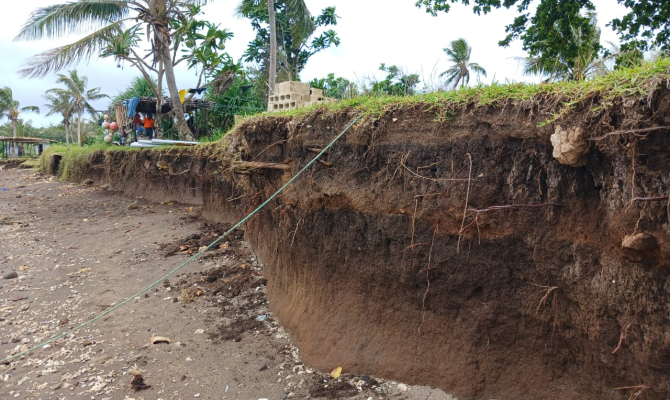
2 July 2026, Port Vila - Effective loss and damage support is fundamentally an issue of climate justice, fairness, and shared responsibility.
So reminded the Pacific’s Political Champion for Loss and Damage, and Vanuatu’s Minister for Climate Change Adaptation, Energy, Environment, Meteorology, Geo-Hazards and Disaster Management, Hon. Ralph Regenvanu.
“The Pacific is not asking for sympathy,” he said. “We are asking for partnership, accountability, and action. Loss and damage support must protect not only economies and infrastructure, but also people, cultures, identities, and futures.
“The world must recognise that when Pacific communities lose land, culture, and heritage, humanity as a whole loses something valuable and irreplaceable.”
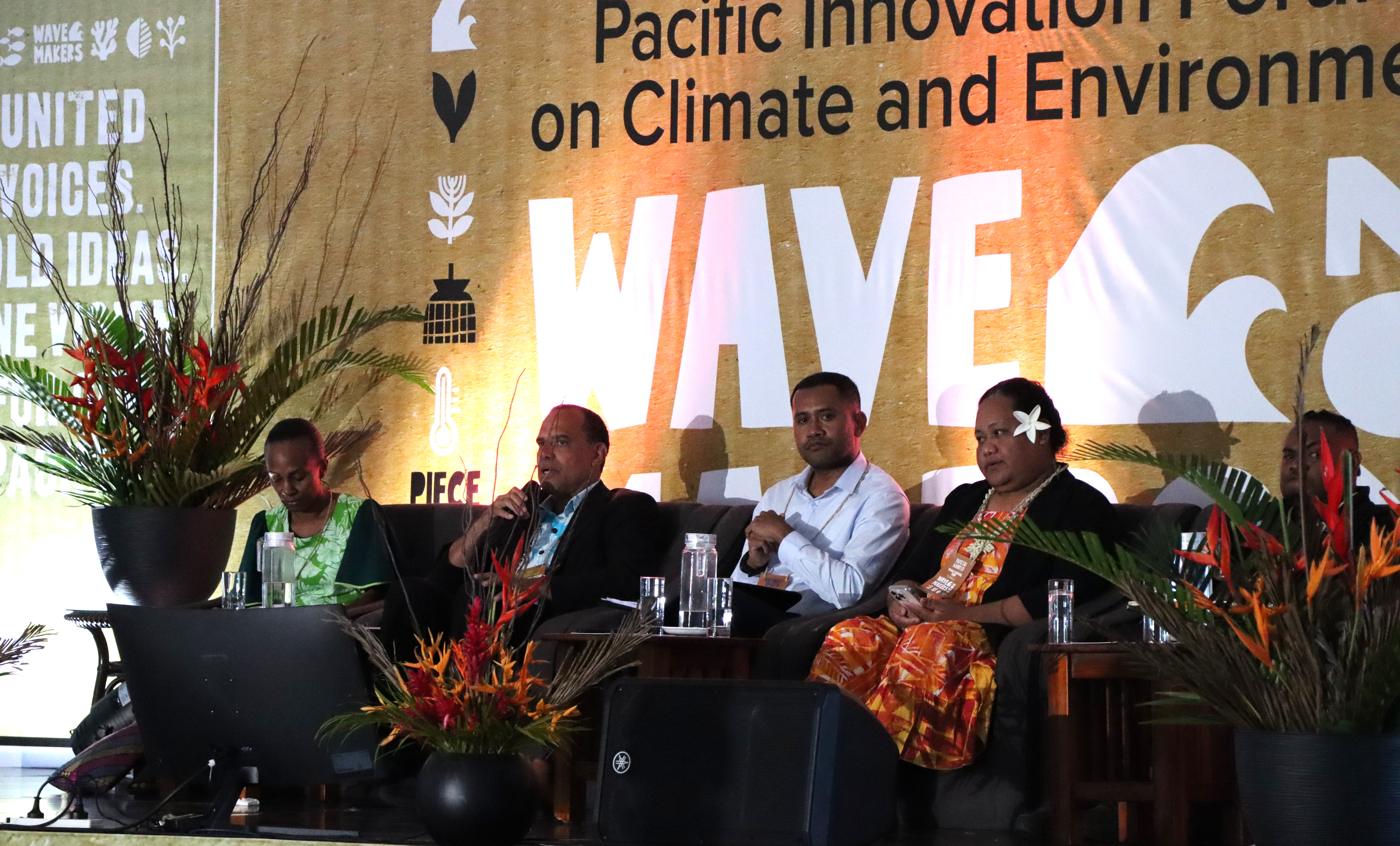
Minister Regenvanu was speaking during a Panel discussion titled “From Commitment to Action: Delivering Loss and Damage Support for the Pacific” on the first day of the inaugural Pacific Innovation Forum for Climate and Environment (PIFCE) taking place in Port Vila this week.
PIFCE is yet another example of Vanuatu’s growing global leadership and influence on climate action and climate justice. Minister Regenvanu was instrumental in bringing PIFCE to life through a proposal he developed jointly with the Vanuatu-based charitable association, V-Lab. As innovators gather in Port Vila, the work on loss and damage is an issue close to his heart, given Vanuatu’s historical involvement in pushing the issue.
“We welcome progress made internationally, including the establishment of funding arrangements for loss and damage. However, success will ultimately be measured not by announcements, but by whether support reaches communities quickly and effectively,” said Minister Regenvanu.
“Pacific voices, priorities, and experiences must remain central in shaping global loss and damage mechanisms. The solutions must reflect Pacific realities, Pacific cultures, and Pacific aspirations.”
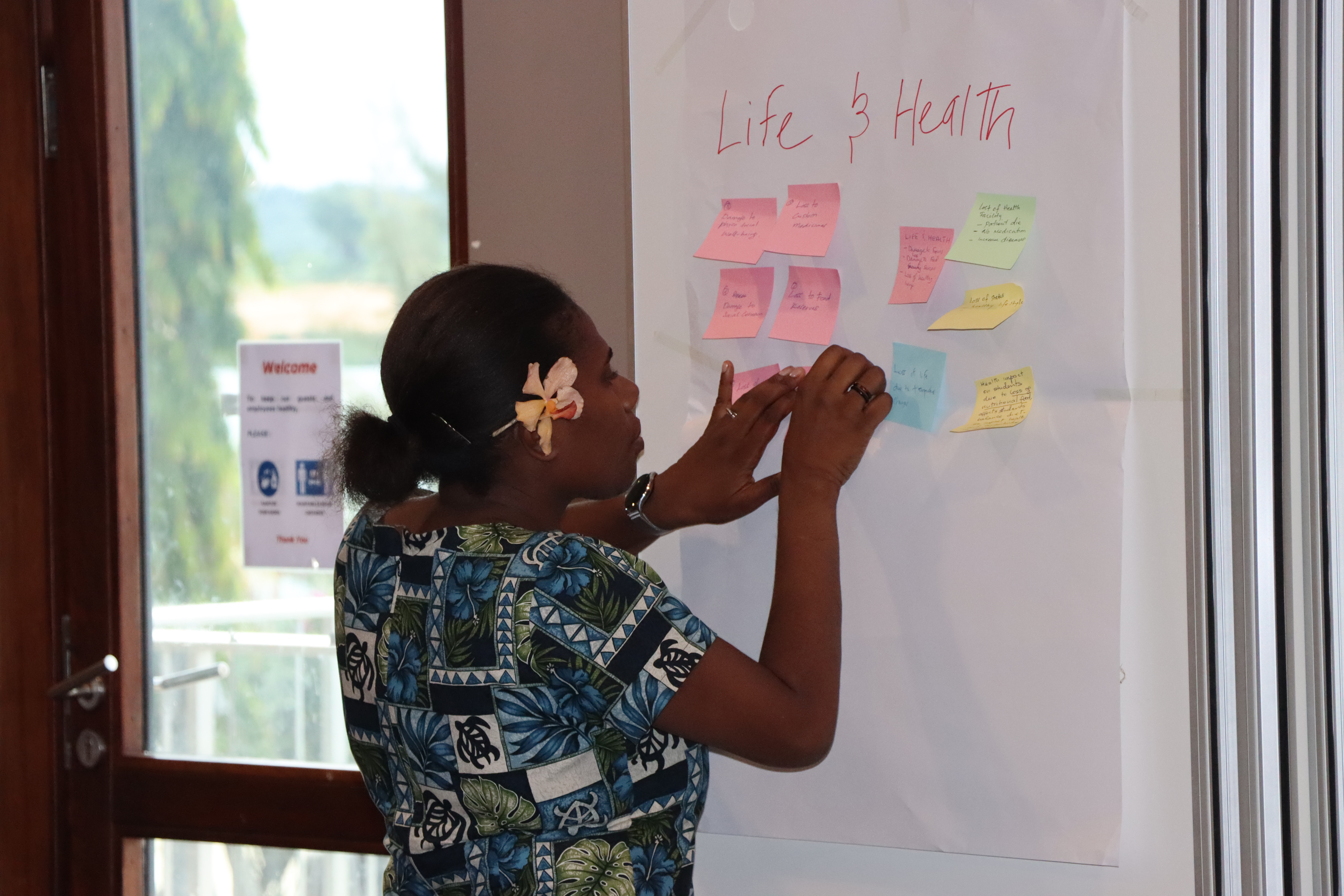
Loss and damage, which can be divided in two categories – economic and non-economic - can result from extreme weather events such as cyclones and flooding as well as slow-onset climate and weather events like heat waves, sea level rise and ocean acidification.
Historically, loss and damage assessments have concentrated on economic tangible impacts caused by disasters such as infrastructure damage or agricultural losses.
But for Pacific communities, the consequences of climate change go far beyond the economic damages. Non-economic losses and damages (NELD) can be some of the most devastating, such as losing a burial site to erosion or being forced to abandon traditional fishing practices due to marine ecosystem changes. The complete relocation of communities has had profound cultural and psychological effects that defy monetary valuation.
“Traditional knowledge systems are critical for resilience and recovery,” added the Minister. “Pacific communities have adapted to environmental changes for generations through customary governance, traditional agriculture, marine stewardship, and local coping mechanisms.”
On support for Planned Relocation and Cultural Preservation, Minister Regenvanu said this must be dignified, rights-based, culturally sensitive, and community-led.
“Loss and damage support should also include preserving language, cultural heritage, traditional practices, and community identity.”
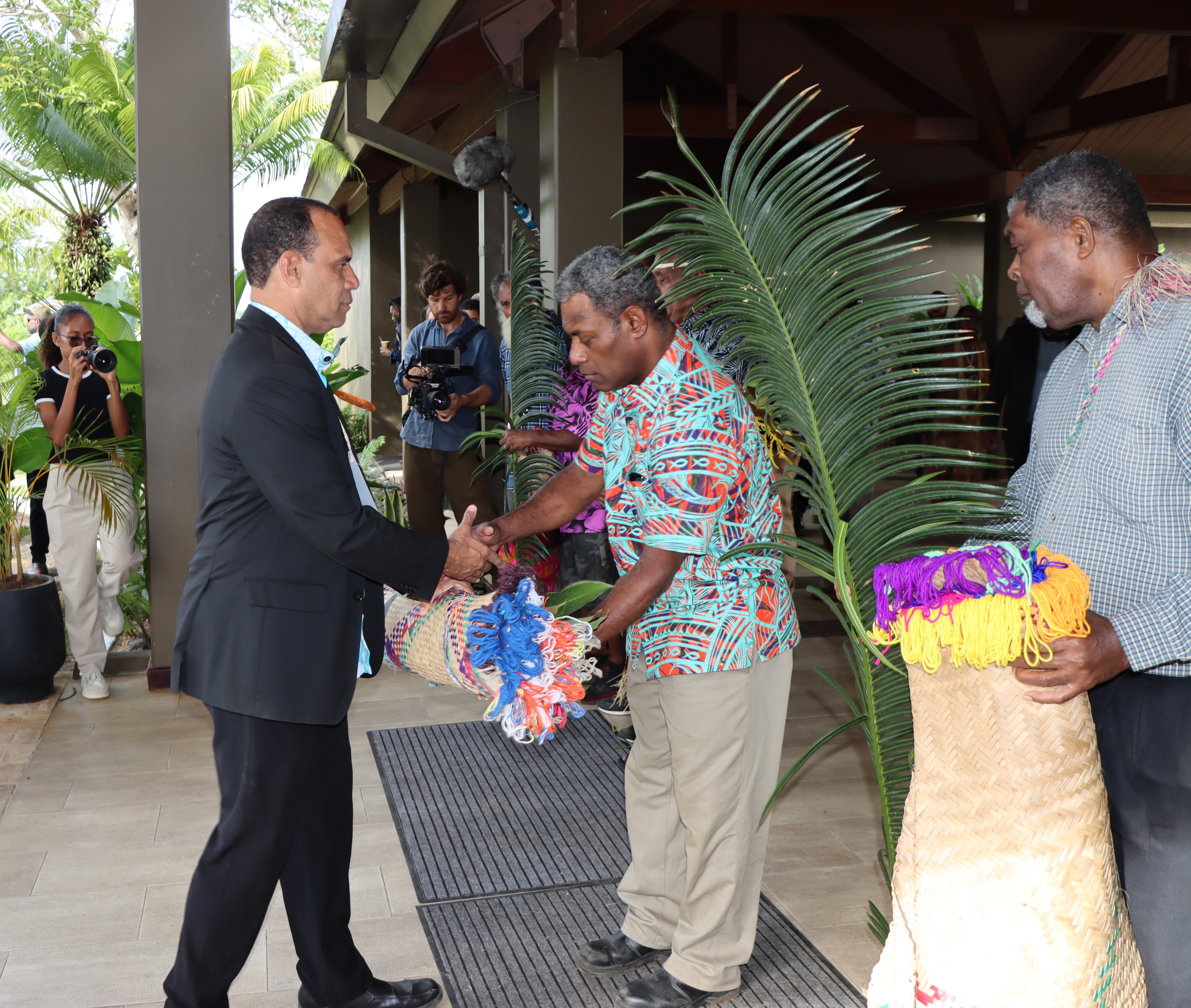
Guided by the theme “Champions of Innovation for Sustainable and Resilient Futures: Harnessing Ideas and Knowledge to Advance Pacific Solutions”, PIFCE is attended by Government Ministers, officials, entrepreneurs, non-governmental organisations, civil society groups, private sector leaders, and academic institutions.
The Forum celebrates those who are not simply responding to change, but actively shaping what comes next.
During the panel moderated by Ms Rebecca Bogiri, Climate Finance Technical Officer of Global Green Growth Institute, panellists explored how global commitments on loss and damage can move from policy to practise in the Pacific context.
The Panel also featured Mr Nacanieli Spaeth, Desk Officer SIDS, Santiago Network, Ms Fa’afetai Namoto, Tuvalu Department of Climate Change, and Mr Rodrick Hollness Rollands, Project Manager, Solomon Islands Climate Action Network.
The inaugural Pacific Innovation Forum on Climate and Environment (PIFCE) is held in Port Vila, Vanuatu from 1–3 July 2026.
Attended by government Ministers, officials, entrepreneurs, non-governmental organisations, civil society groups, private sector leaders, and academic institutions from across the Pacific, PIFCE is an initiative of the Government of Vanuatu.
It is co-organised by the Pacific Climate Change Centre (PCCC)/Secretariat of the Pacific Regional Environment Programme (SPREP) and V-Lab Vanuatu. It is supported by Japan International Cooperation Agency, New Zealand Ministry of Foreign Affairs and Trade, British High Commission Port Vila and the United Kingdom Development from the UK Government
To find out more, visit: https://pcccinnovation.com/pifce2026/