

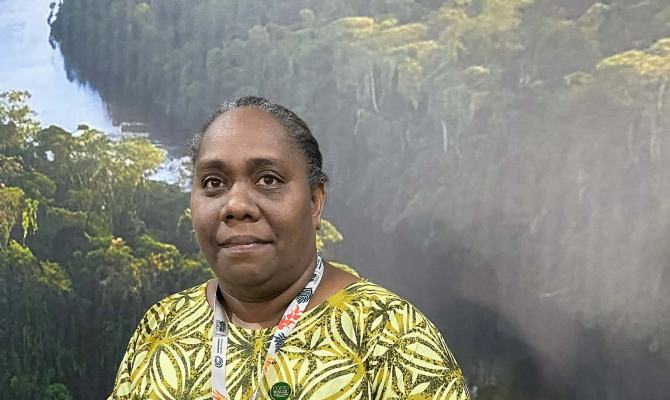
It’s Saturday in Belem Brazil.
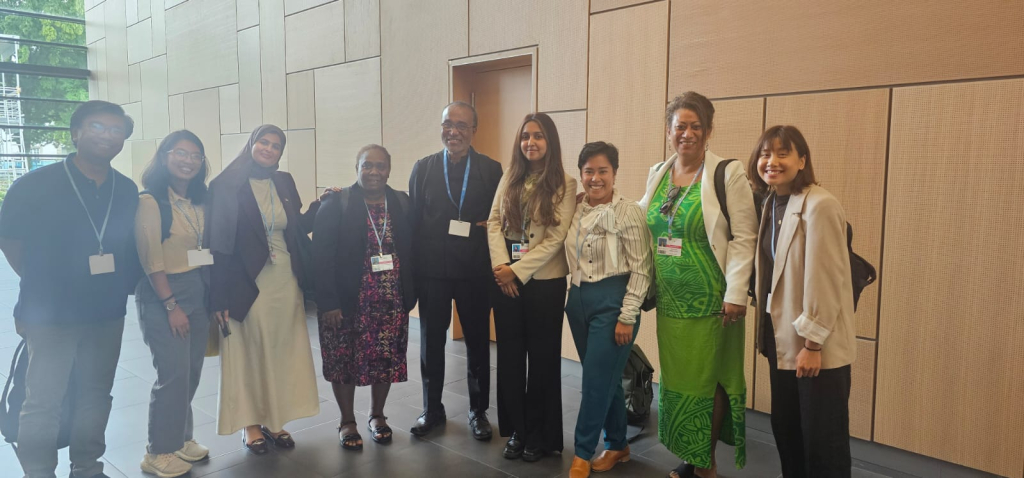
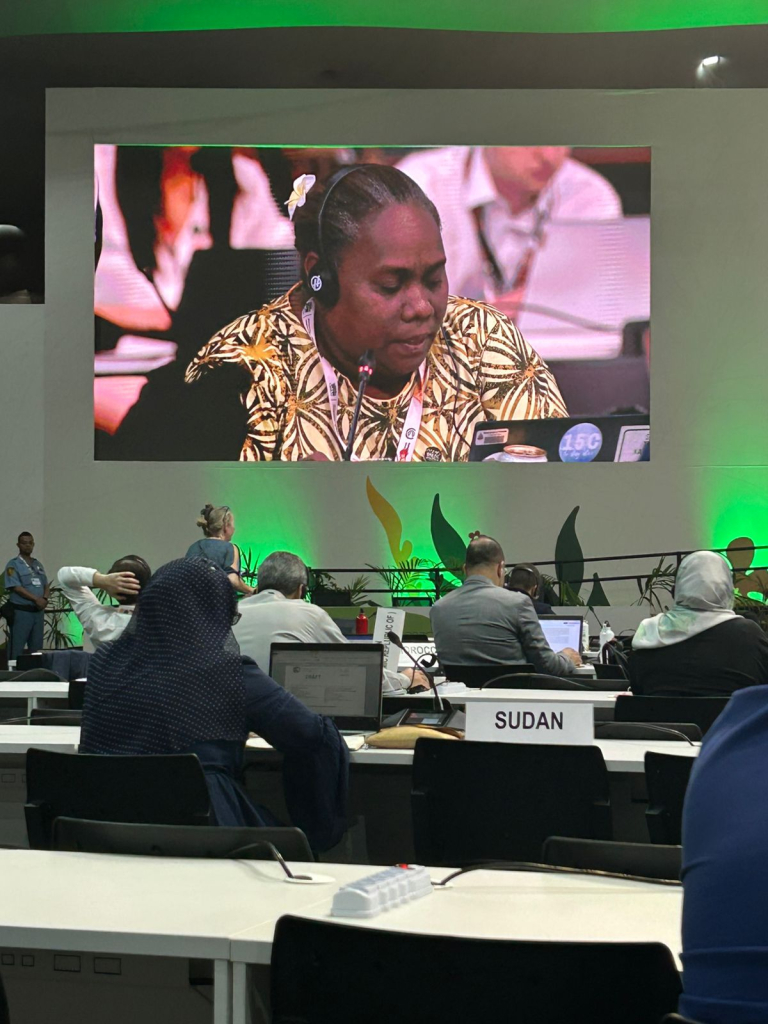
Mrs Florence Iautu, the Pacific Small Island Developing States (PSIDS) lead on the Global Stocktake (GST), is amongst Pacific climate change negotiators at COP30, who have been working for the past nine days without a day off.
The Alliance of Small Island States (AOSIS) pre-COP30 coordination meeting two Thursdays ago kicked off their schedule and they have been on the go since.
Typically, at COPs, there is only one rest day. Sunday here in Brazil is that day for COP30 and everyone is looking forward to a break tomorrow.
Today, we sit down with Mrs Iautu who is originally from the Solomon Islands. Married to a ni-Vanuatu, they have four boys, and she now lives and calls Vanuatu her home.
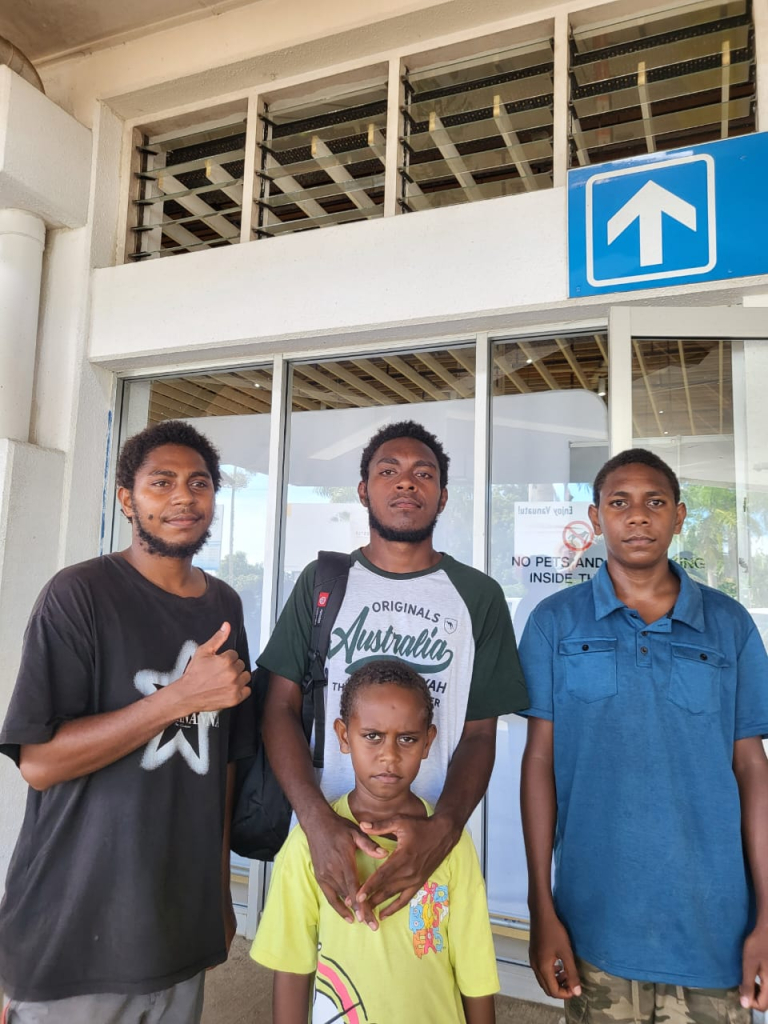
Her family is never far from Mrs Iautu’s mind.
“As a mother, it’s not easy when you have to leave your home for long periods of time, and my family knows that in June I leave for Bonn and in November for COP for at least three week a time,” she says.
“I thank my family for keeping me going each day with supporting and encouraging words. My husband is very supportive of what I do and so do my children who encourage me to keep working hard to represent our people at this level in fighting against the impacts of climate change.”
COP30 is Mrs Iautu’s 7th COP. She chats to us as part of a series where we hope to give our Pacific communities a better understanding of the work and the challenges our Pacific negotiators go through during COP meetings.
“We have to prepare mentally and physically before we come,” she says.
While people often see the smiling photos, and they think the destinations these negotiators travel to are fancy and exotic (and some of them are), what they do not see is the long hours, tears, pain and the tough realities on the ground.
As Mrs Iautu’s experience will show, negotiators easily lose track of time. They spend their days in windowless rooms, negotiating from morning into the night, with little time to rest.
“The schedules of meetings do not really allow you to have proper breakfast, lunch and dinner as meetings go on late in the night and the distance to travel to and from the venue is a challenge at times,” she explains.
And then there is the long flights, time difference, and juggling COP with work from capital.
“With the time difference, I cannot sleep well and usually ended up checking my email and respond to work back in capital as it is day time back home. I used to spend these hours doing my office work, which I cannot leave aside during COP sessions,” she adds.
So how do Pacific climate change negotiators like Mrs Iautu rise to the challenge every day? What might a typical day during a COP look like?
Seeing how they work might give you more appreciation for all that they do to fight for the survival of Pacific communities at the forefront of the climate crisis.
This is what a day in Ms Iautu’s life is like, in her own words:
5am – 7am:
I wake up usually around 5am and say my prayers – it’s important for me to seek guidance, strength and source of wisdom from our Almighty father in heaven to begin yet another long day with negotiations.
I will check my messages and share the day’s schedule with the members of our delegation.
Go for breakfast at 6:15am and leave the boat around 6:45am for another terminal in a smaller bus. We then transfer to another bigger bus which takes us to the venue, its about an hour’s ride. Arrive at the venue at around 7:50am (if I am lucky with no long line at the entrance) pass through security and finally into the venue.
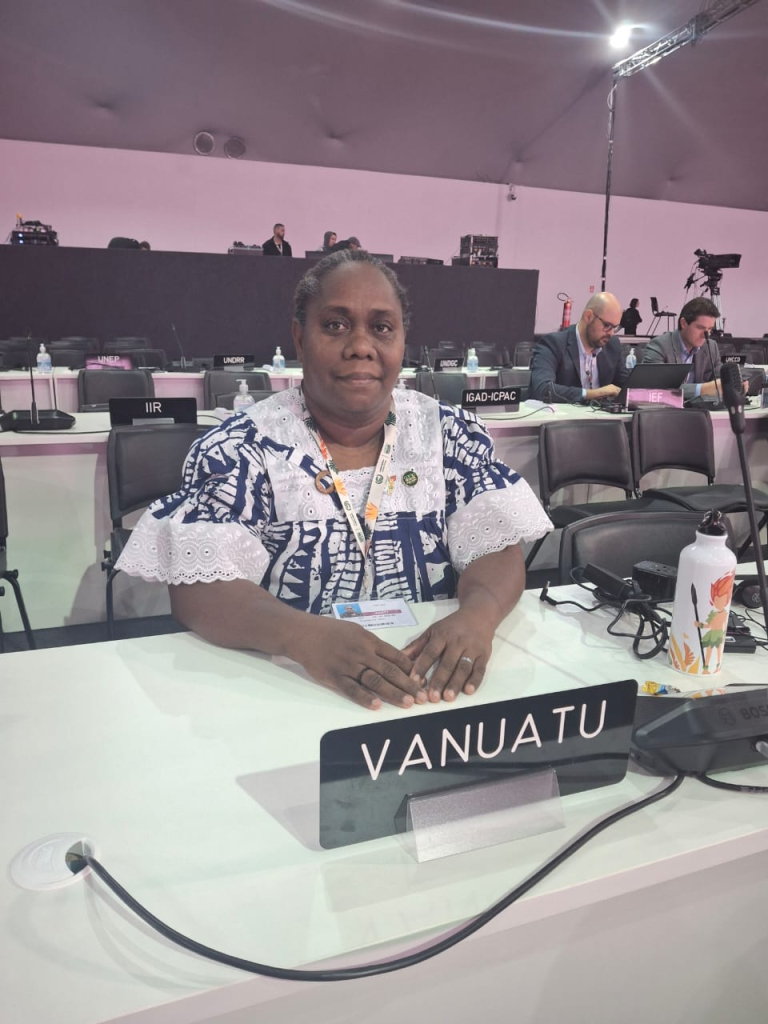
8am – 10am:
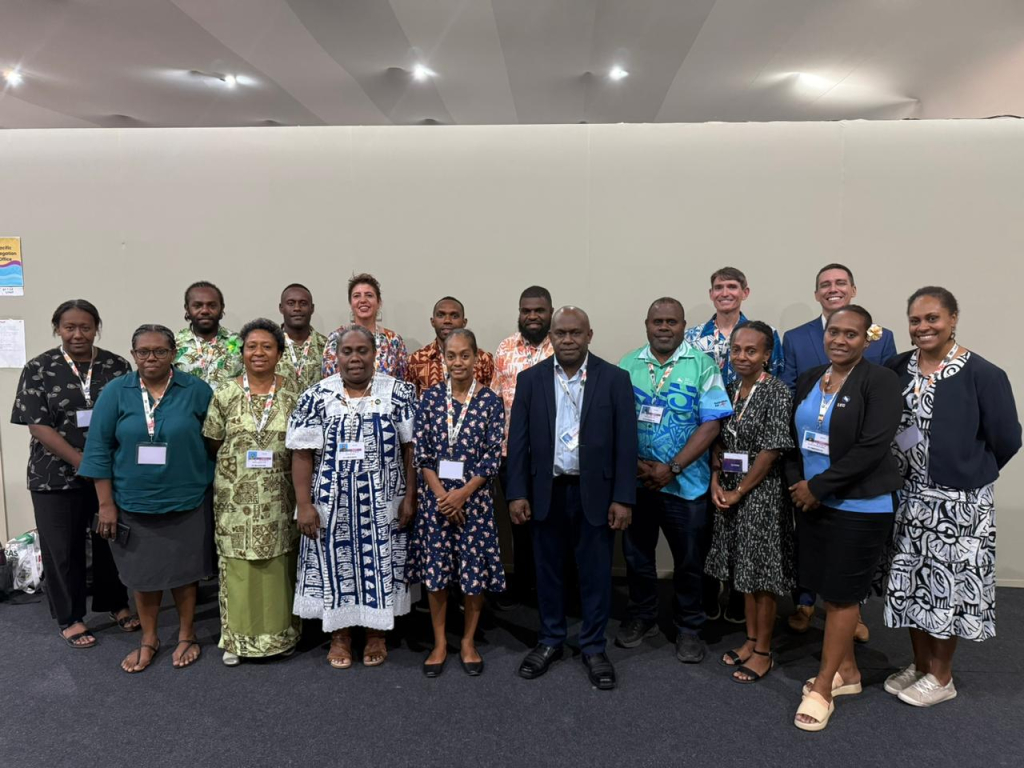
First meeting of the day is at 8am to 9am with the Alliance of Small Islands States (AOSIS) coordination meeting.
Then the G77 + China coordination at 10am to 11am. Usually straight after AOSIS meeting, the AOSIS GST thematic team will have our coordination on the different agenda items for the day before the G77 GST group coordination.
At 10am to 11am, I attend the Vanuatu HOD meeting with the Directors attending COP30. We meet to coordinate and strategise on the negotiations to uphold national positions, bilateral planning and coordination on attending presidential consultations and HODs meetings. This is very important as I am responsible to coordinate this during COP30 for my delegation.
11am – 2pm
As the UNFCCC Focal Point for Vanuatu, I am running to the Information centre to collect our delegation tickets to the High Level Ministerial consultations and statement event and for the Climate Finance Ministerial Dialogue.
I then run to meeting room 20 to join my GST informal consultation on the Annual Dialogue reports given the distance between meeting rooms.
The schedules of meetings do not really allow you to have proper lunch and dinner as meetings go on late in the night and the distance to travel to and from the venue is a challenge at times.
2pm – 5pm
As one of the PSIDS thematic coordinators, I join the PSIDS coordination meetings with the PSIDS Heads of Delegation and Ministers to coordinate and brief them on the updates of the negotiations so far at 2pm to 3pm each day.
From 3pm to 6pm, I have three agenda items for GST lined up
6pm – 9pm
At 6pm, the AOSIS evening coordination resumes for updates from coordinators and this will end at 7pm. With the discussions on the GST during the day, GST continues into the night from 7pm to 9pm in an informal consultation meeting with the GST co-facilitators to finalise draft texts.
In the first week, I usually leave the venue around 7:30pm – as there are only preparatory meetings, but I enter the first week of COP30, usually enter my room around 8:45pm.
Then by 9pm have dinner if I can and end the day.
10pm – 1am
With the time difference, I cannot sleep well and usually ended up checking my email and respond to work back in capital as it is day time back home. I used to spend these hours doing my office work, which I cannot leave aside during COP sessions.
2am – 5am
Sleep for few hours and begin my day again at 5am the next day. And that is how my day looks like at COP30 each day for two and the half weeks in Belem.
The 30th Conference of the Parties to the UN Framework Convention on Climate Change (UNFCCC) is taking place from 10-21 November 2025 in Belem, Brazil.
It is being attended by Pacific leaders and their delegations, who are advocating for the survival of Pacific communities who continue to be at the forefront of climate change impacts.
Support for our Pacific Islands at COP30 from members of the Council of Regional Organisations of the Pacific (CROP) is through the One CROP mechanism led by the Secretariat of the Pacific Regional Environment Programme.
Members of one CROP include: The Secretariat of the Pacific Regional Environment Programme (SPREP) – Lead, Pacific Islands Development Program, Pacific Islands Forum Fisheries Agency, Pacific Island Forum Secretariat, Pacific Community.
A key part of amplifying the One Pacific Voice at COP30 is the Moana Blue Pacific Pavilion and the Pacific Delegation Office. The Moana Blue Pacific Pavilion at COP30 is a Pacific partnership with the Governments of Australia and New Zealand managed by the Secretariat of the Pacific Regional Environment Programme (SPREP).
The Pacific Delegation Office at COP30 is a Pacific partnership with the New Zealand Government managed by the Secretariat of the Pacific Regional Environment Programme (SPREP).
To learn more about the Pacific at COP30 please visit: https://www.sprep.org/cop30