


28 January 2026, Suva - Pacific Recycling Foundation today marked a significant milestone in Fiji’s recycling journey with the successful launch of Phase 2 of the Circular Pacific Plastics (CPP) Project at Saint Pius X Parish Raiwaqa, bringing structured plastic recovery and recycling education into a faith-based setting for the first time.
The launch, officiated by the Head of the Catholic Church in Fiji, Archbishop Peter Loy Chong, signals a new and important direction for recycling advocacy in Fiji - one that recognises the influential role of faith-based institutions in shaping values, behaviours, and community responsibility.
The Circular Pacific Plastics Project was initiated by the Australia, New Zealand, and Pacific Islands Plastics Pact (ANZPAC) as part of its commitment to support brand owners to work collaboratively with Pacific communities to address plastic waste.
The project pilots innovative plastic recovery initiatives while establishing pathways toward Extended Producer Responsibility, responding to the challenges posed by limited recycling infrastructure across the Pacific.
Following the successful implementation of Phase 1 in 2024 at Extra Supermarket in Lautoka, delivered by PRF, the project has now progressed into Phase 2 under the Pacific Ocean Litter Project (POLP). POLP is a seven-year regional initiative, funded by the Australian Government and implemented by the Secretariat of the Pacific Regional Environment Programme (SPREP).
This new phase continues the soft plastics collection programme at Extra Supermarket in Lautoka and expands the initiative to Saint Pius X Parish Raiwaqa, Nakaikogo Mother’s Club in Koronivia and Queen Victoria School.
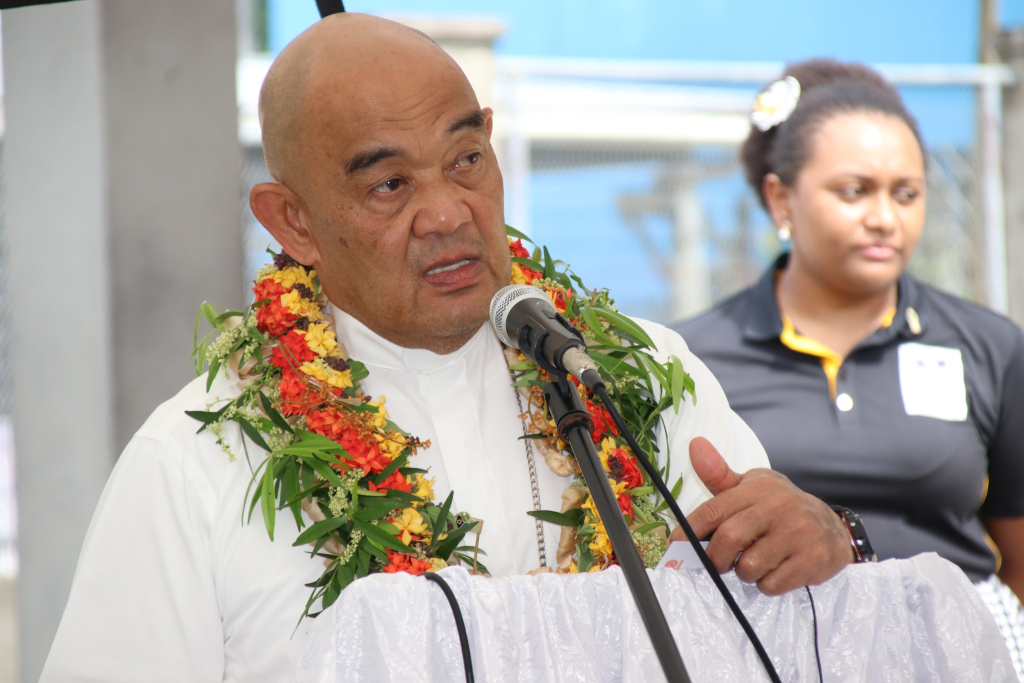
Speaking at the launch, Mr Amitesh Deo, Founder of Pacific Recycling Foundation, emphasised the strategic importance of engaging faith-based spaces in addressing plastic pollution.
“This is a very important step for PRF. For the first time, we are taking a comprehensive recycling programme directly into a religious space, recognising the powerful role that faith leaders and faith-based communities play in shaping mindset, behaviour, and collective responsibility,” said Mr Deo.
“Fiji is rich in faith and community. When recycling programmes are introduced in churches and faith-based institutions, they become platforms for education, advocacy, and long-term behaviour change. Religious leaders have trust and moral authority, and their leadership is critical in advocating best practices.”
He added that bringing recycling into faith-based settings reflects PRF’s Look Beyond Movement, which advocates inclusive recycling services for everyone - recognising that churches and religious spaces are shared community platforms that reach people across social, economic, and geographic divides, including those often left out of formal waste management systems.
“The second phase of the Circular Pacific Plastics project demonstrates how locally delivered initiatives can support broader circular economy outcomes,” said Mr Karl Shanley, Head of Stewardship, ANZPAC/APCO.
Mr Shanley said through strong partnerships with Pacific Recycling Foundation, SPREP and local organisations, this work strengthens implementation on the ground while contributing to longer-term system learning.
“This project aligns strongly with SPREP’s regional priorities on waste management and plastic pollution. Embedding recycling education and recovery into everyday community settings, including leveraging the role of faith-based institutions, is critical to driving long-term behaviour change and protecting Pacific peoples and environments,” said Mr Anthony Talouli, the Director of Waste Management and Pollution Control at SPREP.
“We are proud of this partnership and acknowledge the Australian government’s continued support in locally delivered solutions to healthier communities, cleaner oceans, and a more sustainable Pacific region.”
ANZPAC is the initiator of the Circular Pacific Plastics Project and serves as the main liaison between PRF and SPREP. PRF is the administrative and implementation partner in Fiji, responsible for programme delivery, community engagement, and on-the-ground plastic recovery activities.