

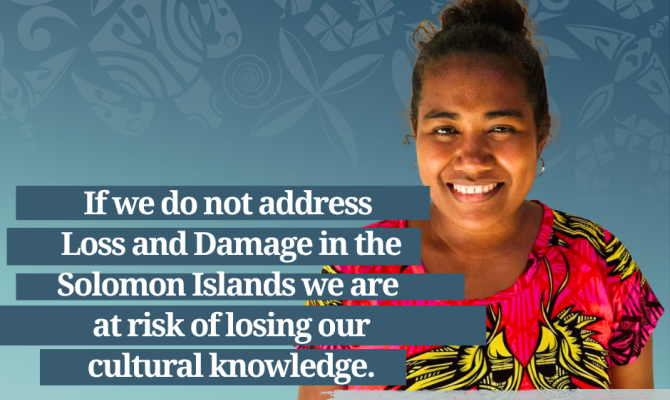
The Government and the people of the Solomon Islands are taking urgent concrete steps to address the devastating impacts of climate change-induced loss and damage on the Pacific nation.
Amongst the first steps include the commitment to convene a Steering Committee Group made up of Government authorities, provincial governments and all relevant stakeholders to mobilise technical support for policies and plans, amongst other things, to advance the National Loss and Damage Agenda.
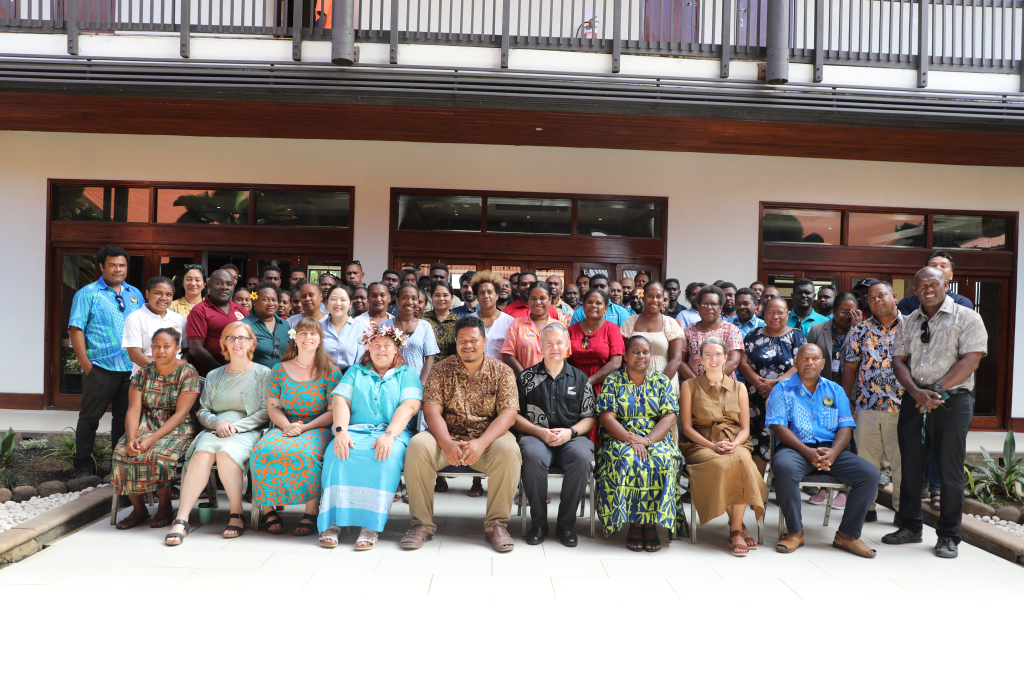
The steps follow the inaugural Solomon Islands National Loss and Damage Dialogue from 13-16 October 2025, in Honiara, facilitated by the Secretariat of the Pacific Regional Environment Programme (SPREP) with funding support from the Government of New Zealand through the Loss and Damage Capability and Capacity (LDCC) Project.
Climate change-induced loss and damage refer to the negative impacts of climate change that go beyond what can be mitigated or adapted to, resulting in both economic and non-economic losses.
Across the Solomon Islands from Walande and Lilisiana to Ontong Java, Sikaiana Reef Islands, and Lau Lagoon, communities have watched ancestral lands, burial grounds, freshwater sources, food gardens, and protective mangroves vanish beneath rising seas. These present-day realities have stripped families of livelihoods, identity, dignity, and forcing costly dependence on imported food and water.
“For the Solomon Islands, Loss and Damage is not theoretical — it is our daily lived reality,” said Ms Agnetha Vave-Karamui, Deputy Secretary Technical of the Ministry of Environment, Climate Change, Disaster Management and Meteorology.
“Our communities, ecosystems, infrastructure, and cultural heritage are under constant threat. Even under the most optimistic global pathways, the impacts will persist.”
The three-day Dialogue enhanced understanding of Loss and Damage in the Solomon Islands context, strengthened capacity to assess, document, and respond to impacts. It was also an opportunity to validate national priorities to guide future planning and resource mobilisation, and inclusive collaboration that integrates Gender Equality, Disability Inclusion, and Social Equity (GEDSI) across all frameworks.
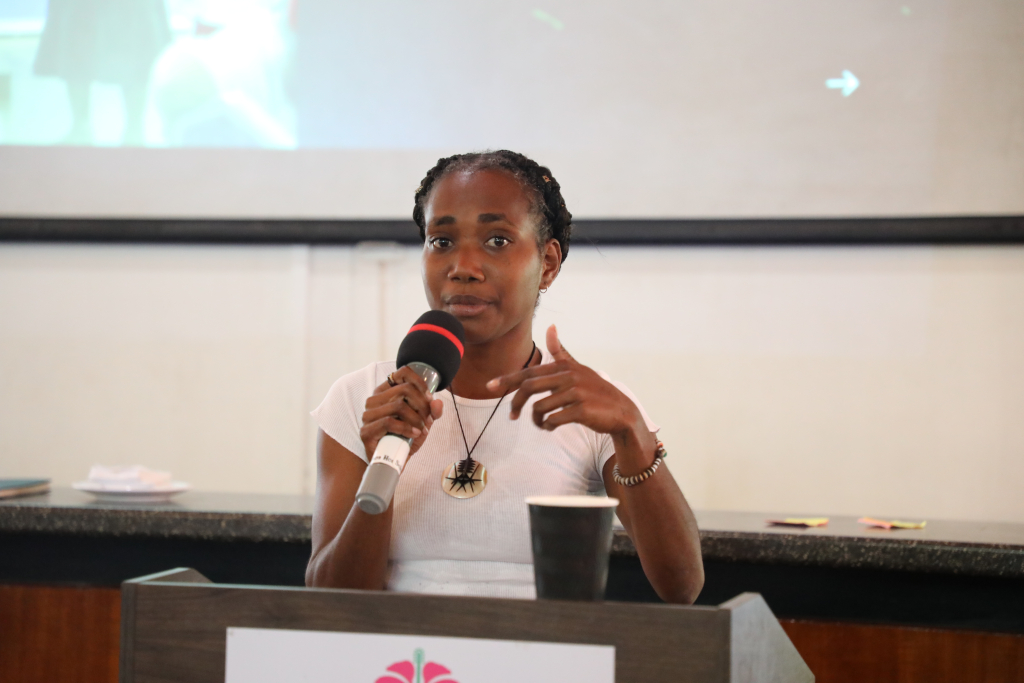
The Dialogue started with a session on Children, Youth and Persons with Disabilities and transitioned to including Solomon Islanders from all works of life in the latter days. It underscored that L&D is a pressing concern and participants called for an urgent, people-centred national policy and delivery roadmap, with particular emphasis on the integration of provincial and community priorities and equitable access to finance and technical support.
“This Dialogue is not just a meeting — it is a call to action. It is an opportunity to define our own path, share our experiences, and shape a uniquely Solomon Islands approach to addressing Loss and Damage,” added Ms Vave-Karamui.
“Let this Dialogue expand our understanding, strengthen our partnerships, and inspire concrete action. Together, we can ensure that the voices of Solomon Islanders — across generations, islands, and identities — lead the way in the global fight for climate justice.”
From the ongoing degradation of artificial islands in Malaita’s Lau Lagoon, to the disappearance of ancestral grave sites in Temotu, and the steadily retreating coastlines of Sikaiana and Lord Howe, the Dialogue was a timely reminder that loss and damage is a daily reality for every Solomon Islander.
New Zealand High Commissioner to the Solomon Islands, His Excellency Johnathon Curr, said New Zealand is proud to support the partnership between SPREP and the Solomon Islands to strengthen understanding of loss and damage and to design a clear, practical pathway to address the impacts.
“It is critical that we find solutions to address the severe and sometimes irreversible consequences of climate change — impacts that reach beyond adaptation and mitigation – that affect communities, livelihoods, cultural heritage, and the resilience of people,” he said.
“Evidence also tells us that inclusive, cross-sector collaboration is essential to truly understand loss and damage and to design responses that reflect the needs of those at the frontline of climate impacts.”
For the Deputy Technical Secretary, Ms Vave-Karamui, she said that while the Dialogue marked an important milestone in Solomon Islands’ national loss and damage journey, this is only the beginning.
She said the newly operational Fund for Responding to Loss and Damage (FRLD) and the Santiago Network (SNLD) offer critical pathways for finance and technical support, which the Solomon Islands is keen to tap into.
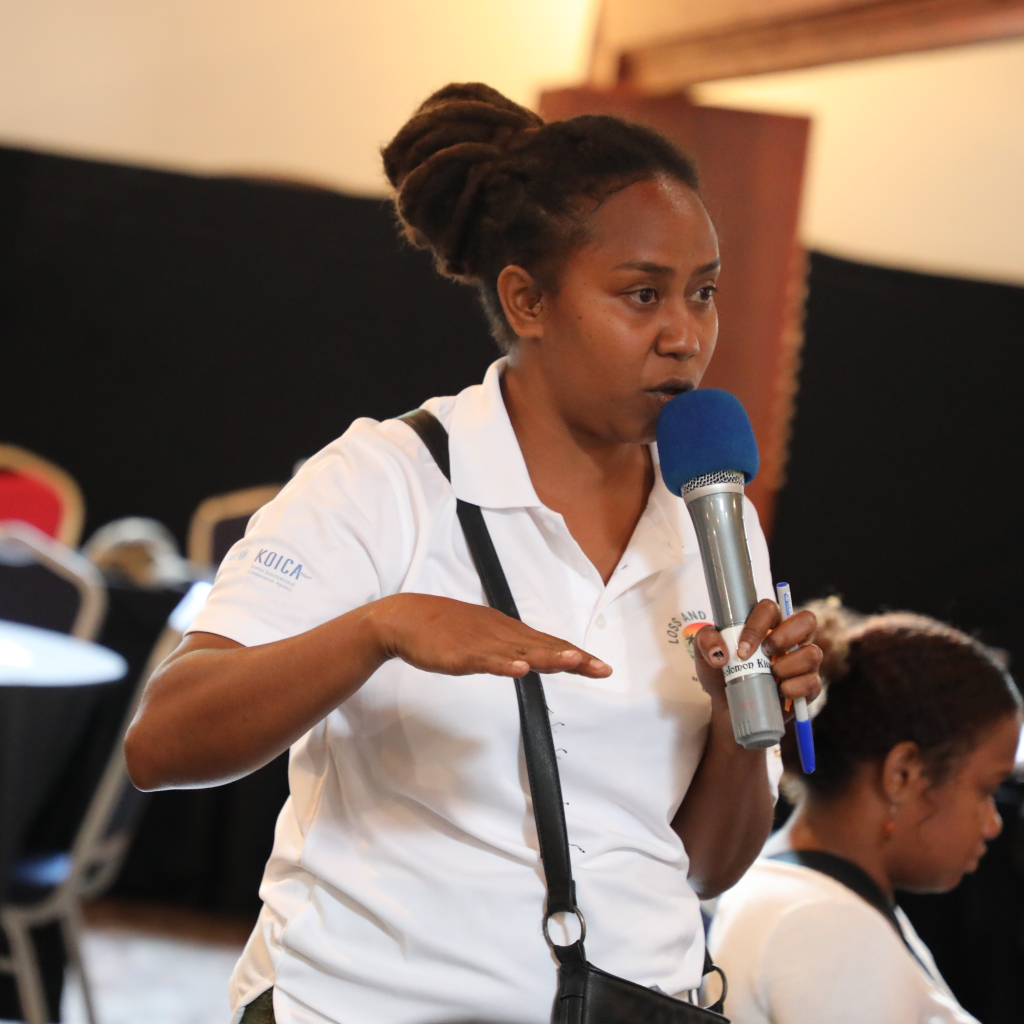
“We must clearly define our national needs, establish robust delivery mechanisms, and ensure transparency and accountability,” she said.
“By documenting both economic and non-economic losses, the Solomon Islands can shape international eligibility frameworks, unlock fast-track financing, and ensure safe and dignified relocation where necessary.
“At the same time, targeted investments must restore freshwater systems, safeguard food security, and embed traditional knowledge and resilience practices into our national and global strategies.”
The Solomon Islands National Loss and Damage Dialogue was held from 14 to 16 October 2025.
The Loss and Damage Capability and Capacity Project (LDCC) is funded by the Government of New Zealand and implemented by the Secretariat of the Pacific Regional Environment Programme (SPREP). The LDCC is implemented in the Cook Islands, Federated States of Micronesia, Niue, Solomon Islands, Tokelau and Tonga.
For more information on the SPREP’s work on Loss and Damage, please contact SPREP Climate Change Adaptation Adviser, Ms Filomena Nelson filomenan@sprep.org or SPREP Climate Change Loss and Damage Officer, Ms Jessica Rodham jessicar@sprep.org