

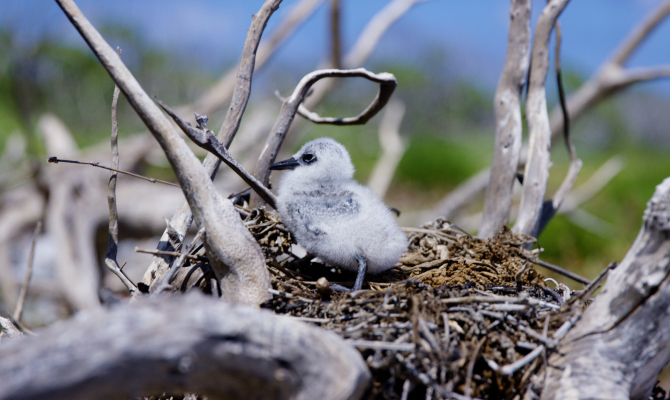
30 September 2025, Majuro, Republic of the Marshall Islands - Native forests are regenerating, and seabird populations are thriving once again on Bikar Atoll and Jemo Islet in the Republic of the Marshall Islands (RMI), following the 2024 removal of invasive rats through the Pacific Regional Invasive Species Management Support Service (PRISMSS) Predator Free Pacific (PFP) programme. This marks a major step toward building resilient ecosystems, healthy oceans, and stronger communities across the Pacific.
RMI led the initiative to restore Bikar and Jemo through the Ministry of Natural Resources and Commerce (MNRC), the Marshall Islands Environmental Protection Authority (MIEPA), and the Marshall Islands Marine Resources Authority (MIMRA).
The PFP regional programme is enabled by PRISMSS led by the Secretariat of the Pacific Regional Environment Programme (SPREP) with Island Conservation providing technical expertise. The New Zealand Foreign Affairs and Trade and the UK International Development provided funding for this work.
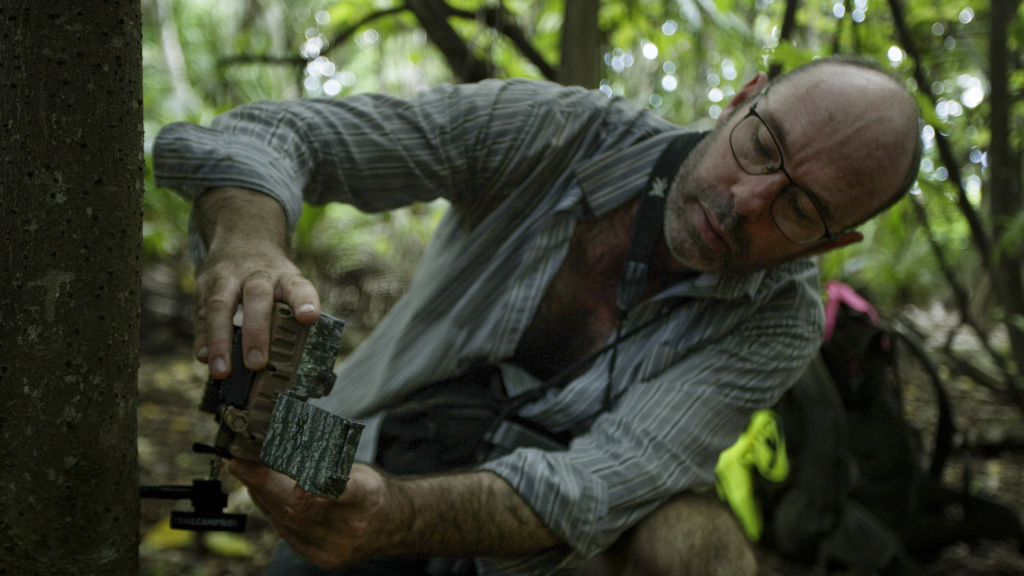
A recent monitoring mission to the islands by conservationists from Island Conservation, MNRC, community members from Utrik Atoll and MIMRA confirmed the 2024 restoration campaign to remove invasive rats was successful.
The team found native seabird populations rebounding, restoring the vital nutrient connections between land and sea. Nutrients from seabird guano boost soil fertility which is great for native plant populations and enrich the surrounding reefs resulting in more fish, and ultimately greater climate resilience for communities.
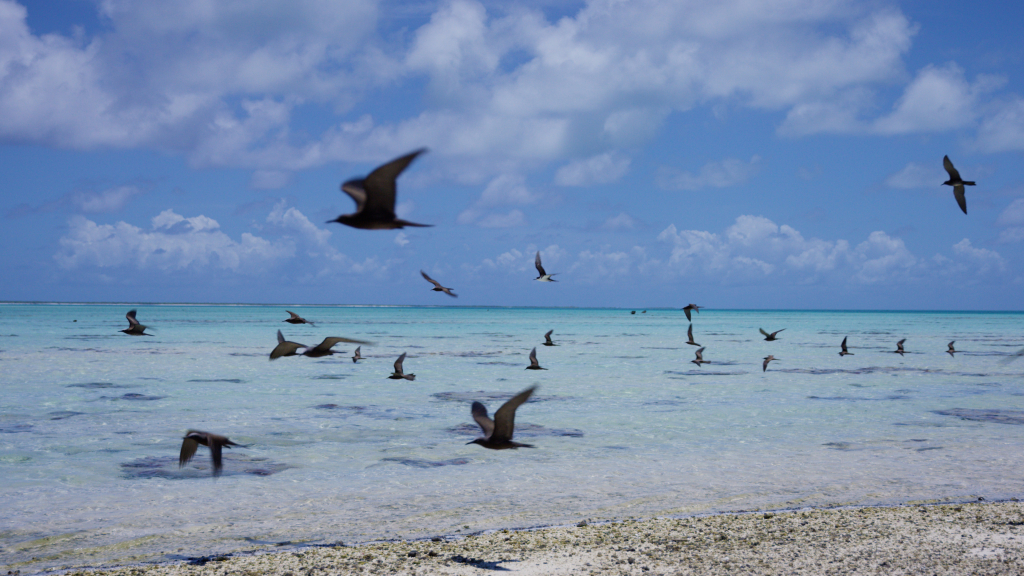
“After only one year, the transformation is dramatic. A colony of 2000 Sooty Terns, where there was previously none, were feeding hundreds of chicks,” said Island Conservation Project Manager Mr Paul Jacques.
“We also counted 1000’s of native Pisonia grandis plant seedlings across just 60 12m monitored plots on the forest floor in 2024 we found zero. Native forests are crucial for nesting seabirds and are critical to carbon absorption and the island’s ecological health.”
RMI is leading the way in community-directed conservation by combining terrestrial restoration with marine protection. The ecological gains on land are permanently safeguarded within its expansive Marine Protected Area (MPA), established in January 2025. Spanning 48,000 square kilometers (18,500 square miles), the MPA includes the waters surrounding Bikar Atoll, where the restored terrestrial ecosystems will enrich marine habitats through nutrient runoff.
The rare corals in these waters, and the fish communities they support, are expected to thrive. This integrated approach delivers outsized biodiversity benefits, demonstrating how land and sea conservation--when strategically linked--can amplify resilience and ecological impact.
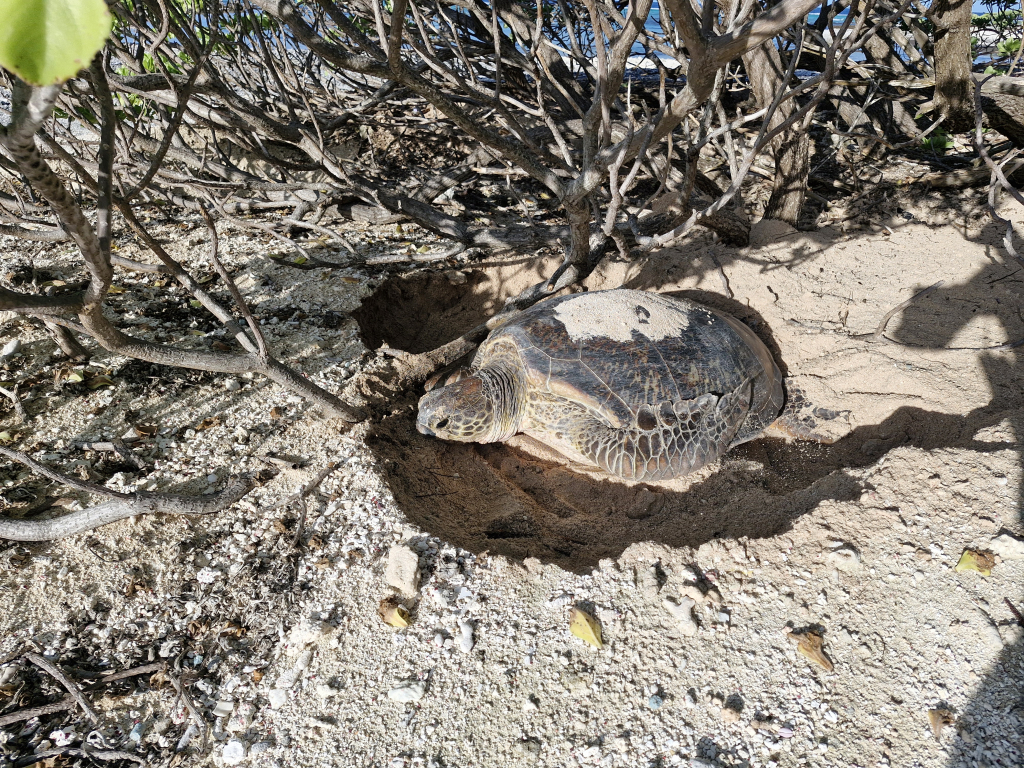
SPREP Invasive Species Adviser Mr David Moverley commented “Our Marshallese friends continue to add pest free islands to their list of achievements. Participating in the first rat removal workshop in Tonga ten years ago allowed them early on to achieve successful eradications on small islands by themselves.”
“Now with modern technology and expert technical support from our PRISMSS partner Island Conservation they are really pushing the boundaries and people are starting to realise the treasures that abound within the Marshall Islands and the opportunities that they present.”
This success sets a precedent for future restoration efforts throughout RMI. Feasibility assessments are underway for Bokak Atoll, a semi-arid ecosystem like Bikar. Bokak also lies within the Marine Protected Area.
PRISMSS will continue to work closely with RMI, Island Conservation and other Pacific Island countries to enhance the management of invasive species through its PFP programme across the region.
About PRISMSS: The Pacific Regional Invasive Species Management Support Service (PRISMSS) is a coordinating mechanism designed to facilitate the scaling up of operational management of invasive species in the Pacific. PRISMSS, which is led by the Secretariat of the Pacific Regional Environment Programme (SPREP) brings together experts to provide support within the Pacific region with a focus on protection of indigenous biodiversity and ecosystem function. As a service provider, PRISMSS provides a comprehensive suite of support services in a cohesive, effective, efficient, and accessible manner to Pacific Island countries and territories.
Restoring Island Resilience (RIR): The PRISMSS - Restoring Island Resilience (RIR) is a New Zealand-PRISMSS collaboration project that aims to improve Pacific Island Countries and territories livelihoods and resilience to climate change by reducing the impact of invasive species on natural and agricultural ecosystems through the six PRISMSS programmes.
PRISMSS Powered by: New Zealand Foreign Affairs & Trade, UK International Development, GEF, United Nations Environment Programme & SPREP
PRISMSS Partners: Birdlife International, Earth Sciences New Zealand, New Zealand Department of Conservation, Island Conservation, Manaaki Whenua Landcare Research, Pacific Community and SPREP
PRISMSS Programmes: Natural Enemies Natural Solutions (NENS), Predator Free Pacific (PFP), Protect Our Islands (POI), Protect Our Marine Areas (POMA), Resilient Ecosystems Resilient Communities (RERC), War On Weeds (WOWs)
For additional information please contact Mr Dominic Sadler, PRISMSS Manager on dominics@sprep.org or Mr Nitish Narayan, PRISMSS Communications & Liaison Officer on nitishn@sprep.org
Island Conservation's mission is to restore islands for nature and people worldwide. We are a United States-based 501(c)(3) charitable organization with a globally distributed team—often made up of local islanders who bring deep knowledge and connection to the places where we work. Together, we collaborate with local communities, government management agencies, and conservation organizations to holistically restore islands by bringing back biodiversity, the foundation of all healthy ecosystems. We do this by removing a primary threat (introduced, damaging invasive species) and accelerating the return of native plants and animals. We utilize innovative technology and techniques to work more efficiently and showcase the many benefits of holistically restored islands for biodiversity, climate resilience, ocean health, and sustainable development across the globe. Visit us at islandconservation.org.
For additional information please contact, Sally Esposito, Island Conservation, Strategic Communications Director: sally.esposito@islandconservation.org
Images: Shaun Wolfe