

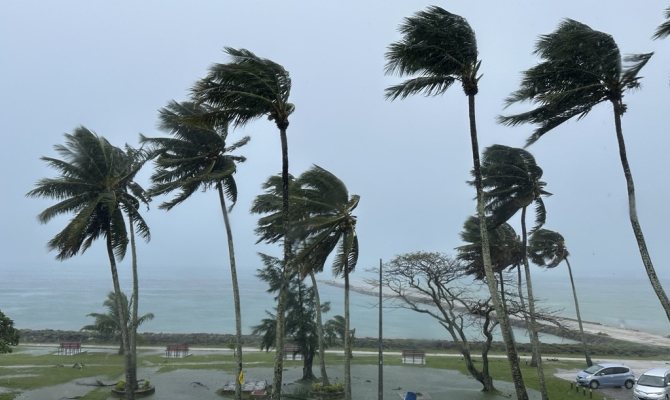
19 December 2025, Apia – Pacific Island countries face some of the highest disaster risks and losses in the world when measured against the size of their country, population and economies. Strengthening climate education, awareness and technical expertise is critical to safeguarding lives, livelihoods and food systems, and to support evidence‑based decision‑making across the region.
Recent regional assessments underline just how acute these climate risks have become, with several Pacific states ranked among the highest globally for disaster risk and loss. Reporting for the 2050 Strategy for the Blue Pacific has shown that even though the number of recorded disaster events fell in 2022–2023 compared with 2021, economic losses nearly tripled in 2022. For instance, the Tonga volcanic eruption and tsunami caused damage equivalent to a significant share of their national GDP.
Disasters and climate shocks are already causing growing economic and food losses, with agriculture and fisheries consistently among the hardest‑hit sectors and some countries caught in a near‑continuous cycle of recovery.
To respond to this need, a fully funded Masters and Postgraduate Diploma Scholarships in Climate Change for citizens of Pacific Island Countries has been launched, by the European Union Intra‑ACP Climate Services and Related Applications (ClimSA) Project, jointly implemented by the Secretariat of the Pacific Regional Environment Programme (SPREP) and The University of the South Pacific (USP).
“Regional frameworks such as the Framework for Resilient Development in the Pacific, Weather Ready Pacific and the 2050 Blue Pacific Strategy promote integrated approaches to climate change adaptation, disaster risk reduction and sustainable development, with education identified as a key driver of resilience,” said SPREP Director General, Mr. Sefanaia Nawadra.
“The ClimSA Masters and Postgraduate Diploma Scholarships in Climate Change are designed to align with and reinforce these regional approaches by building a cadre of Pacific scientists and climate services professionals, supporting collaboration among Pacific institutions and strengthening our National Meteorological and Hydrological Services (NMHS).”
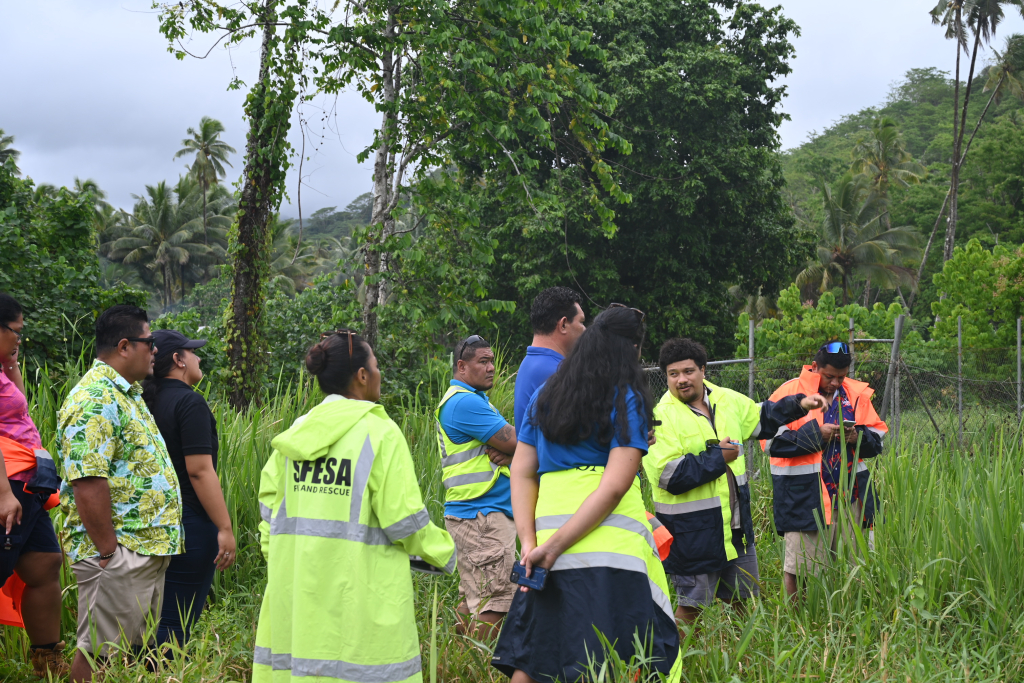
In this context, the ClimSA Pacific Scholarship will help build a new generation of Pacific experts in applied climate services. The programme offers opportunities to pursue a Postgraduate Diploma in Climate Change (1 year, full‑time) or a Master’s Degree in Climate Change (up to 2 years, full‑time) at USP.
Successful candidates will receive full financial support, including tuition and general service fees, living and dependency allowances, establishment and book allowances, research and publication costs, medical and travel expenses, and equipment and fieldwork costs.
Scholarship recipients will also be able to undertake internships with SPREP or National Meteorological and Hydrological Services, gaining practical experience in climate information, forecasting and applications that support climate‑resilient development in sectors such as agriculture, water, disaster risk reduction and food security. All studies and internships are expected to be completed by November 2027.
“Climate education directly underpins the capacity of Pacific communities to manage and safeguard their livelihoods in a region already experiencing adaptation and loss and damage from climate impacts such as sea‑level rise, saltwater intrusion, cyclones, droughts and ocean warming and acidification, which are degrading soils, damaging crops, killing coral and shifting the distribution of fisheries resources,” Mr Nawadra added.
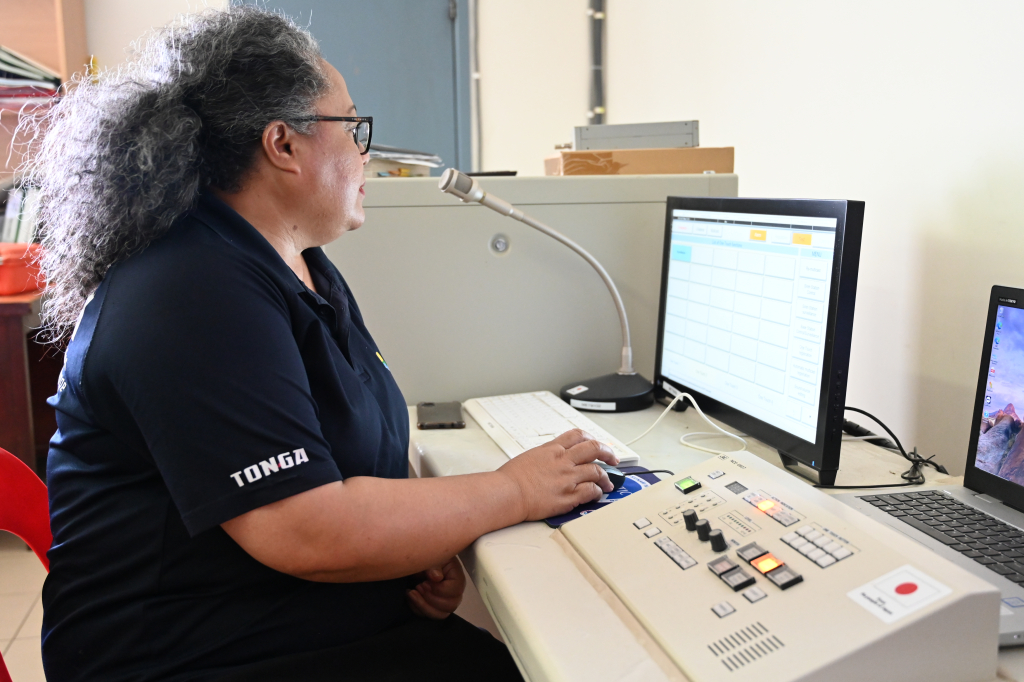
Applications are invited from citizens of Organisation of African, Caribbean and Pacific States (OACPS) countries in the Pacific region. Applicants should come from meteorology, environment or ocean/marine science communities, with preference given to individuals currently employed in NMHSs or related national agencies responsible for climate, weather, ocean and environmental information services. Candidates must meet USP admission requirements for the Postgraduate Diploma or Masters in Climate Change, demonstrate capacity to complete the programme within 24 months and be available for full time study and participation in an internship placement.
Applications should include a cover letter outlining motivation and career goals in applied climate services, a curriculum vitae, certified copies of the birth certificate, academic transcripts and certificates, a draft research proposal (for Master’s applicants) and two reference letters from academic or professional supervisors. The deadline for applications is 17 January, 2026.
More information on this scholarship will be available on the SPREP and USP websites.
About ClimSA Pacific:
The Climate Services and Related Applications (ClimSA) Programme in the Pacific is a transformative initiative funded by the European Union and implemented by SPREP in partnership with the ACP Secretariat. ClimSA Pacific aims to strengthen climate information services, enhance early warning systems, and empower decision-making across key sectors through tailored, actionable climate products. By supporting National Meteorological and Hydrological Services (NMHSs) and regional coordination, ClimSA Pacific is building a more resilient and climate-informed Pacific community.