

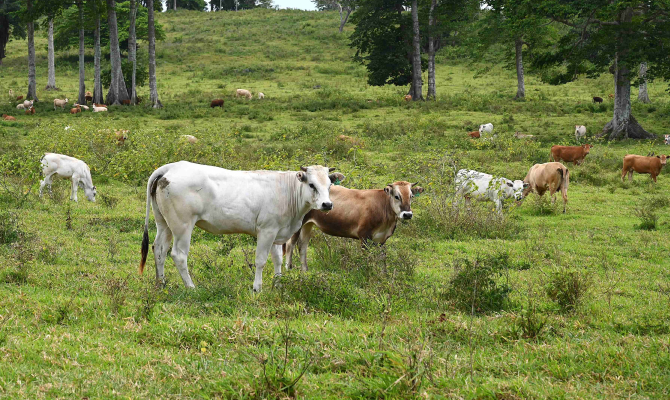
For generations, cattle farmers in Vanuatu have read the seasons like a well-worn book. They've known when the rains would green the pastures, when to rotate their herds, and when to expect good weight gains. But lately, that book seems to have been rewritten in a language nobody quite understands.
Vanuatu's dry season has experienced significant changes over the last century, primarily influenced by climate warming and rainfall variability. Droughts are becoming more impactful as higher temperatures increase evapotranspiration, drying out soil and vegetation. Where lush pastures once sustained healthy herds, many ranchers now see patchy grass, thirsty soil, and invasive weeds taking over.
The Pacific's Beef Powerhouse Under Pressure
Vanuatu is the largest beef producer in the Pacific, with a national herd of around 115,000 cattle. The industry ranks second only to copra in export earnings, with grass-fed beef marketed internationally under the "Grass Fed Vanuatu Brand." Yet the industry operates well below processing capacity due to supply limitations. The infrastructure exists, the markets are ready, but producing enough cattle has become increasingly difficult.
Since 2010, cattle production in Vanuatu has declined by 47%. Beef exports have dropped even more dramatically—84% since 2014. While various factors contribute to these numbers, shifting weather patterns play a significant role.
Five Generations Facing New Challenges
Marco Traverso represents the fourth generation in a family legacy spanning 125 years of cattle farming in Vanuatu. On his 1,000-acre property in Rantapao on Efate Island, he's witnessing changes his ancestors never experienced.
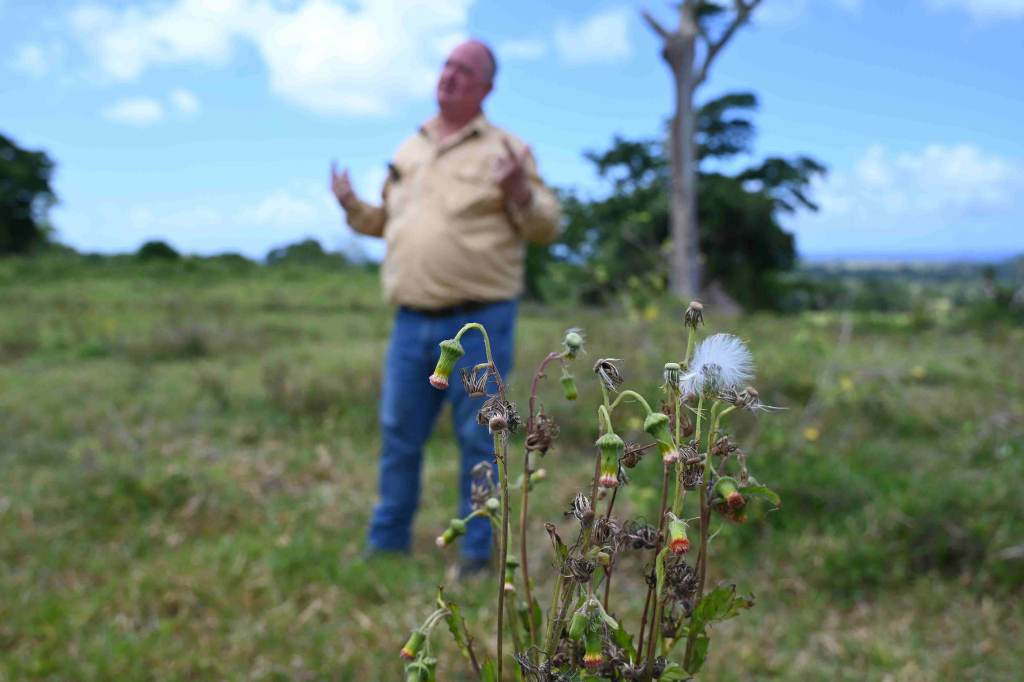
Where nutritious grasses once dominated, invasive species are taking over—wild peanut, pico weed, hibiscus bur, fireweed, and broom grass. These weeds create a nutrition crisis, and cattle that once thrived now struggle to maintain condition on degraded rangeland.
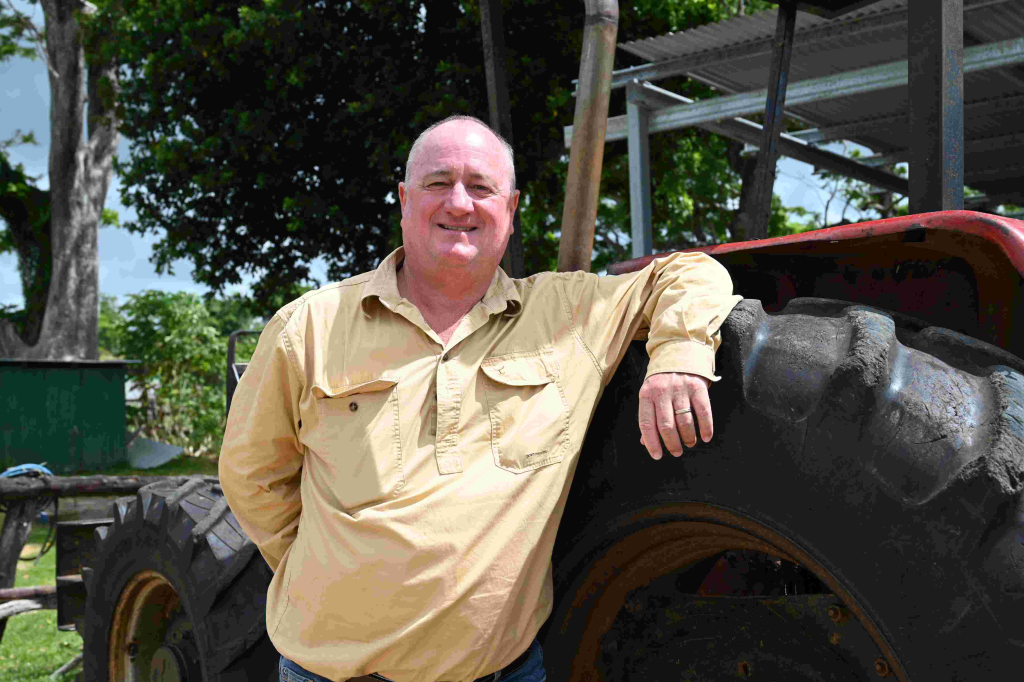
"This isn't just work - it's the reason I wake up every morning," Marco says. "Five generations of my family have walked this soil and have understood what it means to raise Vanuatu beef the right way. That wisdom lives in my hands, in how I read the land, in every decision I make. This isn't something I chose - it chose me long before I was born."
It's a sentiment that echoes across Vanuatu's cattle country, making the changes ranchers are witnessing all the more profound.
The Compounding Crisis
The problems cascade. Less grass means cattle lose body condition, weight gains slow or reverse, breeding cows fail to conceive, and young stock don't develop properly. Research shows cattle in Vanuatu are experiencing increasingly frequent episodes where temperature and humidity push them beyond their thermal comfort zone.
When animals are heat-stressed, they eat less, drink more, and convert feed less efficiently. Their reproductive performance suffers. Combined with pest pressures that thrive in warmer conditions and poor nutrition, ranchers face a negative spiral that's difficult to break.
What's particularly frustrating is the unpredictability. Traditional dry seasons were challenging but predictable. Farmers could plan around them, build up feed reserves, or adjust stocking rates. Now, rainfall can be erratic within a single season.
Climate Services: Turning Weather Uncertainty into Farming Decisions
Climate services could transform Vanuatu’s cattle industry. Climate services, including seasonal forecasts, early warning systems, and tailored agricultural advisories, offer farmers the predictive information they desperately need in an era of weather uncertainty.
For Vanuatu's cattle industry, robust climate services could mean:
• Better planning and risk management: Seasonal forecasts allowing farmers to anticipate dry periods and adjust stocking rates, secure supplementary feed, or plan pasture spelling before conditions deteriorate.
• Heat stress early warning systems: Real-time alerts when dangerous temperature-humidity combinations approach, enabling farmers to move cattle to shade, ensure adequate water, and reduce handling stress.
• Pasture management guidance: Climate-informed advisories on optimal times for reseeding, fertilising, or implementing rotational grazing based on predicted rainfall and temperature patterns.
• Pest and disease forecasting: Advance warning of conditions favorable for parasites and disease, allowing preventive measures rather than reactive treatment.
For a region-wide industry, coordinated climate services could help synchronise production planning, support supply chain decisions, and enable processors to better anticipate cattle availability. This would help address the persistent problem of operating below capacity.
The economic case is compelling. When farmers can anticipate conditions weeks or months in advance, they make better decisions about investments, reduce losses, and maintain productivity through difficult periods. For an industry that has seen production decline by nearly half in just over a decade, climate services aren't a luxury - they're essential infrastructure.
The Path Forward
The Vanuatu Meteorological and Geo-Hazards Department (VMGD) currently uses the OSCAR Tool (Online System for Climate and Agricultural Risk) to work closely with farmers and the Department of Agriculture.
It is a smart tool which provides specific region-based monthly and seasonal forecasts for Vanuatu and transforms forecasts into actionable guidance by generating farming advisories, however, the platform does not include tailored guidance for cattle and other livestock.
Through engaging with stakeholders with the aim of improving service delivery, VMGD has identified the need to consider bridging climate information with livestock management to support the beef industry, and remains committed to strengthening partnerships with the Vanuatu Agricultural Research and Technical Centre (VARTC), Department of Agriculture and other industry stakeholders to ensure our data and forecasts continue to inform practical solutions that improve yield, resilience, and livelihoods.
Vanuatu's cattle farmers continue working the land, adapting where they can, and hoping the rains arrive when needed. Yet the grass that once seemed inexhaustible is sending a clear message: weather patterns are shifting, and farming systems built for yesterday's conditions won't work for tomorrows.
The old saying goes that the grass is always greener on the other side. But Vanuatu's ranchers are learning a harder truth: the grass is greener where you nurture it. In an era of unpredictable weather, that nurturing requires more knowledge, more resources, more innovation—and crucially, access to climate information that turns uncertainty into actionable intelligence.
The beef on your plate has a story, and increasingly, that story includes chapters about agricultural adaptation, climate services, and the difficult choices facing farmers in some of the world's most vulnerable places. What happens in Vanuatu's pastures today may well preview what's coming to farmland everywhere, in the Pacific and beyond.
Feature developed by Patricia Mallam, Knowledge Broker, Intra-African Caribbean Pacific Climate Services and Related Applications Programme (ClimSA) of SPREP through support from the European Union’s Intra-ACP Climate Services and Related Applications (Intra-ACP ClimSA) Project, implemented by SPREP.