


26 February 2026, Port Vila - Vanuatu, like all Pacific island countries, is highly vulnerable to the impacts of climate change.
The World Risk Index consistently ranks the collection of 83 islands near the Pacific “Ring of Fire”, an area of strong volcanic activity and earthquakes, and close to the centre of the cyclone belt, as the world’s most vulnerable country to climate risks and disasters.
In the past decade, cyclones have become more frequent and damaging . Vanuatu was devastated by three cyclones with intensity reaching category 4 and 5 in 2023.
Tropical Cyclone Judy and Tropical Cyclone Kevin struck within 48 hours of each other in March, followed by Tropical Cyclone Lola, Category 5, in October the same year.
A devastating earthquake struck Vanuatu in 2024, leaving the country to pick up the debris and the pieces of broken livelihoods.
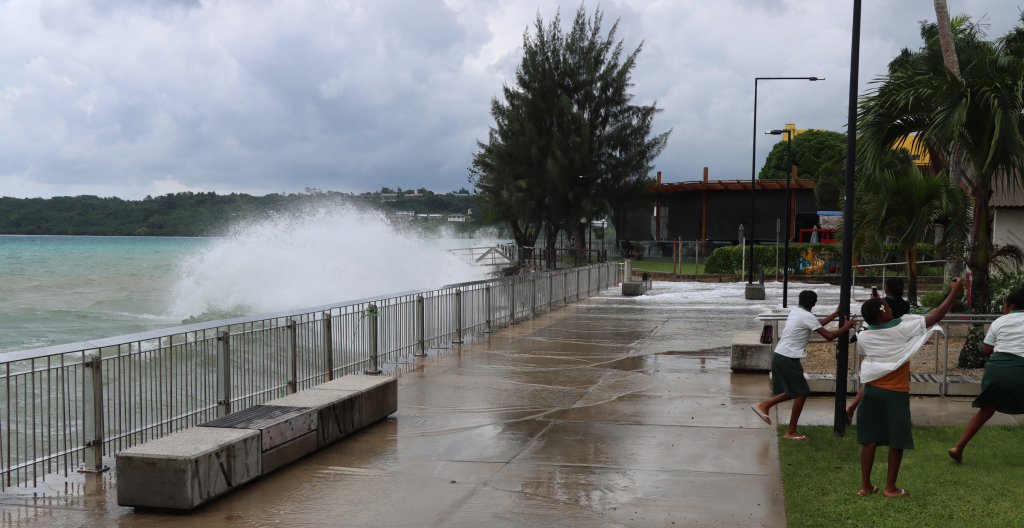
Loss and damage, which can be divided in two categories – economic and non-economic - can result from extreme weather events such as cyclones and flooding as well as slow-onset climate and weather events like heat waves, sea level rise and ocean acidification.
Historically, loss and damage assessments have concentrated on economic tangible impacts caused by disasters such as infrastructure damage or agricultural losses.
But for Pacific communities, the consequences of climate change go far beyond the economic damages.
Non-economic losses and damages (NELD) can be some of the most devastating, such as losing a burial site to erosion or being forced to abandon traditional fishing practices due to marine ecosystem changes. The complete relocation of communities has had profound cultural and psychological effects that defy monetary valuation.
In Vanuatu, this is already a lived reality, highlighted during the discussions on the second day of the Building Our Pacific Loss and Damage (BOLD) Response Project Inception and implementation planning meeting, taking place in Port Vila.
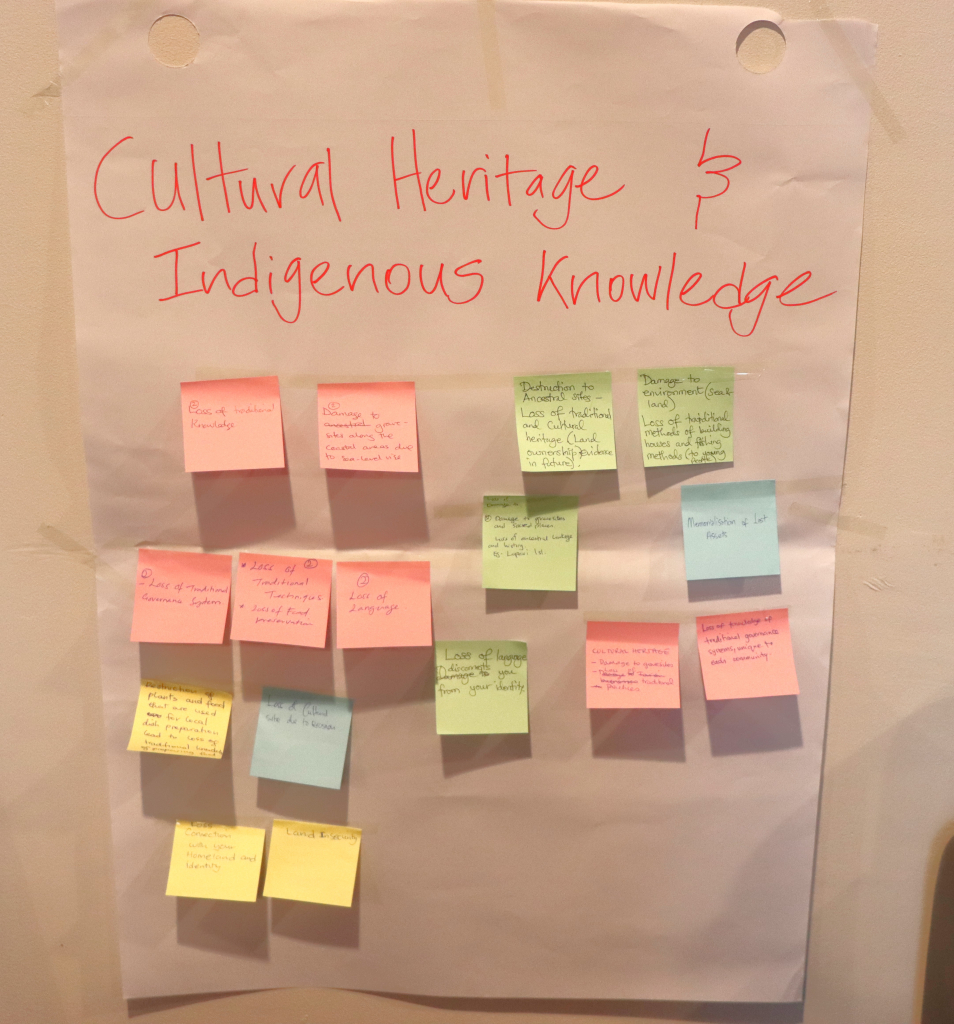
The stakeholders highlighted a long line of NELD including the loss of languages, traditional governance system, climate-change related health issues, loss of family inheritance, identity, loss of home connection, traditional medicine, loss of accumulated knowledge among other things.
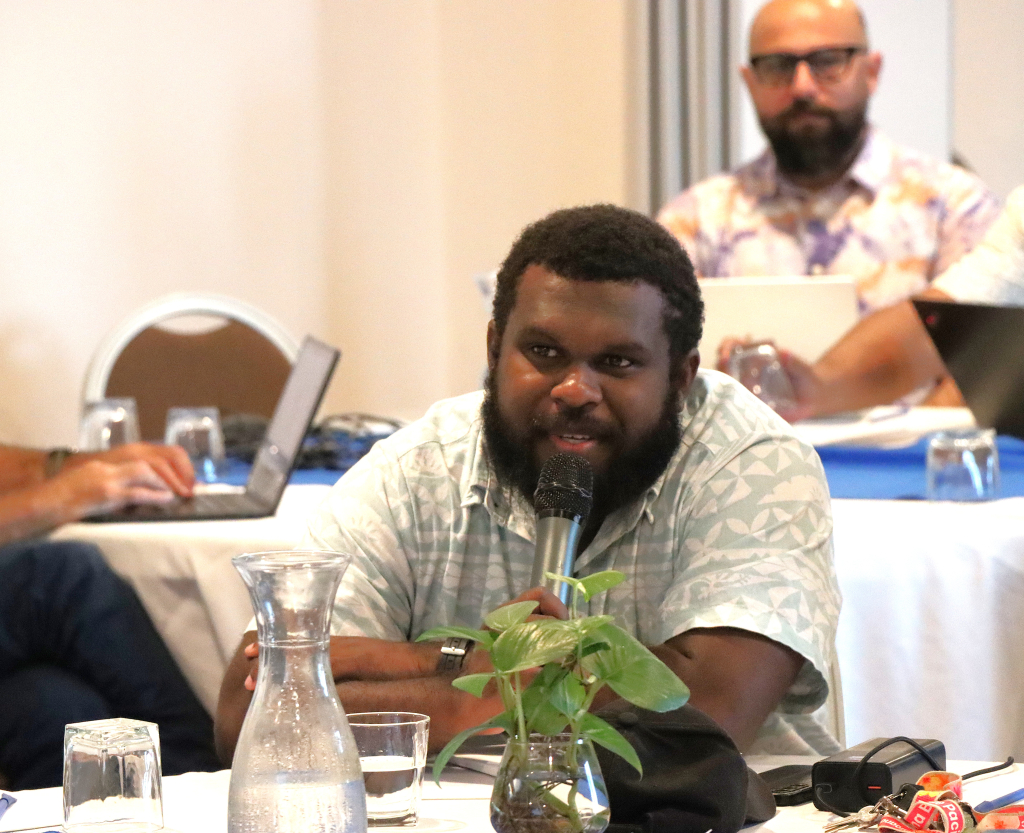
Mr Brian Maltera, of Malekula Island, asserted that when it comes to NELD, it’s a complex and often emotional issue to consider.
“In Vanuatu, most communities live or used to live along the coastal areas, and what we see these days is that our graveyards, burial sites and historical landmarks are washed away due to sea level rise, and sometimes very strong flooding,” he said.
“We have to consider the issue of memorisation of our ancestors, parents, grandparents and great grandparents very seriously. Those graves that are washed away represent our past, our ancestors, our history and who we are. You cannot put a monetary value on that.”
The concerns by Mr Maltera are echoed by Ms Moirah Matou, a mother from Renou village, south east Ambrym. Ms Matou, a pioneer woman forecaster, with her recent role being the Government of Vanuatu’s Project Manager for VanKIRAP, has seen the existing gap when it comes to NELD.
“The non economic impacts and how we address them often fall through the cracks. Most of the time when governments visit communities to assess the impacts of natural disasters they immediately focus on infrastructure, which is okay,” she said.
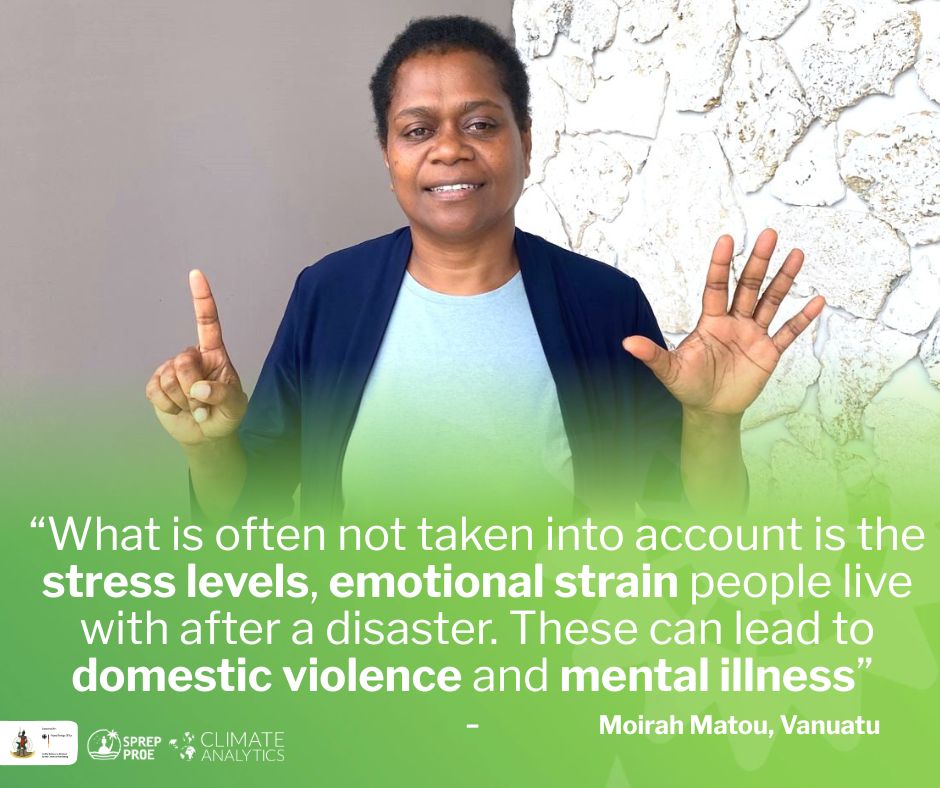
“What is often not taken into account is the stress levels, the emotional strain people live with. You cannot place a value on that; these things often have spiralling impacts like domestic violence and mental illness.
“When someone loses a job because the tourism business has gone bust as a result of a cyclone, they can’t feed their family, they cannot look after themselves. These are real life situations in Vanuatu and most Pacific countries.”
The loss of cultural heritage, languages and traditional practises are becoming more profound.
“Because of relocation and people moving out, you leave behind your cultural practises that are very difficult to replicate in a different environment. So our traditions fade and our culture fades.”
This week in Port Vila, Mr Maltera and Ms Matou are amongst key Vanuatu stakeholders actively engaged in the BOLD Response Project Inception and implementation planning meeting, to set the priorities to guide the implementation of activities in the coming years.
The BOLD Response Project, a five -year project funded by the Federal Republic of Germany through the International Climate Initiative, aims to strengthen Pacific Island countries' resilience to climate-induced loss and damage. Vanuatu is amongst the countries covered. Other countries include Fiji, Republic of Marshall Islands, Samoa and Tuvalu.
Both Mr Maltera and Ms Matou welcome the objectives and aspirations of the BOLD Project.
“It’s good that we now recognise non-economic losses as a climate change issue and I’m pleased to know that there is a dedicated loss and damage project that will now consider and address these issues,” said Ms Matou.
“As a mother, being aware of these issues and understanding the broader thinking in terms of solutions, I can do my part to elevate understanding in the community, and let them know there are solutions being considered.”
Mr Maltera added that the concept of loss and damage is relatively new.
“I think the work on loss and damage and climate change more broadly needs to be embedded into the school curriculum so that people will understand. Climate change impacts, and more specifically speaking about loss and damage, needs to be understood,” he said.
“We need to think about the issue of memorialisation of our ancestors seriously, five or ten years down the line we will need to tell our children and our grandchildren about what once was, and who was once there.
“We need to think about how we can use technology to assist us with this, how we can tap into things like data, computers, mobile phones and what is available now. The reality is that climate change that brings about loss and damage is happening and will continue to happen, we need to adapt and find ways for us to get around these challenges.
“While we are not responsible for climate change, we have no choice but to adapt, we have to be proactive, we have to find ways to help ourselves.”
The work in Vanuatu this week will help to develop practical, innovative responses to loss and damage and by doing so will support this resilient Pacific Island nation’s continued regional and international leadership on this vital issue.
For more information on the BOLD Project, please contact SPREP Climate Change Adaptation Adviser, Filomena Nelson filomenan@sprep.org , BOLD Project Manager, Malaki Iakopo malakii@sprep.org or Climate Analytics – Patrick Pringle patrick.pringle@climateanalytics.org
Main photo credit: Supplied/Save the Children