

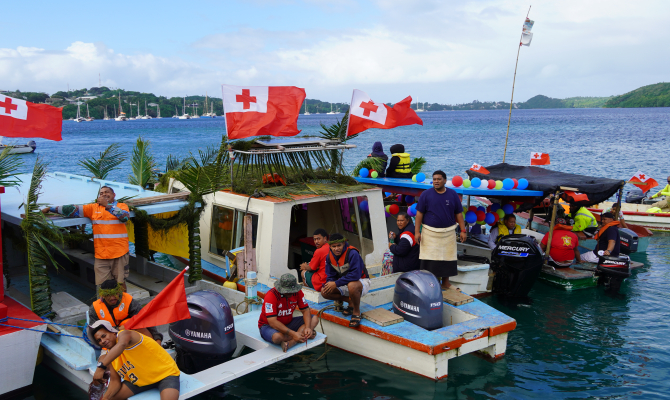
25 July 2025, Vava’u, Tonga - The Protect Our Islands Vava’u Festival and Boat Parade brought communities together to celebrate shared efforts that strengthened climate resilience and safeguard Vava’u’s biodiversity from invasive species and central to this initiative was the enhancement of inter-island biosecurity.
The event, held on 3 July, was made possible through the Secretariat of the Pacific Regional Environment Programme (SPREP) led Pacific Regional Invasive Species Management Support Service (PRISMSS), and coordinated by the Vava’u Environmental Protection Association (VEPA) in partnership with Tonga’s Ministry of Meteorology, Energy, Information, Disaster Management, Environment, Climate Change and Communications (MEIDECC).
A total of 23 boats, regularly used to transport goods, and people between islands in the Vava’u group participated in the parade. Judged by representatives from SPREP and MEIDECC, the boats were evaluated based on cleanliness, rat-free status, presence of rubbish bins, biosecurity signages, and decorative presentation.
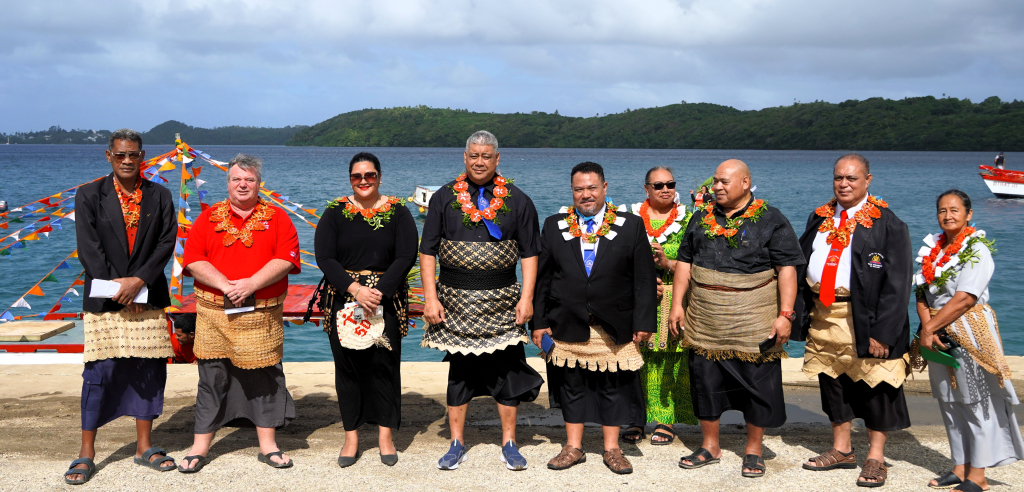
The festival also featured educational sessions for students from local schools, raising awareness about invasive species management. Women’s groups performed skits highlighting the importance of inter-island biosecurity and community involvement in protecting the environment.
The Protect Our Islands (POI) programme, a key component of PRISMSS, supports biodiversity conservation and climate resilience across Pacific Island nations. As part of the initiative, cooler bags and boxes were distributed to boat owners to help safely transport goods and prevent the spread of invasive species.
During the opening ceremony, Lord Fakatulolo, Governor of Vava’u, emphasised the growing understanding of the threats posed by invasive species and the collective effort required to combat them. He highlighted successful rat eradication projects on Mount Talau, Late, Fangasito, Lua’hiapo, Fua’amotu, and Mou’amou’a, and stressed the importance of continuing collaboration to protect Vava’u’s environment.
“Boats are essential for connecting our islands and communities,” he said. “But improving inter-island biosecurity is a shared responsibility. We are not alone facing these challenges, as shown by the support from New Zealand’s Ministry of Foreign Affairs and Trade (NZMFAT) and the United Kingdom’s International Development initiatives.”
Mr. Sione ‘Akau’ola, CEO of MEIDECC, noted that Vava’u’s rich biodiversity underpins key sectors such as fisheries, agriculture, handicrafts, and tourism, while also providing natural protection against disasters.
However, this biodiversity is increasingly threatened by climate change, overharvesting, agrichemicals, and invasive species introduced through shipping and air transport.
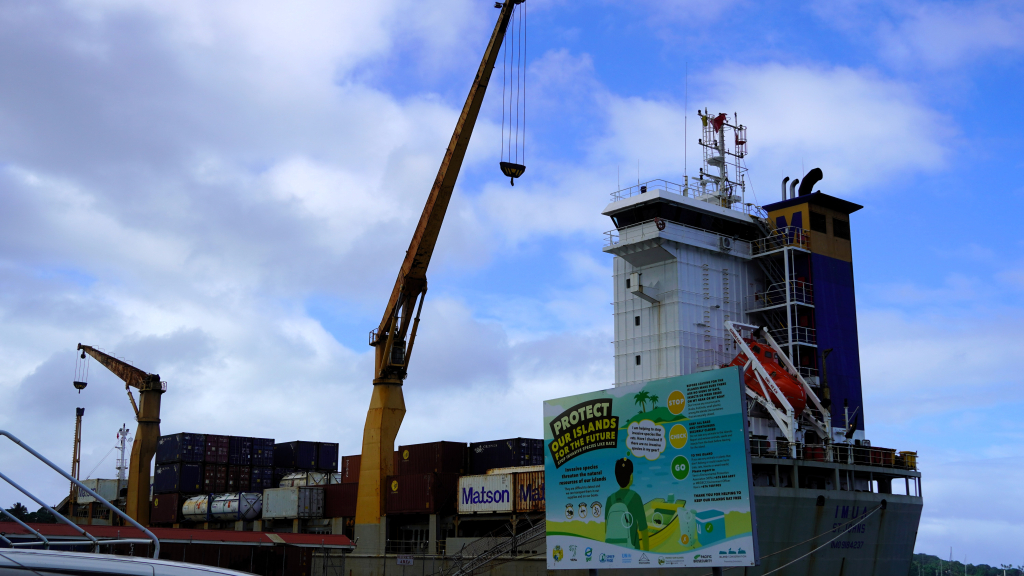
He urged everyone to take simple daily actions to support biosecurity, such as checking boats and cargo for rats, soil, and seeds, and securely storing food and waste. “Rat-free islands help protect seabirds, crabs, and enhance fisheries and coral reefs, contributing to environmental, social, and economic security,” he said.
“Keeping food and picnic items in secure boxes and bringing rubbish back to port, means we reduce the benefits to rats and the PRISMSS POI programme is providing tools to keep the boats cleaner and is assisting us to continue to find ways to manage and eradicate rats.”
“We are very grateful to the continued support from SPREP through the PRISMSS programme which is funded by MFAT and United Kingdom International Development enabling all of us to work together to see the benefit of these efforts.”
Executive Director of VEPA, Ms. Karen Stone commented that “significant progress has already been made in addressing and managing the threats we face and now these efforts require the collective support and active participation of everyone.
“Empowering communities with ownership and resources brings lasting benefits not only for biodiversity conservation but also for strengthening livelihoods and economic resilience and when we all share the journey toward resilience, everyone gains.”
“We extend our heartfelt thanks to SPREP, MEIDECC, and all the partners for bringing this important initiative to Vava’u.”
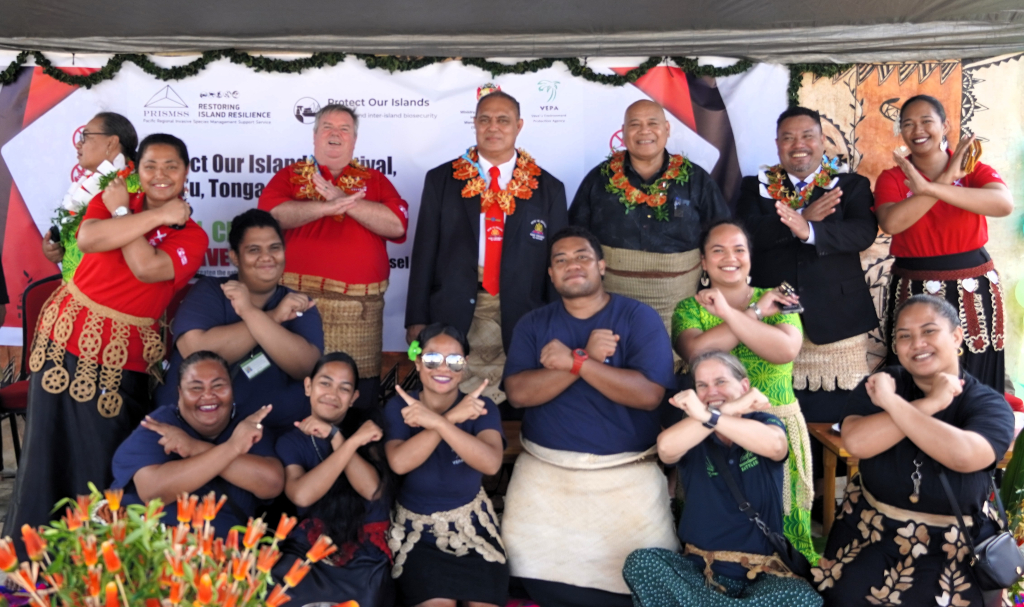
SPREP’s Invasive Species Adviser, Mr. David Moverley, reflected on his decade-long involvement in Vava’u, beginning with restoration work on Mount Talau and rat eradication efforts on Fangasito and Lua’hiapo. These projects also served as training opportunities for regional partners from Kiribati, the Marshall Islands, and Wallis and Futuna.
He acknowledged VEPA’s ongoing work in managing invasive species and protecting native flora and fauna, including the resurgence of the Hengahenga (Tongan whistler), once nearly extinct. “These achievements are a testament to the power of partnerships between donors, agencies, and communities,” he said. “They ensure Vava’u’s environment remains resilient for future generations.”
The Kingdom of Tonga and Vavaú has been a regional leader in increasing island and community resilience through invasive species and by the end of 2026 Vavaú will be the first place in the Pacific to have programmes covering all six areas that PRISMSS focuses on to build capacity in the Pacific region for enhancing the management of invasive species.
---------------------------------------------------------------------------------------------------------------------------------------------------
About PRISMSS: The Pacific Regional Invasive Species Management Support Service (PRISMSS) is a coordinating mechanism designed to facilitate the scaling up of operational management of invasive species in the Pacific. PRISMSS, which is led by the Secretariat of the Pacific Regional Environment Programme (SPREP) brings together experts to provide support within the Pacific region with a focus on protection of indigenous biodiversity and ecosystem function.
As a service provider, PRISMSS provides a comprehensive suite of support services in a cohesive, effective, efficient, and accessible manner to Pacific Island countries and territories.
Restoring Island Resilience (RIR): The PRISMSS - Restoring Island Resilience (RIR) is a New Zealand-PRISMSS collaboration project that aims to improve Pacific Island Countries and territories livelihoods and resilience to climate change by reducing the impact of invasive species on natural and agricultural ecosystems through the six PRISMSS programmes.
PRISMSS Powered by: New Zealand Foreign Affairs & Trade, UK International Development, GEF, United Nations Environment Programme & SPREP
PRISMSS Partners: Birdlife International, Earth Sciences New Zealand, New Zealand Department of Conservation, Island Conservation, Manaaki Whenua Landcare Research and Pacific Community and SPREP
PRISMSS Programmes: Natural Enemies Natural Solutions (NENS), Predator Free Pacific (PFP), Protect Our Islands (POI), Protect Our Marine Areas (POMA), Resilient Ecosystems Resilient Communities (RERC), War On Weeds (WOWs)
For additional information please contact Mr Dominic Sadler, PRISMSS Manager on dominics@sprep.org or Mr Nitish Narayan, PRISMSS Communications & Liaison Officer on nitishn@sprep.org