

Today in Belem, we sit down with Mr Xavier Matsutaro, the Head Office of Climate Change & National Climate Change Coordinator for the Government of Palau.
A father of three, Mr Matsutaro is the Pacific’s lead on Article 6, and has attended 11 COPs.
“There is the professional side of what I have to do here in this space but most importantly for me is the personal side,” he tells us. “As a Palauan, a husband and father of three, I feel that I have a responsibility to ensure our planet is at least liveable for the next generation. It’s why we’re here, we’re plugged in and we try to engage as much as we can.”
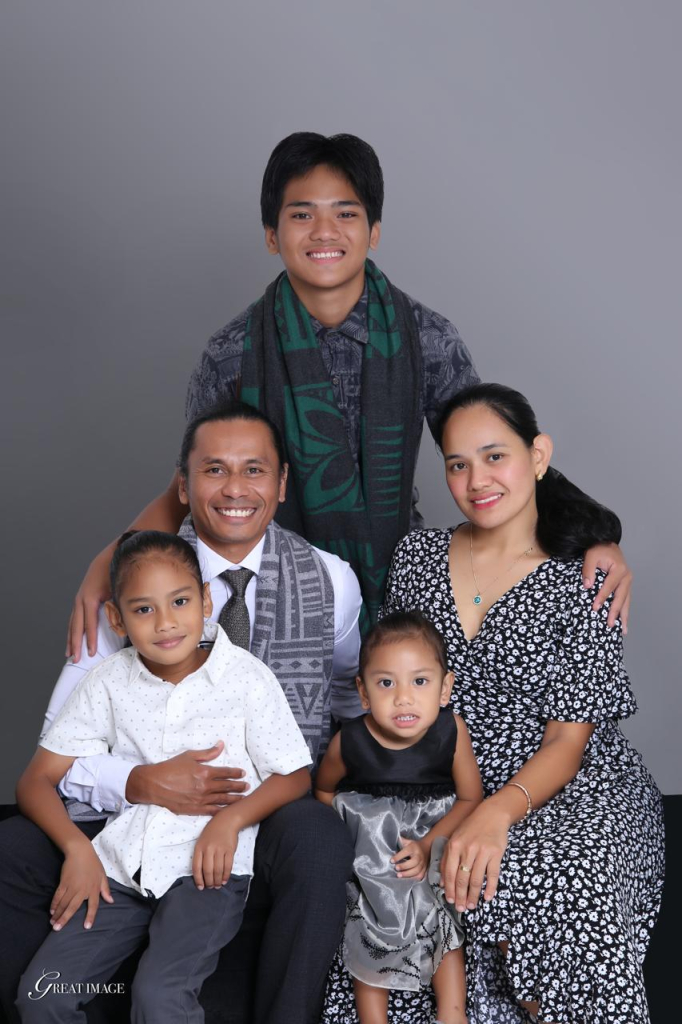
Mr Matsutaro chats to us as part of a series where we hope to give our Pacific communities a better understanding of the work and the challenges our Pacific negotiators go through during COP meetings.
While people often see the smiling photos, and they think the destinations these negotiators travel to are fancy and exotic (and some of them are), what they do not see is the long hours, tears, pain and the tough realities on the ground.
As Mr Matsutaro’s experience will show, negotiators easily lose track of time. They spend their days in windowless rooms, negotiating from morning into the night, with little time to rest.
Unsurprisingly, with a divergence of views on all different thematic areas, it is an arduous process, even for the seasoned.
So how do Pacific climate change negotiators like Mr Matsutaro rise to the challenge every day? What might a typical day during a COP look like?
Seeing how they work might give you more appreciation for all that they do to fight for the survival of Pacific communities at the forefront of the climate crisis.
This is what a day in Mr Matsutaro’s life is like, in his own words:
5am – 7am:
My day typically starts with a workout. It doesn’t necessarily have to be at a gym because most times, there are no gyms.
I try to spend at least 30 minutes on a workout to get the blood flowing. I don’t eat breakfast so after my workout, I get ready and use that time to mentally map out what the day will be like. Depending on my accommodation, I plan at least an hour to commute to the COP venue. It’s not just the drive and traffic you have to think about, it’s the time to walk because sometimes at some COPs, that walk can easily take up to 20-30 minutes. And then you have go through security checks, and that can often be long lines. From security, its probably another 15 minutes walk to the meeting rooms. Yes it’s that far, you easily clock more than 10,000 steps a day.
8am – 10am:
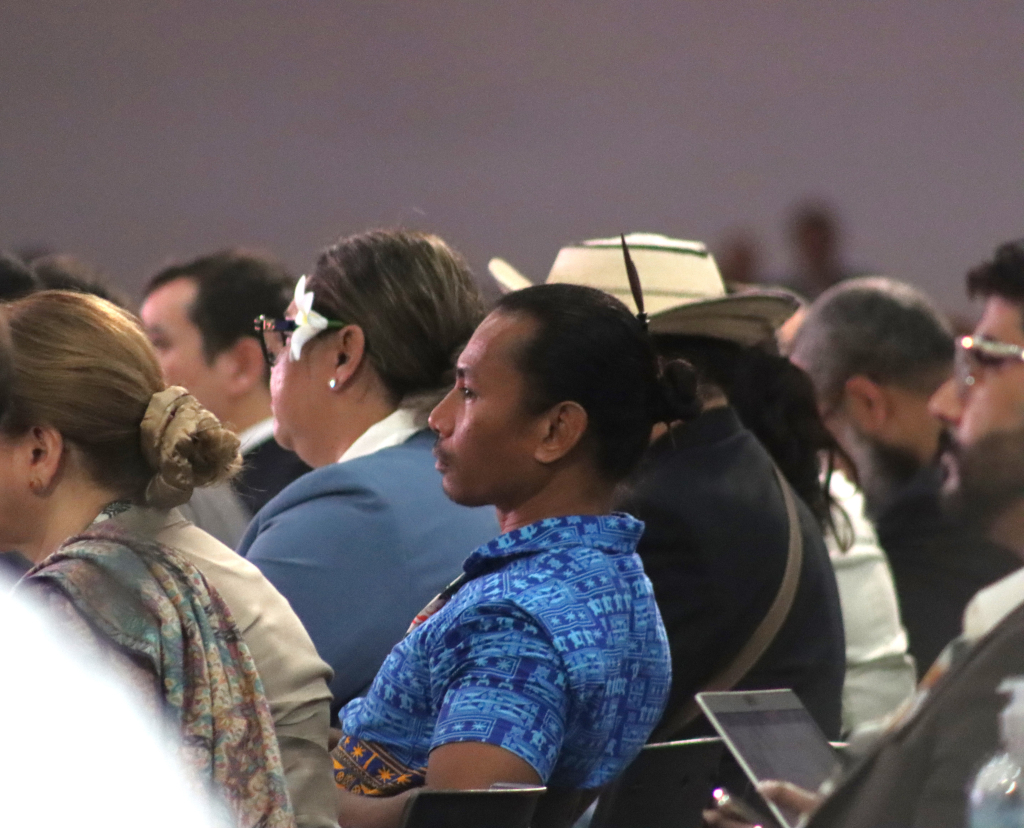
The coordination meetings are a big part of the morning. We begin with AOSIS, and as Palau is the current Chair, we do a lot of work on this.
From 9am, and since Palau is not part of the G77 group, this is the time when we have our coordination meeting as the Palau delegation.
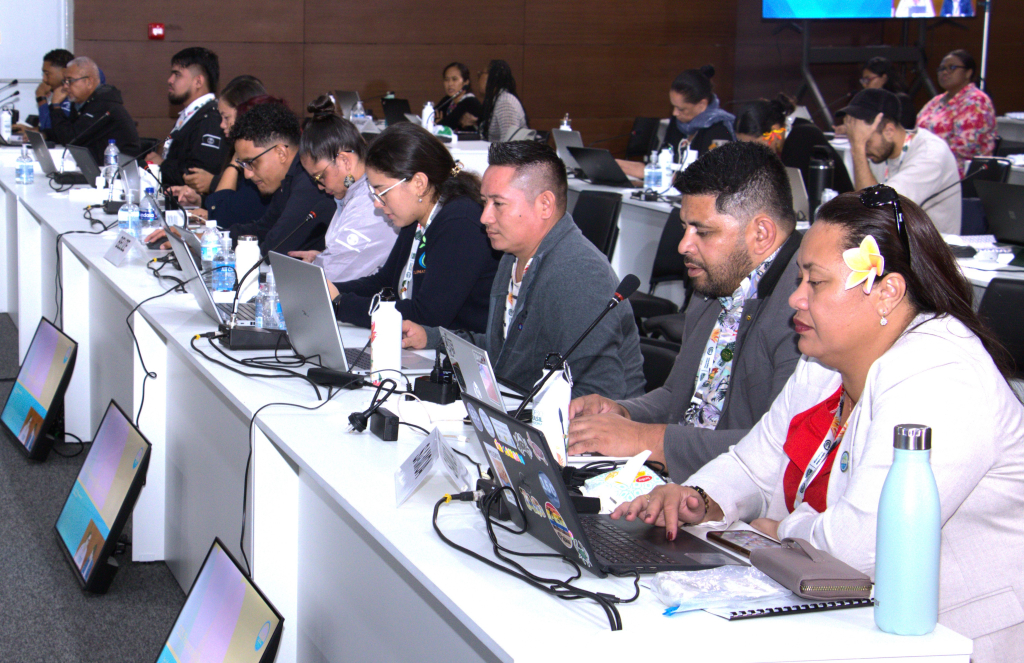
10am – 6pm:
This is when the actual negotiations start. While all this is going on, you might be required to attend to bilaterals, speak at a side event at one of the Pavilions, or have informal chats with other negotiators, either to strategise or other forms of bilateral talks with other parties to hopefully try to push things along.
This is how the day typically is. While you have an idea of where you might be from time to time, you also have to be flexible and be ready to move quickly as things can change in an instant in negotiations.
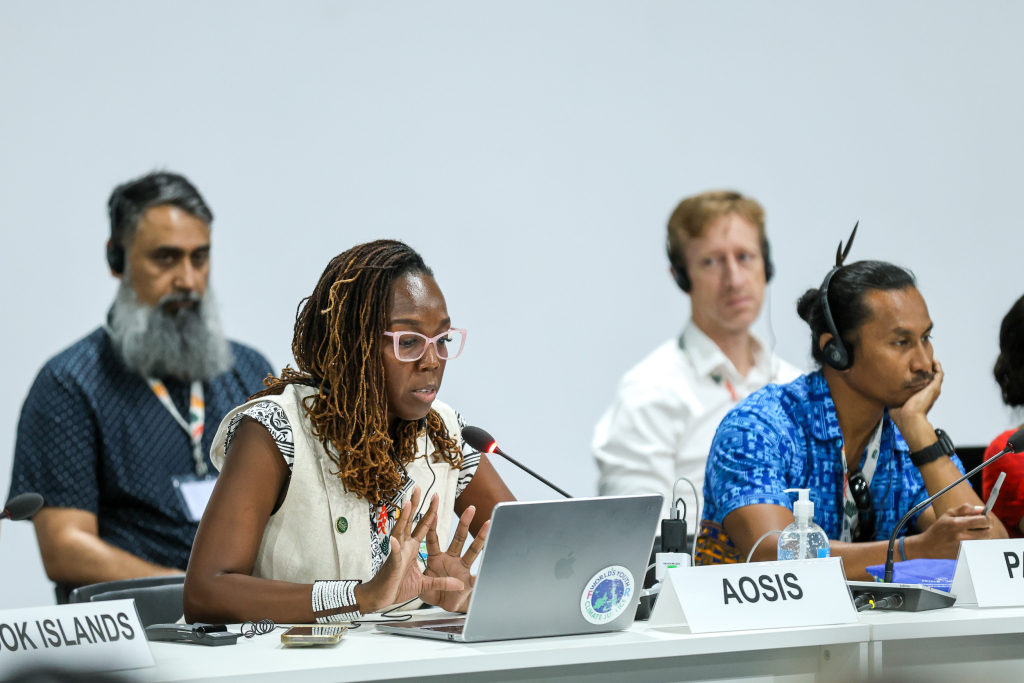
6pm – 9pm:
We reconvene as AOSIS to recap the day, get some reflections and strategise based on the developments of the day in the different negotiations streams.
If you’re lucky, the meeting ends at 7 and you get to have an early night. This usually happens in the first three to four days of COP. As the week progresses, things drag out and you can spend your entire evenings at the venue. The days become longer, goes to until about 11pm or after and on the final days, you might be looking at about 2am the next day.
On the absolute final stretch, like COP29 in Baku, it went a day over, and then that spill over day continued until about 4am the next day. This is quite typical for COPs.
From my experience, this is about endurance and ensuring you stay plugged in. In this space, you have to ensure your voice is heard otherwise the people you represent and your communities’ needs will not be reflected in the outcomes.
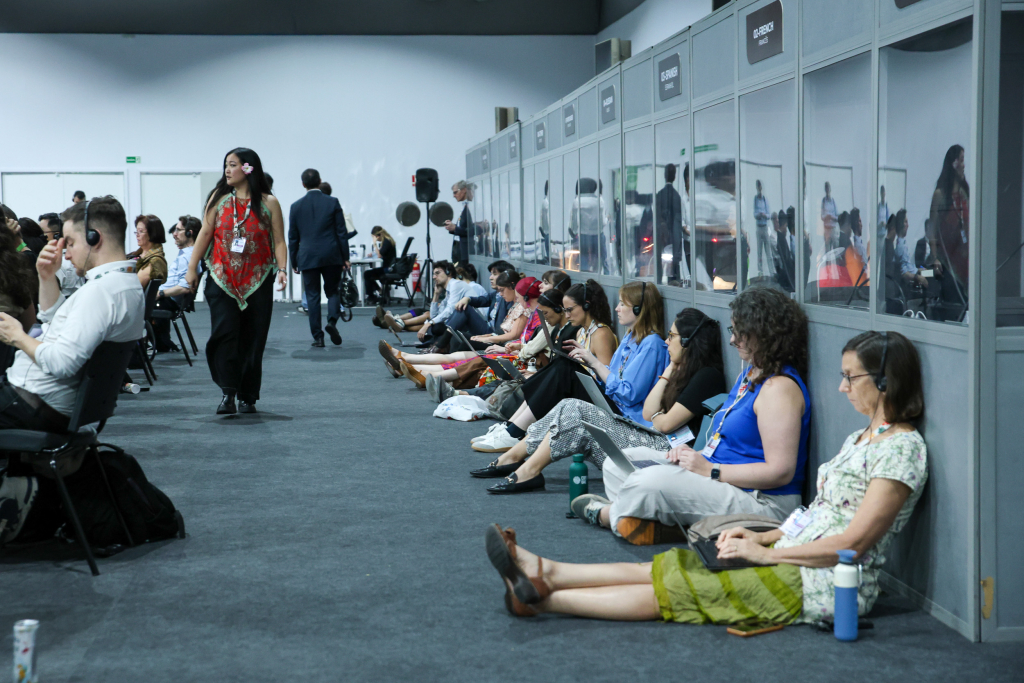
Sleep is a luxury when things get tough, sometimes a two to four hour nap is what it takes and when things get heated, catching little snoozes here and there is all it takes to get your energy levels up.
Sometimes sleeping at the venue is necessary. At one time in Dubai, our delegation slept at the venue because we were waiting for the Presidency to let us know when the plenary will begin. So to ease on the commute, we just stayed at the venue the whole day.
FOOD
Lastly, one of the questions often asked is how do we deal with food. Food at COP venues are generally very expensive and as Pacific negotiators, we don’t have big budgets for these.
I’ve learnt how to fast a lot in this process. For me, it might look different than most but I tend to snack a lot and have coffee and tea to stay up. You have to strike a balance with your eating because if you eat too much you might get tired. My mojo is you get enough sustenance to get you going without going overboard with the food that you fall asleep.
And then you get to do it over again the next day!!!
The 30th Conference of the Parties to the UN Framework Convention on Climate Change (UNFCCC) is taking place from 10-21 November 2025 in Belem, Brazil.
It is being attended by Pacific leaders and their delegations, who are advocating for the survival of Pacific communities who continue to be at the forefront of climate change impacts.
Support for our Pacific Islands at COP30 from members of the Council of Regional Organisations of the Pacific (CROP) is through the One CROP mechanism led by the Secretariat of the Pacific Regional Environment Programme.
Members of one CROP include: The Secretariat of the Pacific Regional Environment Programme (SPREP) – Lead, Pacific Islands Development Program, Pacific Islands Forum Fisheries Agency, Pacific Island Forum Secretariat, Pacific Community.
A key part of amplifying the One Pacific Voice at COP30 is the Moana Blue Pacific Pavilion and the Pacific Delegation Office. The Moana Blue Pacific Pavilion at COP30 is a Pacific partnership with the Governments of Australia and New Zealand managed by the Secretariat of the Pacific Regional Environment Programme (SPREP).
The Pacific Delegation Office at COP30 is a Pacific partnership with the New Zealand Government managed by the Secretariat of the Pacific Regional Environment Programme (SPREP).
To learn more about the Pacific at COP30 please visit: https://www.sprep.org/cop30