


27 February 2026 - Nukuʻalofa, Tonga – As environmental pressures continue to affect food systems, forests, and rural livelihoods, Tonga is strengthening its commitment to sustainable development by placing Nature-based Solutions (NbS) at the centre of its planning and practice. This was demonstrated during the recent workshop for the NbS Guidelines for Agriculture and Forestry Sectors, held on 11 February 2026 in Nukuʻalofa.
Through the Promoting Pacific Island Nature-based Solutions (PPIN) project, the Secretariat of the Pacific Regional Environment Programme (SPREP) is supporting the Government of Tonga to mainstream NbS into policy, planning, and sectoral frameworks. In Tonga, this support has focused on the development of Agriculture and Forestry guidelines to harness NbS as a practical and policy tool.
“This workshop comes at a critical time for our country,” said Chief Executive Officer of the Ministry of Agriculture, Food and Forests (MAFF), Mr ‘Elisaia Ika as he highlighted the urgency of strengthening resilience in Tonga’s productive sectors.
“Our farmers, foresters, and rural communities are facing increasing pressures from stronger cyclones, prolonged droughts, unpredictable rainfall, and rising temperatures.”
He emphasised that Tonga’s traditional practices already reflect NbS principles, noting that “agroforestry, mixed cropping, soil conservation, forest regeneration, and mangrove protection have sustained our communities for generations.”
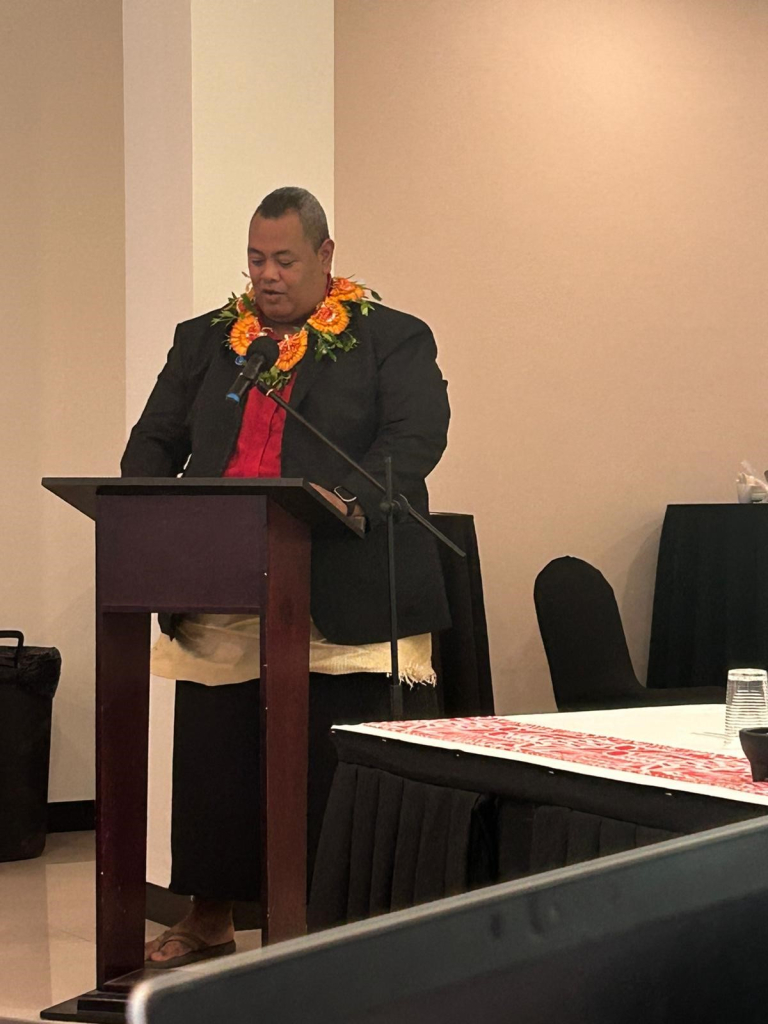
The workshop brought together representatives from government ministries, civil society organisations, community groups, development partners, and technical experts to review and refine the draft NbS Guidelines. The aim was to ensure that the document is practical, locally relevant, and aligned with Tonga’s national development and climate priorities.
During the workshop, participants engaged in presentations, focus group discussions, and plenary sessions covering climate-smart agriculture, agroforestry systems, soil restoration, forest regeneration, mangrove rehabilitation, and integrated land management. These discussions helped strengthen a shared understanding of how NbS can enhance productivity while safeguarding natural resources.
“The guidelines will help translate our national commitments into practical action on farms, in forests, and across our landscapes,” said Mr Ika.
“They will strengthen integrated land management and improve our ability to plan, monitor, and finance resilience investments.”
He also highlighted the importance of aligning agriculture and forestry resilience with national policy frameworks, stating that the Guidelines will “bridge the objectives of the Tonga Agriculture Sector Plan Phase II, the Tonga National Biodiversity Strategy and Action Plan and the Joint National Action Plan Phase II.”
The Director of the Biodiversity Conservation Programme, Mr Amena Yauvoli, commended Tonga’s leadership and strong partnerships in advancing NbS.
“Tonga has consistently demonstrated leadership in environmental protection and climate resilience,” he said. “This workshop reflects that commitment in action.”
He highlighted the vital role of ecosystems in national development, noting that forests, agroforestry systems, mangroves, and watersheds “protect soils, regulate water, reduce disaster risks, support biodiversity, and sustain livelihoods.”
Mr Yauvoli also emphasised the transformative potential of the Guidelines.
“They will help move Tonga from scattered good practice to coordinated national action,” he said. “They will strengthen technical standards, improve integration across land and coastal systems, and enhance access to climate and biodiversity finance.”
He reaffirmed SPREP’s long-term commitment to supporting Nature based Solutions in Tonga, through policy development, capacity building, and technical assistance under the PPIN project.
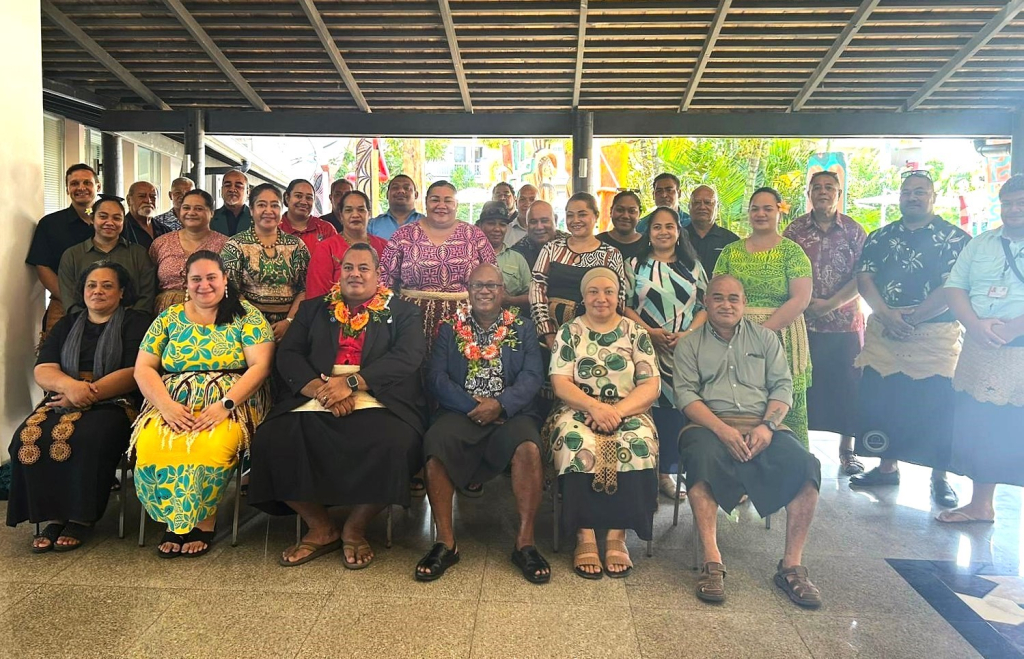
Aligned with the workshop objectives, participants reviewed the structure, analysis, and recommendations of the draft Guidelines and provided targeted feedback on policy alignment, institutional coordination, and capacity development. The process helped build consensus on priority actions and pathways for applying NbS principles across agriculture and forestry sectors.
Participants noted that the workshop process improved understanding of NbS principles as both a policy recommendation and a practical approach already embedded in Tonga’s traditional land management systems.
By the end of the workshop, stakeholders confirmed context-specific recommendations, strengthened inter-agency collaboration, and reinforced national ownership of the Guidelines. All inputs were documented to inform the final version of the document.
With strong national leadership, regional partnership, and community engagement, Tonga is positioning Nature-based Solutions at the centre of its agroforestry and climate resilience agenda, turning policy into practical action for present and future generations.
The PPIN project is funded by New Zealand’s Ministry of Foreign Affairs and Trade (MFAT). It aims to support NbS policy and legislation development, build regional awareness and capacity, and strengthen cooperation among Pacific Island countries. The project is managed by the International Union for Conservation of Nature (IUCN) in partnership with the Pacific Community (SPC), SPREP, and the Global Green Growth Institute (GGGI).
For more information, contact Utulei Lui, PPIN Coordinator, utuleil@sprep.org / sprep@sprep.org