

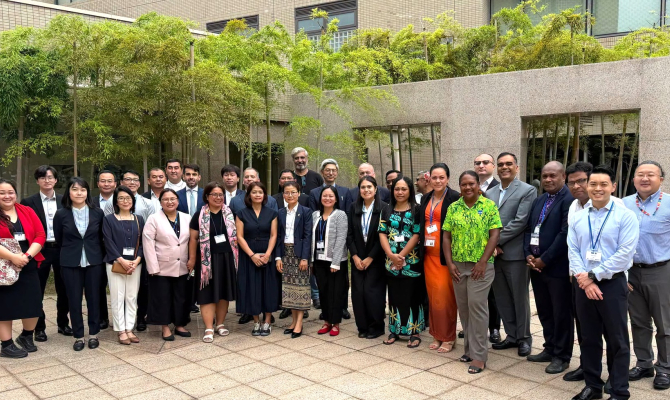
26 June 2026, Fukuoka - Regional dialogue on sustainable solid waste management and circular economy has been strengthened by Pacific participation in a regional workshop in Japan, highlighting the practical realities, constraints, and opportunities facing Pacific island countries and territories.
The Workshop on Designing Sustainable Solid Waste Management Projects for Circularity was held from 9-12 June 2026 in Kitakyushu Fukuoka, Japan. It was organised by the Asian Development Bank Institute (ADBI) and the Asian Development Bank (ADB) in collaboration with JICA Kyushu Center, with support from the Urban Resilience Trust Fund funded by the Government of the United Kingdom.
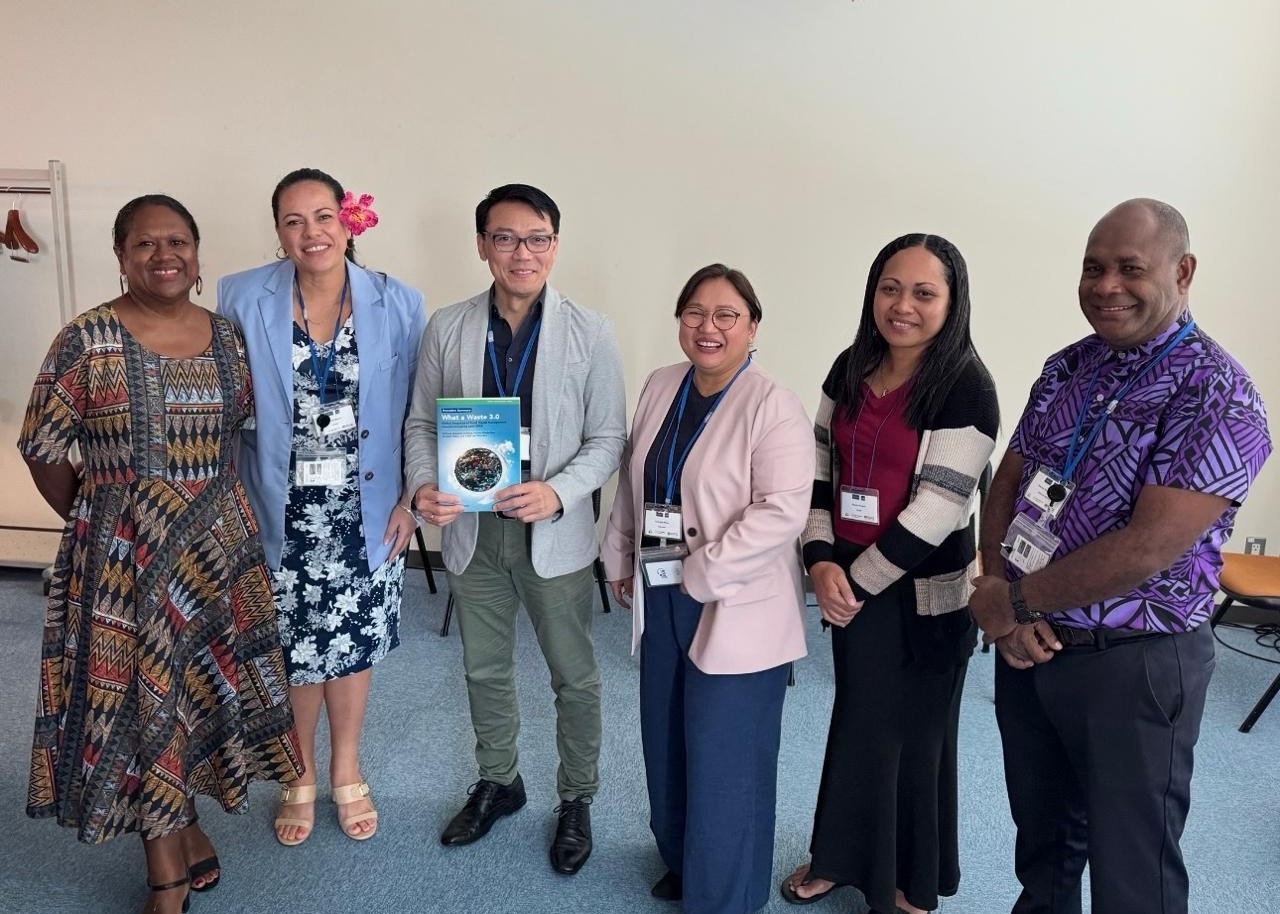
Mr Maesac Suia, Provincial Secretary, Guadalcanal Provincial Government, Solomon Islands, was amongst the Pacific representation.
"The workshop reinforced the importance of practical, locally appropriate waste management solutions,” he said. “Learning from Japan's experience and exchanging knowledge with other countries provided valuable insights that can help strengthen waste management efforts in Solomon Islands."
Ms Fuimaono Katenia Rasch, ACEO Waste Management, Samoa’s Ministry of Natural Resources and Environment (MNRE) said she learnt many valuable lessons on integrated waste management.
“Different waste management initiatives were explored during the workshop including aerobic and anaerobic treatment technologies in the context of each country's unique circumstances,” she said.
“For Samoa, continued support from ADB will be important in assessing sustainable treatment and disposal options beyond the Fukuoka Method."
Mr Suia and Ms Rasch attended the programme together with Ms Susana Telakau, Solid Waste Management Adviser, SPREP.
They joined technical representatives from Bangladesh, Cambodia, Georgia, Japan, Lao PDR, and Uzbekistan in plenary sessions, technical presentations, peer-learning exchanges, and field visits examining policy design, project preparation, financing, citizen engagement, waste separation, recycling, resource recovery, and practical lessons from Japanese facilities.
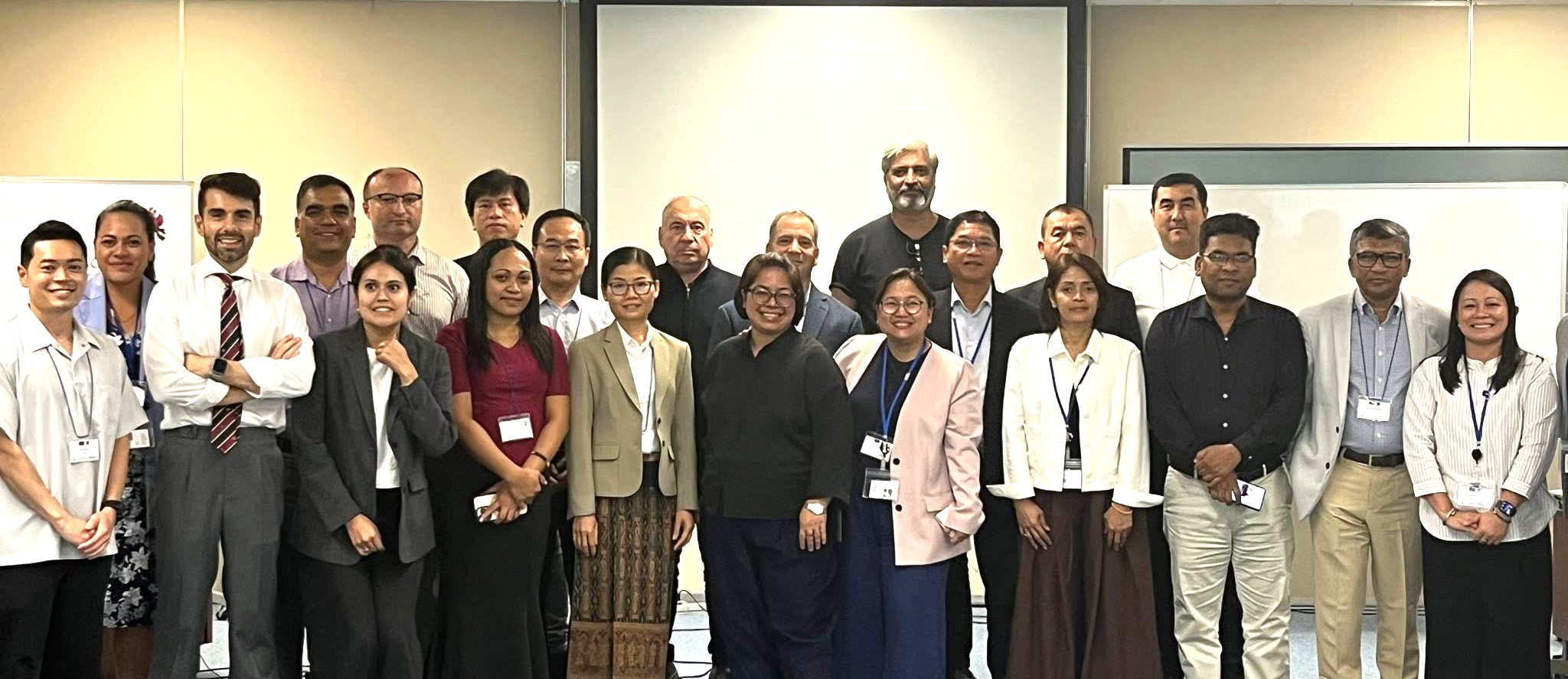
"The workshop provided valuable insight into how policy, planning, financing, education, and day-to-day operations work together in a functioning waste management system, while also giving Pacific participants space to highlight what is realistic and necessary in island contexts," said Ms Telakau.
SPREP Solid Waste Management Adviser brought Pacific perspectives into the workshop discussions. Together with participation from Samoa and Solomon Islands, the Pacific presence helped draw attention to the realities facing island countries and territories, including limited land availability, high transport costs, weak cost recovery, narrow recycling markets, and the need for phased, service-oriented waste management solutions.
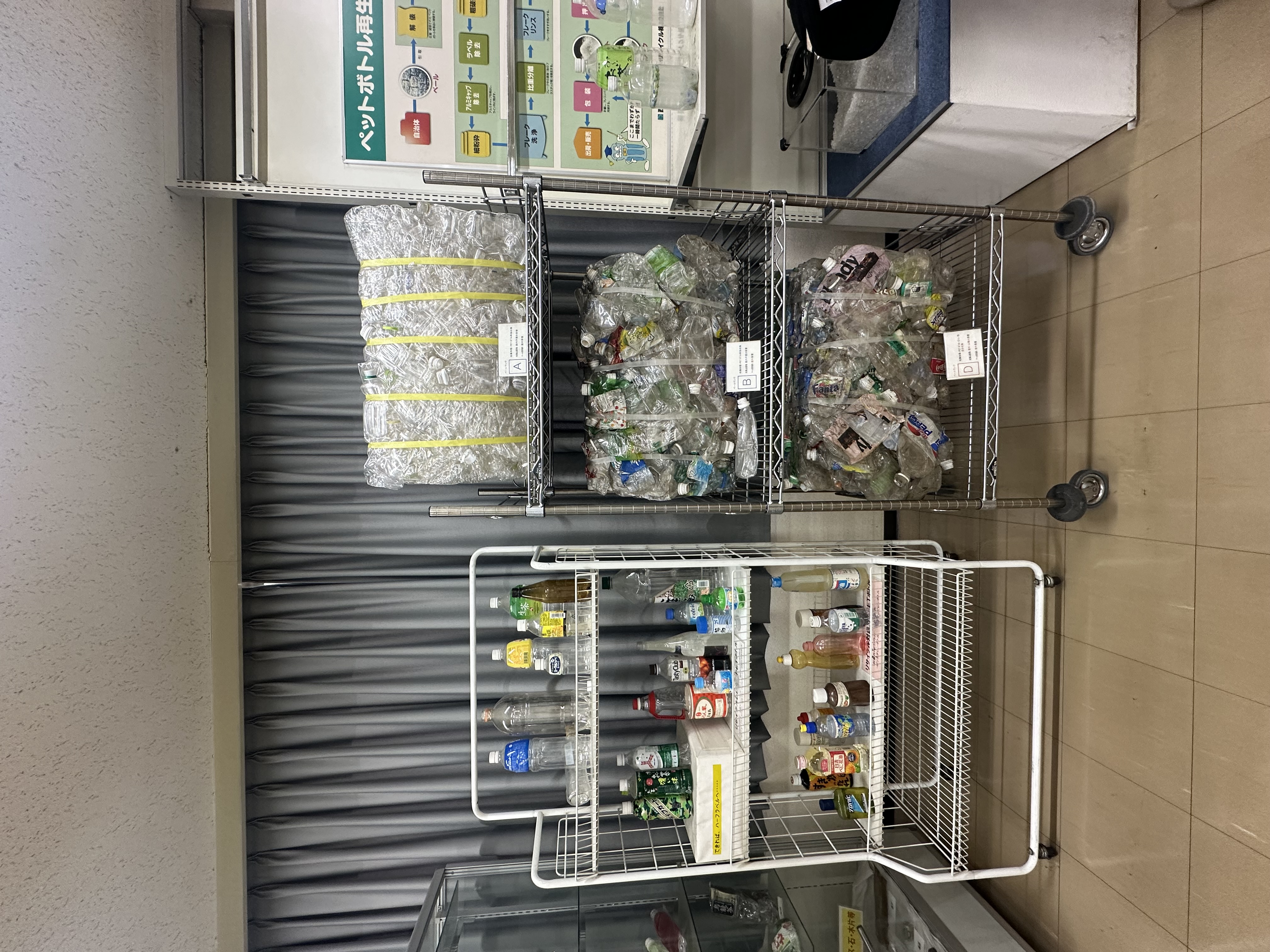
A major lesson from the workshop was Japan's long-term evolution in waste management. Presentations showed how the country responded over time to public health concerns, pollution, illegal dumping, and landfill pressure before progressively strengthening regulation, municipal responsibilities, recycling systems, and broader circular economy policies. This staged approach underscored that strong waste systems are built over time, rather than achieved through one-off infrastructure investments.
Participants also observed how public awareness and education have supported Japan's success. The workshop highlighted that cleanliness, waste separation, and environmental responsibility are taught from a young age and reinforced through school activities, public information, and facility visits. For Pacific island countries, this reinforced the importance of treating behaviour change and community awareness as core elements of waste sector investment.
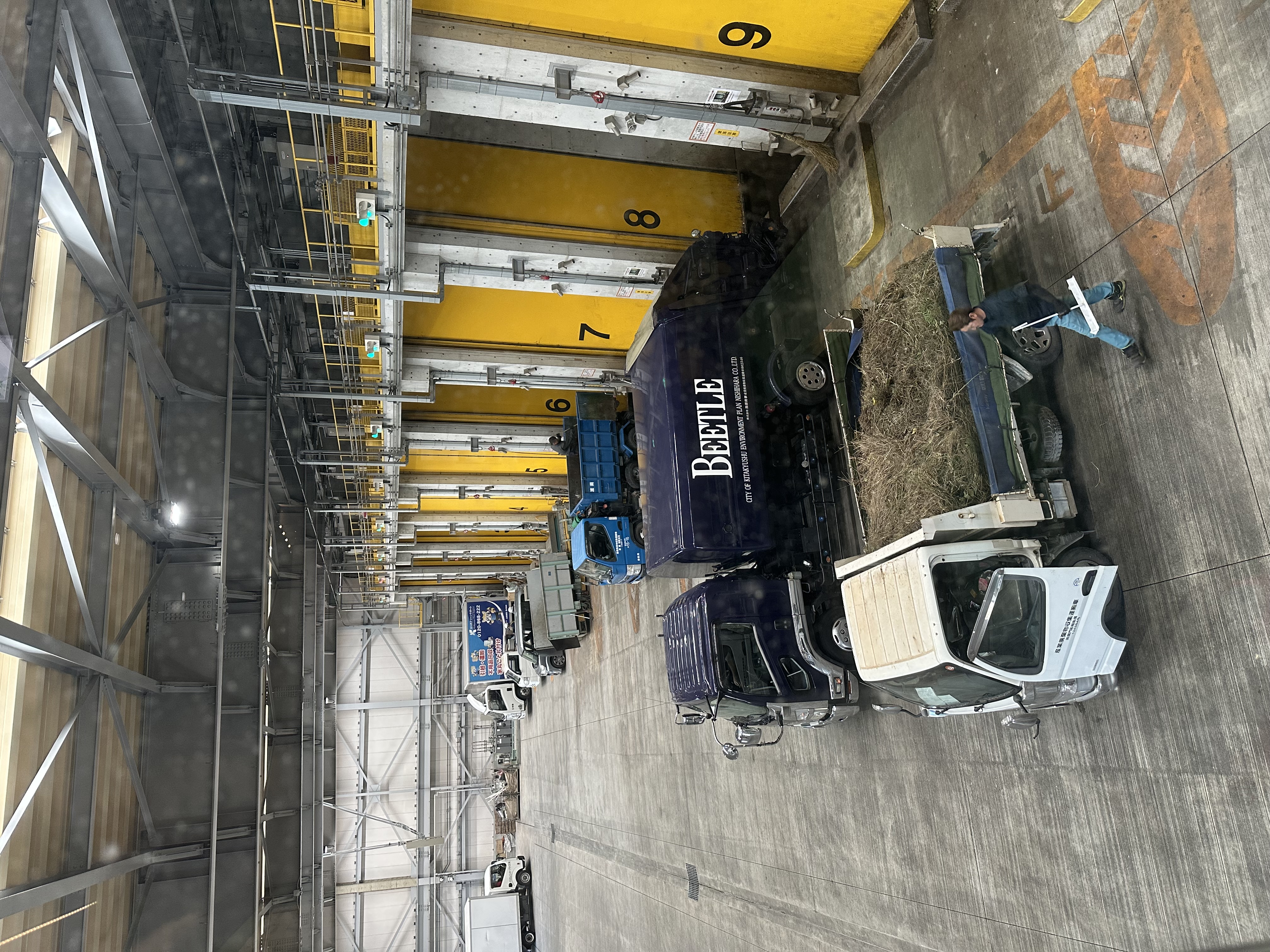
Field visits to the Hiagari Waste-to-Energy Plant, Kitakyushu Eco-Town, the Fukuoka semi-aerobic landfill, and a food waste recycling facility provided practical examples of how policy and public participation translate into operational systems. Discussions during these visits also emphasised that technology choices must align with local waste volumes, geography, institutional capacity, and most importantly economies of scale.
"For the Pacific, the most important message is that solutions must match local realities. Strong systems depend not only on technology, but also on education, clear responsibilities, reliable financing, and gradual improvement over time," Ms Telakau said.
SPREP will continue to engage with regional and international partners to promote practical and evidence-based approaches that improve waste services, advance circular economy objectives, and respond to the specific needs of Pacific island countries and territories.