

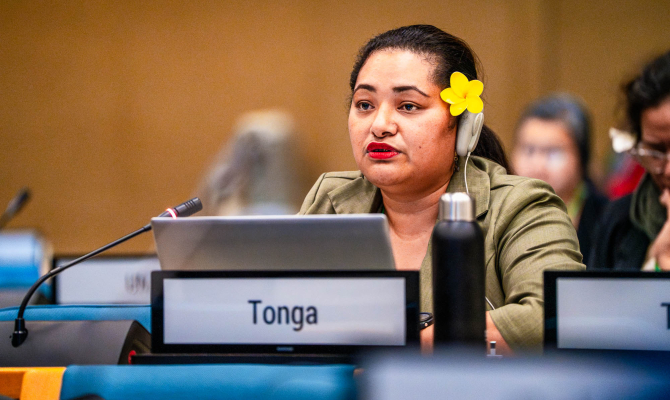
30 July 2026, Nairobi - Pacific priorities are being amplified on the global stage in Nairobi, Kenya, as the world looks to the Seventeenth Conference of the Parties to the Convention on Biological Diversity (CBD COP17) in Yerevan, Armenia later this year.
A key stepping stone towards Armenia is the Twenty-eighth meeting of the Subsidiary Body on Scientific, Technical and Technological Advice taking place in Nairobi Kenya from 27 July to 1 August. This precedes the seventh meeting of the Subsidiary Body on Implementation (SBI-7) from 4 -12 August at the same venue.
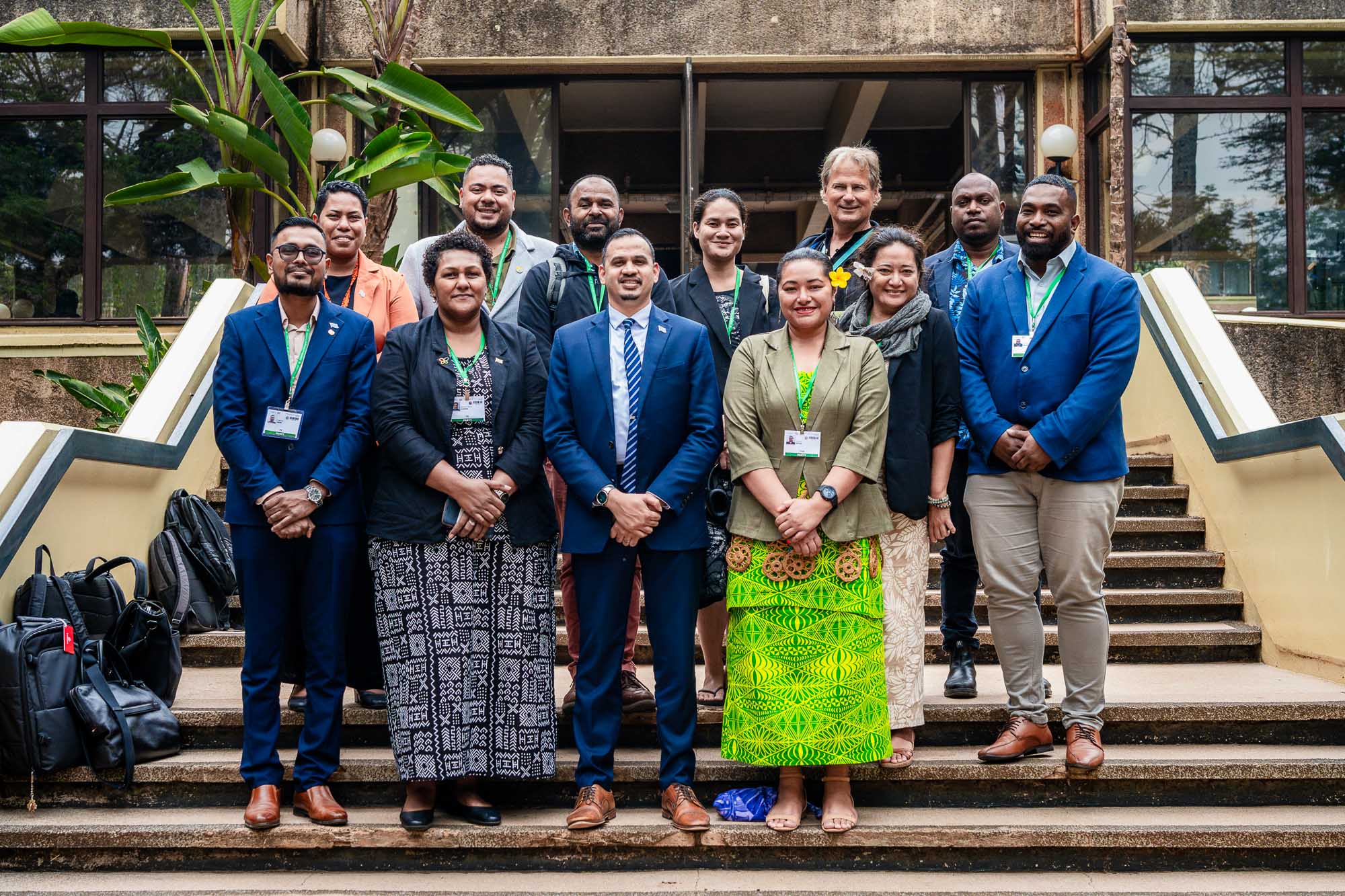
A strong delegation from the Pacific is working hard to ensure the Pacific’s priorities are reflected in the key issues linked to the implementation of the Kunming-Montreal Global Biodiversity Framework — from monitoring and the global review, to business and biodiversity, synthetic biology, sustainable wildlife management, protected and conserved areas and marine and coastal biodiversity.
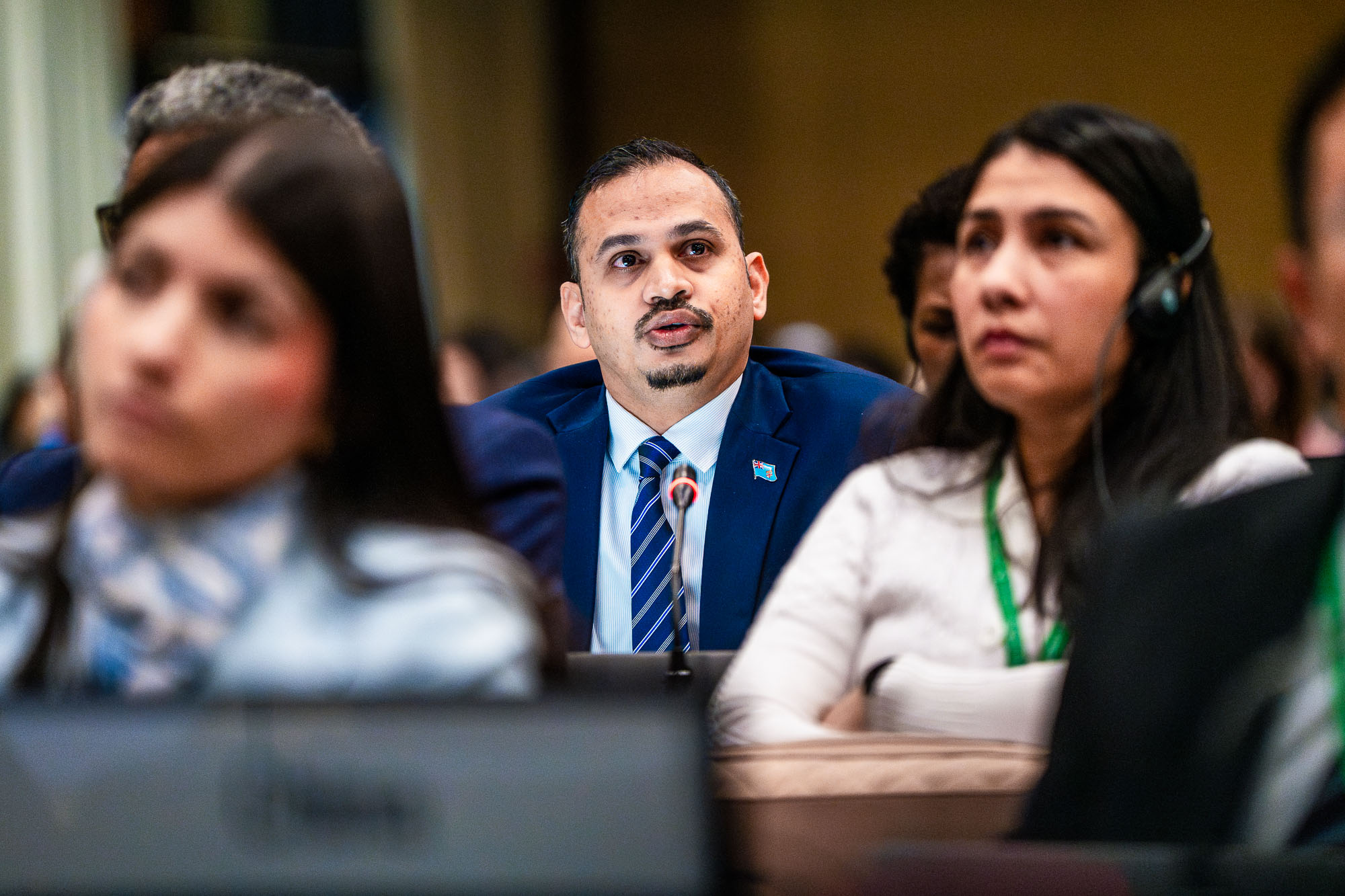
Fiji, as Chair of the Pacific Small Island Developing States (PSIDS), while delivering the PSIDS Group statement during the opening plenary of the gathering, highlighted some of these priorities as critically vital for the PSIDS.
Topical on the agenda in Nairobi is the first global review of the Kunming-Montreal Global Biodiversity Framework. Current findings indicate that while global engagement has increased, national efforts remain off track to meet the 2030 goals.
“We accept the central finding: the world is not on track, and no target yet shows a fully positive picture. But an honest review must also be honest about who is missing from its evidence,” said Fiji's Permanent Secretary for Environment and Climate Chang, Dr. Sivendra Michael, who delivered the statement.
Because fewer SIDS were able to submit their national reports in time, the Pacific's implementation will be under-counted in the very report that will frame COP17, the PSIDS Chair argued.
“Much of what we do is invisible to global datasets — the conservation actions our communities deliver every day, through customary tenure and hundreds of locally managed marine areas, is real, but unmeasured,” he said.
“We ask that this be read as a gap in support and in methods, not a gap in commitment. And we note, with respect, a lesson from this meeting itself: when the central report is revised days before we convene, and statement deadlines must be extended, it is the smallest delegations — often a single official — who cannot re-analyse in time. The timely issuance and translation of documents is a condition of meaningful participation.”
SBSTTA provides scientific and technical advice to the Conference of the Parties of the Convention on Biological Diversity (CBD) and also serves the Cartagena Protocol on Biosafety and the Nagoya Protocol. The SBI supports the review and strengthening of the implementation of the Convention and its Protocols, helping Parties assess progress, address challenges, and improve the effectiveness of actions under the CBD. Together, these subsidiary body meetings constitute an important milestone on the path to the 2026 UN Biodiversity Conference, including COP17.
Science and evidence are essential to turning global biodiversity commitments into action on the ground. For the Pacific, the science of Kunming-Montreal Global Biodiversity Framework is the science of their survival.
“The best available science is unambiguous. Coral reefs decline by 70 to 90 per cent at 1.5 degrees of warming, and by more than 99% at 2 degrees; the fourth global coral bleaching event has now struck 84% of the world's reefs,” said Dr Michael.
“Our blue-carbon ecosystems tell the same story from the coast: mangroves and seagrass store up to five times the carbon of terrestrial forests, and a recent regional assessment across Fiji, Papua New Guinea, Solomon Islands and Vanuatu confirms stocks comparable to global averages — carbon that returns to the atmosphere each time a mangrove is cleared for a road or flattened by a cyclone. Biodiversity, climate and carbon are one system in our islands, from ridge to reef, and the science of this Convention must treat them as one.’’
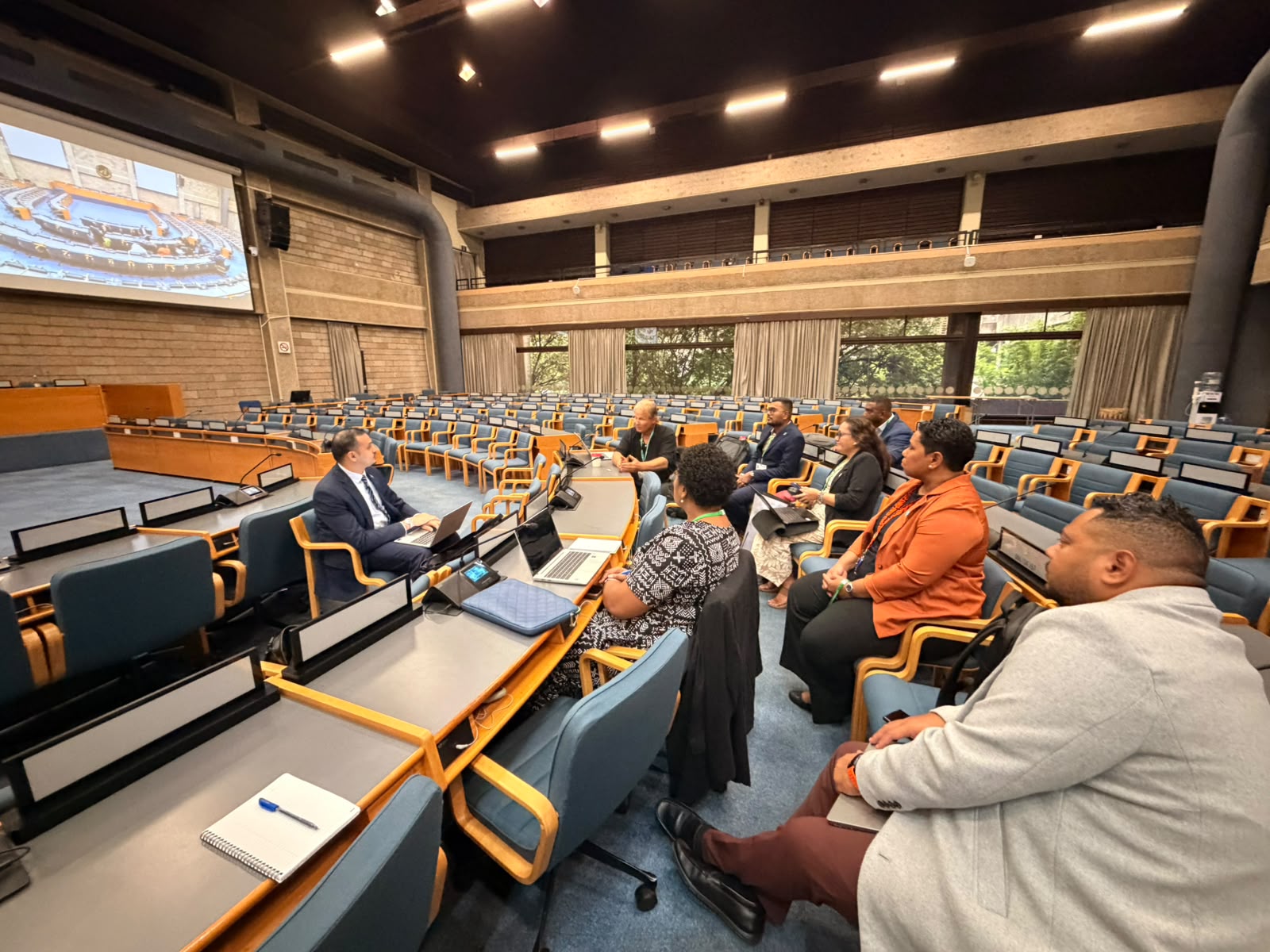
Pacific countries are also calling for more capacity building and finance to enable meaningful and urgent action.
“We renew the Pacific's call for a dedicated biodiversity fund under the direct authority of the Conference of the Parties, with access that is simplified, predictable, grant-based and direct — finance a small administration can actually reach, and that does not deepen our debt.”
The outcomes of the discussions in Nairobi will help inform recommendations for CBD COP17 in Armenia. Stronger biodiversity action depends on sound science, reliable evidence and practical tools for implementation.
“The Pacific did not come to Nairobi to renegotiate our ambition,” Dr Michael said.
“We came to implement it, and to bring proven, community-led solutions to share on the road to Yerevan. We ask this body to match our ambition with the science, the finance, and the process that will let us deliver it. Our reefs, our fisheries, our mangroves and our peoples cannot wait.”
The Pacific’s delegation is made up of officials from Fiji, Republic of Marshall Islands, Tuvalu, Tonga and Vanuatu. They are supported by the Secretariat of the Pacific Regional Environment Programme (SPREP) and the Pacific Islands Climate Action Network (PICAN).
Photos Credit: Photo by IISD/ENB | Danny Skilton