

19 May 2026, Honiara – “In the Solomon Islands, today we have been able to put a face to climate-induce loss and damage. And with the knowledge we have attained, as media professionals, we will be able to tell their stories, amplify and advocate for their needs with clarity and determination, moving forward.”
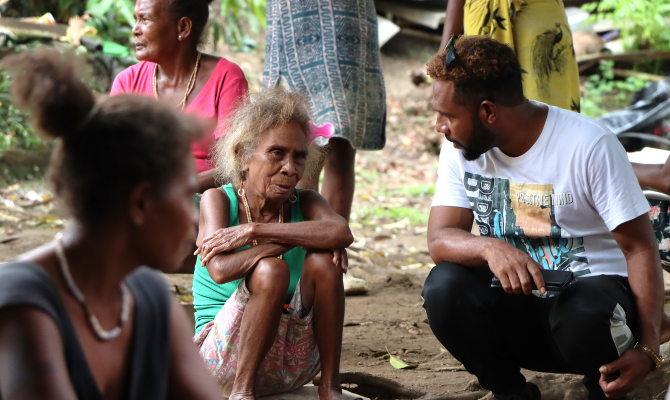
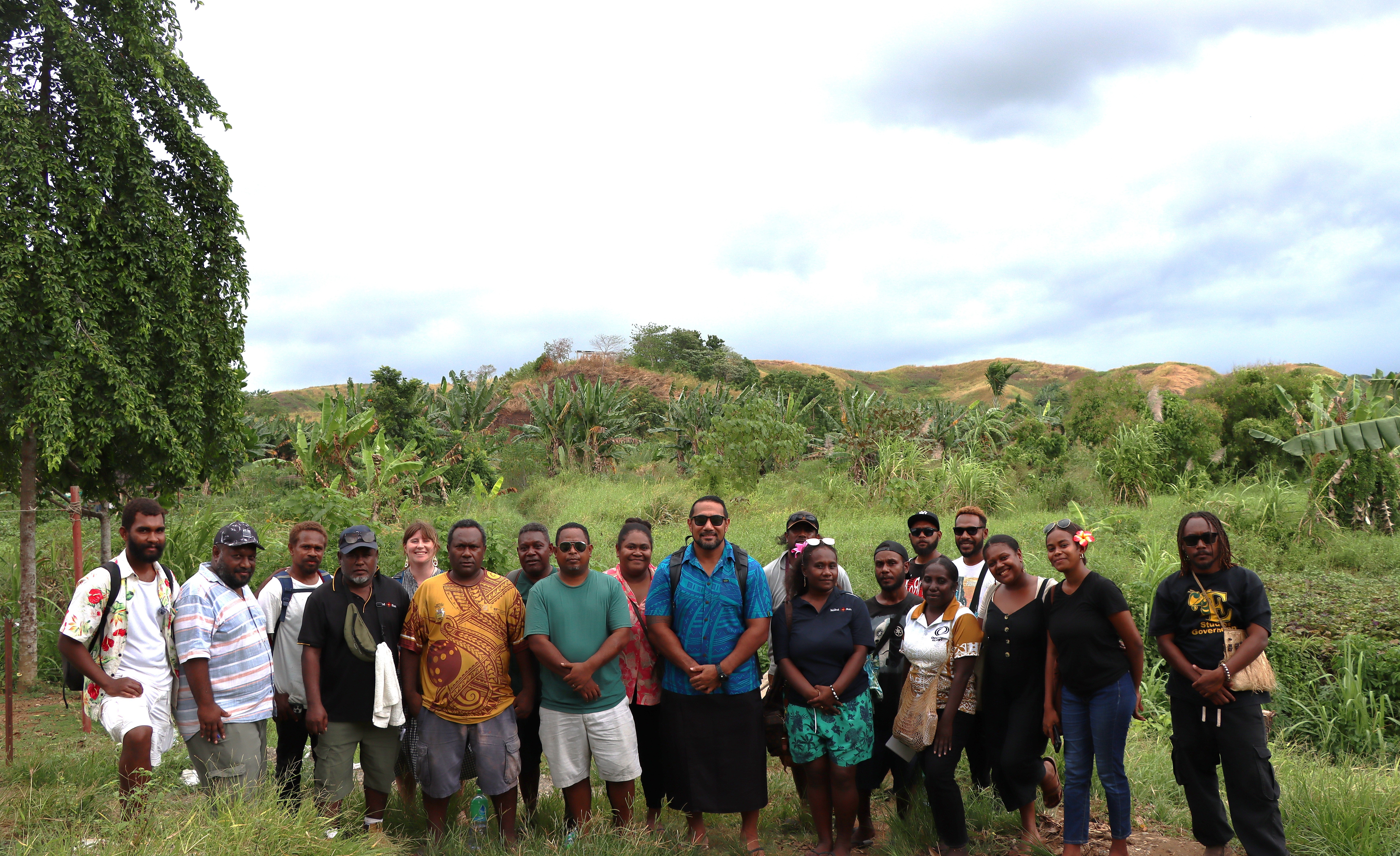
The reflection was from veteran journalist and Board Member of the Media Association of Solomon Island (MASI), Mr Ednal Palmer, following a field visit to the community at April Valley on East Honiara, on the final day of the inaugural Loss and Damage Media training for the Solomon Islands.
Facilitated by the Secretariat of the Pacific Regional Environment Programme (SPREP) in partnership with MASI, the three-day training at the Rock Haven Inn was designed to build the understanding of the Solomon Islands media about climate-induced Loss and Damage and the best ways to report on the issue. The training was made possible with funding support from the Loss and Damage Capability and Capacity (LDCC) Project with the Government of New Zealand.
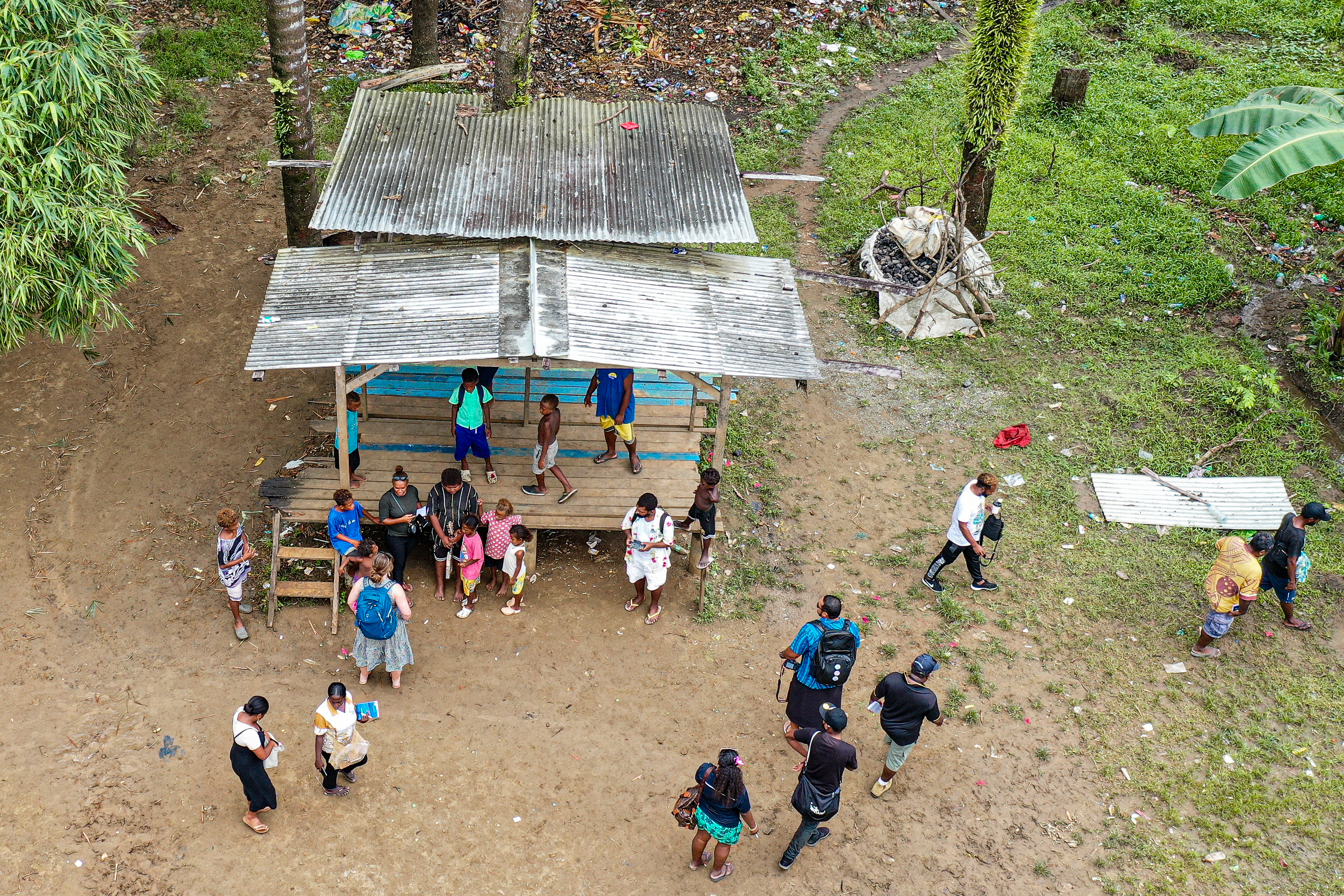
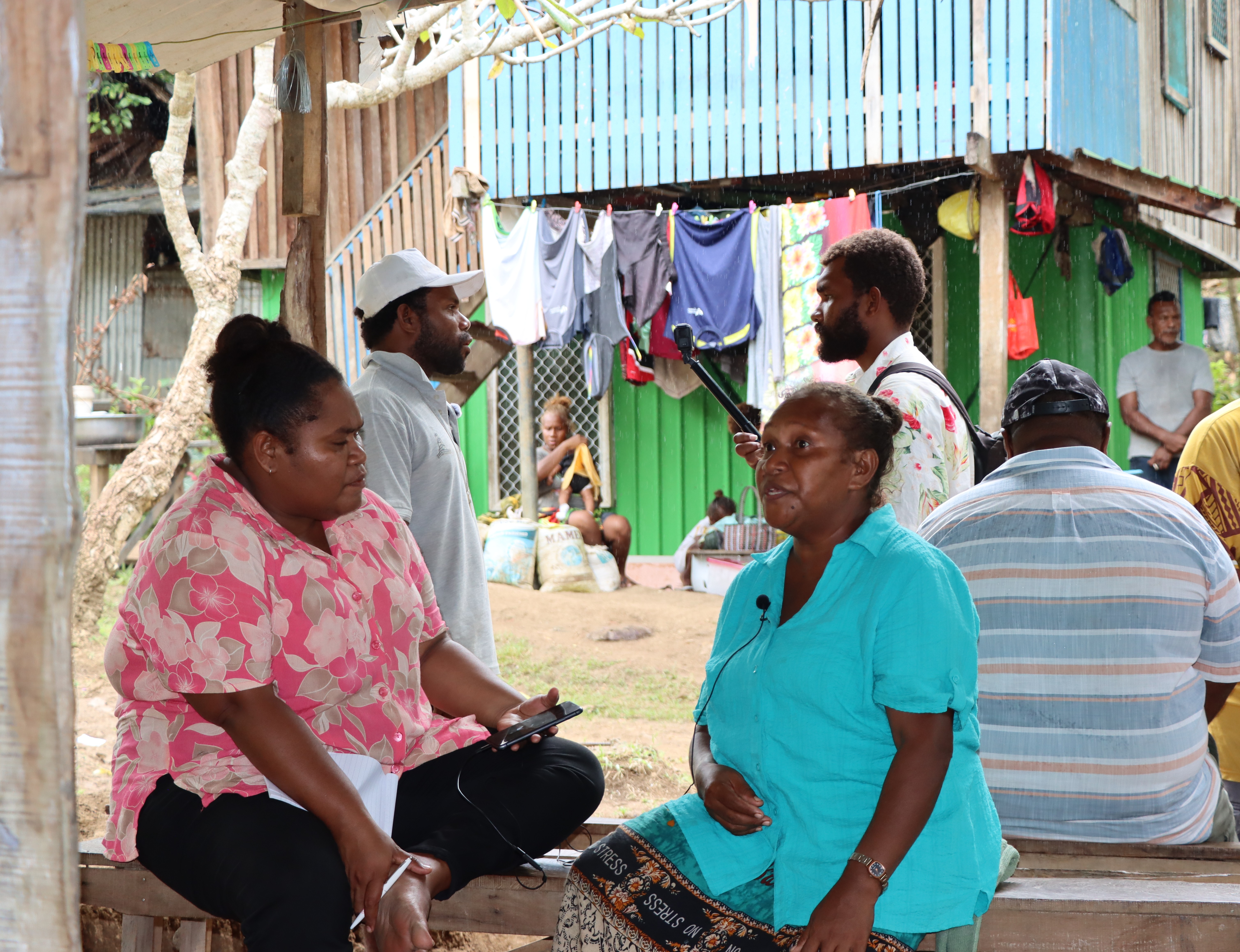
The first two days focussed on theory and the technical aspects of loss and damage media reporting. On the final day, MASI members, accompanied by SPREP Loss and Damage Officer, Ms Jessica Rodham and SPREP Media and Public Relations Officer, Mr Keni Lesa, visited April Valley to allow the journalists to put their skills to the test.
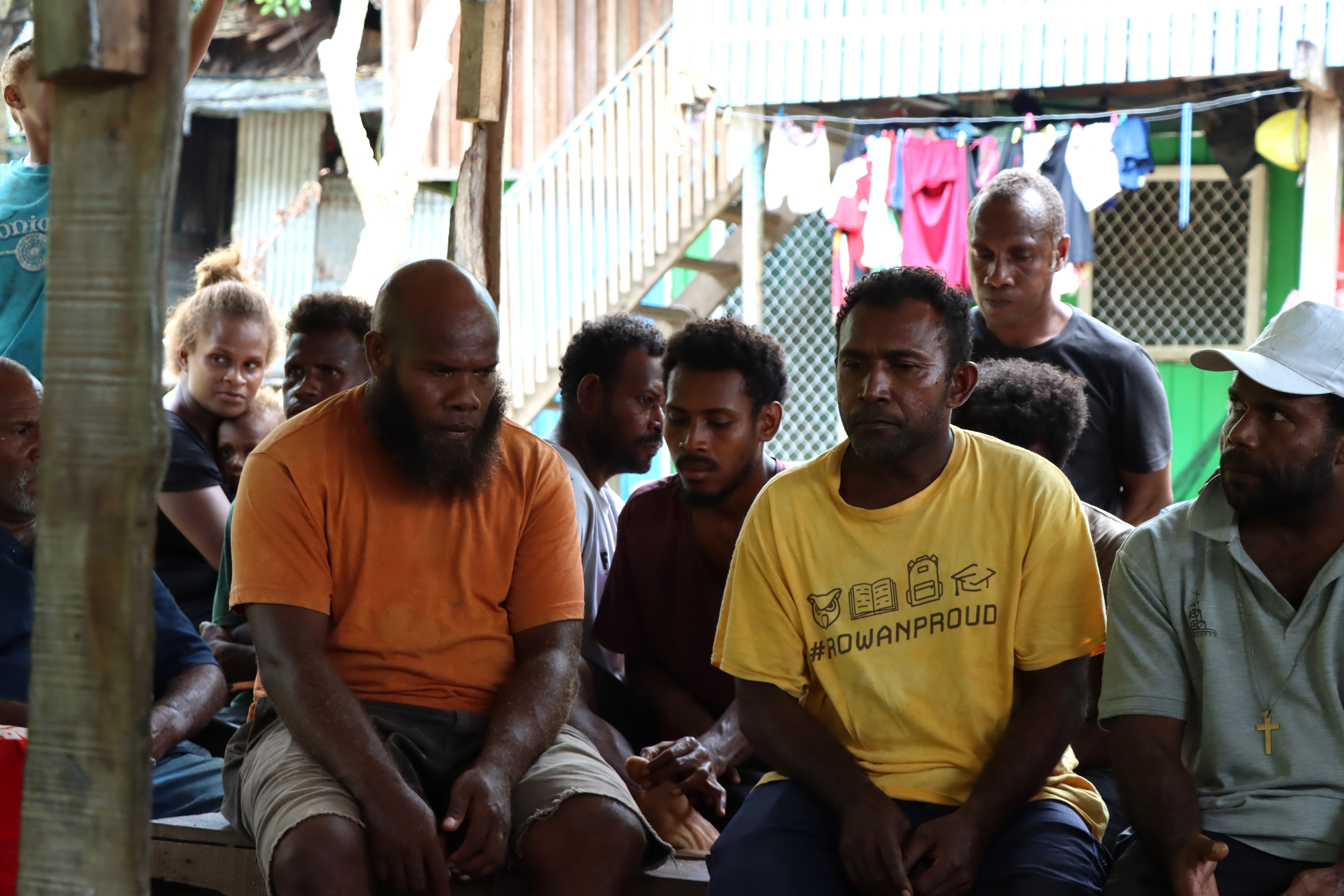
“For two to three years, our children did not attend school because they were traumatised,” Anglican priest, Fr Seth Oirii told visiting journalists. “After three years, parents slowly started sending their children to Juniper Tree School, which was closer to them.”
The community was forced to flee their homes along the Mataniko River during the devastating flash floods of 3 April 2014, which followed continuous heavy rainfall in Honiara.
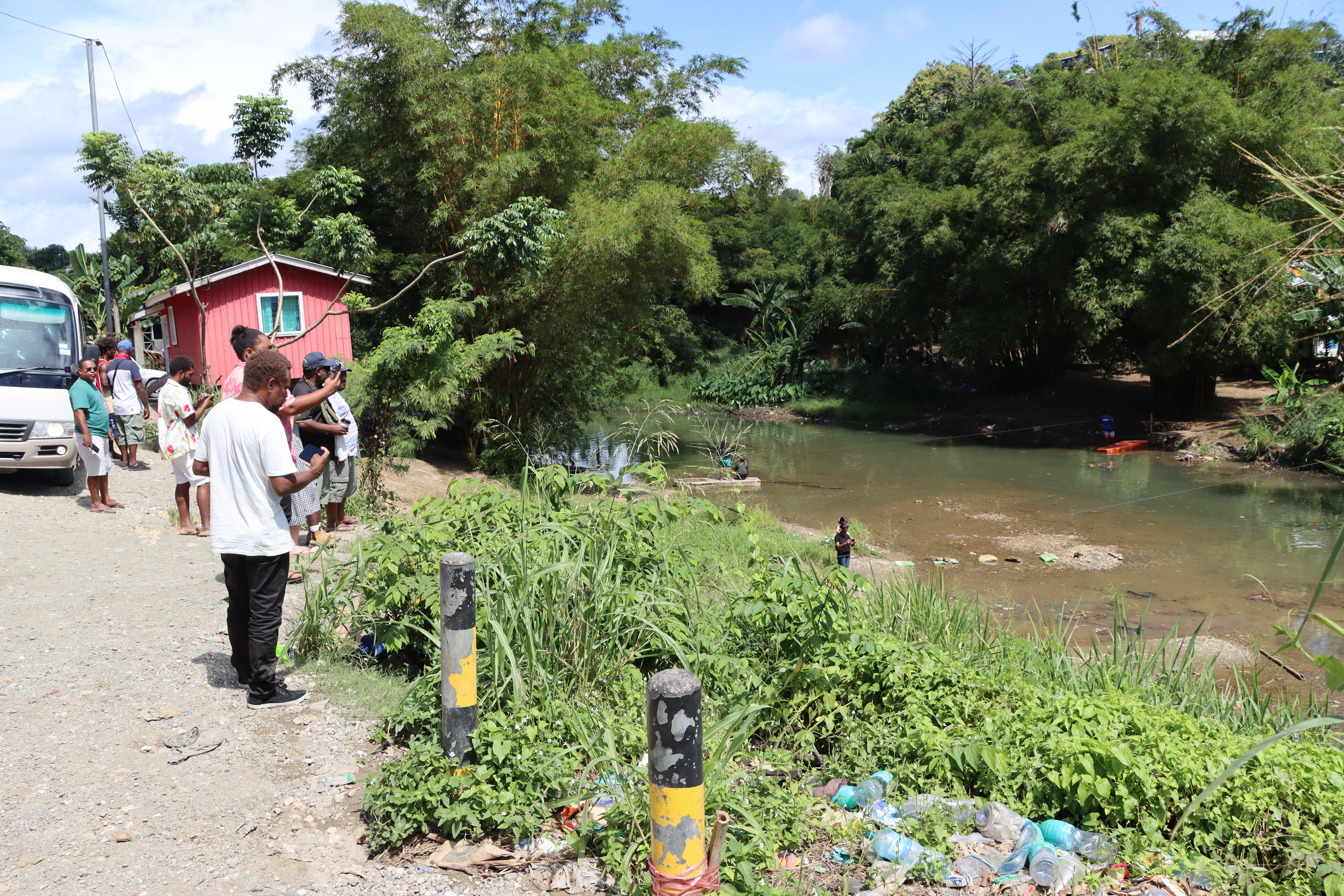
The families initially stayed at relocation centres at Mbokonavera School before moving to the Festival of Pacific Arts (FOPA) area at Panatina. They were later relocated to April Valley in 2015. Today, more than 300 people of the A’ama tribe are now settling well into their new homes.
For journalists who attended the media training, the case of the community at April Valley brought to the fore the issues of economic and non-economic impacts of climate-inducted loss and damage, the subject of the workshop.
“You are the eyes and ears of our communities, and you play such a critical role in telling, sharing and amplifying the stories of your people’s struggles, fight and successes when it comes to climate change,” said Ms Rodham. Loss and Damage is the irreversible consequences of climate change that exceed the adaptive capacities of communities, ecosystems, and nations. It represents the negative impacts of climate change that cannot be avoided by mitigation or adaptation, covering both economic and non-economic losses.
Mr David Hiba Hiriasia, Permanent Secretary for the Ministry of Environment, Climate Change, Disaster Management, and Meteorology (MECDM), Solomon Islands, said Loss and Damage is already a reality for the Solomon Islands. At least five islands in the Solomon Islands have already been permanently lost to sea-level rise, according to the Permanent Secretary. These include Kale, Rapita, Rehana, Kakatina and Zollies, completely submerged by 2014.
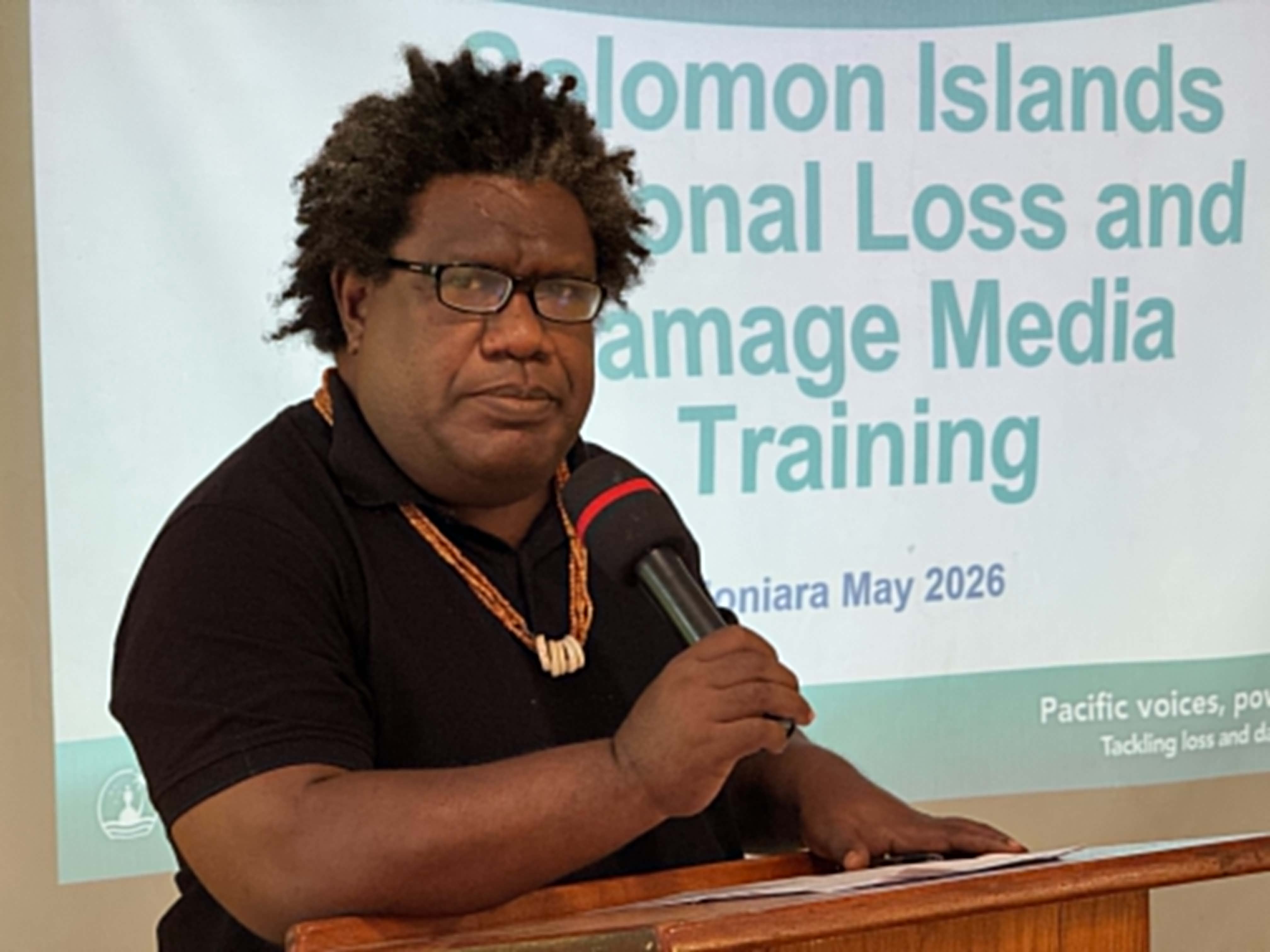
“For those communities, their histories and sense of place cannot be replaced. These are the stories that must be told and it is the media that must tell them,” said Mr Hiriasia. “This is why the role of the media is so critical. Loss and Damage is not just about figures and reports it is about people, communities, and lived experiences. “The media has the power to transform statistics into human narratives, to amplify the voices of those on the frontline, and to ensure that the world understands the human dimension of climate change.”
President of MASI, Mr Ofani Eremae, acknowledged the partnership with SPREP which enable the training.
Coordinated by SPREP’s Communications and Outreach Unit, the training in Honiara is part of ongoing work SPREP is rolling out across our Pacific countries. The first phase was a Regional Media training on Loss and Damage, held in Samoa in 2025 to empower the Pacific Media to understand climate change and then focus on building their understanding of L&D and the best ways to report on this issue in their countries. The second phase saw a selection of Reporters from the initial training return to Samoa to provide media coverage of the inaugural Youth Loss and Damage Dialogue, the second Pacific Regional Loss and Damage Dialogue as well as the Pacific Climate Change Roundtable (PCCR).
“Today is a call to action,” Mr Hiriasia added. “It’s a moment for us to recognise the power of storytelling, the influence of communication, and the responsibility of the media in shaping how the world understands the lived realities of climate change.”
The inaugural Loss and Damage Media training for the Solomon Islands, from 11-13 May in Honiara, is made possible with funding support from the Loss and Damage Capability and Capacity (LDCC) Project with the Government of New Zealand. For more information, please contact SPREP Climate Change Adaptation Adviser, Ms Filomena Nelson filomenan@sprep.org and SPREP Climate Change Loss and Damage Officer, Ms Jessica Rodham jessicar@sprep.org