


23 February 2026, Port Vila - Vanuatu, a global frontrunner in climate action, is taking BOLD steps to address climate change-induced loss and damage, build resilience, preserve its identity and to ensure a sustainable future for its communities.
This week in Port Vila at the Ramada Hotel, key Vanuatu stakeholders will gather for the Building Our Pacific Loss and Damage (BOLD) Response Project Inception and implementation planning meeting. Hosted over the next three days by the Department of Climate Change, with the support of the Secretariat of the Pacific Regional Environment Programme (SPREP) and Climate Analytics, the workshop will bring together Vanuatu officials and key stakeholders to set the priorities to guide the implementation of activities in the coming years.
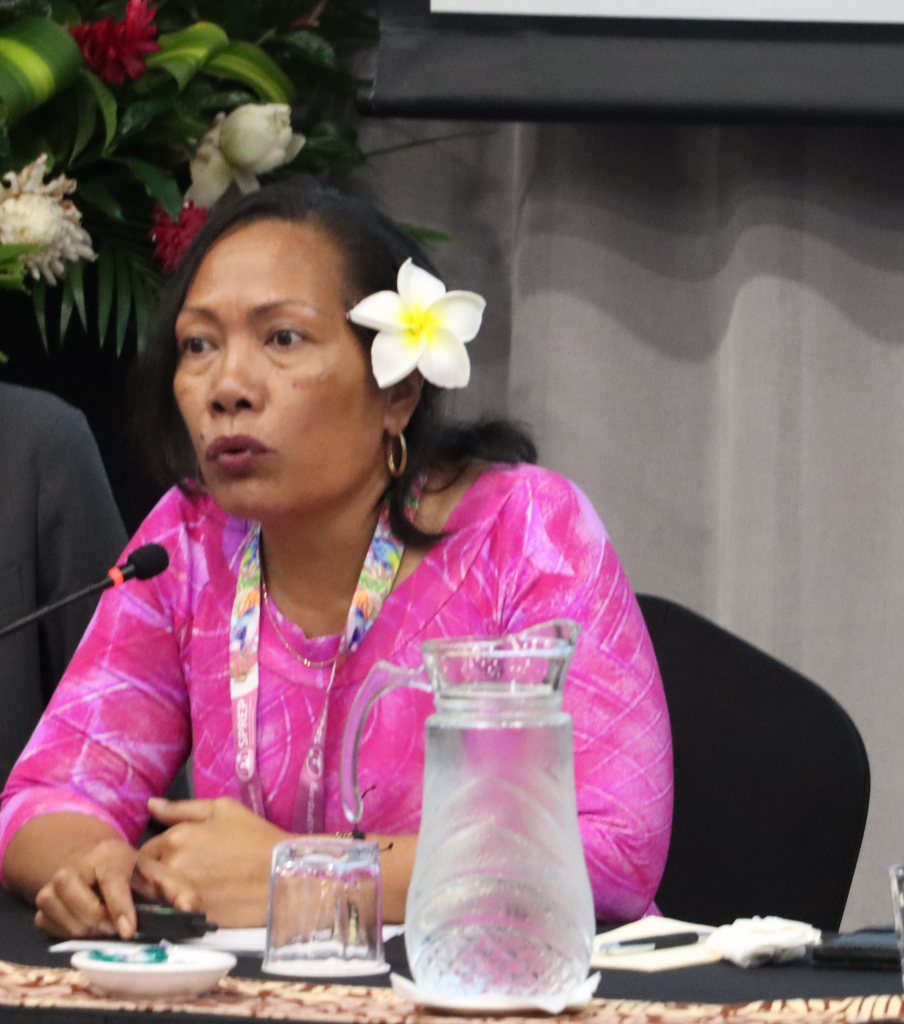
SPREP's Climate Change Adaptation Adviser, Filomena Nelson, said the meeting in Port Vila is an opportunity for SPREP and Climate Analytics to engage with key Vanuatu stakeholders to see how and where they want the BOLD Response project to be of help.
“SPREP exists to serve our Pacific member countries and when it comes to climate change. We know Vanuatu is one of the worst affected countries in terms of impacts and this is already leading to extensive losses and damages in communities ” she said.
“We are here to provide support to Vanuatu, to listen and to see where the support can be most impactful”.
“The long-term nature of the BOLD Response project enables us to invest in the critical relationships in each country as well as across the region and this week, we are in Vanuatu to do this. This will help us to develop resources that respond directly to local priorities and needs.”
The BOLD Response Project, a five -year project funded by the Government of Germany through the International Climate Initiative, aims to strengthen Pacific Island countries' resilience to climate-induced loss and damage.
Vanuatu is amongst the countries covered. Other countries include Fiji, Republic of Marshall Islands, Samoa and Tuvalu.
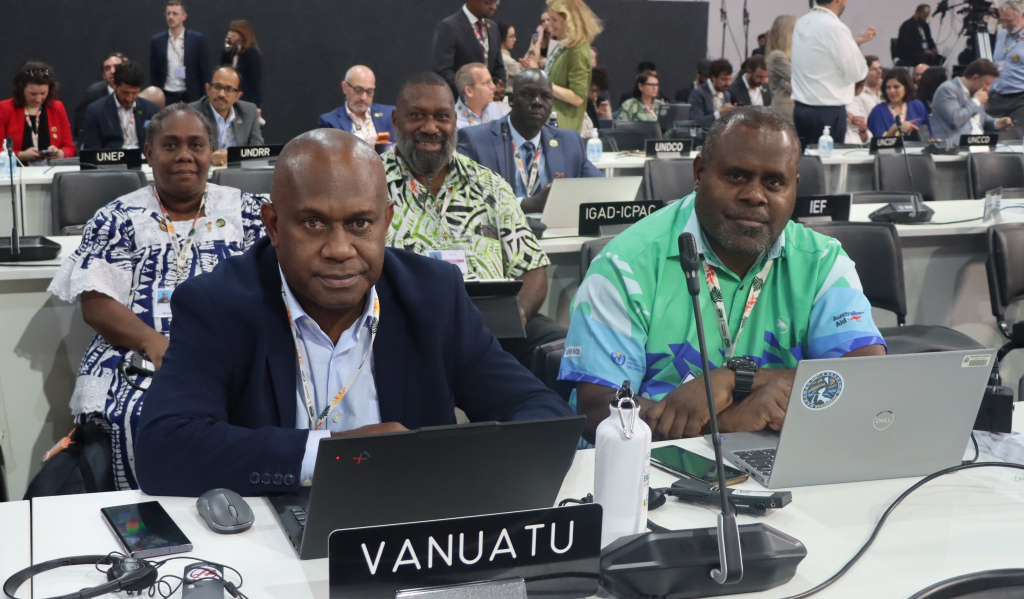
Vanuatu is a global leader in climate action, especially for Loss and Damage. In 1991, Vanuatu first introduced the subject of loss and damage to the UN Climate Negotiations on behalf of the Alliance of Small Island States, proposing the creation of an insurance scheme for countries likely to be impacted by rising sea levels.
Since then, loss and damage has remained a steadfast priority for Pacific countries with a major breakthrough in 2022 with the establishment of the Loss and Damage Fund at COP27. At Dubai in COP28, the historical agreement on the capitalisation of the Loss and Damage Fund was hailed as a major victory by Pacific countries.
In 2025, Vanuatu continued its leadership in climate action, becoming the first Pacific Island nation to adopt a national Loss and Damage policy with a detailed 10-year Implementation Roadmap.
Pacific island countries are highly vulnerable to the impacts of climate change. Historically, loss and damage assessments have concentrated on tangible impacts caused by disasters such as infrastructure damage or agricultural losses.
But for Pacific communities, the consequences of climate change go far beyond the economic damages. Losing a burial site to erosion or being forced to abandon traditional fishing practices due to marine ecosystem changes, as well as the complete relocation of communities, have had profound cultural and psychological effects that defy monetary valuation.
The work in Vanuatu this week will help to develop practical, innovative responses to loss and damage in Vanuatu and by doing so will support this resilient Pacific Island nation’s continued regional and international leadership on this vital issue.
For more information on the BOLD Project, please contact SPREP Climate Change Adaptation Adviser, Filomena Nelson filomenan@sprep.org , BOLD Project Manager, Malaki Iakopo malakii@sprep.org or Climate Analytics – Patrick Pringle patrick.pringle@climateanalytics.org