

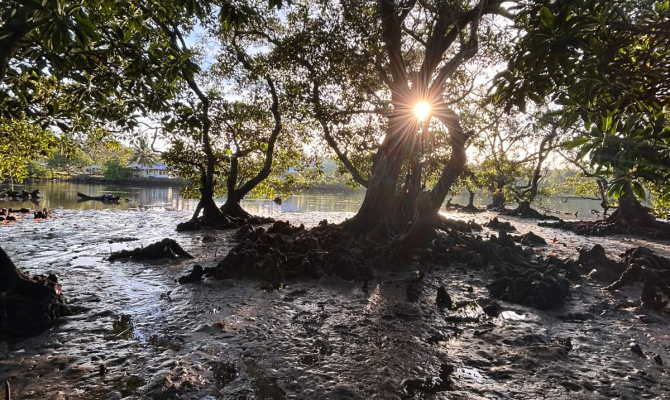
5 August 2026, Salelologa - A key phase of a project designed to assess the carbon storage capacity and verify the condition of selected mangrove sites and ecosystems in Samoa has completed.
The fieldwork assessments phase for the “Ground truthing of Mangrove Areas in Samoa for Carbon Stock Management” project, implemented through a partnership between the Ministry of Natural Resources and Environment (MNRE), the Secretariat of the Pacific Regional Environment Programme (SPREP) through the Pacific NDC Hub, and the Sabrina Virly Consultancy (SVC) team, was undertaken from 19-24 July.
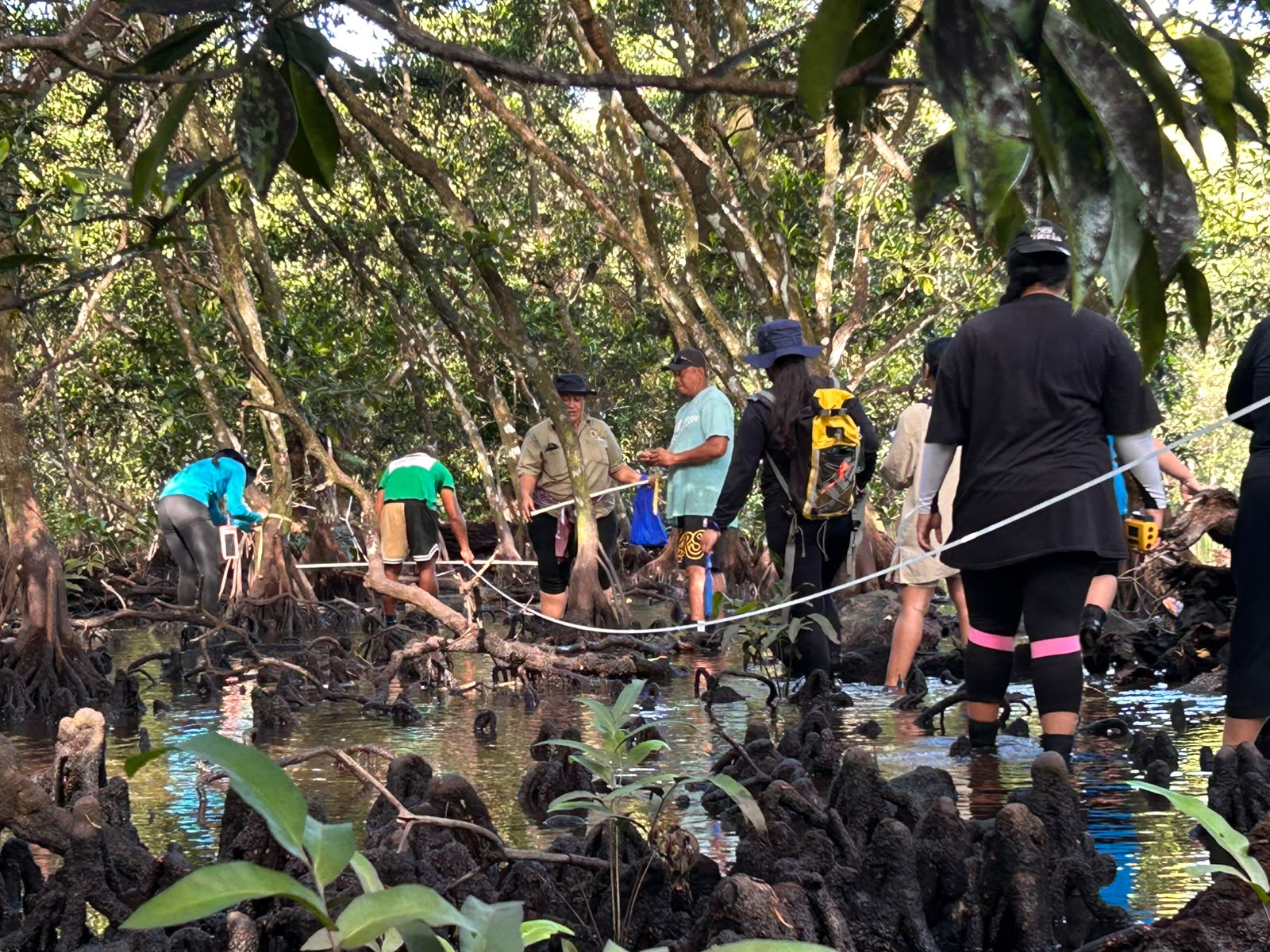
The project team visited mangrove sites across Upolu and Savai’i, including; Asaga (Fa’asalelega), Vailoa(Palauli), Sa’anapu/Sataoa), Le Asaga(Safata), Siufaga/Faleatai, Vaitoloa,Lepea, Vailoa, Vaiusu.
During the visits, Professor Norman Duke, a leading mangrove ecologist and technical lead for field assessment and the SVC team, provided hands-on technical capacity building sessions for MNRE staff, representative from the Ministry of Lands and Survey, SPREP personnel, and selected community representatives.
Participants also received practical training on the field assessment methodologies, and sample collection procedures used to evaluate mangrove biomass, species composition, and carbon stocks.
Mr Fatutolo Iene, of MNRE, said the fieldwork provided valuable practical experience for national staff and community representatives.
“This training has significantly strengthened our technical capacity to assess mangrove ecosystems and understand more on their contribution to carbon storage,” he said.
“The hands-on field experience has improved our skills in data collection and monitoring, which will support Samoa’s ongoing climate reporting and conservations efforts.”
The project supports Samoa’s climate commitments under its Nationally Determined Contributions (NDCs) and contributes to strengthening national greenhouse gas accounting and climate resilience efforts.
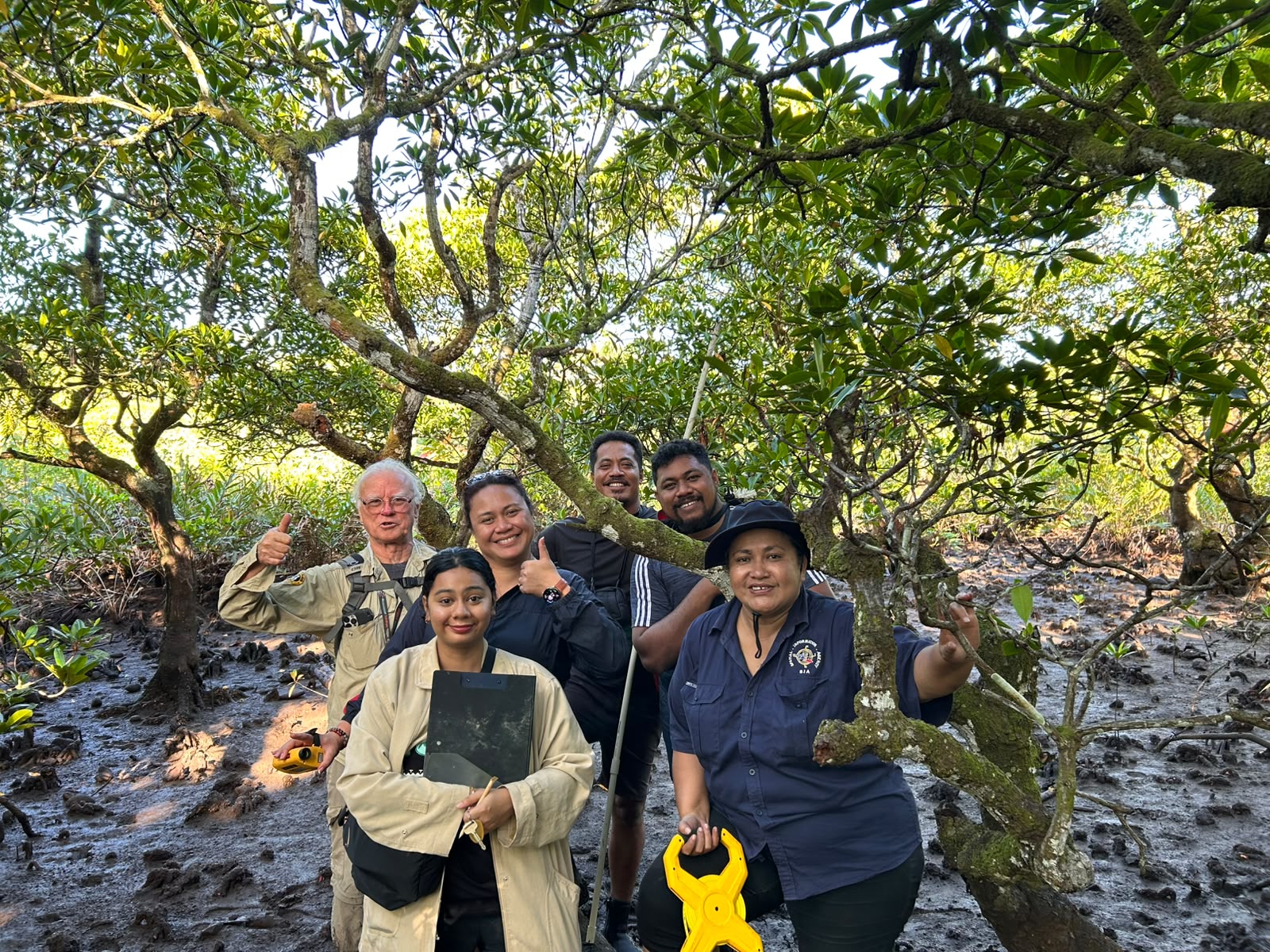
SPREP – Regional Pacific NDC Hub representative, Ms Toiata Apelu-Uili said the fieldwork assessment phase contributed to a better understanding of the role of mangrove ecosystems in climate change mitigation and adaptation.
“The fieldwork focused on verifying and ground truthing mangrove biomass estimates, identifying mangrove species, assessing carbon stock levels and validating remote sensing imagery used to map and monitor Samoa’s mangrove ecosystems,” she said.
“These activities form a critical part of the scientific assessment process and will strengthen the accuracy of national data on mangrove carbon stock and storage capacity.”
This field mission represented the primary data collection phase of the assignment, with preliminary findings expected to be available for final validation between September and October 2026.
Ms Uili added that the project team engaged directly with local communities to document traditional knowledge and local experiences relating to mangrove ecosystems.
“Discussions focused on historical environmental changes, management practices, ecosystem services and the important role mangroves play in support community livelihoods. This approach supports Samoa’s ongoing efforts to strengthen climate reporting, inform conservation planning and advance nature-based solutions to climate change.”
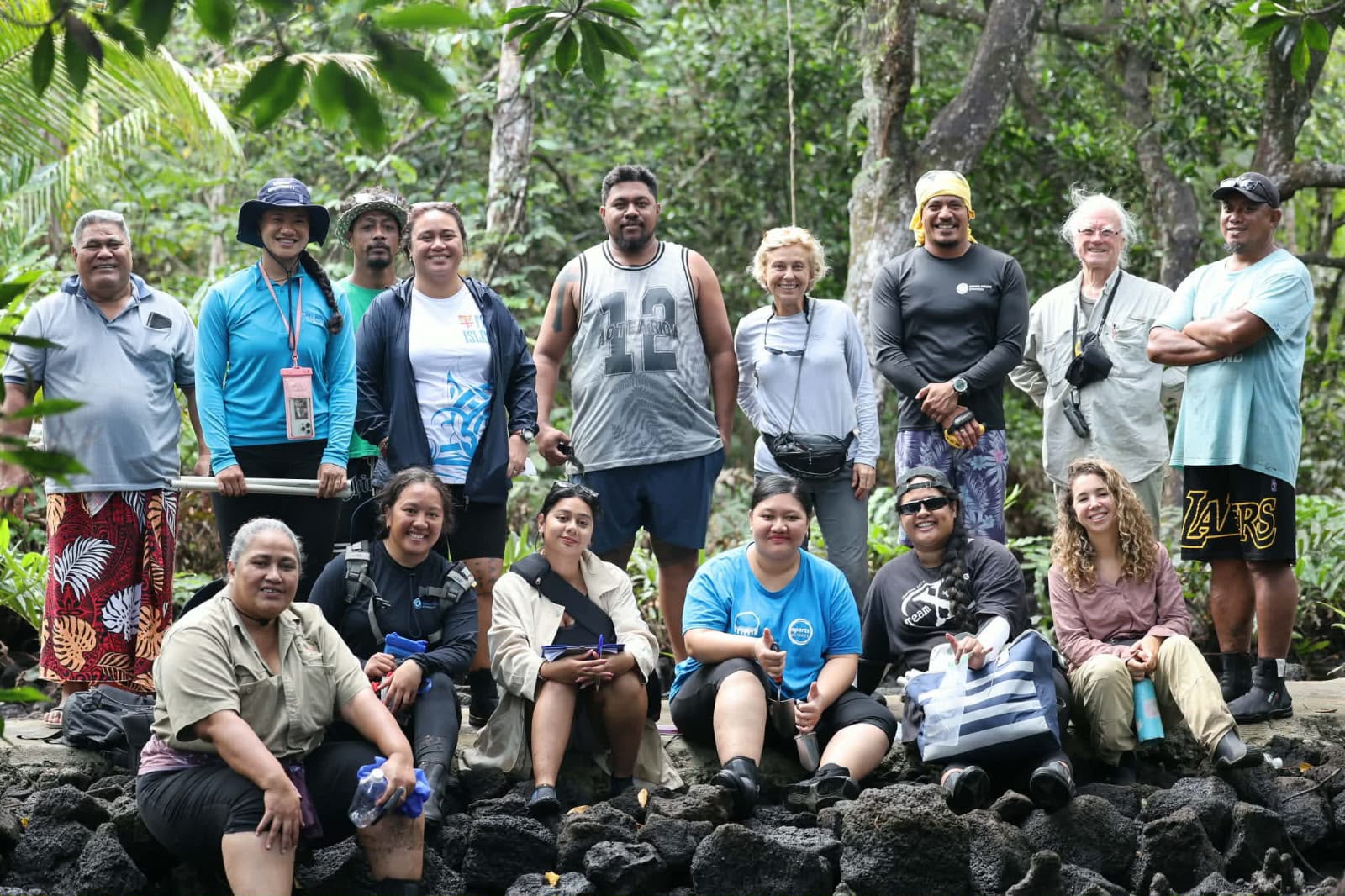
SPREP acknowledged participating communities, government representatives and its valued partners for this work, including, SPC (Pacific Community), the Government of Australia and Sabrina Virly Consulting team.
For more information, contact Ms Vanda Faasoa Chan-Ting, Climate Change Mitigation Advisor vandac@sprep.org or Ms Toiata Apelu – Uili, Pacific NDC Technical Officer toiatau@sprep.org